Why Pit Bull Dog Selectivity Is Not Aggression
It’s incredibly frustrating when your beloved Pit Bull is misunderstood, especially when their perfectly normal dog behavior gets unfairly labeled as aggression. Many Pit Bull owners experience this firsthand when their dog shows a clear preference for certain canine companions, a trait often called "dog selectivity," only for it to be misinterpreted as something far more concerning. This guide aims to clear up that common confusion, helping you understand the difference between dog selectivity and true aggression, and how to advocate for your dog in a world that often judges them too quickly.
Understanding Dog Selectivity in Pit Bulls
When we talk about dog selectivity, it’s not about a dog being inherently "mean" or "aggressive" towards other dogs. Instead, it’s about a dog having specific preferences, much like humans do when choosing friends. Your Pit Bull might be perfectly happy playing with one dog, but completely ignore or even actively avoid another. This isn't necessarily a fault in their character; it's a personality trait that requires understanding and responsible management.
What "Dog Selective" Really Means
Imagine you walk into a room full of people. You probably wouldn't want to engage in deep conversation or high-energy activities with everyone there, right? You'd gravitate towards those whose energy matches yours, or who share similar interests. Dogs are no different. A dog-selective Pit Bull is simply saying, "I'm not interested in interacting with that particular dog, or all dogs in general." It’s a preference, not a prejudice driven by a desire to harm. They might prefer dogs of a certain size, age, play style, or even temperament. Some might prefer solo walks, content to acknowledge other dogs from a distance without direct engagement.
For a Pit Bull, this can often look like a stiff body, a direct stare that quickly turns away, or even a subtle growl or air snap if another dog invades their personal space too quickly. These are usually polite, though firm, requests for distance. It's their way of communicating boundaries without escalating to a true conflict. It's essential for owners to learn Reading a Pit Bull Before a Scuffle Starts so they can intervene and prevent misunderstandings. This type of behavior should be respected and managed, rather than punished or forced. Forcing a dog-selective Pit Bull into interactions they are uncomfortable with is a sure way to erode trust and potentially lead to more serious problems down the line.
How Dog Selectivity Develops
Dog selectivity isn't something that appears out of nowhere overnight, though it can seem sudden to an owner. It's often a culmination of several factors, some genetic, some environmental, and some based on individual experiences.
Firstly, some of it can be deeply rooted in breed history. Pit Bull type dogs, while wonderful companions, were historically bred for specific purposes that sometimes involved dog-on-dog interactions in controlled environments. While modern Pit Bulls are far removed from those origins and are primarily bred as family pets, some individuals may retain an inherent tendency towards being "dog neutral" or "dog selective" as they mature. This isn't a guarantee, but it's a predisposition that can emerge. It's part of understanding Why Pit Bull Is a Type and Not a Breed and the diverse genetic backgrounds that fall under that umbrella.
Secondly, early socialization plays a huge role. A Pit Bull puppy who has positive, varied experiences with other well-adjusted dogs during their critical socialization period (roughly 3-16 weeks) is more likely to be dog-social. However, even excellent early socialization doesn't guarantee a dog will be universally friendly forever. One bad experience – being jumped on, bullied, or even just feeling overwhelmed by an overly boisterous dog – can significantly impact a Pit Bull's willingness to engage with unfamiliar canines in the future. A single negative encounter can lead to a dog deciding, "Nope, not worth the risk," and becoming more selective. Finally, many dogs, including Pit Bulls, become more dog selective as they reach social maturity, typically between one to three years of age. That happy-go-lucky puppy might start showing clear preferences or even avoidance as they grow into an adult. This is a common developmental stage for many breeds and isn't necessarily a sign of aggression.
Distinguishing Dog Selectivity from True Aggression
This is where the rubber meets the road, especially for Pit Bull owners. Because of persistent stereotypes, any display of less-than-perfect dog-on-dog manners from a Pit Bull can immediately be branded as aggression. But there's a world of difference between a dog who prefers their own company or a small, vetted circle of friends, and a dog who is genuinely aggressive with the intent to harm.
Signs of Dog Selectivity vs. Aggression
Let's break down the observable differences between a dog-selective Pit Bull and one displaying true aggression. It's about intent and escalation.
Dog Selectivity often looks like:
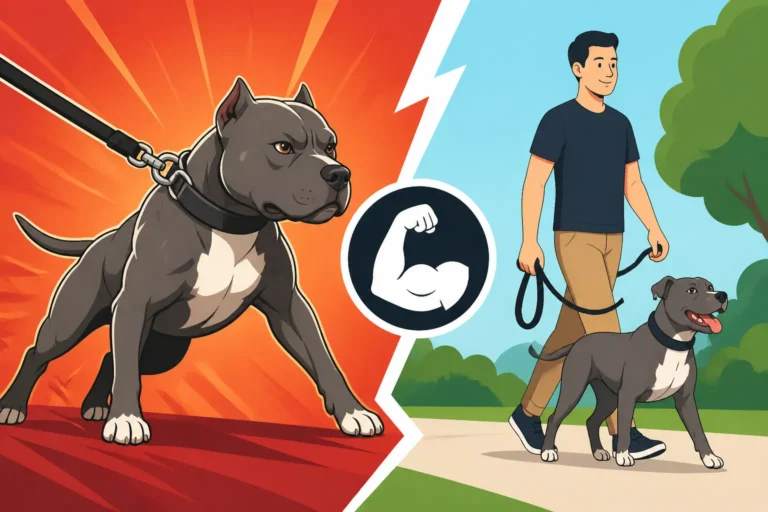
- Avoidance: Your Pit Bull might actively try to steer away from another dog on a walk, pulling on the leash to create distance.
- Disinterest: They might ignore another dog completely, sniffing the ground or looking away, essentially saying, "You don't exist to me."
- Stiffness or freezing: When another dog gets too close, they might go rigid, tense up, or freeze, hoping the other dog gets the hint and moves away.
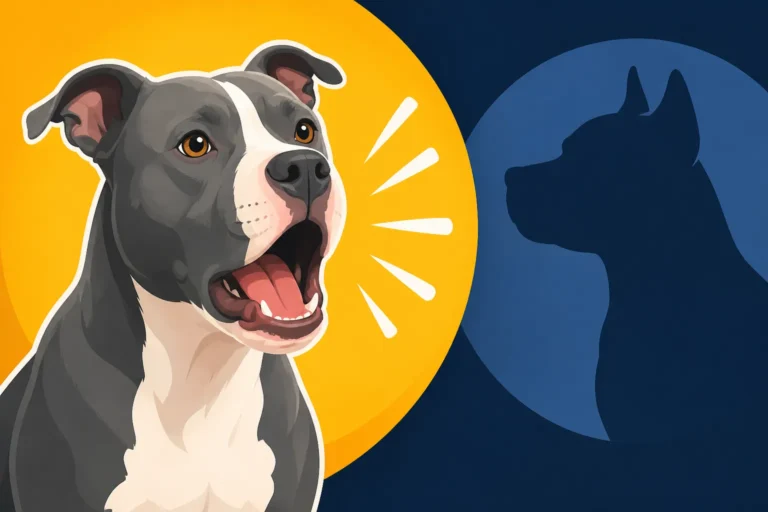
- Brief, clear warnings: This could be a quick, low growl, a stiff-legged posture, a hard stare followed by an immediate head turn, or even an air snap (snapping at the air, not making contact). These are often accompanied by other "please go away" signals. The intent here is to create space, not to injure.
- Focus on disengagement: If an unwanted interaction does occur, a selective dog will often try to disengage, move away, or signal the interaction is over.
- Context-dependent: They might be perfectly fine with known, calm dogs, but reactive to unknown, high-energy dogs.
True Aggression, on the other hand, often looks like:
- Intent to harm: The primary goal is to cause injury or severe fear.
- Escalation: The dog's behavior rapidly intensifies from warning signs to physical confrontation, often without clear prior signals or ignoring attempts to disengage.
- Sustained attacks: Rather than a quick warning or disengagement, the dog might engage in repeated bites, shaking, or holding on.
- Unprovoked lunging: An aggressive dog might lunge, bark, or snap at other dogs from a distance, even when no direct interaction or perceived threat is present.
- Inability to de-escalate: Once engaged, an aggressive dog might struggle to calm down or be called away, even by their owner.
- Lack of clear boundaries: Instead of communicating a boundary, the dog might seem to bypass warnings and go straight to physical threat or contact.
Understanding what a Pit Bull temperament test reveals can sometimes help provide context for your dog's reactions, but ultimately, observing your dog's behavior in real-life situations is key.
The Role of Body Language and Context
Body language is your Pit Bull's primary way of communicating, and it’s critical for owners to become fluent in it. A subtle shift in ear position, the flick of a tail, or the way they hold their breath can tell you volumes about their comfort level.
- Relaxed vs. Tense: A dog-selective Pit Bull might look tense: tail tucked slightly, mouth closed tight, ears pulled back, or body stiff. A truly aggressive dog might also be tense, but often with a more direct, unwavering stare, a stiff body leaning forward, and hackles raised along their spine.
- "Whale Eye": If you see the whites of your Pit Bull's eyes, often accompanied by a stiff posture, it's a huge sign of stress or discomfort. This is often a precursor to a selective dog giving a warning, or an aggressive dog initiating conflict.
- Lip Licking/Yawning: These are appeasement signals that indicate stress. A dog-selective Pit Bull might do this when another dog approaches, hoping to de-escalate the situation.
- Context is Everything: Consider the situation. Is your Pit Bull guarding a high-value resource? Are they on leash and feeling trapped by an off-leash dog? Are they in pain or feeling unwell? A dog that is usually fine but snaps when touched in a certain spot might be in pain, not inherently aggressive. Similarly, a dog that lunges at other dogs only when on leash might be experiencing "leash reactivity," a frustration-based behavior that isn't true aggression but requires careful management. A great resource for understanding canine communication is often available through online platforms like BAXTER & Bella, which offer comprehensive training guides that cover subtle cues.
For a dog-selective Pit Bull, their body language is often about managing space and avoiding unwanted interactions. For an aggressive dog, it's about control, dominance, or perceived threat, and the body language will often communicate an intent to engage forcefully. Learning to read these nuances is paramount, not just for your dog's safety, but for the safety of other dogs and people.
Managing a Dog Selective Pit Bull
Living with a dog-selective Pit Bull doesn't mean you're doomed to a life of isolation. It simply means you need to be a more proactive and attentive owner, setting your dog up for success and managing their environment carefully. The goal isn't to "cure" selectivity, but to manage it responsibly so everyone can live a happy, safe life.
Proactive Management and Training Strategies
The key to managing dog selectivity is prevention and clear communication. You want to avoid situations where your dog feels overwhelmed or pressured, as this is when selectivity can escalate into something more serious.
- Avoid Dog Parks: This is perhaps the most crucial piece of advice. Dog parks are unpredictable environments with dogs of all temperaments and play styles. They are a recipe for disaster for a dog-selective Pit Bull, forcing interactions they don't want. Instead, opt for structured walks in quieter areas or playdates with carefully selected, known dogs.
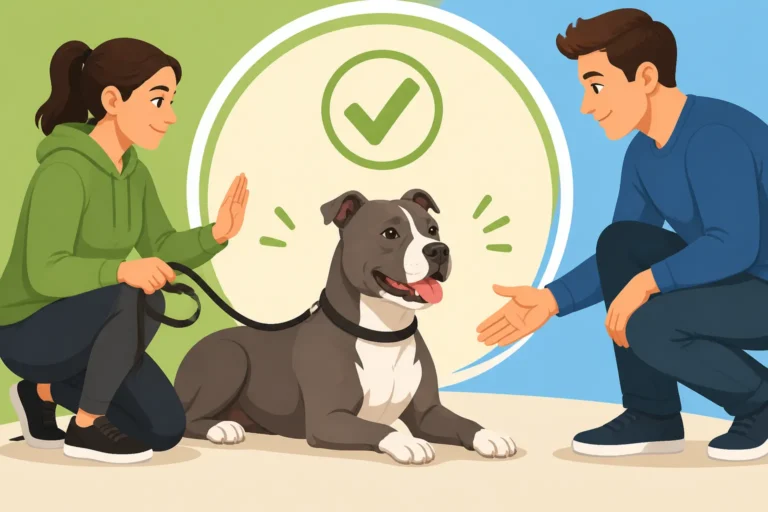
- Controlled Greetings: On walks, avoid "meet and greet" situations with unknown dogs. It's perfectly okay to politely decline interaction with other dog owners. If you do allow an on-leash greeting, ensure both dogs are calm, on loose leashes, and you can intervene quickly. Teaching your Pit Bull to "look at me" or "heel" past other dogs can be invaluable. This type of focus work is often taught in Positive Reinforcement Training With a Pit Bull classes.
- Muzzle Training: This is a fantastic management tool that every Pit Bull owner should consider, regardless of whether their dog is selective or not. A well-fitted basket muzzle, readily available on platforms like Amazon, allows your dog to pant, drink, and even take treats, but provides a safety net during unavoidable close encounters. Introducing it positively, gradually, and making it a normal piece of equipment can be a game-changer. Our guide Muzzle Training Every Pit Bull Should Have delves into this process in detail. It's a responsible choice, not a punishment, and shows you are a thoughtful owner.
- Consistent Positive Reinforcement: Focus on rewarding calm behavior around other dogs, even if it's just a fleeting glance and then looking back at you. Build strong recall and impulse control. If your Pit Bull makes a good choice, like looking at another dog and then choosing to disengage, reward that heavily! Online training programs, such as those offered by BAXTER & Bella, can provide structured lessons to build these crucial skills.
Creating a Harmonious Home and Public Life
Even within a multi-dog household, living with a dog-selective Pit Bull requires thought and strategy. And in public, your advocacy is essential.
- Introducing New Dogs: If you're considering bringing another dog into a home with a selective Pit Bull, this must be done with extreme care and professional guidance. It involves slow, neutral introductions outside the home, parallel walks, and supervised interactions over an extended period. Sometimes, the best answer for a selective Pit Bull is to be the only dog in the home, or to live with a very tolerant, low-energy companion that respects their boundaries. We cover the nuances in Whether a Pit Bull Can Live With Another Dog.
- Crate and Rotate: For multi-dog selective households, especially with same-sex pairs that might have inherent tensions, a "crate and rotate" system is often necessary. This means dogs are never unsupervised together and are rotated between common areas and their individual crates or separate rooms. This might sound like a lot of work, but it ensures safety and reduces stress for all dogs involved.
- Advocate for Your Dog: You are your Pit Bull's voice. Politely inform other owners, "My dog isn't friendly with other dogs," or "We're in training, please give us space." Don't be afraid to create distance or shield your dog if an off-leash dog approaches. Your dog relies on you to manage these interactions.
- Continuing Appropriate Socialization: This doesn't mean forcing interactions. It means maintaining exposure to other dogs from a safe distance, rewarding calm observation, and continuing positive play with known, trusted dog friends who respect your Pit Bull's boundaries. Socializing a Pit Bull Puppy Thoroughly sets the foundation, but appropriate "socialization" continues throughout their life, adapting to their individual needs.
Why the Distinction Matters for Pit Bulls
Making the effort to understand and correctly label your Pit Bull's behavior isn't just about semantics; it has profound implications for their welfare, your peace of mind, and how these incredible dogs are perceived by society.
Overcoming Misconceptions and Breed Bias
Pit Bulls have faced an uphill battle against negative stereotypes for decades. Any display of dog-dog reactivity, however mild or justified, is often immediately chalked up to inherent aggression due to their physical appearance and historical misconceptions. This knee-jerk reaction leads to unnecessary fear, restrictions, and often, tragic outcomes for dogs who are simply misunderstood.
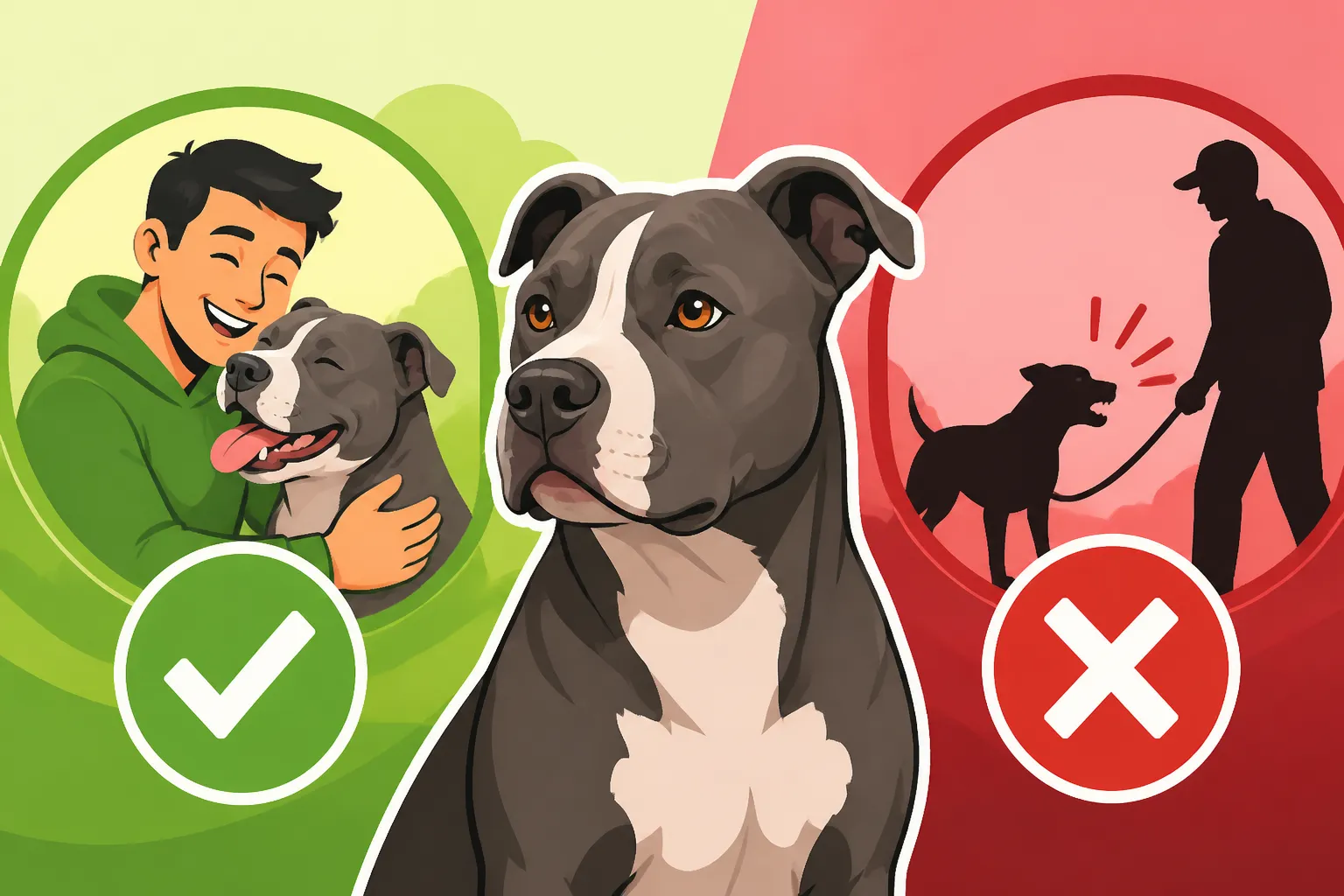
By accurately identifying dog selectivity, we challenge this bias. It allows us to say, "My dog isn't aggressive; they just have preferences, like many other dogs of different breeds do." It shifts the narrative from blame to understanding and responsible management. When owners take the time to manage their dog-selective Pit Bull proactively, it demonstrates responsible ownership and can chip away at the negative public perception. For every Pit Bull owner who ensures their dog is calm and well-managed in public, it helps combat the unfair judgments that are often made. We know Why a Pit Bull Gets Less Benefit of the Doubt, and it's our job as owners to consistently show the world otherwise.
Promoting Safety and Realistic Expectations
Understanding that your Pit Bull is dog selective, rather than globally aggressive, is crucial for promoting safety. If you mistakenly believe your dog is aggressive towards all other dogs, you might become overly anxious, avoid all canine contact, or even consider rehoming. Conversely, if you dismiss their selectivity as "they'll be fine," you risk putting your dog and others in uncomfortable or dangerous situations.
The correct distinction allows for realistic expectations. It means you understand that your Pit Bull might not be a dog park regular, and that's okay. They might thrive as an only dog or with a carefully chosen companion. This realistic approach leads to better management decisions, which, in turn, prevents incidents. When you respect your Pit Bull's boundaries and manage their environment, you reduce their stress, build their trust in you, and ultimately create a safer and happier life for everyone. This insight empowers you to make informed choices about training, exercise, and living arrangements, fostering a deeper, more empathetic bond with your unique companion.
Below is a table summarizing the key differences between dog selectivity and aggression to help solidify your understanding.
| Feature | Dog Selectivity (Preference/Avoidance) | True Aggression (Intent to Harm) |
|---|---|---|
| Primary Goal | Create distance, avoid interaction, manage space | Inflict injury, dominate, eliminate perceived threat |
| Escalation | Often de-escalates or provides warnings; seeks to disengage | Rapid escalation, sustained action, difficulty disengaging |
| Body Language | Stiff, avoidance, whale eye, lip lick, quick growl/snap | Tense, forward posture, hard stare, hackles, sustained growl/snarl, lunging |
| Vocalization | Low, brief warning growl; soft bark; air snap | Loud, prolonged growl/snarl, sustained barking, biting |
| Context | Specific dogs/situations; may have trusted companions | Less discriminating; often generalized to many dogs/situations |
| Motivation | Discomfort, fear, lack of interest, past negative experience | Threat, territoriality, fear (leading to attack), resource guarding (escalated) |
| Owner's Role | Manage environment, advocate, respect boundaries | Seek professional behavior modification, strict management, safety protocols |
Disclaimer
This article is for general informational purposes only and does not constitute professional advice. Laws, prices and regulations vary by location and change over time. Consult a qualified professional for guidance on your specific situation.