Matching a Pit Bull With the Right Playmate
Finding the right playmate for your Pit Bull can feel like navigating a minefield. You want your dog to have fun, burn off energy, and enjoy canine companionship, but the stakes often feel higher for Pit Bull owners. There's the worry about mismatched play styles, the fear of misunderstandings, and the constant pressure of public perception. This guide is here to help you confidently assess potential play partners and create safe, enjoyable social experiences for your beloved Pit Bull.
Understanding Your Pit Bull's Unique Play Style
Pit Bulls are often incredibly athletic, powerful, and enthusiastic dogs, and their play style typically reflects these traits. What might look like aggressive behavior to an uninitiated observer is often just a normal, boisterous game for a Pit Bull. Understanding these nuances is the first step in finding a compatible playmate and setting appropriate expectations for play sessions.
The Physicality of Pit Bull Play
Many Pit Bulls engage in a very physical style of play. This can include a lot of body slamming, wrestling, and chase. They might use their mouths a lot during play, which, while usually soft and inhibited, can sometimes be startling to other dog owners. It's not uncommon for them to vocalize with growls or barks that sound intense but are entirely part of the fun. Think of it like a full-contact sport for dogs! They often enjoy a good, hard tug-of-war, or a game of keep-away that involves quick turns and impressive agility. If your Pit Bull is happily bouncing off another dog, hip-checking them in mid-air, and then pouncing with an open, grinning mouth, chances are they're having a blast.
It's vital to differentiate this high-energy, physical interaction from actual aggression. A truly aggressive dog will often display stiff body language, whale eyes, growls that don't fluctuate with play, and may attempt to control resources or space without invitation. Play growls are usually fluid, accompanied by loose body language, play bows, and a wagging tail. Your dog will take turns being "on top" or "chasing," indicating a reciprocal interaction. Knowing your own dog’s body language, and being able to read canine communication cues in general, is paramount. You might find our article on Reading a Pit Bull Before a Scuffle Starts incredibly helpful in honing this skill.
Recognizing Dog Selectivity
As Pit Bulls mature, typically between 1-3 years of age, many develop what is known as "dog selectivity." This isn't aggression towards all dogs, but rather a preference for certain playmates and a disinterest or intolerance for others. It means they might have a few canine friends they adore and play beautifully with, but are completely uninterested in or even reactive towards unknown dogs or those with different play styles. This is a normal, hard-wired trait for many bully breeds, and it's something to manage, not "fix." It doesn't mean your dog is inherently "bad" or unsocialized; it means they're discerning.
If your Pit Bull is dog selective, trying to force interactions with every dog at the park is a recipe for stress, or worse, conflict. Instead, focus on quality over quantity. Find one or two dogs whose play styles truly match, and foster those relationships. This might mean fewer spontaneous dog park visits and more structured playdates. Embracing their dog selectivity allows you to protect your Pit Bull from uncomfortable situations and set them up for success. You can explore this topic further in What Dog Selectivity Means in a Pit Bull.
What to Look for in a Potential Canine Playmate
Once you understand your Pit Bull's natural inclinations, you can start to identify what makes a truly good match. It's not just about size or breed; it's about temperament, play style, and the other dog's ability to communicate and handle your Pit Bull's robust play.
Matching Energy Levels and Physicality
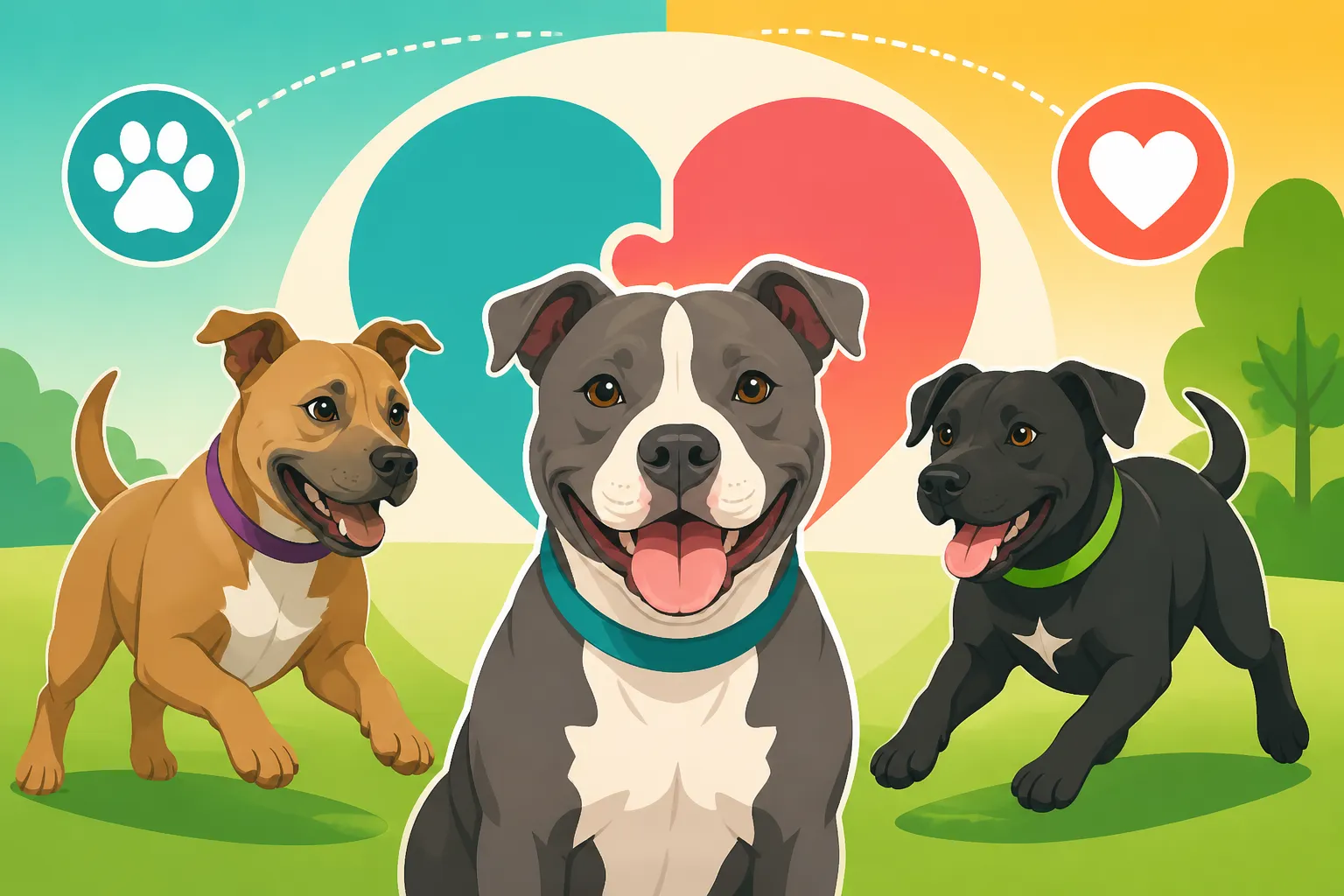
The ideal playmate for a Pit Bull is often another dog who enjoys a similar level of high-energy, physical play. Think of breeds that are equally robust and enjoy a good wrestle, chase, and tumble. Other bully breeds, certain herding breeds with high play drive, or even some larger mixed breeds can be excellent choices. A dog that is too delicate, too easily overwhelmed, or too timid will quickly become a target for unwanted attention or, at best, simply won't enjoy the interaction. Conversely, a dog that is overly dominant, pushy, or equally unaware of boundaries can create conflict.
The best playmates are often:
- Similar in size or larger: This helps ensure both dogs can physically handle the rough-and-tumble nature of Pit Bull play without injury or intimidation. A tiny dog, no matter how confident, is at a disadvantage.
- Confident and resilient: They shouldn't be easily intimidated by barking, growling, or body slams. They should be able to "take it" and "dish it out" in a playful way, offering clear reciprocal play signals.
- Good communicators: Dogs that offer clear play bows, disengagement signals (like turning away, sniffing the ground), and are responsive to correction from other dogs are ideal. If a dog ignores clear "stop" signals from another, it's a red flag.
- Tolerant and forgiving: Sometimes play can get a little intense. A good playmate will understand it's part of the game and won't escalate a minor misunderstanding into a full-blown conflict.
A crucial aspect is the other owner. They need to be just as vigilant and understanding of dog body language as you are. They should be comfortable with rough play and not prone to panicking at the first growl or bark. This shared understanding is vital for successful, low-stress play sessions.
Temperament and Communication Skills
Beyond just physicality, a dog's temperament and ability to communicate effectively are key. A dog that is prone to resource guarding, even over sticks or toys, might not be a good match if your Pit Bull also has strong guarding instincts. Similarly, dogs that are overly submissive and constantly roll over may inadvertently trigger unwanted chasing or pouncing from a high-drive Pit Bull. The best interactions happen when both dogs are confident, but not pushy, and respect each other's boundaries. They should be able to self-regulate, taking breaks when needed, and not becoming overly fixated on the other dog.
It's also worth considering dogs that have grown up around Pit Bulls or similar strong breeds, as they often understand the play style innately. These dogs have learned the "rules" of rough play and are less likely to misinterpret a playful nudge as a threat. They can often provide excellent feedback to your Pit Bull, telling them when they've gone too far, or inviting them back into play. Remember, good communication isn't just about what your dog says, but also about what their playmate understands and expresses.
Setting Up Successful Playdates
Finding a potential playmate is just the beginning. The environment, introduction, and ongoing supervision are critical to ensuring playdates are safe, positive experiences for both dogs.
Neutral Territory and Proper Introductions
Always start introductions in a neutral territory – somewhere neither dog considers "theirs" and where there are minimal distractions. A large, fenced park or a quiet, unused field is often ideal. Avoid enclosed spaces or areas where either dog might feel trapped.
The initial meeting should be calm and controlled:
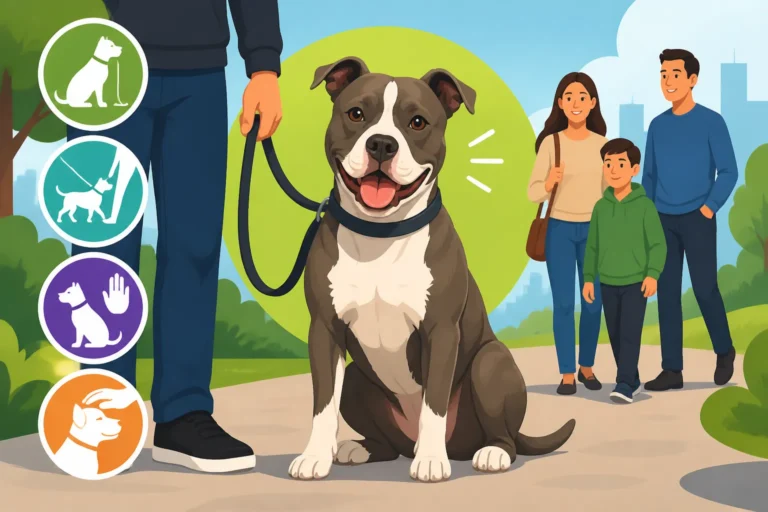
- Parallel Walk: Start with a parallel walk on leashes, several feet apart. This allows the dogs to get used to each other's presence without direct pressure. Keep the leashes loose; tension on the leash can translate as anxiety to your dog. Focus on calm walking, and reward good behavior with high-value treats. You might find effective options on platforms like Amazon, where a variety of treat types are available.
- Brief Sniffs: If the parallel walk goes well, allow very brief, controlled sniff introductions. Keep them short, perhaps counting to three, then move them away again. Repeat this several times. The goal is positive, low-pressure interactions.
- Off-Leash in a Controlled Space: If all previous steps are positive, and both owners are confident, you can move to an off-leash scenario in a securely fenced area. Continue to supervise closely. Keep it brief for the first session – maybe 10-15 minutes of off-leash play, then a break. End on a positive note, before either dog becomes overstimulated or tired.
It's a good idea to ensure both dogs are exercised beforehand, but not exhausted. A dog that has some energy to burn is more likely to engage in play, but one that is overtired might be cranky or less tolerant. For guidance on introducing dogs, especially if one is an existing pet, our article Introducing a Pit Bull to an Existing Dog Slowly provides deeper insights.
Supervision and Intervention
Even with the best match, vigilant supervision is non-negotiable. Both owners should be actively observing the dogs, looking for signs that play is escalating inappropriately or that one dog is no longer enjoying themselves.
Signs to watch for:
- Stiffening body language: A dog whose body suddenly becomes rigid, especially before a growl or snap.
- Lip curling or baring teeth (not a play grin): This is a serious warning sign.
- Excessive pinning or body slamming: If one dog is consistently pinning the other down without allowing them to get up, or slamming them with too much force.
- One dog trying to disengage repeatedly: If a dog is constantly trying to move away, hiding behind an owner, or tucking their tail, they're not having fun.
- Heightened arousal: Persistent barking, growling, or lunging that doesn't ebb and flow with reciprocal play.
- Resource guarding: One dog guarding toys, a water bowl, or even a particular spot. Remove all toys initially to prevent this.
If you see these signs, calmly and immediately intervene. Use a clear, firm voice to separate the dogs, or physically step between them if necessary. Reset the situation by putting them on leashes, giving them a short break, or ending the playdate entirely. It's better to end a playdate too early than too late. Many online training resources, such as those offered by BAXTER & Bella, emphasize careful supervision and positive interruption techniques, which can be invaluable tools for any dog owner. Don't be afraid to pull your dog out of a situation if it doesn't feel right. Your dog's safety and well-being come first.
When to Say No to a Playmate or Situation
Sometimes, despite your best efforts, a playmate just isn't the right fit, or a situation isn't conducive to safe play. Recognizing these moments and confidently saying no is a crucial part of responsible Pit Bull ownership.
Mismatched Play Styles
Not all dogs are meant to play together, and that's perfectly okay. If your Pit Bull enjoys rough-and-tumble wrestling, a dog that prefers gentle chasing or solitary sniffing might be overwhelmed or, conversely, might find your Pit Bull's play boring and become frustrated. You might notice one dog constantly trying to initiate play in a way the other doesn't understand or appreciate. For example, your Pit Bull might continuously offer play bows, only for the other dog to freeze or turn away. Or, your dog might be too much for a shy or elderly dog.
It's unfair to both dogs to force an interaction that isn't mutually enjoyable. A Pit Bull constantly rebuffed or corrected might become frustrated, and the other dog might become stressed or fearful. There’s no shame in acknowledging that some dogs simply aren't compatible play partners. Prioritize quality, reciprocal play over the idea that your dog must play with every other dog they meet. In some cases, a dog park setting, with its unpredictable mix of personalities and play styles, might not be suitable for your Pit Bull at all. You can learn more about this in Whether a Pit Bull Belongs at a Dog Park.
Poor Owner Supervision or Communication
This is a big one. Even if the dogs are a decent match, if the other owner isn't actively engaged in supervision or is unwilling to communicate about their dog's behavior, it can quickly lead to problems. An owner who is distracted on their phone, constantly yelling at their dog without effective intervention, or who dismisses concerning behavior ("Oh, he's just playing!") is a red flag. Successful playdates require both owners to be responsible, proactive, and willing to step in when needed.
If you find yourself constantly having to manage both dogs, or if the other owner isn't respecting your boundaries or concerns, it's time to politely disengage. Don't risk a negative incident because you feel obligated to stay. It's perfectly acceptable to say, "I think our dogs have different play styles, and we're going to head out," or "My dog is getting a little tired, so we're going to take a break." Protecting your Pit Bull means protecting them from irresponsible interactions, even if it feels awkward to decline a play invitation. Your Pit Bull's training, including building impulse control, can also help them disengage from potentially tense situations, a topic covered in Building a Pit Bull's Impulse Control.
Other Red Flags
Keep an eye out for any specific behaviors that indicate a playmate is not suitable:
- Excessive humping: While sometimes a normal part of play, persistent or forced humping without reciprocal interaction can be a sign of dominance or over-arousal that could lead to conflict.
- Bullying: If one dog is consistently harassing, chasing, or pinning the other without the other dog showing signs of enjoyment or being able to escape.
- Injuries: Any nips, scratches, or more serious injuries, even accidental ones, are a sign that the play is too rough or poorly supervised.
- Over-arousal leading to aggression: Some dogs can become so overstimulated by play that they tip into genuine aggression. This is especially true if there's no cooling-off period.
Ultimately, trust your gut. If something feels off, it probably is. It's always better to err on the side of caution. Not every dog needs a canine best friend, and your Pit Bull's happiness and safety are paramount. Sometimes, the best playmate is you, with a strong tug toy or a good game of fetch in a secure yard.
| Play Style Characteristics | Ideal Playmate Qualities | Potential Issues with Mismatch |
|---|---|---|
| Pit Bull: Physical, Wrestling, Chase, Mouthy, High Energy | Confident, Robust, Reciprocal, Clear Communicator, Similar Size | Delicate dogs: Overwhelmed, scared, potential for injury. |
| Timid dogs: May shut down, avoid interaction, or feel bullied. | ||
| Overly dominant/pushy dogs: Increased risk of conflict, power struggles. | ||
| Low energy dogs: Will be annoyed or uninterested, leading to frustration for the Pit Bull. | ||
| Dog Selectivity: Prefers specific, well-known dogs | Patient, Tolerant, Non-Intrusive, Respects boundaries | Pushy, "in your face" dogs: Can lead to snarking or fights from the Pit Bull. |
| Random dogs at dog park: High likelihood of tension, stress, or conflict. | ||
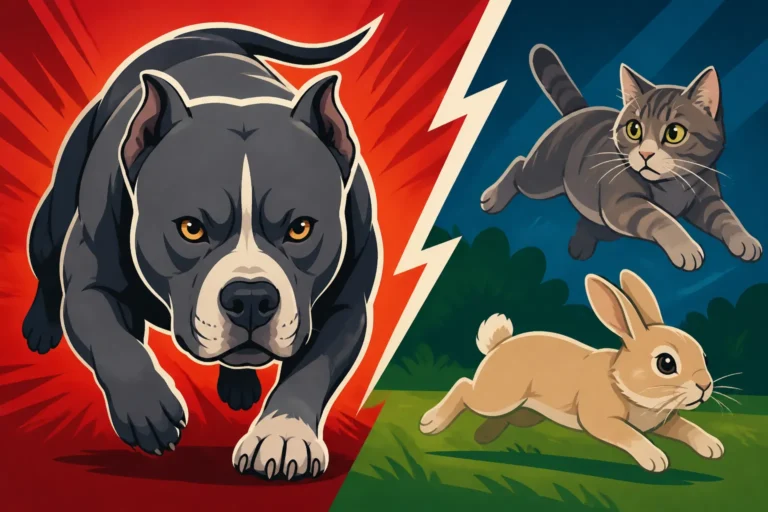
| High Prey Drive: Enjoys chasing | Equally enjoys being chased/chasing, or calm/uninterested in chase | Small, fast dogs: Can trigger prey drive beyond play. |
| Dogs that run away and hide: Pit Bull may escalate chase beyond fun. |
Disclaimer
This article is for general informational purposes only and does not constitute professional advice. Laws, prices and regulations vary by location and change over time. Consult a qualified professional for guidance on your specific situation.