A Pit Bull That Rushes the Door
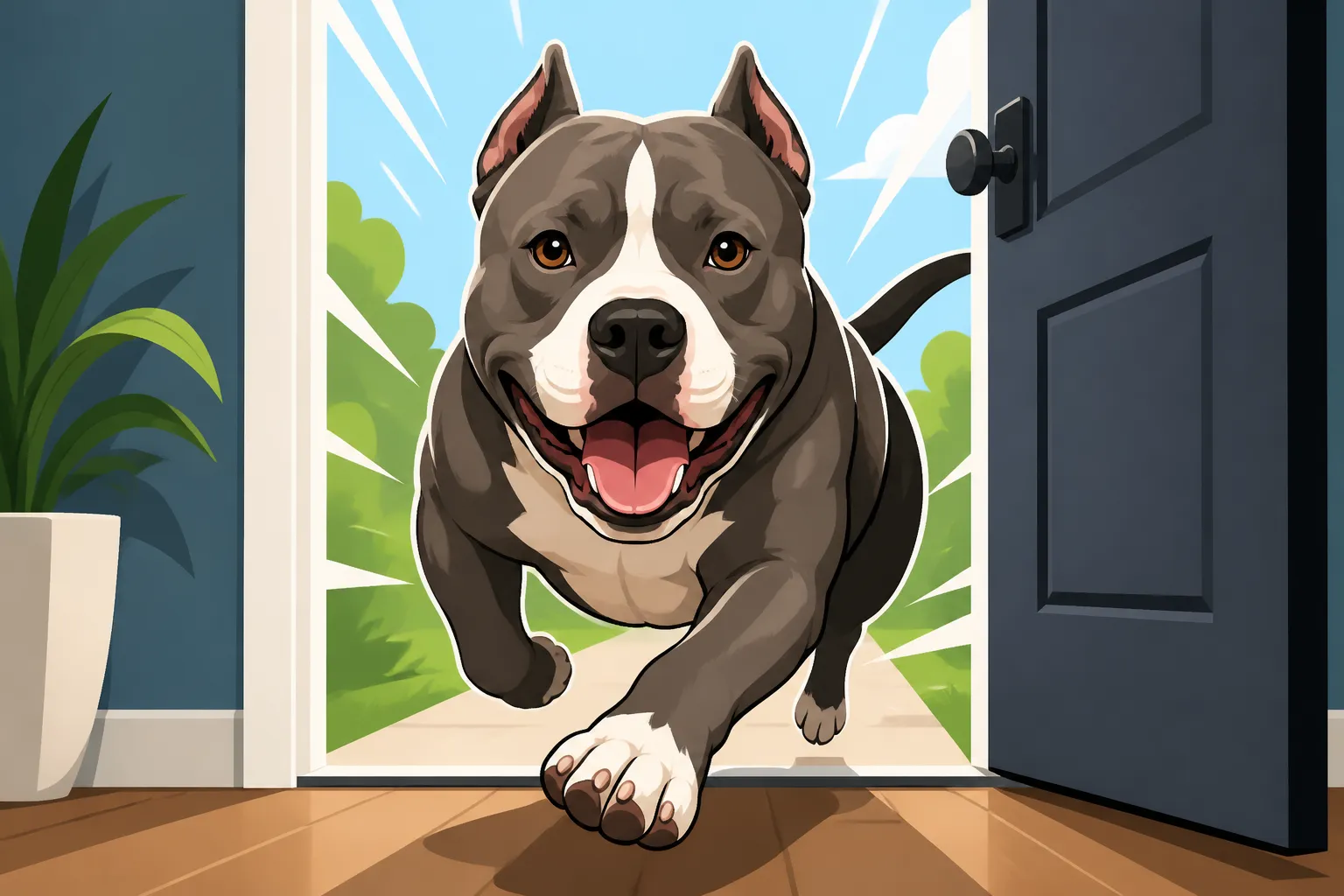
It's one of the most common, and frankly, most frustrating Pit Bull behaviors: that sudden surge towards the door the moment it opens, whether it's the front door, the back gate, or even just the car door. The anxiety of your powerful companion bolting out into traffic or towards a neighbor's dog is very real, and it can feel like a constant battle. This guide is dedicated to helping you understand why your Pit Bull acts this way and, more importantly, providing practical, step-by-step strategies to teach them calm, controlled door manners for everyone's safety and peace of mind.
Understanding Why Your Pit Bull Rushes the Door
Before we can even begin to tackle the "how to stop it," we need to really dig into the "why." Your Pit Bull isn't trying to be difficult or disobedient; there are usually very clear, instinctual, and sometimes even learned reasons behind that door-rushing enthusiasm. Understanding these motivations is the first step toward effective training.
The Thrill of the Unknown and External Stimuli
Imagine being a dog, primarily experiencing the world through scent and sound. The moment that door cracks open, a flood of new information rushes in. There's the scent of fresh air, the sound of birds, maybe a distant squirrel chatter, or the footsteps of a passing person. For a highly engaged and curious breed like the Pit Bull, this external world is incredibly stimulating and exciting. They perceive the opening door as an immediate gateway to an adventure, a chance to investigate all those tantalizing inputs. This isn't just about escaping; it's about exploring. The outside world is a giant, ever-changing playground, and the door is the only thing standing between them and it.
This natural curiosity is amplified by their breed's inherent drive. Many Pit Bulls have a strong prey drive and are keenly aware of movement and scents. A leaf blowing, a rabbit darting across the lawn, or even just the mail carrier approaching can trigger that instant "I need to go see!" response. It’s hard for us to comprehend the sheer pull of these stimuli, but for your dog, it's a powerful force.
Lack of Established Boundaries and Impulse Control
Often, door rushing isn't just about excitement; it's a symptom of unclear boundaries or a lack of impulse control training in general. If a dog has never been consistently taught that the door is a boundary, or that they need permission to pass through it, why would they suddenly decide to wait? Think about it from their perspective: if they've rushed the door a dozen times and usually gotten out, even if it was just for a moment, that behavior has been reinforced. They've learned that pushing past is often successful.
This is especially true for powerful dogs like Pit Bulls. Their sheer strength and enthusiasm can make it difficult for handlers to physically stop them, which inadvertently teaches the dog that they can push through. Over time, this creates a pattern where the dog expects to be the first one out, leading with their chest and pulling against any restraint. Developing solid Pit Bull Leash Manners and Physical Strength often starts right at the door.
Consistency is key here. Every time they successfully rush out, even if you quickly grab them, it's a small win in their mind. They haven't learned to wait; they've learned to be quick. This is where dedicated training on cues like "wait" or "stay" becomes crucial, not just at the door but in various situations to build their overall impulse control. For more on building this foundational skill, check out our article on Building a Pit Bull's Impulse Control.
Accidental Reinforcement and Learned Behavior
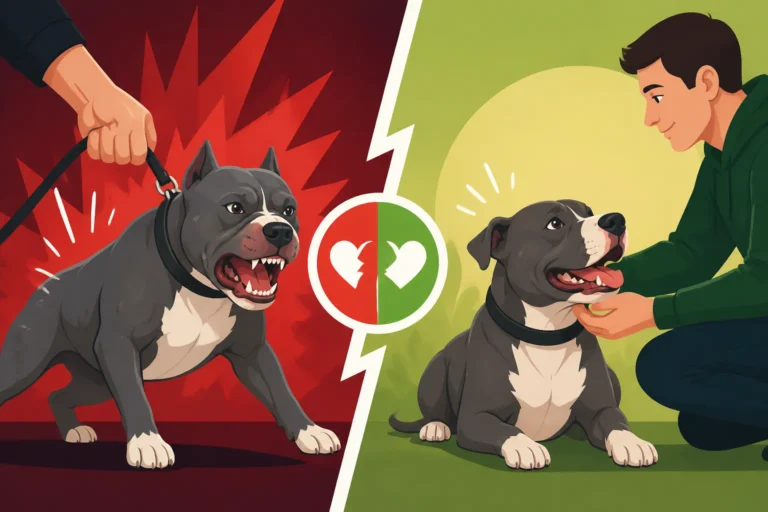
We, as owners, sometimes unintentionally reinforce the very behavior we want to stop. Every time your Pit Bull rushes the door, and you respond by grabbing their collar, yelling, or chasing after them, you might be giving them attention, even if it's negative. For some dogs, any attention is good attention, and the chaos surrounding the door becomes a game.
Consider the scenario where you're coming home, and your Pit Bull is overjoyed, jumping and barking at the door. You might accidentally reinforce this by opening the door while they're still in this excited state. They've learned that frantic behavior precedes the door opening and your arrival. Similarly, if they dart out and you then immediately grab their leash and go for a walk, they've linked rushing out with going on an exciting outing.
Breaking this cycle requires conscious effort to never allow the door to open fully, or an outing to begin, when your dog is in a heightened state of excitement. This means stopping, taking a breath, and waiting for a moment of calm before proceeding. It's tough, especially when you're in a hurry, but it’s vital for reshaping their understanding of door etiquette.
Proactive Management: Preventing Door Rushing Incidents
Before you even start formal training, establishing effective management strategies is paramount. These aren't just temporary fixes; they are critical safety measures and provide the controlled environment necessary for successful training. Without good management, your Pit Bull will continue to practice the unwanted behavior, making it harder to change.
Utilizing Crates and Gates for Door Safety
One of the most immediate and effective ways to prevent door rushing is to physically manage your Pit Bull's access to the door. This means creating a barrier between your dog and the exit point whenever the door might be opened.
A sturdy crate can be a lifesaver. If your Pit Bull is already Getting a Pit Bull to Choose Its Crate and comfortable in it, you can simply ask them to go to their crate before opening the front door for a visitor, taking out the trash, or bringing in groceries. This gives you complete peace of mind that they won't bolt. Look for heavy-duty crates on sites like Amazon, particularly if you have a powerful Pit Bull who might test lighter models. We've even discussed The Crate a Pit Bull Cannot Break Out Of for those exceptionally determined dogs.
Baby gates or pet gates are another excellent tool, especially for preventing access to the main entryways without confining them to a full crate. Install a sturdy gate a few feet back from the front door. This creates a safe "holding zone" where your Pit Bull can still see and hear what's happening but cannot physically rush the door. It gives them a boundary that they can learn to respect, and it provides you with invaluable time and space to manage deliveries or guests without stressing about an escape. These gates are also fantastic for keeping them contained when you're going in and out of the yard.
Leash and Tether Management Strategies
Even with gates and crates, there will be times when your Pit Bull is loose in the house and needs to be near an exit. This is where leash and tether management become invaluable.
Keeping a leash on your Pit Bull when you anticipate door activity, even inside the house, provides an extra layer of control. It allows you to quickly and gently guide them away from the door or to a designated "place" without having to chase or grab their collar in a stressful situation. A lightweight leash can be dragged around the house, giving you an instant handle.
Tethering is another fantastic proactive tool. You can attach a sturdy leash to a secure anchor point (like a heavy piece of furniture or a wall-mounted tether hook) that is out of reach of the door. Before you answer the door, or if you know you'll be going in and out frequently, simply clip your Pit Bull's leash to the tether. This keeps them safely away from the door, unable to practice the rushing behavior, and allows you to calmly manage the doorway interaction. It’s important that the tether spot is comfortable for them, perhaps with a bed or a favorite chew toy. This prevents them from becoming frustrated or anxious about being tied up.
Training a Reliable 'Wait' and 'Stay' for the Door
Once you've got your management systems in place to prevent accidental escapes and rehearsals of door-rushing, you can begin the vital work of active training. This is where you teach your Pit Bull a new, desirable behavior at the door: waiting calmly.
Teaching the "Wait" Command at the Threshold
The "wait" command is your best friend when it comes to door manners. It teaches your Pit Bull to hold their position until released, even when the door is open. This isn't just about stopping them from rushing; it's about building their self-control.
Start with very low distractions. No one at the door, just you and your Pit Bull. Approach the door together. As you reach the door, ask your dog to "sit." Once they are sitting, put your hand on the doorknob. If they get up, immediately remove your hand, say "oops" or "too bad," and ask them to sit again. Only when they remain sitting with your hand on the knob do you slowly turn the knob. If they move, hand comes off, reset.
The goal is to teach them that the door opening only happens when they are calm and waiting. Once you can turn the knob, slowly open the door just a crack. If they move, close the door immediately and reset. Reward heavily with High-Value Treats That Hold a Pit Bull's Focus for every tiny increment of success. When they remain seated with the door slightly ajar, say "yes!" and reward.
Gradually increase the door opening, always closing it and resetting if they move. Eventually, you'll be able to open the door completely, and your Pit Bull will remain seated. Only then do you give them a release cue like "okay!" or "free!" and allow them to pass through, ideally calmly on a leash, or as a reward for their good behavior. Patience is crucial here. You might do 100 repetitions over several days just to open the door fully. Consistency builds the habit.
Practicing Controlled Entry and Exit
Once your Pit Bull understands the "wait" command at an open door, you need to practice controlled entry and exit in real-life scenarios. This involves simulating guests and departures.
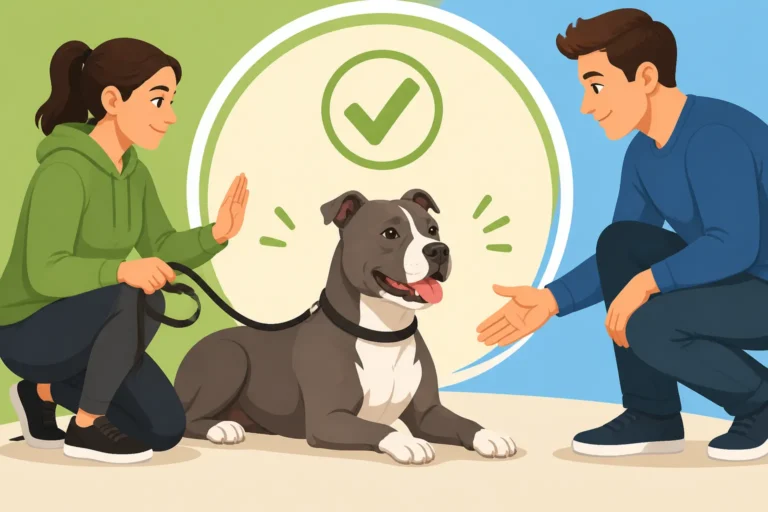
Have a friend or family member act as a "visitor." With your Pit Bull on a leash and tethered a few feet from the door or behind a gate, have your helper knock. When your dog responds calmly (not barking excessively or lunging), reward them. Then, release your Pit Bull from the tether/gate, walk them to the door, ask for a "sit" and "wait" as you greet your guest. Your dog should remain calm and seated.
For departures, repeat the "sit" and "wait" process. Ensure they remain seated while you step out first. If you are leaving for a walk, this is when you clip on the leash. Always step out before your dog. This establishes you as the leader who dictates when and how the threshold is crossed. For Pit Bulls, who can be strong and enthusiastic, establishing this subtle leadership through calm, consistent action is vital. Consider seeking guidance from a professional, particularly when Finding a Trainer Experienced With Pit Bulls who understands the nuances of this type of powerful dog.
Incorporating "Place" Training for Designated Door Waiting
"Place" training is an incredibly useful adjunct to door manners. It teaches your Pit Bull to go to a specific spot (like a dog bed or mat) and stay there until released, regardless of distractions. This provides an alternative behavior to door-rushing, giving them a job to do.
Start by teaching your Pit Bull to go to their "place" on cue, rewarding them handsomely when they do. Use positive reinforcement methods, as detailed in Positive Reinforcement Training With a Pit Bull. Once they reliably go to their place, start practicing it when there's mild door activity. For example, have them go to their place when the doorbell rings, or when you simply walk towards the door.
Gradually increase the duration and distraction. Ask them to go to their place, then walk to the door, touch the knob, open it a crack, and eventually fully open it, all while they remain on their place. Reward frequently for staying. This gives you a remote control option for managing the door without even having to be right next to your dog. It’s particularly useful when you have multiple family members coming and going, or when handling something bulky and you can't physically block your dog.
Troubleshooting and Maintaining Consistent Door Manners
Even with diligent training, you might hit some bumps in the road. Maintaining consistent good manners at the door requires ongoing effort and a clear understanding of how to troubleshoot common challenges.
Overcoming Excitement and Handler Strength Issues
One of the biggest hurdles with Pit Bulls is their sheer enthusiasm and physical strength. A 50-pound Pit Bull lunging at the door can be tough to hold back, especially for smaller handlers. This is why management is so crucial initially.
If your Pit Bull is struggling with overexcitement, try to lower the stakes. Practice when they are already tired from exercise, or when distractions are at an absolute minimum. Break down the steps even further. Maybe just touching the doorknob is a full training session. Use extremely high-value treats – something truly irresistible – to hold their focus. Teaching a Pit Bull to Sit Before Every Door can be a great starting point, making it a routine.
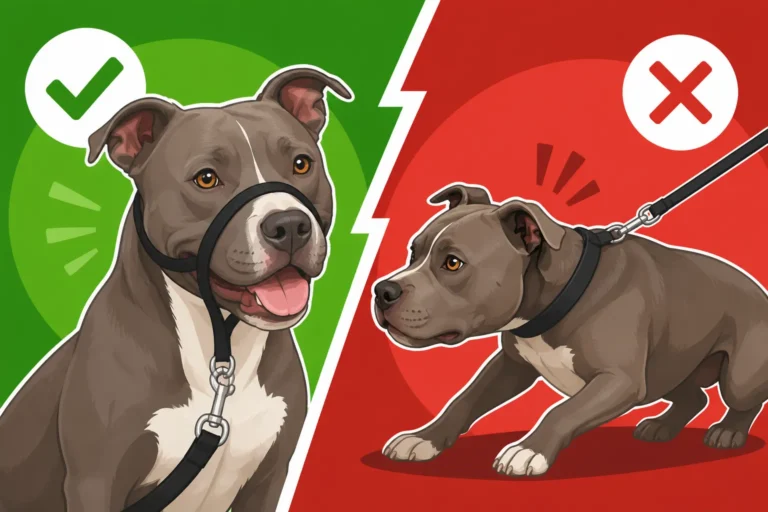
If physical strength is the issue, consider using a front-clip harness or a head halter during training sessions at the door. These tools offer better control and redirect your Pit Bull's attention back to you without needing to exert as much physical force. However, remember these are tools, not solutions. The underlying training still needs to happen. Harnesses and Head Halters for a Pit Bull can offer more insights on choosing the right equipment.
Addressing Multi-Dog Household Dynamics
Door rushing can be even more complex in multi-dog households. The excitement of one dog can quickly escalate the others, creating a chaotic "pack rush" to the door.
The key here is to train each dog individually first, even if it's just for short sessions. Once each dog understands the "wait" command at the door, then you can start practicing with one dog loose and the other crated or tethered, eventually working up to having both dogs present.
It's often easiest to have a designated "place" for each dog, away from the door. When the doorbell rings, each dog goes to their place. This gives them individual jobs and prevents the snowball effect of excitement. Use separate rewards to reinforce each dog's calm behavior. If one dog consistently breaks their "wait," they go back to their crate or a tether for a short time out, while the other dog continues to practice and be rewarded. This teaches them that calm behavior earns rewards, while rushing means missing out.
The Importance of Consistency from Every Family Member
This is perhaps the most critical element: consistency. Every single person who interacts with your Pit Bull and the door must adhere to the same rules, every single time. One inconsistent interaction can set back days or even weeks of training.
This means:
- No one opens the door if the Pit Bull is rushing. They must wait for a sit, a wait, or a place command to be held.
- Every departure and arrival follows the routine. Even if you're just stepping out to get the mail, the dog should wait patiently inside.
- Guests must be briefed. Kindly ask visitors not to greet your dog until they are calm and have followed their door manners. If necessary, manage your dog with a gate or crate until the initial excitement passes.
Imagine a table of rules. If everyone follows them, the table is sturdy. If one person ignores a leg, the table wobbles. If multiple people ignore multiple legs, the table collapses. Your Pit Bull's understanding of door manners is exactly the same. They thrive on predictability and routine. A quick online course, such as those offered by BAXTER & Bella, can be a great way to get all family members on the same page with consistent cues and training methods.
Remember, training a Pit Bull, or any dog, for rock-solid door manners takes time and patience. There will be setbacks, but with consistent management, clear training, and a united front from your household, your Pit Bull can learn to be a polite and calm greeter.
| Door Management Strategy | Description | Best Use Case | Pros | Cons |
|---|---|---|---|---|
| Crate Training | Confining your Pit Bull to a secure crate away from the door before opening it. | When expecting deliveries, guests, or during busy entry/exit times. | 100% reliable containment, teaches relaxation in the crate, prevents rehearsal of unwanted behavior. | Requires prior crate training, dog must be comfortable, not suitable for all situations. |
| Baby/Pet Gate | Installing a physical barrier a few feet back from the doorway. | Daily management, preventing casual door rushing, creating a safe zone, allows visibility for the dog. | Allows dog to be part of the household, easier to implement than constant crating, good visual boundary. | Not 100% escape-proof for determined jumpers/climbers, still requires some training for dog to respect the gate. |
| Tethering | Attaching a leash to a secure anchor point (wall hook, heavy furniture) away from the door. | Temporary restraint for specific door events, helps in initial training phases, keeps dog out of tripping path. | Quick and easy setup, immediate control, allows dog to move a little, good for short periods. | Dog must be supervised, can lead to frustration if overused, requires a safe, sturdy anchor point. |
| Leash on Indoors | Keeping a lightweight leash attached to your Pit Bull's collar while they are in the house. | When active door traffic is expected, for quick redirection during training, for immediate control. | Provides an instant handle without grabbing, gentle guidance, less physical struggle. | Can snag on furniture, dog might chew it, not a substitute for training, still requires handler intervention. |
| "Place" Training | Teaching the dog to go to and stay on a specific mat or bed on command, away from the door. | Long-term solution, remote control, provides a "job" for the dog, versatile for other situations. | Empowers the dog with a trained behavior, great impulse control builder, gives you hands-free door management. | Requires significant prior training, dog needs to learn to generalize "place" in distracting environments. |
Disclaimer
This article is for general informational purposes only and does not constitute professional advice. Laws, prices and regulations vary by location and change over time. Consult a qualified professional for guidance on your specific situation.