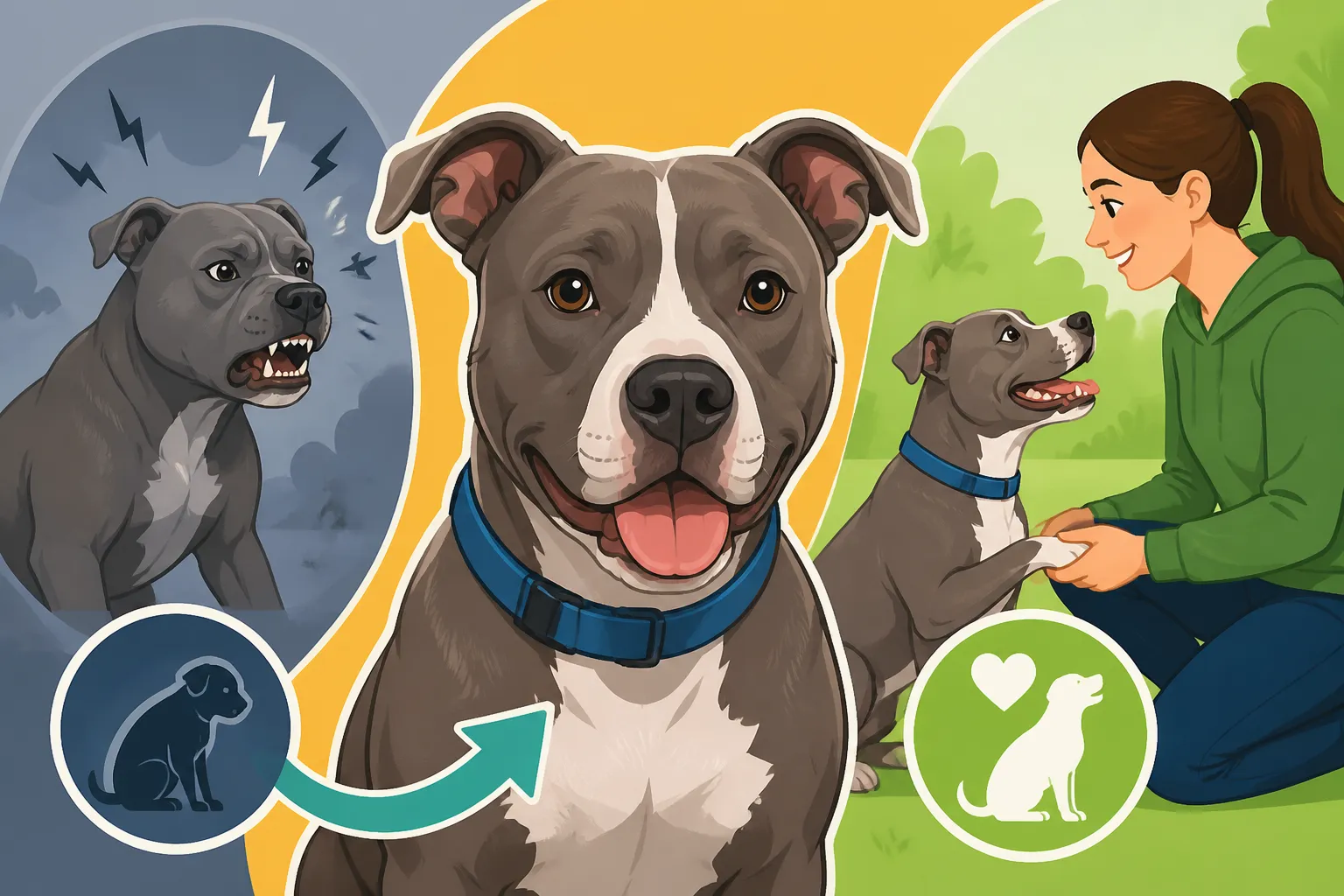
Whether an Older Rescue Pit Bull Can Be Retrained
Bringing an older rescue Pit Bull into your home can be an incredibly rewarding experience, but many new owners grapple with a nagging question: can an older dog truly unlearn old habits and embrace new behaviors? It's a valid concern, especially if your rescue comes with a history you don't fully know, or if they display some challenging behaviors. This comprehensive guide will walk you through why age is far less of a barrier than you might think, how to approach retraining an adult Pit Bull with empathy and strategy, and what to expect on your journey together.
Understanding the Older Rescue Pit Bull's Mindset
When you open your home to an older rescue Pit Bull, you're not just taking in a dog; you're welcoming a creature with a rich, albeit often unknown, past. That history, whether it was filled with neglect, inconsistent care, or simply a different set of rules, deeply influences their current behaviors and how they perceive the world around them. Understanding this isn't about making excuses, but about building a foundation of empathy and strategic training.
The Impact of Past Experiences on Learning
Imagine moving to a new country where everything is done differently – the language, the customs, even the way people greet each other. That's a bit like what an older rescue dog experiences. They've learned a whole set of rules, or perhaps no rules at all, in their previous environment. If they were crated for long hours, they might have developed anxiety around confinement. If they were never taught leash manners, pulling relentlessly might be their only known way to move forward. Perhaps they were punished for natural dog behaviors, leading to fear or a reluctance to try new things.
These past experiences aren't hardwired limitations; they're learned responses. A dog who growled because they were afraid of being touched while eating might have learned that growling creates distance. It's a survival mechanism, not an inherent flaw in their character. The good news is that what has been learned can be unlearned, and new, more desirable behaviors can be taught in their place. It simply requires patience, understanding, and a consistent, positive approach. You're essentially teaching them a new "language" and showing them that this new world you've created is safe, predictable, and rewarding.
Dispelling the "Old Dog, New Tricks" Myth
The phrase "you can't teach an old dog new tricks" is one of the most persistent and unhelpful myths out there, especially when it comes to adopting an adult dog. It suggests that once a dog reaches a certain age, their capacity for learning simply shuts down. Nothing could be further from the truth. Dogs, much like humans, are capable of learning throughout their entire lives. Their brains remain plastic, meaning they can form new neural pathways and adapt to new information and experiences.
What can be different with an older dog is their motivation and their learning style. A young puppy is often a sponge, soaking up everything with boundless energy. An older dog might be a bit more set in their ways, or they might learn at a slower, more deliberate pace. They might also be more sensitive to stress or discomfort, making gentle, positive methods even more crucial. Instead of thinking of it as "new tricks," consider it helping them develop new coping mechanisms, new ways to interact with their environment, and new ways to feel safe and happy in their forever home. Many older dogs are actually easier to train in some aspects because they have longer attention spans, are less prone to bursts of uncontrolled energy, and are often more eager to please once a bond of trust is established.
Assessing a Rescue Pit Bull's Baseline Behavior
Before you can effectively retrain an older Pit Bull, you need to understand where they are starting from. This isn't about judgment, but about observation and data collection. Spend the first few days, or even weeks, simply observing your dog in various situations. What triggers them? What makes them happy? What do they try to avoid?
Pay close attention to things like:
- Reactions to sounds: Do they startle easily at loud noises, or are they unbothered by common household sounds?
- Interactions with people: Are they eager to greet strangers, or do they retreat? Do they lean into pets or shy away?
- Leash behavior: Do they pull incessantly, lunge at other dogs, or walk calmly by your side?
- House manners: Do they try to counter surf, chew inappropriate items, or have accidents indoors?
- Comfort in a crate: Do they enter willingly, or do they show signs of distress?
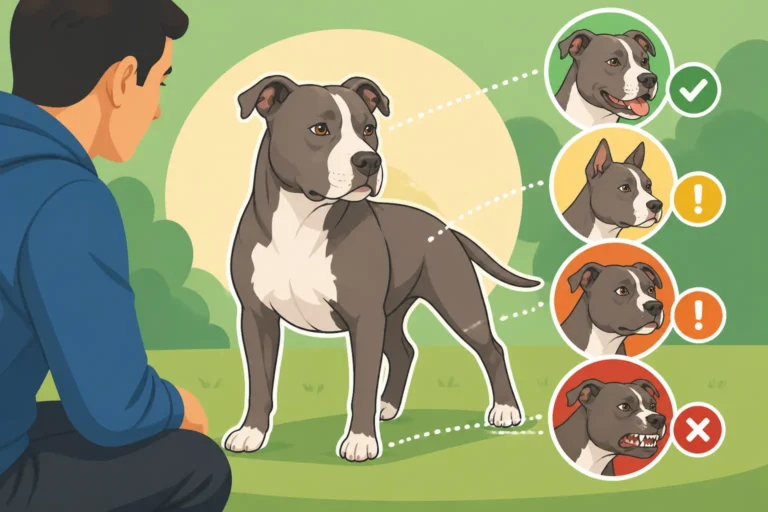
- Body language: Learn to read their cues – a tucked tail, flattened ears, yawning, lip licking, or a stiff posture can tell you a lot about how they're feeling.
Documenting these observations can help you prioritize your training goals and tailor your approach. For instance, if your Pit Bull is already house-trained but struggles on walks, you know where to focus your initial energy. If they seem generally anxious, building confidence might be your very first "trick." This initial assessment forms the roadmap for your training journey.
Foundations of Retraining an Adult Pit Bull
Retraining an older rescue Pit Bull isn't just about teaching commands; it's about building a relationship based on trust, mutual respect, and clear communication. Without these foundational elements, any specific training efforts will likely fall flat. Think of it as laying the groundwork for a sturdy house – you can't just jump to putting up the roof.
Building Trust and a Secure Environment
The very first step with any rescue, especially an older one, is to establish trust. Many rescue dogs have experienced instability, and your home needs to become their sanctuary, a place of safety and predictability. This means creating a routine, offering consistent positive interactions, and avoiding anything that might feel threatening or unpredictable to them.
- Predictable Routine: Dogs thrive on routine. Set regular times for feeding, potty breaks, walks, and playtime. This helps them understand what to expect and reduces anxiety. Knowing that breakfast always comes after the morning walk, for example, can be incredibly reassuring.
- Safe Spaces: Ensure your Pit Bull has a comfortable, quiet place that is solely theirs – perhaps a crate with a soft bed, or a cozy corner where they won't be disturbed. This den can be a haven when they feel overwhelmed or need to decompress. When introducing a crate, make it a positive experience with treats and comfort, rather than a place of punishment. Getting a Pit Bull to Choose Its Crate can be a great resource even for older dogs.
- Positive Associations: Every interaction should be as positive as possible. Offer treats and praise generously for calm behavior, for looking at you, or simply for existing peacefully in the same room. Avoid harsh corrections or punishment, which can erode trust and increase fear.
- Patient Introduction: Allow your Pit Bull to approach you on their own terms. Don't force interactions. Let them sniff you, come closer, and initiate contact. Building this kind of trust can take days, weeks, or even months, but it's invaluable.
Positive Reinforcement: The Key to Success
For an older rescue Pit Bull, especially one with an unknown past, positive reinforcement isn't just a training method; it's a way to heal and build confidence. It involves rewarding desired behaviors, making it more likely your dog will repeat them. This creates a positive feedback loop: dog performs desired action, dog gets reward, dog feels good, dog wants to perform action again.
- Identify High-Value Rewards: What motivates your Pit Bull? For some, it's tasty treats like cooked chicken or cheese. For others, it might be a favorite squeaky toy, a quick game of tug, or enthusiastic verbal praise. Figure out what makes your dog's eyes light up. High-Value Treats That Hold a Pit Bull's Focus will be essential here.
- Timing is Everything: Deliver the reward within 1-3 seconds of the desired behavior. This immediate feedback helps your dog connect their action with the positive outcome. If you wait too long, they won't understand what they're being rewarded for.
- Keep it Fun and Engaging: Training sessions should be short, frequent, and enjoyable for both of you. Aim for 5-10 minute sessions several times a day rather than one long, arduous session. This keeps your dog engaged and prevents them from becoming bored or frustrated.
- No Punishment: Avoid scolding, yelling, or physical corrections. These methods can create fear, damage trust, and suppress behaviors without teaching your dog what to do instead. They might stop the unwanted behavior in the moment, but they don't address the underlying cause and can lead to new behavioral problems.
- Mark the Behavior: Using a clicker or a consistent verbal marker like "Yes!" right at the moment your dog performs the desired action, followed immediately by a treat, can significantly speed up learning. This precision helps your dog understand exactly what they did right. BAXTER & Bella, for example, utilizes positive reinforcement methods in its online programs, which can be an excellent resource for structuring these lessons.
Consistency, Patience, and Realistic Expectations
Retraining an older rescue Pit Bull is a marathon, not a sprint. It requires immense consistency, unwavering patience, and a healthy dose of realistic expectations.
- Household Consistency: Everyone in the household needs to be on the same page regarding rules, commands, and rewards. If one person allows counter-surfing while another corrects it, your Pit Bull will become confused and learning will slow down significantly. Hold a family meeting to discuss training protocols.
- Patience Through Setbacks: There will be good days and bad days. Your dog might seem to "forget" something they learned the day before, or a past habit might resurface under stress. Don't get discouraged. Revisit the basics, shorten your training sessions, and remember that every small step forward is progress.
- Realistic Progress: Don't expect perfection overnight. Some behaviors might resolve quickly, while others could take months or even years of consistent effort. Celebrate small victories – a few steps without pulling on the leash, a calm greeting instead of a jump, choosing their bed over the sofa. Understand that true behavioral change is a gradual process. An older dog might have years of ingrained habits; it takes time to rewire those patterns.
Common Behaviors to Address in Older Rescues
Older rescue Pit Bulls often come with a variety of behaviors that need addressing, ranging from basic manners to more complex social issues. Approaching these systematically and with understanding is crucial for successful integration into your home.
Leash Manners and Impulse Control
One of the most common challenges with strong, athletic breeds like Pit Bulls, especially if they haven't had consistent training, is leash pulling. A 50-pound Pit Bull pulling with all their might can be difficult for anyone to manage, and it makes walks stressful rather than enjoyable.
- Loose Leash Walking: Start by rewarding every moment your Pit Bull's leash is slack. Even if it's just for a step or two, mark and reward it. Gradually increase the number of steps they need to take before earning a reward. If they pull, stop walking immediately. Only resume when the leash is loose again. This teaches them that pulling gets them nowhere, while a loose leash gets them where they want to go. Pit Bull Leash Pulling at Fifty Pounds is a great reference for this specific challenge.
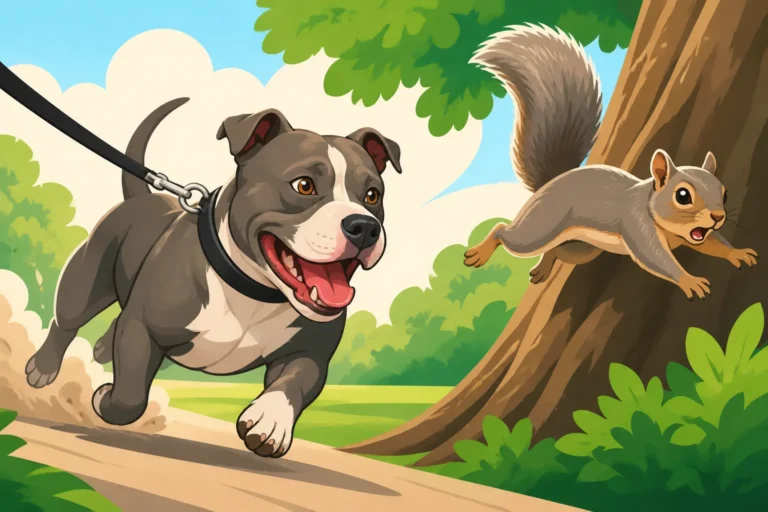
- Managing Reactivity: If your Pit Bull barks, lunges, or gets overly excited at the sight of other dogs, people, or squirrels, you're dealing with reactivity. This isn't usually aggression but an overreaction to a stimulus. The goal is to change their emotional response from negative (fear, frustration) to positive (calm, happy).
- Distance and Desensitization: Find a distance where your dog notices the trigger (e.g., another dog) but doesn't react. At this distance, reward them heavily for looking at the trigger calmly, then looking back at you. Gradually, as they get more comfortable, you can decrease the distance.
- Management Tools: A well-fitting front-clip harness or a head halter can give you much more control and reduce pulling without causing pain. Brands like Amazon offer a wide variety of these tools. Harnesses and Head Halters for a Pit Bull provides detailed information on selecting the right one.
- Impulse Control Exercises: Teaching "leave it" and "wait" are invaluable.
- "Leave It": Start with a low-value treat in your hand. Say "leave it" and cover the treat. When your dog disengages or looks away, praise and reward them with a different, higher-value treat. Gradually increase the challenge.
- "Wait": Practice this at doors, before meals, and before getting out of the car. It teaches them to pause and look to you for permission, building patience and self-control. Teaching a Pit Bull to Sit Before Every Door reinforces this concept of controlled entry and exit.
House Training and Crate Acclimation
Even if an older rescue Pit Bull was house-trained in a previous home, moving to a new environment can sometimes cause accidents. Changes in routine, new smells, or anxiety can all lead to temporary lapses. For dogs who were never fully house-trained, or those who spent a lot of time in kennels, you might be starting from scratch.
- Establish a Schedule: Take your Pit Bull out frequently, especially first thing in the morning, last thing at night, after meals, and after waking from naps. Always take them to the same designated potty spot.
- Reward Success: Lavishly praise and offer a high-value treat immediately after they potty outside. Make it the best thing that happens all day.
- Clean Accidents Thoroughly: Use an enzymatic cleaner to eliminate all traces of urine smell indoors. If the smell remains, it can encourage your dog to mark the same spot again.
- Crate Training as a Tool: A crate, when introduced properly, can be a wonderful aid for house training. Dogs instinctively don't want to soil their sleeping area. Ensure the crate is appropriately sized – just big enough for them to stand up, turn around, and lie down comfortably. Never use the crate as punishment. Feed meals in it, offer special toys, and make it a cozy retreat. Pit Bull Crate Training That Breaks Out can guide you on making the crate a positive space, even for dogs who might initially resist.
- Manage Access: Until your Pit Bull is reliably house-trained, keep them on a leash with you indoors, in their crate, or in a confined, easy-to-clean area. This prevents accidents and allows you to catch them in the act if they start to squat.
Addressing Reactivity and Dog Selectivity
Pit Bulls often carry an unfair stigma, but it's true that some can exhibit dog selectivity, meaning they may not be comfortable with or enjoy the company of all other dogs. This is different from general aggression and is often a nuanced trait. Some may prefer to be the only dog, while others do fine with certain carefully chosen companions.
- Understanding Dog Selectivity: What Dog Selectivity Means in a Pit Bull is an important concept to grasp. It means your dog might be fine with some dogs but not others, or they might simply prefer to ignore other dogs rather than interact. It's often not a sign of aggression, but rather a preference or a learned caution.
- Careful Introductions: If you have other dogs, introductions must be done slowly and carefully, preferably in a neutral territory with both dogs on leash. Watch body language closely for signs of tension or discomfort.
- Parallel Walks: Walking your Pit Bull parallel to another dog at a comfortable distance (where neither dog reacts negatively) can help them get used to the presence of other dogs without the pressure of direct interaction. Reward calm observation.
- Avoid Dog Parks: For many Pit Bulls, especially rescues with unknown histories or those showing dog selectivity, dog parks are not a safe or appropriate environment. The unpredictable nature of group play can be overwhelming and lead to conflicts.
- Controlled Socialization: Focus on one-on-one interactions with known, calm, and well-socialized dogs, if your Pit Bull shows willingness. Supervise all interactions closely.
- Redirecting Prey Drive: If your Pit Bull shows a strong prey drive towards smaller animals, such as cats or squirrels, management is key. Leash walks, secure fencing, and avoiding off-leash situations in unsafe areas are paramount. This is also Why No Pit Bull Should Be Left With a Child without supervision is a critical safety rule for any dog, regardless of breed, as even playful chasing can be misinterpreted or become too rough.
When to Seek Professional Guidance
While much can be achieved with consistent effort at home, there are times when the challenges with an older rescue Pit Bull warrant the expertise of a professional. Recognizing these moments is not a sign of failure but a responsible step towards ensuring your dog's well-being and your household's harmony.
Identifying When You Need Extra Help
You're a dedicated owner, trying your best, but sometimes you hit a wall. Here are some indicators that it might be time to bring in a professional dog trainer or behaviorist:
- Aggression Concerns: If your Pit Bull exhibits growling, snapping, lunging, or biting towards people or other animals, especially if it's escalating or unpredictable, professional intervention is critical. This is beyond what most owners can safely or effectively manage on their own.
- Severe Anxiety or Fear: Dogs with intense separation anxiety (destroying the house, self-harm when alone), severe phobias (thunderstorms, loud noises), or debilitating fear of people/places can benefit immensely from a behaviorist's structured approach, which might include medication alongside behavior modification.
- Deeply Ingrained Habits: Some behaviors, like chronic resource guarding (protecting food, toys, or people) or persistent destructive chewing that isn't mitigated by enrichment or exercise, may have deep roots and require a more specialized plan.
- Lack of Progress: You've been consistent, patient, and applied positive reinforcement for weeks or months, but you're simply not seeing the desired changes, or the problem is getting worse. A fresh, experienced perspective can identify roadblocks you might be missing.
- Safety Concerns: If you feel unsafe or unable to control your Pit Bull in certain situations, or if their behavior poses a risk to others (people, other pets), it's time for professional help. The Manners a Pit Bull Needs in Public are amplified when safety is a concern, and a trainer can help you achieve them.
- Complex Behavioral Combinations: When a dog presents with multiple challenging behaviors simultaneously (e.g., leash reactivity, separation anxiety, and house-soiling), a professional can help untangle the issues and prioritize a comprehensive training plan.
Finding the Right Professional for Your Pit Bull
Not all dog trainers are created equal, and finding the right fit for your Pit Bull is paramount, especially given their strength and the societal perceptions they face. Look for someone who is knowledgeable, ethical, and experienced with strong breeds.
- Look for Certifications and Experience: Seek out trainers certified by reputable organizations (e.g., CCPDT, KPA-CTP, IAABC). These certifications indicate a commitment to ethical, science-based training. Crucially, ask if they have specific experience working with Pit Bull type dogs and similar strong breeds.
- Emphasize Positive Reinforcement: Insist on a trainer who exclusively uses positive reinforcement, force-free methods. Avoid anyone who suggests aversive tools like prong collars, choke chains, or e-collars, or techniques that involve intimidation, fear, or physical punishment. These methods can damage your relationship with your rescue dog, suppress behavior without addressing the underlying cause, and potentially create new behavioral problems. Positive Reinforcement Training With a Pit Bull is the safest and most effective approach.
- Focus on Behavior, Not Just Obedience: While obedience is important, a good trainer for an older rescue Pit Bull will also address emotional states and underlying motivations for behavior. They should be able to help you understand why your dog is doing something, not just how to stop it.
- Observe a Session (If Possible): If you can, observe a training class or a one-on-one session with the trainer before committing. Watch how they interact with the dogs and owners. Do they create a calm, positive environment?
- Ask for References: Don't hesitate to ask for references from past clients, especially those with similar breeds or behavioral issues.
- Online Resources and Programs: For general obedience and foundational skills, online programs can be a great starting point, allowing you to learn at your own pace from home. BAXTER & Bella offers comprehensive online dog training programs that focus on positive reinforcement and cover a wide range of topics suitable for adult dogs. This can be a more accessible option for some owners, especially if local resources are limited. However, for serious behavioral issues, an in-person, individualized approach is usually best.
- Vet Consultation: If aggression or severe anxiety is present, your veterinarian can provide guidance and potentially recommend a veterinary behaviorist, who is a DVM with specialized training in animal behavior. They can diagnose and treat behavioral issues from a medical perspective, sometimes integrating medication with behavior modification plans. Vetting a Trainer Before Booking a Pit Bull is a detailed guide to help you make this important decision.
Retraining an older rescue Pit Bull is a journey of dedication, understanding, and love. While it may present unique challenges, the bond you forge and the transformation you witness will be profoundly rewarding. Remember, every dog deserves a chance to learn, grow, and thrive, regardless of their age or past.
Disclaimer
This article is for general informational purposes only and does not constitute professional advice. Laws, prices and regulations vary by location and change over time. Consult a qualified professional for guidance on your specific situation.