Consent Based Handling With a Pit Bull
It can be incredibly frustrating and disheartening when your beloved Pit Bull recoils from your touch, struggles during routine care, or shows anxiety at the vet. You want to provide the best care, but their discomfort can make even simple tasks feel like a battle. This guide will walk you through the compassionate, trust-building approach of consent-based handling, helping you foster a deeper bond with your Pit Bull and make every interaction a positive one.
Understanding Consent-Based Handling for Your Pit Bull
When we talk about "consent" with our dogs, it’s not about them signing a legal document or verbally agreeing to something. It’s about giving them a voice, respecting their comfort levels, and allowing them to communicate whether they are okay with what we're about to do. For a Pit Bull, a dog often subject to unfair stereotypes and scrutiny, building this foundation of trust is not just kind – it's crucial for their well-being and your relationship.
What "Consent" Really Means for a Dog
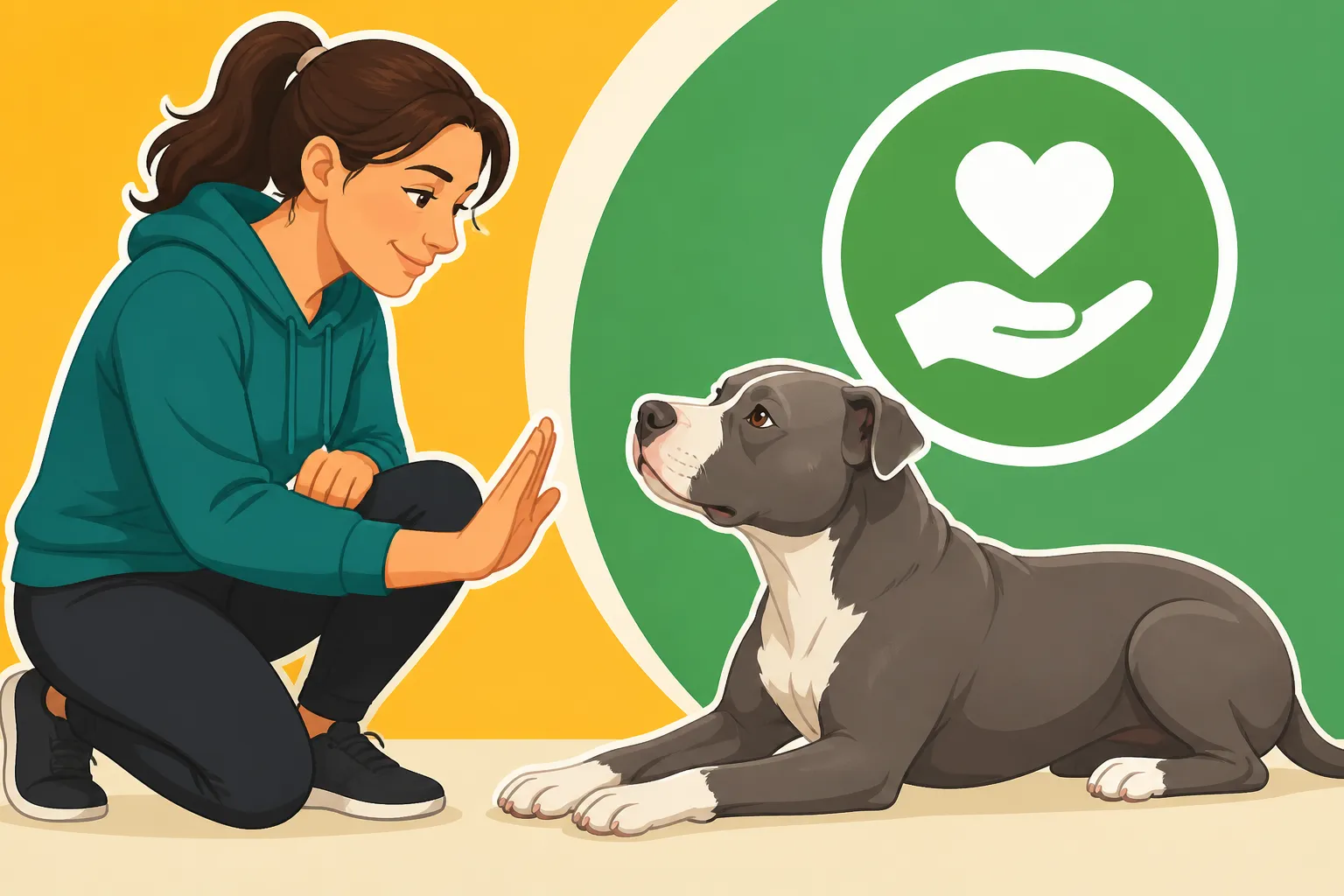
For dogs, consent is a subtle dance of body language and observation. It’s about offering your dog a choice and then paying close attention to their response. Imagine you're about to brush your Pit Bull. Instead of just grabbing the brush and starting, you present the brush, gently touch their shoulder, and wait. Do they lean into the touch? Do they offer a relaxed sigh? Or do they lean away, tense up, or flick their tongue out nervously? These are their ways of saying "yes" or "no." A "yes" means they're comfortable and you can proceed; a "no" means you need to stop, reassess, and perhaps try a different approach or at a different time. It’s about building a reciprocal conversation, rather than a unilateral imposition. This constant dialogue helps your dog feel safe and respected.
Why Pit Bulls Benefit So Much
Pit Bulls, with their often powerful builds and strong personalities, are unfortunately often perceived through a lens of fear or aggression, even when they are the sweetest, most gentle souls. This societal pressure means that, as owners, we often feel the need to ensure their behavior is impeccable, sometimes pushing for compliance over comfort. However, forcing interactions can chip away at their trust and, in extreme cases, lead to defensiveness. Consent-based handling is an incredibly powerful tool for these dogs because it empowers them. It teaches them that they have agency and that their discomfort will be acknowledged and respected. This dramatically reduces stress and anxiety around handling, grooming, and vet visits, which in turn can prevent fear-based reactions. When you allow a Pit Bull to say "no" to an interaction, you're not letting them "get away" with something; you're actively building a deeper, more resilient bond based on mutual respect and understanding. This approach fosters a cooperative spirit and can be especially helpful in situations where a Pit Bull might already be under undue scrutiny, ensuring they are Training a Pit Bull to a Higher Standard Than Other Dogs.
Practical Steps for Building Consent in Daily Interactions
Implementing consent-based handling might sound complicated, but it's really about slowing down, observing, and communicating clearly. It's a shift in mindset that will transform your daily routines. The goal is to make every interaction a choice, minimizing stress and maximizing cooperation.
The "Ask-and-Wait" Method
This is the cornerstone of consent-based handling. Before you initiate any physical interaction, whether it's putting on a harness, wiping their paws, or even just giving a hug, you "ask" for permission and then "wait" for their response.
Here’s how it works:
- Present the object or intention: Hold the brush, show them the towel, or simply extend your hand towards the area you want to touch (e.g., their ear).
- Make a small, non-threatening movement: For example, lightly touch your hand to their shoulder, or briefly touch the brush to their back.
- Wait and observe: Give them a few seconds to respond. Look for clear "yes" signals (leaning in, relaxed posture, soft eyes, gentle nudge) or "no" signals (leaning away, head turn, lip lick, yawning, stiff body, averting gaze).
- Respect the answer:
- "Yes": If they show a positive signal, proceed with the task for a very brief period (a few seconds) and then stop. Immediately reward them with a treat and praise.
- "No": If they show a negative signal, immediately stop what you're doing, move away, and give them space. Do not try to push through. You can try again later, perhaps with a different approach or in a different environment, or break the task down into even smaller steps.
For example, when Teaching a Pit Bull to Tolerate Ear Cleaning, you might just present the ear cleaner first. If they stay relaxed, you reward. Next step: touch the bottle to their ear. Reward. Build up gradually. You'll find a wealth of specific tools and training aids on sites like Amazon that can support this process, from calming treats to specialized grooming gloves that can feel less intrusive than a traditional brush.
Reading Your Pit Bull's Body Language
Mastering consent-based handling hinges on your ability to accurately interpret your Pit Bull's subtle cues. They communicate constantly, but we often miss the whispers before they have to shout.
- "Yes" Signals (Relaxed & Receptive):
- Soft eyes: Almond-shaped, relaxed, no whale eye (white visible at edges).
- Loose body: Relaxed posture, not stiff or tense.
- Leaning in: Moving towards you, perhaps nudging your hand.
- Tail at a neutral height, gently wagging: Not tucked or stiffly high.
- Soft mouth/tongue flick: A gentle, slow tongue flick can indicate calm.
- Orienting towards you: Looking at you expectantly, perhaps with a slight head tilt.
- "No" Signals (Uncomfortable & Non-Consenting):
- Lip licking: Quick, often subtle, when no food is present.
- Yawning: When not tired.
- Head turn/averting gaze: Turning their head away from the interaction.
- Freezing/stiffening: Becoming still and rigid.
- Whale eye: Eyes wide, showing the whites.
- Flattened ears: Pinned back against the head.
- Low body posture/crouching: Trying to make themselves smaller.
- Moving away/backing up: Physically creating distance.
- Growling/Snapping: These are very clear "no" signals and mean you've likely missed earlier, more subtle cues.
Understanding these signals is not just for grooming; it’s fundamental to all your interactions. For instance, if your Pit Bull tends to start Pit Bull Paw Licking and Chewing, you'll notice these subtle "no" signals when you try to examine their paws if they're not comfortable. A great resource like BAXTER & Bella can also provide valuable insights into canine body language, helping you learn to read your dog more effectively and respond to their needs.
Tools and Aids for a Positive Experience
Sometimes, even with the best intentions, our Pit Bull might still be hesitant. This is where strategic use of tools and environmental management comes in.
- High-Value Treats: These are non-negotiable. Find what your Pit Bull absolutely loves – cheese, boiled chicken, liverwurst – and reserve it only for handling sessions. The positive association with these treats makes the experience more desirable.
- Calming Aids: Consider diffusers, calming chews, or wraps like a Thundershirt, especially for situations like vet visits. These can help reduce overall anxiety, making your dog more receptive to handling. Always consult your vet before introducing new supplements.
- Comfortable Grooming Tools: Invest in brushes that are gentle on their skin, especially if your Pit Bull has Pit Bull Skin Allergies and the Atopy Pattern. A soft rubber curry brush or a shedding blade designed for short coats might be more agreeable than a stiff bristle brush. You can find a wide range of these on Amazon.
- Non-Slip Mats: For baths or vet exams, a non-slip mat provides stability and security, making your dog feel less vulnerable on slick surfaces.
- Appropriate Leashes and Harnesses: A well-fitting, comfortable harness can make a huge difference in their overall comfort and willingness to be handled, especially during walks or when preparing for an outing.
By proactively setting up their environment for success and using tools that ease their anxiety, you make it much easier for your Pit Bull to offer a "yes" to your handling requests.
Applying Consent to Specific Challenging Scenarios
Some scenarios naturally present more challenges for consent-based handling than others. Vet visits, grooming for skin issues, and even resource management can all be made smoother by applying these principles. It's about breaking down potentially intimidating situations into manageable, positive interactions.
Vet Visits and Medical Procedures
A visit to the vet can be a major source of stress for many dogs, and Pit Bulls are no exception. The unfamiliar environment, strange smells, other anxious animals, and intrusive handling can be overwhelming. Consent-based handling here involves preparing your Pit Bull before the visit and working cooperatively with your veterinary team.
Start by making your Pit Bull comfortable with handling that mimics a vet exam at home. Practice gently touching their paws, opening their mouth, lifting their tail, and feeling around their body. Use the "ask-and-wait" method, rewarding every moment of cooperation. Take your Pit Bull to the vet's office just for positive visits – a quick weigh-in, a treat from the receptionist, then go home. No pokes, no prods, just good experiences. Many clinics are understanding and willing to work with owners on this. When a procedure is necessary, discuss with your vet how to minimize stress. Can they examine your dog on the floor instead of a cold exam table? Can you use high-value treats constantly throughout the exam? In some cases, mild sedation or anti-anxiety medication prescribed by your vet can be a game-changer, allowing your dog to be handled with less fear. Remember, Finding a Vet Comfortable With Pit Bulls is half the battle; the other half is working together on low-stress handling techniques.
Grooming and Handling for Skin Issues
Pit Bulls are prone to various skin conditions, from allergies to infections, which often necessitate frequent or uncomfortable handling like medicated baths or topical treatments. This can be a huge source of contention if your dog isn't comfortable with being touched in sensitive areas.
- Start Slow: If your Pit Bull needs Medicated Baths for a Pit Bull With Atopy, don't just shove them into the tub. Start by making the bathroom a positive place with treats. Then introduce the tub with no water, just treats. Gradually add water, then shampoo, always using the "ask-and-wait" method. Reward for standing in the tub, for getting wet, for tolerating a small amount of shampoo.
- Desensitize Sensitive Areas: If a specific spot is itchy or painful, avoid directly grabbing it. Instead, gently stroke areas around it, gradually moving closer. Use positive reinforcement the entire time. If they pull away, stop immediately.
- Positive Associations with Products: Let your Pit Bull sniff the medicated shampoo bottle or the topical cream tube. Put a tiny dab on your hand and let them lick it off if it’s safe. The goal is to create a positive association with the items themselves before they even touch their skin. This might sound tedious, but it builds a foundation of trust that makes future treatments much easier and less stressful for everyone involved.
Building Trust Around Resources
While consent-based handling primarily focuses on physical touch and interaction, its principles extend to other areas of your Pit Bull's life, including resource guarding. By respecting their boundaries around their food, toys, or resting spots, you build overall trust, which can indirectly make them more accepting of handling in general. A dog that feels secure in its possessions is often more secure in itself.
For example, instead of just taking a toy away, teach a "trade" command where you offer a higher-value item in exchange for the one they have. Always give them space while they eat. If you need to approach their bowl, ask them to "wait" a small distance away, place your treat, and then allow them to return. This shows them that your approach means good things happen, rather than something being taken away. This can prevent issues like Pit Bull Food Bowl Guarding and fosters a sense of safety and predictability.
Long-Term Benefits and Overcoming Challenges
Adopting consent-based handling is a journey, not a destination. There will be days when your Pit Bull is more receptive and days when they're less so. The key is consistency, patience, and a deep commitment to understanding and respecting your dog's voice.
A Stronger Bond and Reduced Stress
The most significant benefit of consent-based handling is the profound strengthening of the bond between you and your Pit Bull. When your dog knows their boundaries are respected, they learn to trust you implicitly. This trust means they are less likely to resort to fear-based behaviors because they know you will listen to their "no."
Imagine a Pit Bull who eagerly comes when you call for grooming because they associate it with positive, respectful interactions, rather than resisting because they anticipate being forced. This reduces stress for both of you, making daily care tasks a calm, cooperative routine instead of a source of anxiety. It also translates into a happier, more confident dog who is better equipped to handle novel situations because they have a secure base of trust with their human. This approach makes your Pit Bull feel seen and heard, fostering a partnership rather than a command-and-obey relationship. When you actively demonstrate that you hear their subtle cues, it cements a level of trust that allows them to truly relax and feel safe in your care.
Addressing Misconceptions and Setbacks
One common misconception about consent-based handling is that it means your dog gets to "run the show" or that you lose control. This couldn't be further from the truth. It's not about relinquishing leadership; it's about leading with respect and communication. You are still the one setting the boundaries and guiding the interaction, but you're doing so in a way that prioritizes your dog's emotional well-being and autonomy.
- It’s Not Always a "No": Sometimes, a "no" isn't a permanent refusal, but a request for a different approach or a break. Perhaps the brush is too harsh, or they're just not in the mood right now. It's about finding the "yes" by adjusting your method or timing.
- Consistency is Key: Like any training, consent-based handling requires consistency. If you sometimes force an interaction, you'll undermine all the trust you've built. Everyone in the household needs to be on board.
- Seek Professional Guidance: If you're struggling to read your Pit Bull's cues or they're consistently showing extreme "no" signals, don't hesitate to consult a certified professional dog trainer or behaviorist who specializes in positive reinforcement and force-free methods. They can offer tailored advice and help you troubleshoot specific challenges. Organizations like BAXTER & Bella also provide valuable online resources and support that can guide you through these learning curves.
- Patience, Always: Changing ingrained habits (for both you and your dog) takes time. Celebrate the small victories, learn from the setbacks, and remember that every moment you choose to respect your Pit Bull's consent builds a stronger, happier relationship. Remember that Why Harsh Handling Backfires on a Pit Bull and can erode trust quickly, so patience and positive reinforcement are always your best tools.
| Body Language Cue | "Yes" (Consent) | "No" (Non-Consent) |
|---|---|---|
| Eyes | Soft, relaxed, blinking slowly | Wide ("whale eye"), staring, hard |
| Mouth | Soft, closed or slightly open, relaxed | Tight lips, lip lick, yawning, tense |
| Ears | Neutral, relaxed | Pinned back, stiffly forward |
| Head | Neutral, may lean in | Turns away, drops head, avoids gaze |
| Body Posture | Loose, relaxed, may lean into touch | Stiffens, freezes, shifts weight away |
| Tail | Neutral height, loose, gentle wag | Tucked, stiff, frantic wag, held low |
| Movement | Approaches, leans in, stays | Moves away, backs up, shakes off, hides |
Disclaimer
This article is for general informational purposes only and does not constitute professional advice. Laws, prices and regulations vary by location and change over time. Consult a qualified professional for guidance on your specific situation.