Cleaning a Pit Bull’s Ears Weekly
One of the most common frustrations for Pit Bull owners is dealing with persistent ear issues. Our strong, loyal companions often have ears that are magnets for dirt, moisture, and allergens, leading to uncomfortable and sometimes painful infections. This comprehensive guide is here to empower you with a weekly ear cleaning routine that not only keeps those ears healthy but also strengthens the bond you share with your beloved Pit Bull.
Why Weekly Ear Cleaning is Non-Negotiable for Pit Bulls
Let's face it, nobody wants to see their Pit Bull constantly shaking their head, scratching at their ears, or wincing when you try to give them a gentle rub. For many of us, ear problems can feel like a never-ending battle, draining our wallets at the vet and causing our dogs unnecessary discomfort. The truth is, weekly ear cleaning isn't just a nice-to-have; it's a vital part of preventative care that can save you and your dog a lot of heartache down the road.
The Pit Bull Ear: Structure and Predisposition to Issues
Pit Bulls, whether they have those adorable floppy ears or more upright, cropped ears, often have ear canals that are prime real estate for problems to develop. Dogs with natural, pendulous (floppy) ears, like many Pit Bulls, create a warm, moist environment that's perfect for bacteria and yeast to thrive. The ear flap can block air circulation, trapping moisture from baths, swims, or even just humidity in the air. This lack of ventilation means any debris, dirt, or wax that gets in tends to stay in, slowly building up and creating a fertile ground for trouble.
Even Pit Bulls with cropped ears aren't entirely immune, although they typically get better airflow. However, the skin and anatomy within the ear canal itself remain largely the same, and those powerful Pit Bull jaws often mean they love to chew, dig, and roll, introducing all sorts of foreign invaders into their ears. Plus, many Pit Bulls have underlying sensitivities or allergies that make their ears particularly prone to inflammation, regardless of ear shape. Understanding this predisposition is the first step to staying ahead of the game.
Common Ear Problems Prevented by Routine Cleaning
Without a regular cleaning routine, that warm, moist, debris-filled environment quickly becomes a breeding ground for infections. The most common culprits are yeast (often identified by a brownish, waxy discharge and a distinctive sweet or "yeasty" smell) and bacteria (which might present with a yellow or green pus-like discharge, redness, and a stronger, foul odor). These aren't just minor irritations; they can be incredibly painful for your dog, causing severe itching, swelling, and even leading to hematomas from excessive head shaking. You can learn more about these issues in Pit Bull Ear Infections and What Drives Them.
Beyond infections, regular cleaning helps remove ear mites, which can cause intense itching and a dark, crumbly discharge resembling coffee grounds. It also prevents the build-up of excessive wax and dirt, which can block the ear canal, reduce hearing, and simply make your dog feel generally uncomfortable. By being proactive with weekly cleaning, you're not just scrubbing ears; you're actively safeguarding your Pit Bull against a host of painful and preventable conditions, ensuring they stay happy and healthy.
Gathering Your Pit Bull Ear Cleaning Arsenal
Before you even think about touching your Pit Bull's ears, it’s crucial to have all your supplies ready and within arm's reach. Rushing around to find things in the middle of a cleaning session can stress both you and your dog out, making the whole experience much more difficult. Think of it like preparing for a mini spa day for your pup – you want everything calm, accessible, and positive.
Choosing the Right Ear Cleaner
Selecting the right ear cleaner is paramount. You can't just use water or harsh chemicals, as these can do more harm than good, either failing to clean effectively or irritating delicate ear tissue. Always opt for a veterinary-approved, pH-balanced ear cleaning solution specifically designed for dogs. These often contain gentle drying agents to combat moisture, as well as ingredients that help break down wax and reduce microbial growth. Some even include soothing components like aloe or witch hazel to calm irritated skin.
When you're shopping, look for terms like "antiseptic," "drying," or "wax-dissolving" on the label. Many excellent options are readily available from online retailers like Chewy or Amazon, making it convenient to stock up. If your Pit Bull is prone to allergies or recurrent infections, your vet might recommend a specific medicated cleaner, so it's always a good idea to consult them first, especially if you're unsure. For more on specific solutions, check out Which Ear Solutions Suit an Allergic Pit Bull. Avoid anything with alcohol unless specifically recommended by your vet, as it can be too harsh for sensitive ears.
Essential Tools for a Smooth Process
Beyond the cleaner itself, you’ll need a few other simple tools to make the cleaning process as smooth and safe as possible.
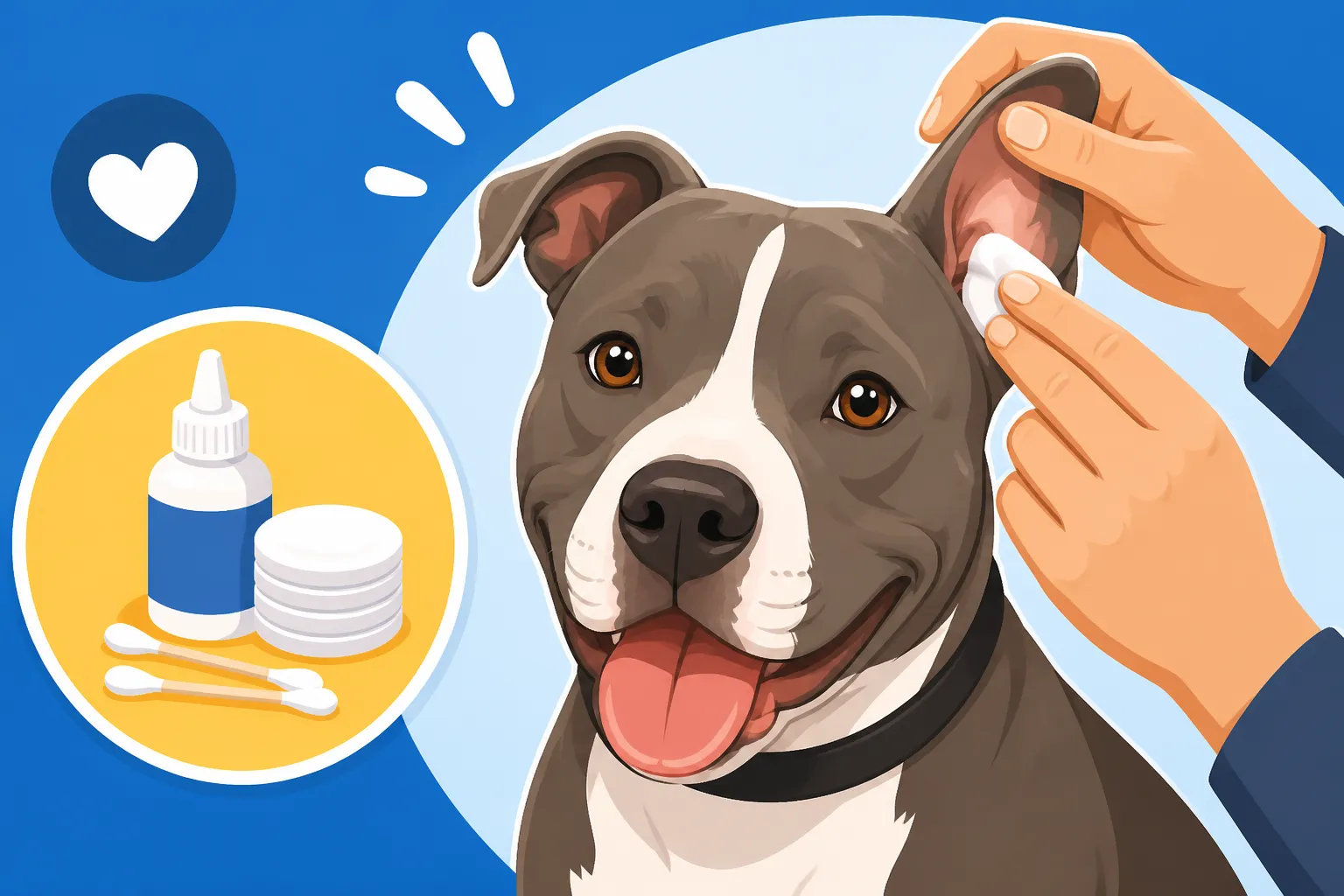
- Cotton Balls or Gauze Pads: These are your primary cleaning instruments. They are soft, absorbent, and won't scratch the delicate inner ear. Never use cotton swabs (Q-tips) down into the ear canal. Q-tips can push debris further into the ear, compact wax, or even damage the eardrum.
- Towels: Keep a few old towels handy. Ear cleaning can be a bit messy, especially if your Pit Bull decides to shake their head mid-clean. A towel can protect your clothes, furniture, and quickly catch any splatters.
- High-Value Treats: These are absolutely critical for positive reinforcement! Have a generous supply of your Pit Bull's favorite treats ready. These will help create a positive association with ear cleaning, turning a potentially stressful experience into something they tolerate, or even look forward to.
- Gloves (Optional): If you're squeamish about ear gunk or have sensitive skin, latex or nitrile gloves can be a good idea, especially if there's an active infection with discharge.
Having these items prepared before you start means you can focus entirely on your dog and the task at hand, making the experience more efficient and less stressful for everyone involved.
Step-by-Step Guide to a Stress-Free Ear Cleaning
Successfully cleaning your Pit Bull’s ears requires patience and a gentle touch. It's not just about getting the gunk out; it's about making the experience as calm and positive as possible, so it doesn't become a dreaded weekly wrestling match. Remember, consistency and positive reinforcement are your best friends here.
Setting the Stage: Preparation and Positive Association
The first rule of ear cleaning is preparation. Choose a quiet, well-lit area where both you and your Pit Bull can be comfortable. A bathroom or kitchen with easy-to-clean surfaces is often ideal. Lay down a towel to catch any drips and protect your floor or furniture. Make sure all your supplies – cleaner, cotton balls, towels, and most importantly, treats – are within arm's reach. You don't want to leave your dog mid-process to fetch something.
Before you even open the ear cleaner, take a moment to engage with your Pit Bull positively. Pet them, offer a treat, and gently touch their ears. The goal is to create a calm, reassuring atmosphere. For dogs who are particularly anxious about ear handling, start with very short sessions. Just touch an ear, give a treat. Gradually increase the duration until they're comfortable with you manipulating their ear flap. Consistency with this positive association is key, especially if you have a sensitive Pit Bull. More tips on this can be found in Teaching a Pit Bull to Tolerate Ear Cleaning.
The Cleaning Process: Gentle Yet Effective
Once your Pit Bull is calm and you’re ready, gently lift their ear flap to expose the inner ear. If there's a lot of hair, you might need to hold it back slightly.
- Administer the Cleaner: Hold the ear flap up and carefully squirt the ear cleaning solution directly into the ear canal. Don’t be shy; you want to fill the canal. Most Pit Bulls will react to this by shaking their head, which is why having a towel ready is so helpful!
- Massage the Base: Gently massage the base of the ear, right where it meets the head, for about 20-30 seconds. You should hear a squishing sound as the liquid moves around and breaks up wax and debris deep inside the canal. This massaging action is crucial for dislodging all that hidden gunk.
- Allow the Head Shake: Let your Pit Bull shake their head. This helps to bring the dissolved debris and excess solution out of the deeper parts of the ear canal. Again, be ready with that towel!
- Wipe the Visible Areas: Take a fresh cotton ball or gauze pad and gently wipe away all the loosened debris and excess cleaner from the visible parts of the outer ear and the entrance to the ear canal. Use a new cotton ball for each wipe until no more debris comes out. Remember, only wipe what you can see. Do not probe deep into the ear canal with anything.
While you're cleaning, take note of any strong odors, excessive redness, swelling, or unusual discharge. These are all indicators that something more serious might be going on, and a vet visit might be warranted.
Drying and Rewarding: The Crucial Final Steps
After you’ve thoroughly wiped out the visible gunk, it's absolutely vital to ensure the ear canal is as dry as possible. Any lingering moisture can quickly undo all your hard work by creating another perfect breeding ground for bacteria and yeast. Use dry cotton balls or fresh gauze pads to gently blot and absorb any remaining liquid from the outer ear and the entrance of the canal. Again, avoid pushing anything deep inside. Just focus on what you can easily reach and see.
Once the ear is dry, it’s time for the ultimate reward! Shower your Pit Bull with praise, enthusiastic petting, and those high-value treats you had ready. Make it a celebration! This positive reinforcement is what teaches your dog that ear cleaning isn't something to fear, but rather an experience that ends with good things. If they associate the process with yummy treats and affection, they'll be much more cooperative for future cleanings. Remember, a happy Pit Bull makes for a happy owner, and a well-managed ear routine will keep those ears healthy and itch-free. For tips on dealing with moisture, especially after swimming, consider reading Drying a Pit Bull Ear After Swimming.
What to Look For: Red Flags During Ear Checks
While weekly ear cleaning is a fantastic preventative measure, it also gives you a prime opportunity to inspect your Pit Bull's ears for any signs of trouble brewing. Catching problems early can make a huge difference in treatment success and your dog's comfort. Don't just clean blindly; take a moment to observe, smell, and feel.
Recognizing Signs of Infection or Irritation
During your weekly cleaning, pay close attention to what you see, smell, and feel.
- Redness or Swelling: The skin inside a healthy ear should be a pale pink, much like the inside of your own mouth. If you notice any redness or swelling, particularly around the ear canal opening or the ear flap itself, it's a sign of inflammation. This could be due to allergies, an infection, or even irritation from something external.
- Foul Odor: A healthy ear should have minimal odor. If you detect a strong, unpleasant smell – often described as sweet (yeast), pungent, or putrid (bacterial) – it's a huge red flag indicating a likely infection. Trust your nose on this one!
- Unusual Discharge: Look for any discharge that isn't just a small amount of normal, light brown wax. Yellow or green discharge often points to a bacterial infection, while a dark brown, waxy, or crumbly discharge can signal yeast or ear mites.
- Behavioral Cues: Your Pit Bull's behavior can tell you a lot. Are they shaking their head more than usual? Pawing or scratching at their ears excessively? Rubbing their head along the carpet or furniture? Do they wince or pull away when you try to touch their ear? These are all signs of discomfort and pain. These signs are particularly important when it comes to recurring issues, as discussed in Pit Bull Ear Infections Every Few Months.
If you notice any combination of these signs, don't just keep cleaning; it's time to take action.
When to Call the Vet
Knowing when to transition from home care to professional veterinary attention is crucial. While regular cleaning can prevent many issues, some problems simply require medical intervention.
- Persistent Symptoms: If you've been consistently cleaning their ears weekly and still notice redness, odor, or discharge, or if their behavioral signs of discomfort don't improve within a day or two, it’s definitely time to schedule a vet appointment. Home cleaning won't clear up an established infection.
- Pain or Aggression: If your Pit Bull is in obvious pain, cries out when their ear is touched, or even becomes defensive or aggressive when you approach their head, stop trying to clean and get them to the vet immediately. They might have a severe infection, a foreign object lodged deep inside, or even a ruptured eardrum, all of which require urgent professional care.
- Lethargy or General Sickness: Sometimes, a severe ear infection can cause systemic symptoms like lethargy, loss of appetite, or fever. If your Pit Bull seems generally unwell in addition to ear issues, it's a clear signal for immediate veterinary attention.
- Visible Trauma or Foreign Objects: If you see any signs of physical injury, like a cut, swelling, or a foreign object (like a grass awn) visible in the ear, do not attempt to remove it yourself. This could cause further damage. A vet can safely examine and treat these issues.
Remember, your vet has specialized tools and knowledge to properly diagnose and treat ear conditions that go beyond routine cleaning. Don't hesitate to reach out to them when in doubt; it's always better to be safe than sorry when it comes to your Pit Bull's health.
Troubleshooting Common Ear Cleaning Challenges
Even with the best intentions and the perfect supplies, ear cleaning can sometimes feel like an uphill battle. Some Pit Bulls are naturally more sensitive, or they might have had a bad experience in the past, making them reluctant to cooperate. Don't get discouraged! There are strategies you can employ to make the process easier for both of you.
Dealing with a Reluctant Pit Bull
It’s completely normal for a strong-willed Pit Bull to resist something they find uncomfortable or scary. If your dog turns into a wriggly mess or actively tries to get away, you might need to adjust your approach. First, consider where you're doing the cleaning. A slippery floor might make them feel insecure. Try placing a non-slip mat or a thick towel down. If they're a smaller Pit Bull, a raised surface like a sturdy table might give you better leverage, but always ensure it’s safe and secure, with another person to assist if needed.
For genuinely reluctant dogs, you'll need to go back to basics with desensitization and counter-conditioning. Start by just touching their ear flap for a second, then immediately reward with a high-value treat and praise. Repeat this many times over several days, gradually increasing the duration of the touch. Then move to lifting the ear flap, then briefly touching the opening of the ear canal, always rewarding. Build up to introducing the cleaner, perhaps just letting them sniff the bottle, then rewarding. The goal is to make every step a positive experience. Keep sessions short and end on a good note. If you're struggling, consider enlisting the help of a trusted friend or family member to hold your Pit Bull gently while you clean. For more in-depth guidance on gentle handling, refer to Consent Based Handling With a Pit Bull.
Overcoming Fear and Anxiety
If your Pit Bull displays significant fear or anxiety – panting, trembling, cowering, or trying desperately to hide – it's crucial to approach the situation with immense patience and empathy. Forcing the issue will only exacerbate their fear and make future cleanings impossible. Their fear likely stems from a negative association, perhaps from a painful ear infection that was treated, or simply from being uncomfortable with the sensation of liquid in their ears.
Break down the ear cleaning process into tiny, manageable steps, and use copious amounts of their absolute favorite treats. For example, on day one, just show them the bottle of ear cleaner and give a treat. Day two, touch the bottle to their ear, treat. Day three, lift their ear flap, treat. And so on. You might spend a week or even longer just on desensitization before you even introduce the liquid. Consider using calming aids like a Thundershirt, a calming pheromone spray, or even playing soothing music during these sessions. Consistency is key; make these short, positive interactions a regular part of your daily routine, not just a weekly "attack" on their ears. With enough patience and positive reinforcement, you can gradually help your Pit Bull overcome their fear and learn that ear cleaning is a safe and rewarding experience.
Integrating Ear Care into a Broader Wellness Routine
Ear care for your Pit Bull isn't an isolated chore; it's intricately linked to their overall health and well-being. By viewing ear cleaning as one piece of a larger wellness puzzle, you can gain a deeper understanding of why these issues might arise and how to prevent them more effectively.
The Link Between Allergies and Ear Health
For many Pit Bulls, chronic ear infections are not just a standalone problem but a symptom of an underlying allergy. Whether it's environmental allergies (atopy) to pollen, dust mites, or molds, or food allergies to certain ingredients, the ears are often one of the first places these sensitivities manifest. When an allergen triggers an immune response, it causes inflammation throughout the skin, including the delicate lining of the ear canal. This inflammation leads to redness, itching, and increased production of wax and oil, creating the perfect warm, moist, nutrient-rich environment for secondary yeast and bacterial infections to take hold. You can find more detail on this in Whether Allergies Cause Pit Bull Ear Infections and Pit Bull Skin Allergies and the Atopy Pattern.
If your Pit Bull suffers from recurrent ear infections despite consistent cleaning, it's a strong indicator that you need to investigate potential allergies with your veterinarian. Managing these allergies, whether through diet changes, medications, or environmental controls, can significantly reduce the frequency and severity of ear problems. This holistic approach means addressing the root cause, not just the symptoms, and can lead to a much happier, healthier Pit Bull with clearer ears.
Broader Grooming Practices for Overall Well-being
Weekly ear cleaning should be a natural extension of your Pit Bull's regular grooming routine. When you're cleaning their ears, you're already in a prime position to perform other quick health checks and grooming tasks.
- Regular Baths: Consistent bathing with a gentle, appropriate shampoo helps manage skin allergens and remove dirt from the coat, reducing the overall allergen load that might migrate to the ears. This is especially important for Pit Bulls with allergies.
- Paw Care: Many allergic Pit Bulls will chew and lick their paws constantly. Cleaning paws after outdoor excursions can reduce exposure to environmental allergens, and keeping nails trimmed prevents self-trauma from scratching itchy ears.
- Dental Health: While seemingly unrelated, poor dental hygiene can sometimes contribute to overall inflammation in the head and neck region. Regular dental care, whether through brushing or dental chews, contributes to overall systemic health.
- Full Body Checks: During any grooming session, make it a habit to quickly run your hands over your Pit Bull's entire body. Feel for any new lumps, bumps, skin irritations, or changes in coat texture. This vigilance allows you to catch other potential health issues early, beyond just ear problems.
By integrating ear cleaning into a comprehensive grooming schedule, you're not just maintaining hygiene; you're performing a weekly wellness check that keeps you attuned to your Pit Bull's physical state. This proactive approach ensures minor issues don't become major problems, allowing your powerful companion to live their best, most comfortable life. For a general overview of coat and skin care, check out Pit Bull Coat and Skin Care Week to Week.
Here’s a quick checklist to help you stay on track with your Pit Bull’s ear care:
| Task | Frequency | Notes |
|---|---|---|
| Gather Supplies | Weekly | Ensure cleaner, cotton balls, towels, and treats are ready. |
| Positive Association & Desensitization | Daily | Gentle ear touches and treats, especially for reluctant dogs, building up to full clean. |
| Clean Outer Ear & Canal Entrance | Weekly | Apply cleaner, massage, allow head shake, wipe visible gunk. Never use Q-tips in the canal. |
| Dry Ears Thoroughly | Weekly | Use dry cotton balls to absorb all visible moisture from the outer ear and entrance. |
| Reward and Praise | Weekly | End every session with high-value treats and enthusiastic praise. |
| Check for Red Flags | Weekly | Look for redness, swelling, unusual odor, or discharge. Note any head shaking or scratching. |
| Consult Vet | As needed | If symptoms persist, worsen, or your Pit Bull is in pain, seek professional veterinary advice. |
| Review Allergy Management | Regularly | Discuss recurrent ear issues with your vet to rule out or manage underlying allergies (food/environmental). |
Disclaimer
This article is for general informational purposes only and does not constitute professional advice. Laws, prices and regulations vary by location and change over time. Consult a qualified professional for guidance on your specific situation.