What a Carrier Ataxia Result Means for a Pit Bull
It's incredibly stressful when you get genetic test results back for your beloved Pit Bull and see words like "carrier" next to a serious condition like cerebellar ataxia. Your mind immediately jumps to the worst-case scenario, imagining your healthy, active dog developing debilitating symptoms. This guide is here to break down exactly what a carrier result for ataxia means for your Pit Bull, easing your worries and helping you understand the implications, especially if you're involved in breeding.
Understanding Cerebellar Ataxia in Pit Bulls
Cerebellar ataxia is one of those scary phrases that can instantly make a dog owner's heart sink. It's a neurological condition, and in Pit Bulls, it's often linked to a specific genetic mutation. Knowing what you're up against, or what you've thankfully avoided, is the first step in managing your dog's health journey.
What is Cerebellar Ataxia?
Ataxia essentially means a lack of coordination. When it's cerebellar ataxia, it points to a problem with the cerebellum, which is the part of the brain responsible for coordinating voluntary movements, balance, and posture. Imagine trying to walk a straight line after spinning around for a minute – that wobbly, uncoordinated gait is similar to what dogs with ataxia experience.
For Pit Bulls, especially American Staffordshire Terriers (AmStaffs), a specific form of this condition known as Neuronal Ceroid Lipofuscinosis Type A (NCL-A) has been identified. Dogs affected by NCL-A typically start showing symptoms between two to four years of age. These symptoms can be subtle at first, like a slight head tremor or an occasional stumble. As the disease progresses, however, it becomes much more severe. You might see a pronounced drunken gait, difficulty with balance, exaggerated movements, and eventually, profound neurological decline, leading to a severely diminished quality of life. It’s a truly heartbreaking condition to witness, as it robs a dog of its ability to move and function normally.
How Genetic Testing Works for Ataxia
Thankfully, we have the tools now to identify carriers and affected dogs before symptoms even appear, which is a huge step forward for responsible breeding and ownership. Genetic testing for cerebellar ataxia in Pit Bulls involves a simple DNA test, usually done with a cheek swab or a blood sample. Labs analyze the sample for the specific genetic mutation associated with NCL-A.
The results typically come back in one of three categories:
- Clear (or Normal): This means your Pit Bull does not have the gene mutation and cannot pass it on to any offspring. They are completely free of this form of ataxia.
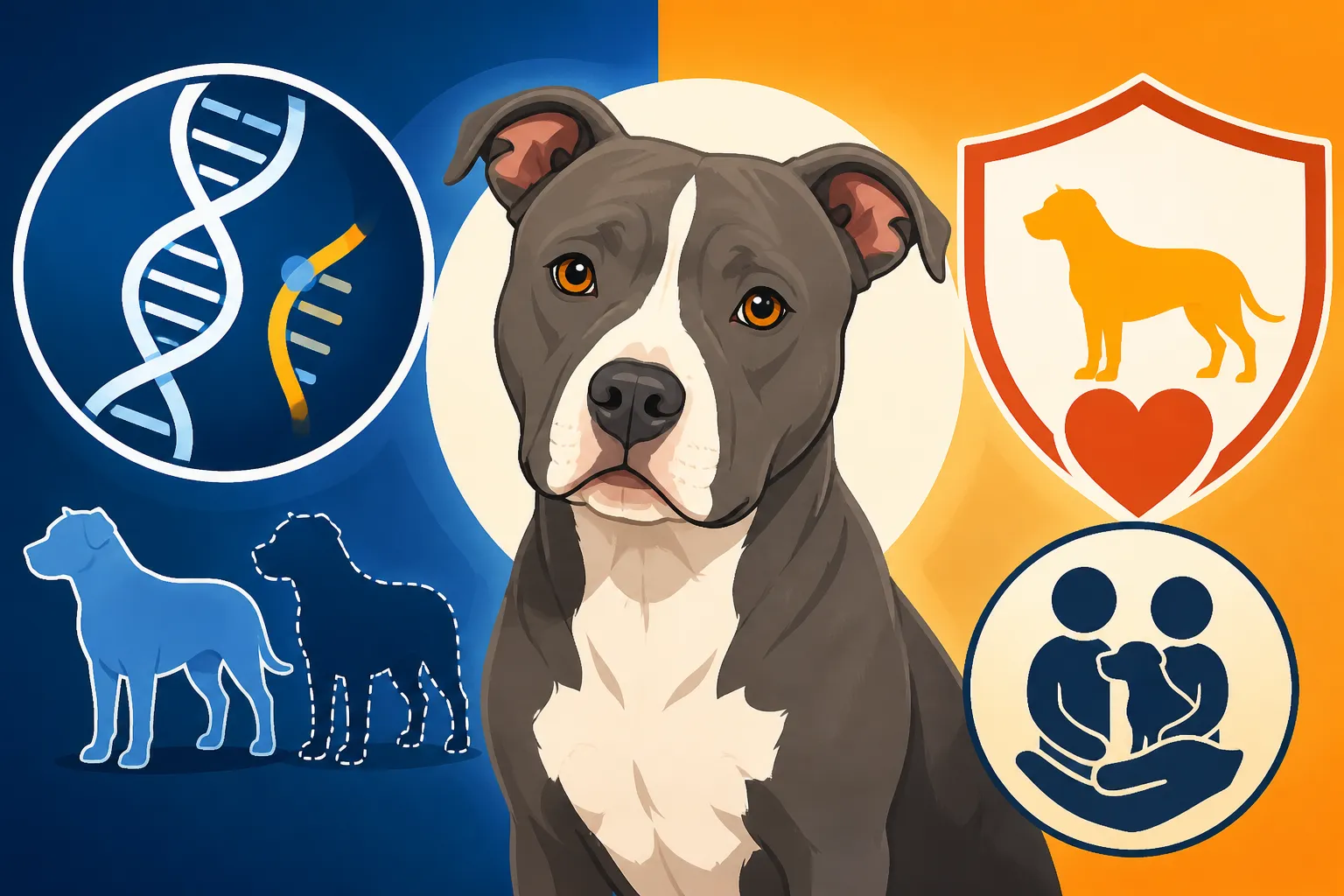
- Carrier: This is where things can get confusing, and often cause unnecessary panic. A carrier dog has one copy of the mutated gene but also one normal, healthy copy. They will not develop the disease themselves, but they can pass the mutated gene on to their puppies.
- Affected: An affected dog has two copies of the mutated gene, meaning they will develop cerebellar ataxia. These are the dogs that will, unfortunately, suffer from the progressive neurological symptoms.
For any Pit Bull owner, understanding these results is paramount. It gives you the power to make informed decisions, especially if you're considering breeding your dog or have just acquired a puppy and want to check its genetic health. This is why The NCL-A DNA Test for a Pit Bull Line is such an important tool for the breed.
Deciphering a Carrier Ataxia Result
Receiving a "carrier" result for cerebellar ataxia can be a scary moment for any Pit Bull owner. It's natural to immediately worry about your dog's future health. However, understanding what this designation truly means is crucial to alleviate unnecessary stress.
What "Carrier" Means for Your Pit Bull's Health
Let's get this straight right off the bat: if your Pit Bull tests as a carrier for cerebellar ataxia, it means they will not develop the disease themselves. This is the most important piece of information for you as a pet parent. Your dog has one normal gene copy and one copy of the gene mutation. The normal gene copy is fully functional and acts as a "buffer," preventing the onset of the disease. Think of it like this: if you have one strong arm and one weak arm, you can still lift things, just perhaps not as easily as with two strong arms, but you're not entirely disabled. In the case of ataxia, the one healthy gene is enough to keep your dog perfectly healthy and symptom-free.
This means your carrier Pit Bull will live a normal, healthy life, enjoying all the activities and adventures typical for the breed. You don't need to implement any special diets, medications, or exercise restrictions due to this carrier status. They are phenotypically normal, meaning they look and act just like any other healthy Pit Bull. Many beloved Pit Bulls who are carriers have lived full, active lives, completely unaware of their genetic status until tested, or never tested at all. It's truly a relief to understand that a carrier status doesn't mean a ticking time bomb for your pet's health. You can still expect them to live out the Pit Bull Lifespan Across Twelve to Sixteen Years joyfully.
Implications for Breeding and Future Generations
While a carrier status doesn't impact your dog's individual health, it becomes incredibly important if you're considering breeding them. This is where responsible decisions truly come into play. A carrier Pit Bull can pass on the single mutated gene to its offspring.
Here's how it breaks down in breeding scenarios:
- Carrier (your dog) x Clear (mate): If you breed a carrier Pit Bull with a "clear" mate (meaning the mate has no copies of the mutated gene), none of the puppies will be affected by ataxia. However, approximately 50% of the puppies will likely be carriers, and 50% will be clear. This is a common and responsible breeding strategy for preserving valuable genetics while preventing the disease.
- Carrier (your dog) x Carrier (mate): This is the breeding combination to avoid at all costs. If two carrier Pit Bulls are bred together, there's a 25% chance of producing affected puppies, a 50% chance of producing carrier puppies, and a 25% chance of producing clear puppies. This means one out of every four puppies born could develop the devastating disease.
- Carrier (your dog) x Affected (mate): This pairing is highly irresponsible and should never happen. It would result in approximately 50% carrier puppies and 50% affected puppies.
For responsible breeders, a carrier result doesn't necessarily mean a dog must be removed from the breeding program entirely, especially if they possess other exceptional qualities that benefit the breed. However, it absolutely mandates careful selection of mates who are "clear" for the gene. Transparency is also key; reputable breeders will always disclose the carrier status to prospective puppy buyers, ensuring they understand the genetic background of their new family member. Understanding What Testing a Pit Bull Breeder Should Have Done includes genetic screening like this, ensuring the health of future generations.
Managing a Carrier Pit Bull
Once you understand that a "carrier" result for cerebellar ataxia doesn't mean your Pit Bull will get sick, a huge weight can be lifted. The focus then shifts from worry to responsible management and, if applicable, ethical breeding practices.
Living with a Carrier: No Special Care Needed
This is the best news for most pet owners: your carrier Pit Bull simply doesn't need any special care related to ataxia. They are not going to develop the neurological symptoms associated with the disease. So, you can relax and continue to provide them with the excellent quality of life every Pit Bull deserves.
This means focusing on the basics of good canine husbandry:
- Balanced Nutrition: Feed a high-quality, appropriate diet for their age, activity level, and weight. Pit Bulls are powerful, athletic dogs, and proper nutrition is foundational to their health.
- Regular Exercise: These dogs thrive on activity. Ensure they get plenty of opportunities for walks, runs, playtime, and mental stimulation. Exercise is crucial for maintaining their strong physique and mental well-being, helping them avoid issues like Pit Bull Joint and Ligament Injuries.
- Routine Veterinary Care: Regular check-ups are essential for monitoring overall health, discussing Year-Round Parasite Cover for a Pit Bull, and addressing any non-ataxia related concerns that might arise. Your vet can advise on everything from Pit Bull Puppy Vaccination and Parvovirus to monitoring for conditions like Pit Bull Heart and Thyroid Conditions as they age.
- Mental Enrichment: Pit Bulls are smart and benefit from training, puzzle toys, and engaging activities that challenge their minds.
Essentially, your job remains the same: be a loving, responsible owner to a fantastic dog. The "carrier" status is just a piece of genetic information, not a health diagnosis for your individual pet. It might feel overwhelming at first, but remembering that your dog is healthy and unaffected is paramount.
The Ethical Considerations for Breeders
For those involved in breeding Pit Bulls, a carrier result brings significant ethical responsibilities. The goal of any reputable breeder is to produce healthy, well-tempered dogs that improve the breed.
- Informed Decisions: A breeder with a carrier dog must make an informed decision about whether to continue breeding that animal. If the dog has exceptional qualities—temperament, structure, working ability—that are vital for the breed's improvement, then breeding them carefully might be considered. The key is carefully.
- Mate Selection: A carrier dog should only be bred to a mate that has tested "clear" for cerebellar ataxia. This ensures that no affected puppies will be produced. All potential mates must undergo The NCL-A DNA Test for a Pit Bull Line before any breeding takes place.
- Transparency with Buyers: Reputable breeders must be completely transparent with potential puppy buyers about the genetic status of the parents, especially if one is a carrier. Buyers should be informed that their puppy may also be a carrier and should ideally be tested before breeding themselves. This ensures that the genetic information continues to be tracked and managed responsibly across generations.
- Long-Term Impact: By carefully managing carrier dogs in breeding programs, breeders can slowly reduce the prevalence of the ataxia gene in the overall Pit Bull population, ultimately leading to a healthier breed in the long run. The phrase, What a Carrier Ataxia Result Means for a Pit Bull becomes a core principle for ethical breeding.
Protecting the Breed and Supporting Research
Understanding your Pit Bull's genetic status, especially for conditions like cerebellar ataxia, isn't just about your individual dog; it's about the health and future of the entire breed. Every responsible owner and breeder plays a role in this larger picture.
The Role of Genetic Testing in Breed Health
Genetic testing has revolutionized how we approach canine health. For breeds like the Pit Bull, which can be prone to certain inherited conditions, these tests are invaluable. By consistently testing breeding dogs for conditions like NCL-A, breeders can make informed decisions that actively reduce the incidence of genetic diseases. Imagine a future where devastating conditions like cerebellar ataxia are virtually eradicated from the Pit Bull gene pool because of widespread, responsible testing!
This proactive approach helps preserve the health and vitality of Pit Bulls, allowing them to continue to be the wonderful companions we know and love for their full The Twelve to Sixteen Years a Pit Bull Gets. Moreover, data collected from extensive genetic testing can help researchers understand more about genetic predispositions in Pit Bulls, potentially leading to new tests or treatments for other conditions. It's a continuous cycle of learning, applying, and improving breed health that every owner can contribute to, even by simply understanding What a Pit Bull Health History Should Cover for their own dog.
Financial Planning for Unexpected Health Concerns
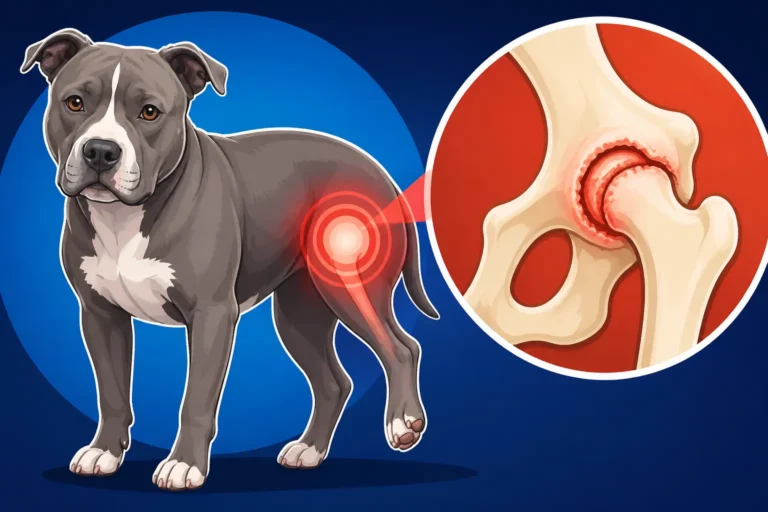
Even if your Pit Bull is a healthy carrier for ataxia and will never develop the disease, life with dogs always comes with its share of unexpected health challenges. From unforeseen injuries to other common Pit Bull health issues like Pit Bull Skin Allergies and the Atopy Pattern or Pit Bull Hip Dysplasia Showing at One to Two Years, veterinary care can be expensive. This is why having a financial plan in place is so crucial.
One excellent way to prepare for these eventualities is through pet insurance. Companies like Healthy Paws offer comprehensive coverage that can help offset the costs of accidents, illnesses, and even emergency surgeries. While a carrier status for ataxia won't trigger claims, having a policy from Healthy Paws can provide peace of mind for all the other things that might crop up during your Pit Bull's life. It means you can focus on getting your dog the best possible care without being crippled by the bill. Be sure to research different providers and their policies, as some may have Pit Bull Pet Insurance and Breed Exclusions or specific waiting periods. Preparing for potential costs means you can make decisions based on your dog's needs, not just your wallet.
Here's a quick summary of what a "carrier" result means in different breeding scenarios:
| Breeding Partner Genetic Status | Your Carrier Pit Bull (Nn) | Offspring Outcome | Risk of Affected (nn) Offspring |
|---|---|---|---|
| Clear (NN) | Nn x NN | 50% Clear (NN), 50% Carrier (Nn) | 0% |
| Carrier (Nn) | Nn x Nn | 25% Clear (NN), 50% Carrier (Nn), 25% Affected (nn) | 25% |
| Affected (nn) | Nn x nn | 50% Carrier (Nn), 50% Affected (nn) | 50% |
Note: N represents the normal gene, n represents the mutated ataxia gene.
Disclaimer
This article is intended for informational purposes only and does not constitute veterinary advice. Always consult with a qualified veterinarian for any health concerns or before making any decisions about your pet's care or breeding program. Genetic testing results should be interpreted in conjunction with professional veterinary guidance.