Demodectic Mange in a Pit Bull Puppy
There's nothing quite as heartbreaking as watching your lively Pit Bull puppy start to lose its precious fur, develop red, angry patches, or scratch incessantly. When those first bald spots or scabs appear, your mind probably races through a hundred possibilities, and often, one of the most frightening diagnoses for a young pup is demodectic mange. This comprehensive guide is here to walk you through understanding what demodectic mange is, how to identify it in your beloved Pit Bull puppy, the steps involved in diagnosis, and the most effective treatment plans to get your little one back to their happy, healthy self.
Understanding What Demodectic Mange Really Is
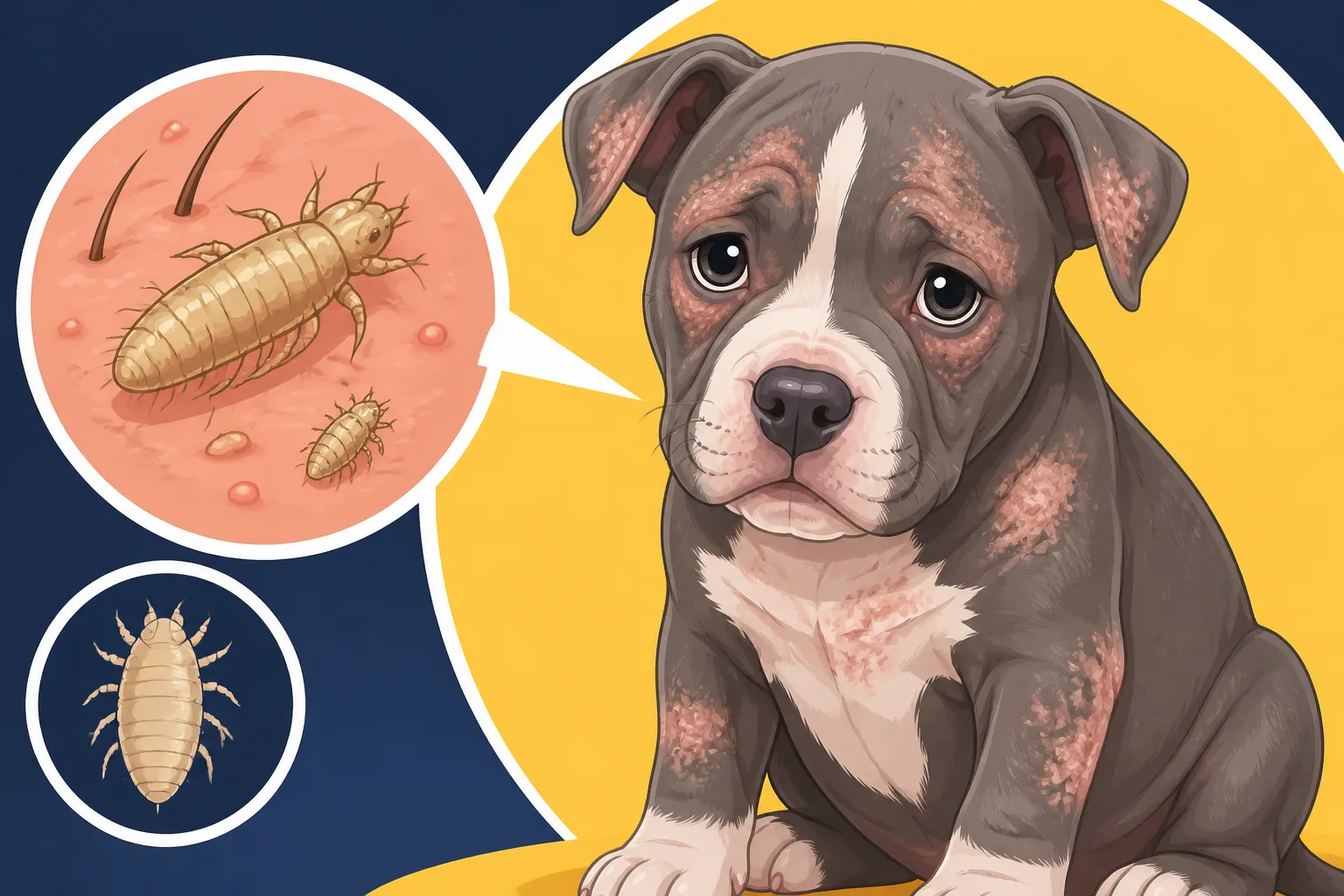
Demodectic mange, often simply called "Demodex," is a skin condition caused by microscopic mites that live naturally in the hair follicles of dogs. It's a bit of a tricky subject because while mites sound scary and parasitic, these particular mites, Demodex canis, are actually present on almost all dogs, including humans, without causing any problems. The issue arises when a dog's immune system isn't quite strong enough to keep the mite population in check, leading to an overgrowth that causes skin irritation and hair loss.
The Role of the Immune System in Puppy Demodex
For puppies, especially Pit Bull puppies, their immune systems are still developing. They're still learning to fight off the myriad of everyday challenges, and sometimes, keeping these naturally occurring Demodex mites under control is one of those early battles they struggle with. This is why demodectic mange is primarily seen in young dogs, typically under 18 months of age. It's not a sign of a dirty environment or poor hygiene on your part; it's a reflection of an immature immune system that's temporarily overwhelmed.
Genetics can also play a significant role. Some Pit Bull lines may have a hereditary predisposition to developing demodectic mange because they inherit an immune system that is less efficient at suppressing the mites. If your puppy comes from a reputable breeder, they should have a good understanding of their lines' health history and any incidences of Demodex. You might find it helpful to look into "What a Pit Bull Health History Should Cover" when acquiring a puppy. It's important to remember that this is not contagious to you, your other pets, or even other dogs with healthy immune systems. You cannot catch Demodex from your puppy.
Localized Versus Generalized Mange Presentation
Demodectic mange can present in two main forms: localized and generalized. The distinction is crucial because it often dictates the severity and approach to treatment.
Localized demodectic mange is the most common form, characterized by small, well-defined patches of hair loss. These patches usually appear on the face, especially around the eyes and mouth, or on the front legs. You might see just one or two small spots, and they often aren't itchy or inflamed at first. This form is often self-limiting, meaning it can resolve on its own as the puppy's immune system matures. Many veterinarians will adopt a "wait and watch" approach for localized cases, monitoring to see if it spreads or worsens before intervening with strong medications.
Generalized demodectic mange, on the other hand, is a much more serious condition. This form involves larger areas of the body, multiple patches of hair loss (five or more), or affects an entire body region, like a whole leg or the trunk. The skin in these areas can become red, inflamed, crusty, and may develop secondary bacterial infections, leading to intense itching, puss-filled lesions, and a strong odor. This form is more challenging to treat and usually requires aggressive veterinary intervention. Understanding "Whether Pit Bull Demodex Means a Weak Immune System" can shed light on why some puppies develop the generalized form.
Spotting the Early Warning Signs in Your Pit Bull Puppy
Catching demodectic mange early in your Pit Bull puppy can make a big difference in how easily it's treated and how quickly your pup recovers. While it can be alarming, knowing what to look for can help you act swiftly.
Common Areas for Hair Loss and Skin Changes
The first signs of demodectic mange usually manifest as patches of hair loss, known as alopecia. In Pit Bull puppies, these commonly appear on the face, particularly around the eyes, muzzle, and forehead, giving them a somewhat "moth-eaten" appearance. You might also notice spots on the legs, especially the front paws. These early patches are often small, circular, and may initially go unnoticed if you're not actively checking your puppy's skin.
Beyond hair loss, the skin in these affected areas might start to look a little different. It could appear reddened, sometimes scaly or flaky, almost like dry skin. In some cases, the skin might thicken and darken over time, a process called hyperpigmentation. Unlike other skin conditions, localized demodex is often not particularly itchy in its initial stages, which can sometimes delay an owner noticing it. However, if a secondary bacterial infection sets in, that's when you'll definitely see your puppy scratching, rubbing, and showing discomfort.
When to Suspect Something More Serious
While a few small, non-itchy bald spots might just be localized demodex, certain signs should prompt immediate veterinary attention, suggesting a more serious, generalized form or a secondary infection. If you notice the patches of hair loss spreading rapidly, becoming more numerous (more than five spots), or affecting large areas of your puppy's body, it's time to worry.
Another red flag is intense itching, redness, swelling, or the presence of pustules (small, pus-filled bumps) or crusts on the skin. These are strong indicators that a secondary bacterial or yeast infection has taken hold, which can make your puppy miserable and complicate treatment. A foul odor from the skin is also a sign of infection. Your puppy might become lethargic, lose its appetite, or simply seem "off" due to the discomfort. Pit Bulls can be prone to various skin issues, so it’s important to distinguish Demodex from other conditions. You might consider reading "Telling Demodex From an Allergy in a Pit Bull" to better understand the differences.
The Vet Visit: Diagnosing Demodectic Mange Accurately
When you first notice suspicious spots on your Pit Bull puppy, a visit to the veterinarian is the very next step. Self-diagnosing or delaying treatment can lead to the condition worsening, especially if it's the more severe generalized form.
The Importance of Skin Scrapings
The definitive diagnosis of demodectic mange almost always involves a procedure called a skin scraping. This might sound a bit daunting, but it’s a quick and relatively painless process that your vet performs right in the examination room. The vet will gently pinch a small fold of skin from an affected area, often with a little mineral oil applied, and then scrape the surface with a dull scalpel blade. The goal isn't to draw blood, but to get deep enough into the hair follicles where the Demodex canis mites reside.
The collected material is then placed on a microscope slide and examined immediately. Because the mites are microscopic, you won't see them with the naked eye. Under the microscope, your vet will be able to identify the cigar-shaped mites, often in various life stages (eggs, larvae, nymphs, and adults), confirming the diagnosis. It’s crucial that multiple scrapings are taken from different affected areas to increase the chances of finding the mites, as they can be elusive. Sometimes, if the skin is very thick or if mites are still hard to find, a more invasive deep skin biopsy might be recommended, especially in cases where treatment isn't yielding results. For a deeper dive into this diagnostic tool, check out "Skin Scrapings That Confirm Pit Bull Mange".
Ruling Out Other Skin Conditions
While finding Demodex mites confirms the diagnosis, your vet will also be looking to rule out other common skin conditions that can mimic demodectic mange. Pit Bulls, unfortunately, are often prone to a variety of dermatological issues, which can make initial diagnosis tricky without proper testing.
Allergies, for instance, are a huge concern for Pit Bulls. Environmental allergies (atopy) or food allergies can both cause intense itching, redness, and hair loss. Unlike demodex, allergies are often very itchy from the start and can affect different areas. "Pit Bull Skin Allergies and the Atopy Pattern" is a great resource if you suspect allergies might be at play. Fungal infections, such as ringworm, can also cause circular patches of hair loss, but usually have a more crusty or scaly appearance and are contagious. Bacterial infections (pyoderma) can occur as a secondary complication of demodex or independently, causing pustules, scabs, and odor. Your vet might perform a fungal culture or cytology (examining cells from the skin surface) alongside skin scrapings to get a complete picture.
Here's a quick comparison of key aspects to help differentiate:
| Feature | Localized Demodectic Mange (Puppy) | Generalized Demodectic Mange (Puppy) | Skin Allergies (Atopy/Food) | Ringworm (Fungal Infection) |
|---|---|---|---|---|
| Common Age | Young puppies (<18 months) | Young puppies (<18 months) | Any age, often starts young | Any age, common in puppies |
| Hair Loss | Few small patches (face, legs) | Widespread, multiple large patches | Diffuse, often due to scratching | Circular, crusty patches |
| Itchiness | Minimal to none initially | Moderate to severe, especially with infection | Moderate to severe | Mild to moderate |
| Skin Appearance | Reddened, sometimes flaky | Red, inflamed, crusty, pustules, thick | Red, inflamed, sometimes bumpy, dry | Red, scaly, crusty, target-like |
| Contagious? | No | No | No | Yes (to pets and humans) |
| Diagnosis | Skin scraping (mites present) | Skin scraping (mites present) | Allergy testing, food trial, exclusion | Fungal culture, Wood's lamp |
Navigating Treatment Options for Puppy Demodex
Once demodectic mange is diagnosed in your Pit Bull puppy, your vet will discuss the appropriate treatment plan. The approach will largely depend on whether the mange is localized or generalized.
Treatment for Localized Demodex
For localized demodectic mange, many vets recommend a conservative approach, especially if the puppy is otherwise healthy and the patches aren't spreading or itchy. This "wait and see" method involves monitoring the spots closely over several weeks. Often, as the puppy's immune system naturally strengthens, the mites will come back into balance, and the hair will regrow on its own. It can be hard to be patient when you see those bald spots, but often, less is more in these cases.
If the localized spots are mild, your vet might suggest topical treatments like medicated shampoos (e.g., those containing benzoyl peroxide or sulfur) to help clean the skin and flush out follicles, which can also help with any mild secondary bacterial issues. These are not typically miticidal but support skin health. Regular bathing and good nutrition are key to supporting overall skin health. Ensure your puppy is on a high-quality diet and consider appropriate supplements that help Pit Bull skin.
Treating Generalized Demodex and Secondary Infections
Generalized demodectic mange requires a more aggressive and sustained treatment. This often involves systemic medications, which are given orally and work throughout the puppy's body to kill the mites.
Modern treatments have largely moved away from older, more toxic dips. Today, veterinarians often prescribe isoxazoline-class drugs like afoxolaner (NexGard), fluralaner (Bravecto), sarolaner (Simparica), or lotilaner (Credelio). These are given monthly or every few months, depending on the specific product, and are highly effective at eradicating the mites. Your vet will select the best option based on your puppy's age, weight, and overall health. Treatment typically continues for several months, often until two consecutive negative skin scrapings are achieved a month apart. This helps ensure all mites are truly gone and prevents recurrence.
Because generalized demodex often comes with secondary bacterial or yeast infections, antibiotics or antifungals will also be prescribed. These are crucial for resolving the skin inflammation, pustules, and odor that make your puppy so uncomfortable. Medicated baths with chlorhexidine or benzoyl peroxide shampoos will also be a regular part of the routine to cleanse the skin, remove crusts, and help the topical medications penetrate better. This can be a significant financial commitment, so having pet insurance from providers like Healthy Paws can be incredibly helpful for managing these ongoing veterinary costs.
Prognosis and Ongoing Care for Puppies with Demodectic Mange
Dealing with demodectic mange in a puppy can feel like a long road, but with proper diagnosis and consistent treatment, the prognosis for most puppies is excellent. Understanding what to expect during recovery and how to support your Pit Bull puppy long-term is key.
What to Expect During Recovery
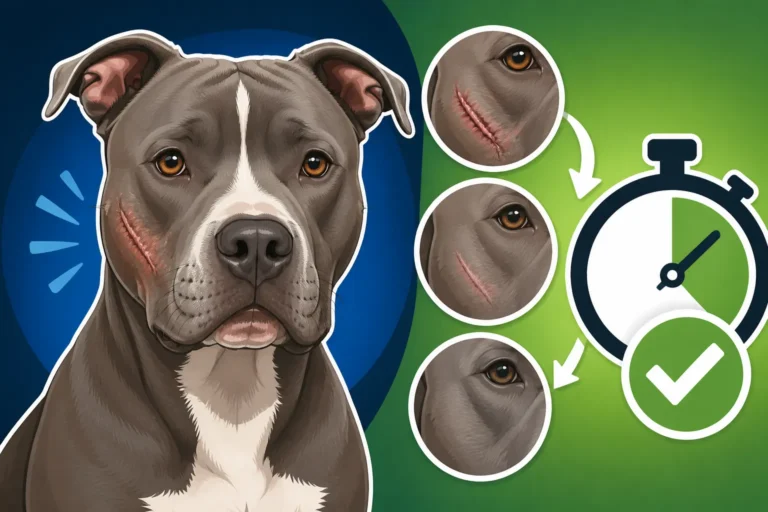
Recovery from demodectic mange, especially the generalized form, takes time and patience. You won't see dramatic results overnight. Typically, you'll start to notice improvements in the skin's redness and itchiness within a few weeks of starting medication. Hair regrowth will usually follow, but it can take several weeks or even months for the fur to fully return, especially in areas that were severely affected.
Your vet will schedule follow-up visits and repeat skin scrapings every few weeks to monitor the mite population. It's really important to stick to these appointments and continue all medications exactly as prescribed, even if your puppy looks much better. Stopping treatment too soon is a common reason for relapse. Remember that a full recovery often isn't declared until you get those two consecutive negative skin scrapings. This diligent follow-up is essential for complete eradication and preventing the mange from flaring up again.
Preventing Recurrence and Long-Term Health
For most puppies that experience localized demodectic mange, once their immune system matures, recurrence is uncommon. However, for those with generalized demodex, there's always a slight chance it could come back, particularly if their immune system remains somewhat compromised or if they undergo significant stress later in life.
Supporting your Pit Bull puppy's overall health is the best way to prevent recurrence. This includes feeding a high-quality, balanced diet to promote a strong immune system and healthy skin. Regular veterinary check-ups are important, as are year-round parasite prevention measures, which you can read more about in "Year-Round Parasite Cover for a Pit Bull". Minimize stress in your puppy's environment and ensure they get adequate exercise and mental stimulation. If your puppy is still young, consider when to perform a spay or neuter, as hormonal changes can sometimes impact skin conditions; you can explore "When to Neuter a Pit Bull Without Costing Joints" for more information on this topic.
It's also wise to discuss with your vet whether any underlying health issues might be contributing to a weaker immune system. While rare in puppies, conditions like hypothyroidism or other immune deficiencies could make a puppy more susceptible to generalized demodex. If you notice any new bald spots or skin irritation returning after treatment, contact your vet immediately. Being proactive and having a robust pet insurance policy, like those offered by Healthy Paws, can provide peace of mind for unexpected health challenges that might arise. The journey through demodectic mange can be tough, but with your dedication and your vet's guidance, your Pit Bull puppy will thrive.
Disclaimer
The information provided in this article is for general informational purposes only and is not a substitute for professional veterinary advice. Always consult with a qualified veterinarian for any health concerns or before making any decisions related to your pet's health and treatment.