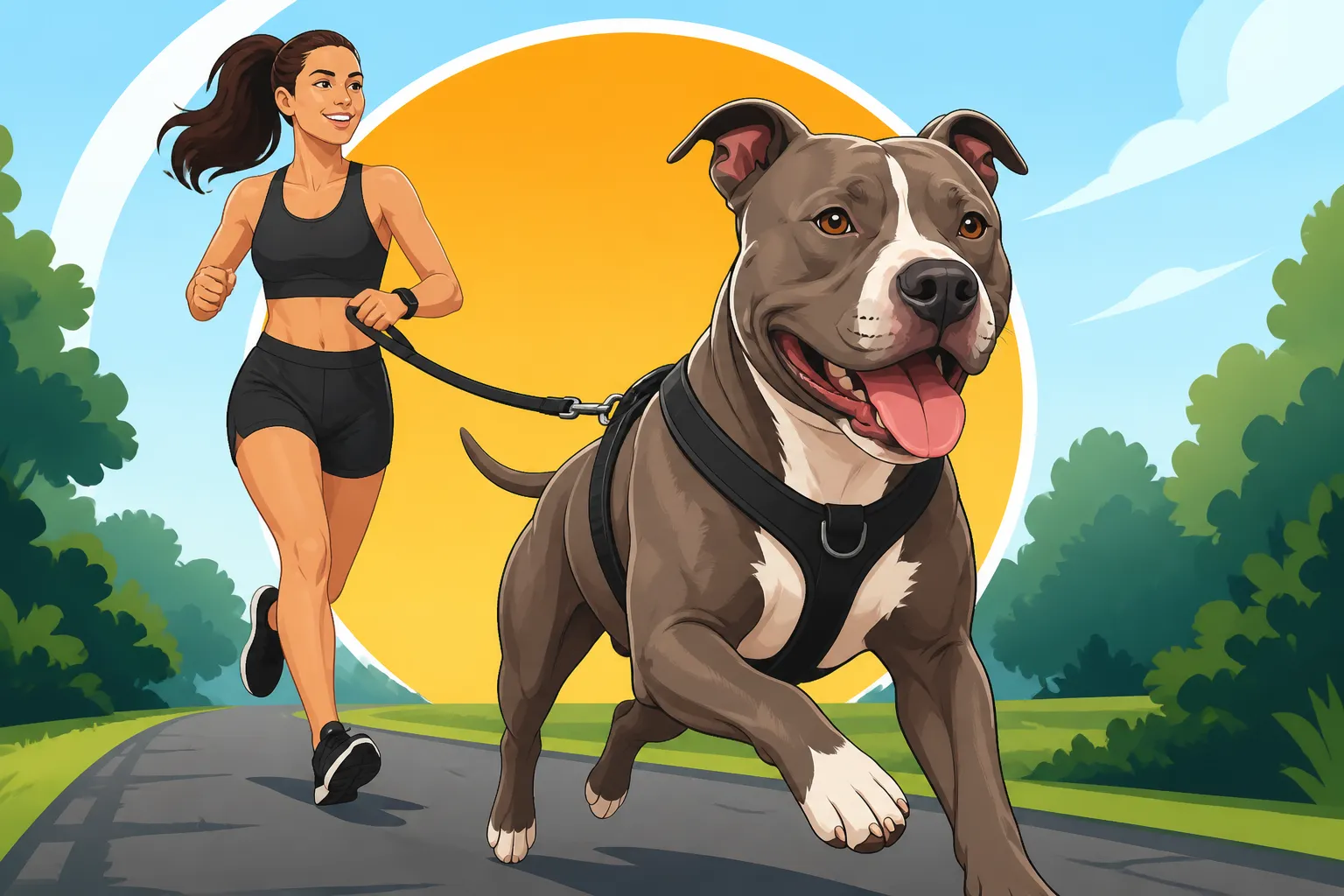
Taking an Adult Pit Bull Running
As a Pit Bull owner, you know the incredible energy and athleticism these dogs possess. Many of us dream of hitting the pavement or the trails with our powerful companions, sharing that exhilarating feeling of a long run. But taking an adult Pit Bull running isn't just about lacing up your shoes; it involves careful preparation, understanding their unique needs, and building up endurance safely to prevent injury and ensure it's a positive experience for both of you. This guide will walk you through everything you need to know to safely and enjoyably get your Pit Bull into a running routine.
Assessing Your Pit Bull's Readiness for Running
Before you even think about putting on your running shoes, it's crucial to assess if your Pit Bull is truly ready for the demands of sustained running. These dogs are robust, yes, but just like human athletes, they need to build up their fitness and have a solid foundation of health. Rushing into it can lead to serious injury or discomfort, which no loving owner wants for their loyal companion.
Age and Physical Maturity
One of the most common mistakes new running partners make is taking a young dog out for intense runs too soon. Your Pit Bull might look like a fully grown powerhouse, but their bones, joints, and growth plates aren't fully mature until they're typically between 18 months and two years old. Running a dog before their growth plates have closed can cause irreversible damage, leading to lifelong joint issues. Imagine forcing a human teenager to run marathons before their body is ready; it's the same principle for dogs.
Instead of intense running, focus on structured walks, short bursts of play, and obedience training for puppies and adolescents. Once your Pit Bull has reached full physical maturity, usually around two years of age, and your vet gives the green light, then you can begin to consider a running program. This patience upfront pays dividends in the long-term health of your dog. It's really worth checking out The Age a Pit Bull Finishes Growing to understand the nuances of their development.
Health Check and Vet Clearance
Even if your Pit Bull is past the puppy stage, a comprehensive vet check is non-negotiable before starting any new strenuous exercise regimen like running. Your veterinarian can perform a thorough physical examination, checking for any underlying conditions that might be exacerbated by running. This includes evaluating their heart health, looking for murmurs or other signs of cardiac issues, and assessing their joint health. Pit Bulls, like many active breeds, can be predisposed to certain orthopedic problems.
Your vet might specifically check for signs of hip or elbow dysplasia, luxating patellas, or other musculoskeletal concerns. They can also offer guidance on proper warm-up and cool-down techniques tailored to your dog's specific build and condition. Don't skip this step; it's an essential part of responsible pet ownership and provides peace of mind that you're not inadvertently putting your dog at risk. Conditions like Heart Disease in a Pit Bull or Pit Bull Hip Dysplasia Showing at One to Two Years are important to rule out or manage before embarking on a running routine.
Temperament and Training Foundation
Beyond physical readiness, your Pit Bull's temperament and training level are equally vital. Running with a dog requires excellent leash manners. A Pit Bull that pulls excessively, lunges at squirrels, or barks at every passing dog will make running frustrating, unsafe, and potentially dangerous for both of you and those around you. You need a dog that can maintain a steady pace, ignore distractions, and respond reliably to your commands, even when excited.
Start with a solid foundation of loose-leash walking, practicing in increasingly distracting environments. Work on commands like "leave it" to help them ignore tempting smells or sights, and a strong "heel" command to keep them by your side. A well-socialized Pit Bull is less likely to react negatively to other dogs, runners, or cyclists you might encounter on your route. If your Pit Bull struggles with pulling, focus on Pit Bull Leash Manners and Physical Strength before introducing running. Remember, you're looking for a running partner, not a tow truck!
Building a Running Routine Safely
Once your Pit Bull has received a clean bill of health and has those impeccable leash manners down, you can start building your running routine. This isn't a race; it's a gradual journey to fitness for both of you. Patience and consistency are your best friends here.
Starting Slow and Gradual Progression
Think of this as a "couch to 5K" program, but for your dog. You wouldn't go from zero activity to a marathon overnight, and neither should your Pit Bull. Begin with short intervals of running interspersed with walking. For example, you might start with one minute of running followed by two minutes of walking, repeating this for 15-20 minutes. Over several weeks, gradually increase the running intervals and decrease the walking time.
Pay close attention to your dog's cues. Are they lagging behind? Are they panting excessively? Do they seem reluctant to continue? These are all signs to slow down, take a break, or end the session. The goal is to make running a positive experience, not a chore. Always include a warm-up walk of 5-10 minutes before you start running, and a cool-down walk of similar duration at the end. This helps prevent injury and allows their heart rate to normalize. Consistency is more important than speed or distance in the beginning. For more on safe progression, look into Building a Pit Bull's Stamina Safely.
Choosing the Right Gear
The right equipment can make all the difference in comfort and safety. A standard flat collar isn't ideal for running as it can put pressure on your dog's trachea if they pull. Instead, invest in a comfortable, well-fitting harness. Front-clip harnesses are often excellent for Pit Bulls, as they discourage pulling by redirecting the dog's momentum back towards you. Brands found on platforms like Chewy or Amazon offer a variety of options specifically designed for strong breeds, so you can find one that fits their broad chest and secure straps without chafing.
For a leash, choose one that is durable and comfortable to hold, ideally 4-6 feet long. Avoid retractable leashes, as they offer little control and can be dangerous for both you and your dog, especially at running speeds. In warmer weather or on rough terrain, consider paw protection like dog booties. These can prevent blisters, cuts, and protect against hot pavement or abrasive surfaces. Platforms like Amazon have a wide selection, but make sure they fit snugly without being too tight. For specific harness recommendations, check out Harnesses Built for a Pulling Pit Bull.
Monitoring for Overheating and Injury
Pit Bulls, with their short coats, can be susceptible to overheating, especially in warm climates. They don't sweat like humans do; they primarily cool themselves through panting. Watch for signs of overheating: excessive panting, drooling, a dark red tongue, weakness, stumbling, or seeking shade. If you see any of these signs, stop immediately, get your dog to a cool, shaded area, and offer water. If symptoms persist or worsen, seek veterinary attention. Always carry water for both of you, especially on longer runs.
Beyond heat, keep an eye out for limping, stiffness, or changes in gait, which could indicate an injury. Regularly check their paw pads for cuts, cracks, or abrasions. Hot pavement can cause serious burns, so always test the pavement with your hand for five seconds—if it's too hot for your hand, it's too hot for their paws. Running in the early morning or late evening is often best during warmer months. Remember, the asphalt can be significantly hotter than the air temperature. Read more on how to protect their paws in Hot Pavement Under a Pit Bull Paw.
Nutrition, Hydration, and Recovery for the Running Pit Bull
A Pit Bull that runs regularly is an athlete, and like any athlete, they need proper fueling and recovery to perform their best and stay healthy. Their dietary needs will shift, and thoughtful post-run care becomes essential.
Fueling Your Athlete
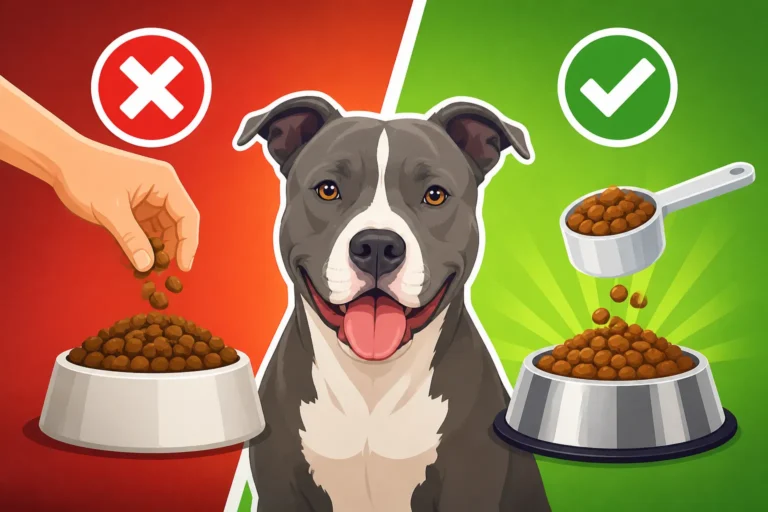
An active Pit Bull will likely require more calories than a sedentary one, but simply increasing their food intake isn't always the answer. The quality of their food becomes even more important. Look for high-quality dog foods with appropriate protein and fat levels to support muscle maintenance and energy needs. Some owners opt for fresh food diets, with services like Ollie providing carefully balanced, human-grade meals that can be adjusted for activity levels. Others stick to premium kibble available from retailers like Chewy, ensuring it contains easily digestible ingredients and no unnecessary fillers.
Monitor your Pit Bull's body condition closely. You should be able to feel their ribs easily without seeing them, and they should have a discernible waist when viewed from above. Adjust their food intake as needed based on their activity level and condition. Treats are fine, but factor them into their daily calorie count. Avoid feeding immediately before or after a run; give them at least an hour on either side to prevent stomach upset or the risk of bloat, a serious condition in deep-chested dogs. Understanding The Calorie Target for a Lean Pit Bull is crucial here.
Hydration Strategies
Hydration is paramount for running dogs. Always carry plenty of water for both yourself and your Pit Bull. Portable dog water bottles or collapsible bowls make it easy to offer sips during your run. Plan your routes to include water stops if possible, like public parks with dog-friendly fountains. Offer water before, during (especially on longer runs), and after your run.
Don't let your Pit Bull drink large quantities of water very quickly, particularly after an intense session, as this can increase the risk of bloat. Offer smaller amounts more frequently. If you're running on trails, be wary of stagnant puddles or natural water sources that might contain parasites or bacteria. Stick to fresh, clean water from your bottle.
Post-Run Care
After a good run, your Pit Bull deserves some serious recovery time. A gentle cool-down walk helps bring their heart rate down and prevents stiffness. Once you're home, inspect their paws carefully for any signs of injury, burrs, or debris. You might even consider wiping them down with a damp cloth, especially if they have allergies, to remove any pollen or irritants picked up from the ground.
A light massage can also be beneficial, helping to soothe tired muscles and detect any new lumps, bumps, or tender spots. Provide them with a comfortable, soft bed to rest in. Ensure they have access to fresh water. Giving them a quiet space to decompress and recover is just as important as the run itself. If you're looking for more ways to support them, check out Pit Bull Recovery Days Between Hard Sessions.
Common Running Challenges and Solutions
Even with the best preparation, you might encounter some challenges when running with your Pit Bull. Being prepared for these can help you navigate them smoothly and keep your running partnership strong.
Leash Reactivity and Distractions
One of the biggest hurdles for many Pit Bull owners is managing distractions and potential reactivity on the leash. Your powerful dog might be perfectly well-behaved at home, but the sights, sounds, and smells of a run can be overwhelming. Other dogs, squirrels, cyclists, or even just people can trigger pulling, barking, or lunging. This not only disrupts your run but can also reinforce negative public perceptions of the breed.
The key here is continued training and management. If your Pit Bull struggles with reactivity, choose quieter routes during off-peak hours. Work on "look at me" and "leave it" commands diligently in distracting environments. Increase the distance from triggers, even if it means crossing the street or turning around. Positive reinforcement is your best tool. If necessary, consult with a professional dog trainer experienced with Pit Bulls and reactivity. Consistency and management will slowly build their tolerance. Sometimes, simply knowing how to handle these situations can make all the difference, and Walking a Pit Bull Past Reactive Dogs has some great tips.
Weather Considerations
Weather plays a huge role in safe running. We've touched on heat, but cold weather also presents challenges. While Pit Bulls are generally hardy, their short coats offer limited protection against freezing temperatures. In cold conditions, consider a dog coat or sweater to keep them warm. Watch for signs of cold stress like shivering, reluctance to move, or lifting paws. Remember that salted sidewalks can be irritating or even toxic to paws, so booties are a good idea.
Rain, snow, or ice can also make surfaces slippery, increasing the risk of slips and falls for both of you. On days with extreme weather, it's safer to opt for indoor exercise, mental enrichment, or shorter, less intense outdoor sessions. Your dog’s health is more important than sticking to a schedule. A quick check of Whether to Walk a Pit Bull Above Eighty Degrees will give you specific temperature guidance.
Recognizing and Preventing Injuries
Despite your best efforts, injuries can happen. It's vital to recognize the signs early. Watch for:
- Limping or favouring a leg: This is the most obvious sign something is wrong.
- Stiffness or reluctance to move: Especially after a rest or waking up.
- Swelling: Any abnormal swelling around joints or muscles.
- Excessive licking: Persistent licking of a paw or joint might indicate pain.
- Changes in gait: A subtle shift in how they run or walk.
- Decreased enthusiasm: If your dog usually loves to run but suddenly seems reluctant.
If you notice any of these signs, stop running immediately and consult your veterinarian. Don't try to "run through" an injury, as this can worsen the problem. Prevention is always better than cure: ensure proper warm-ups and cool-downs, gradually increase intensity, maintain a healthy weight, and use appropriate gear. Regular check-ups with your vet will also help catch issues early. For a deeper dive into common issues, Pit Bull Joint and Ligament Injuries is a helpful resource.
| Running Readiness Aspect | Key Considerations | Why it Matters for Pit Bulls |
|---|---|---|
| Age | Full physical maturity (18-24 months) | Prevent irreversible damage to still-developing growth plates and joints, especially in a muscular breed. |
| Health | Vet check-up, joint and heart screening | Rule out conditions like hip/elbow dysplasia, heart murmurs, or other issues that strenuous exercise could exacerbate. |
| Temperament | Leash manners, impulse control, socialization | Ensure safe and enjoyable runs by preventing excessive pulling, lunging at distractions, or reactivity towards other dogs or people. |
| Gear | Harness (front-clip recommended), durable leash, paw protection (optional) | Promote comfort, prevent tracheal strain, offer better control, and protect sensitive paw pads from hot surfaces or rough terrain. |
| Environment | Weather conditions, surface type, distractions | Avoid overheating or frostbite, prevent paw injuries, and manage reactivity in high-stimulus areas. |
Disclaimer
This article is for general informational purposes only and does not constitute professional advice. Laws, prices and regulations vary by location and change over time. Consult a qualified professional for guidance on your specific situation.