Why a Pit Bull Should Not Be Off Leash in Public
It’s a heart-wrenching scenario many Pit Bull owners face: you see other dogs happily romping off-leash in parks or hiking trails, and you long for your own beloved companion to experience that same freedom. The desire to give your loyal, energetic Pit Bull the joy of unrestrained running is completely understandable, but unfortunately, the reality for Pit Bull owners is often far more complex and fraught with potential risks. This guide will explore the critical reasons why allowing your Pit Bull off-leash in public, even if they are incredibly well-trained, is a decision that carries significant and often unfair consequences, and what responsible alternatives exist.
The Unfair Burden of Public Perception
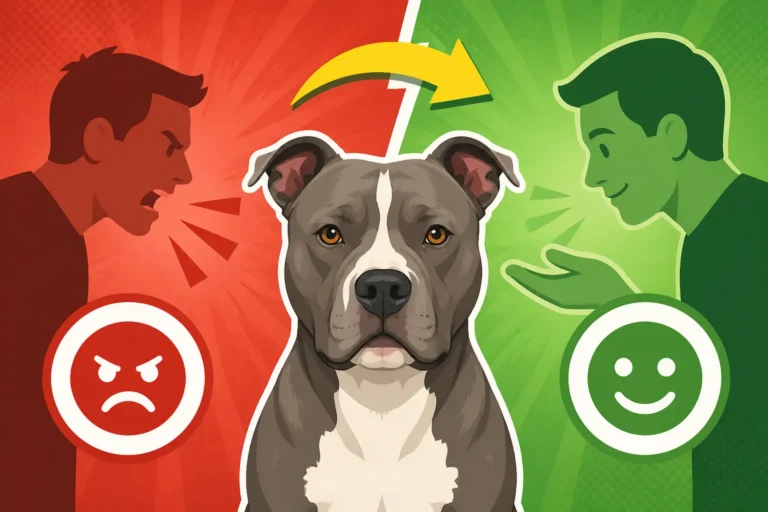
Let's be honest, the moment someone sees a Pit Bull, a certain image often flashes through their mind, fueled by media sensationalism and misguided stereotypes. It’s an uphill battle, and it's a frustration deeply felt by every Pit Bull owner who knows their dog to be a loving, goofy member of the family. However, this ingrained public perception means that your Pit Bull, regardless of their individual temperament, will be judged by a different, harsher standard than many other breeds.
The Stigma and Its Impact
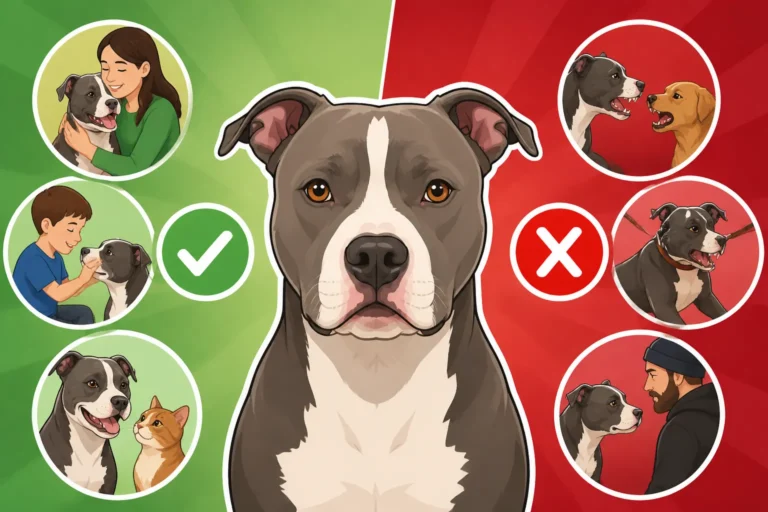
The unfortunate truth is that your Pit Bull will rarely get the benefit of the doubt. If a Golden Retriever trots up to another dog off-leash, most people might shrug or offer a polite greeting. If a Pit Bull does the same, even with the friendliest intentions, it can instantly trigger fear, panic, or anger in others. This isn't fair to your dog, who might just want to sniff hello, but it's the reality of the world we navigate. One wrong look, one startled bark, or one overly enthusiastic approach from your dog can be misinterpreted as aggression, and suddenly, you're facing accusations or worse. This heightened scrutiny means that any off-leash interaction is a high-stakes gamble for you and your dog. It's a heavy weight to carry, knowing your dog's future could be jeopardized by someone else's fear, even if unfounded. This is why we often say that Training a Pit Bull to a Higher Standard Than Other Dogs is not just a preference, but a necessity.
Breed-Specific Legislation and Housing Restrictions
Beyond individual reactions, there's the very real and pervasive issue of breed-specific legislation (BSL) and strict housing policies. Many areas still have laws that specifically target Pit Bull types, limiting where they can live, how they must be managed, and sometimes even dictating their ownership. Even in places where BSL has been repealed, like Denver, lingering biases often translate into rules that make life harder for Pit Bull families. Allowing your dog off-leash in an area where such laws are active or even passively enforced could lead to fines, confiscation, or even euthanasia for your beloved pet. It's a harsh reality that many owners struggle with, constantly having to prove their dog is an exception. You need to know Where Pit Bull Legislation Still Applies in your area and anywhere you might travel, because ignorance of the law is no excuse in the eyes of local authorities or angry citizens.
Legal and Financial Consequences
An off-leash incident, even one without physical injury, can have devastating legal and financial repercussions. If your Pit Bull, through no fault of its own, is perceived to have threatened someone or another animal while off-leash, you could face lawsuits, mandated training, muzzle orders, or even forced relinquishment. Imagine the stress of defending your dog in court, the legal fees piling up, and the emotional toll of such an ordeal. Furthermore, many homeowners and renters insurance policies have breed restrictions, explicitly excluding Pit Bulls from liability coverage. This means if an incident occurs, you could be personally responsible for all damages, medical bills, and legal fees. Navigating the world of Getting Home Insurance With a Pit Bull is already tricky, and an incident could make it impossible.
Inherent Traits and Unpredictable Instincts
Even the most gentle, well-socialized Pit Bulls possess certain inherent breed traits that, while not inherently "bad," can become dangerous when unchecked in an off-leash public setting. These traits are part of what makes them powerful, athletic companions, but they also demand responsible management.
Strong Prey Drive
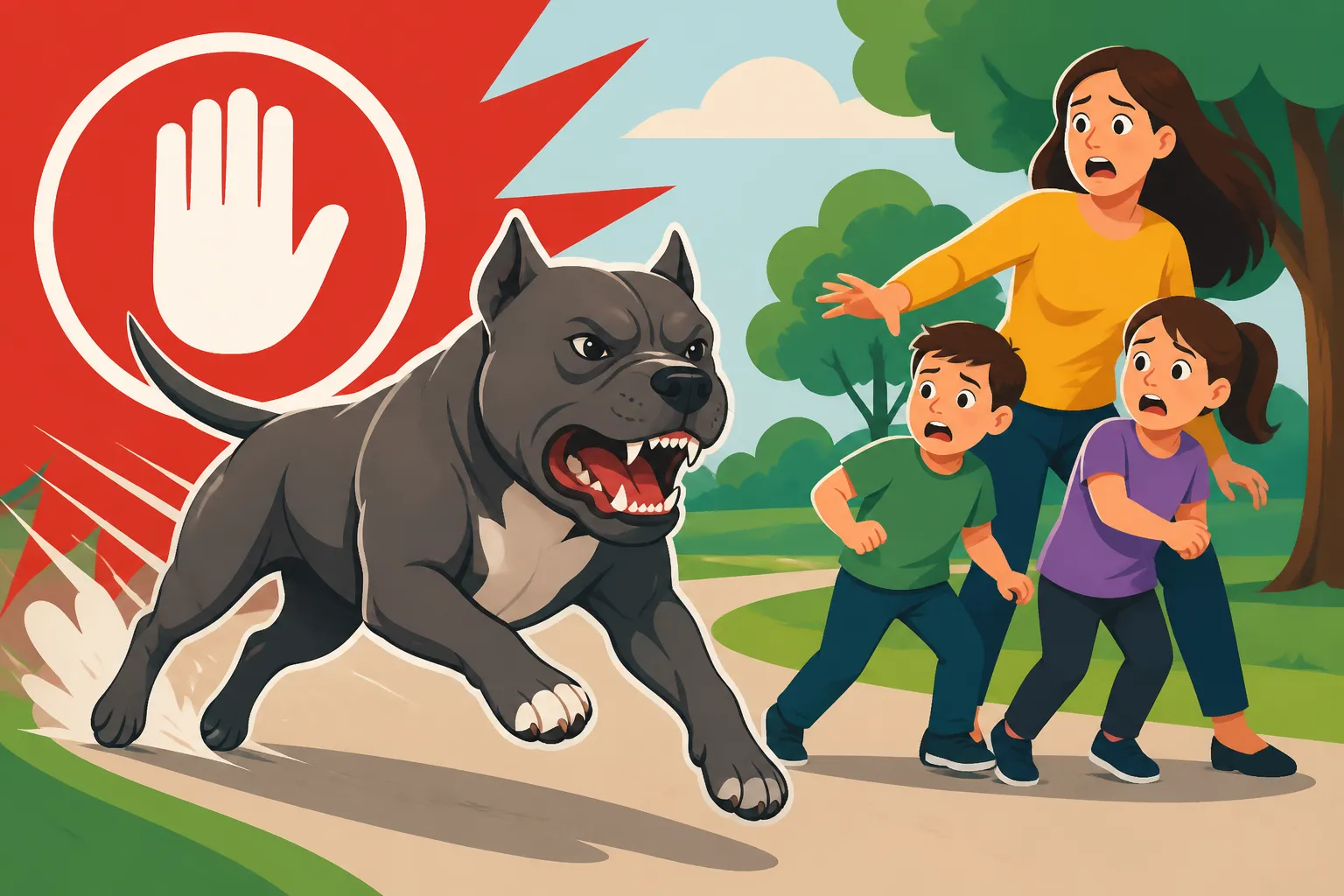
Pit Bulls, like many terrier breeds, often possess a strong prey drive. This instinct to chase and capture small, fast-moving objects or animals is hardwired and incredibly powerful. A squirrel darting across a path, a rabbit hopping through the underbrush, or even a child running and squealing could trigger this drive. Once that switch is flipped, even the most obedient Pit Bull might tune out commands in favor of pursuing its instinct. While this might be manageable in a securely fenced yard, in a public park, it could lead your dog into traffic, or worse, result in a chase that ends in injury to a small animal or even a child who stumbles. This isn't aggression; it's instinct, and it’s why something like Pit Bull Prey Drive Toward Cats often needs careful management, even indoors.
Dog Selectivity and Intense Play Style
Many Pit Bulls exhibit what's often referred to as "dog selectivity" or "dog tolerance." This means that while they might coexist peacefully with dogs they live with or are deeply familiar with, they may not tolerate unknown dogs, especially those that approach too quickly, rudely, or with an assertive posture. This isn't to say all Pit Bulls are dog aggressive, but rather that their threshold for tolerating unknown canine interactions can be lower, and their play style can be incredibly intense and physical. What seems like playful roughhousing to your Pit Bull could be terrifying or even injurious to a smaller, more delicate dog, or misinterpreted as an attack by their owner. When your dog is off-leash, you lose the ability to manage these interactions, and a simple sniff-and-greet can escalate rapidly. Understanding Pit Bull Dog Selectivity and Multi-Dog Homes can help you manage interactions, but it's a far more controlled environment than an open park.
Physical Strength and Speed
Pit Bulls are robust, muscular, and surprisingly agile dogs. Their physical prowess, which makes them such excellent working and sporting dogs, also means that if they do decide to pursue something or react negatively, they can do so with impressive speed and power. A loose Pit Bull can cover a significant distance in seconds, making it incredibly difficult to recall or intercept if a situation goes sideways. Even if your dog has an excellent recall in a controlled environment, the myriad distractions of a public space – scents, sounds, other dogs, people – can easily override that training when combined with instinct. Pit Bull Leash Manners and Physical Strength are paramount precisely because of this power; trying to handle that power off-leash is simply too risky for all involved.
Responsible Management and Safe Exercise Alternatives
Acknowledging these challenges doesn't mean your Pit Bull can't live a full, enriching life. On the contrary, it means being a truly responsible owner who prioritizes safety and understanding. There are many ways to ensure your Pit Bull gets plenty of exercise and mental stimulation without the risks associated with off-leash public access.
Long Line Work in Safe, Controlled Environments
One of the best alternatives for giving your Pit Bull a sense of freedom, while maintaining safety, is using a long line. A 30-foot or 50-foot training line, attached to a well-fitting harness, allows your dog to explore, sniff, and even run a good distance while you maintain control. This is fantastic for open fields, large parks during off-peak hours (where allowed), or even beach walks. It gives them more room than a standard leash but still allows you to step on the line, reel them in, or redirect them if a potential conflict or distraction arises. Investing in durable Long Line Hardware That Holds a Pit Bull is crucial for this type of exercise. Always check local leash laws and ensure the area is truly suitable before using a long line.
Secure Dog Parks or Private Land
While regular dog parks can be risky for dog-selective Pit Bulls due to the unpredictable nature of other dogs, some communities offer separately fenced, smaller dog park areas, or even rentable private dog parks. These controlled environments can be a fantastic way for your Pit Bull to stretch their legs and play securely. Look for parks where you know the other dogs and owners, or consider renting a private dog field for an hour. This provides a worry-free space for your dog to run, chase balls, and simply be a dog, without the heightened anxiety of unexpected interactions.
Structured Exercise and Mental Stimulation
Remember, mental exercise is just as important as physical exercise for a Pit Bull. Engaging your dog's mind can be just as tiring and fulfilling as a long run. Consider activities like:
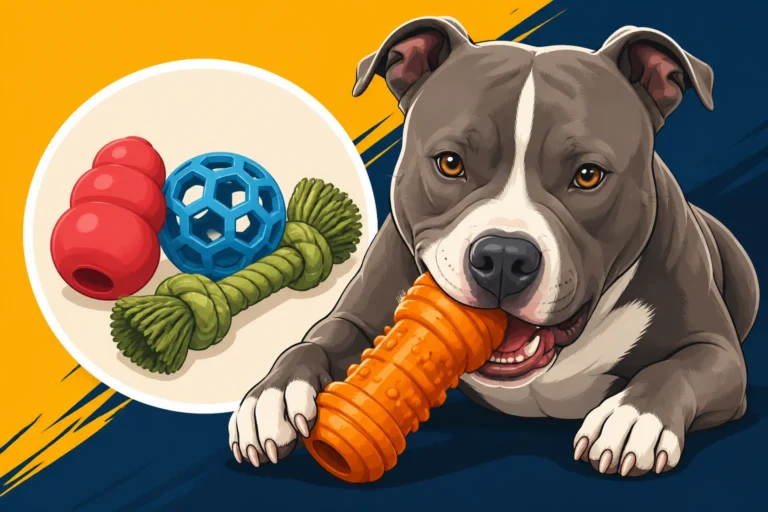
- Flirt Poles: A fantastic way to tap into their prey drive safely in your yard. It’s like a giant cat toy for dogs, allowing them to chase, leap, and tug without interacting with other animals.
- Scent Work/Nose Work: Hiding treats or toys and having your dog sniff them out is incredibly engaging and mentally stimulating. You can even join local classes or clubs.
- Tug-of-War: A great energy burner, provided you establish clear rules about dropping the toy on command.
- Advanced Obedience Training: Continually challenging your Pit Bull with new commands, tricks, or even agility training builds focus and strengthens your bond. Consider online platforms like BAXTER & Bella for structured training programs that you can do at home. Their puppy and dog training programs offer comprehensive guidance that can lead to a highly responsive dog, even if you never intend for them to be off-leash in public.
- Puzzle Toys: Toys that dispense kibble or treats as your dog manipulates them can keep their mind busy and prevent boredom. You can find a wide variety of these on Amazon.
These activities, combined with regular leashed walks, can easily meet The Daily Exercise a Pit Bull Actually Needs without ever putting them or others at risk in an off-leash public setting.
Leash-Only Policy in Public
Ultimately, the safest and most responsible approach for a Pit Bull in public is to maintain a strict leash-only policy. This allows you to control interactions, manage distances, and adhere to local ordinances. A sturdy, well-fitting harness and a strong leash are your best tools. Learn to read your dog's body language and the body language of other dogs and people around you. Being proactive in avoiding potential conflicts by stepping off the path or changing direction is a key part of responsible Pit Bull ownership. While it might feel restrictive, it is the most loving way to protect your dog from unfair judgments and potentially devastating consequences. Reading a Pit Bull Body Language Before a Greeting is a vital skill that empowers you to manage these leashed interactions effectively.
By embracing these strategies, you can provide your Pit Bull with a rich, active, and safe life, minimizing risks and fostering understanding, even in a world that often struggles to see them for the wonderful dogs they are.
Disclaimer
This article is for general informational purposes only and does not constitute professional advice. Laws, prices and regulations vary by location and change over time. Consult a qualified professional for guidance on your specific situation.