What Takes Years Off a Pit Bull
It’s a thought none of us wants to entertain, but the reality is that our beloved Pit Bulls, like all dogs, have a finite time with us. The heartbreak of watching them age, or worse, face a sudden health crisis, is something every dog owner fears. We all want to give them the longest, healthiest life possible, but sometimes, despite our best intentions, certain factors can tragically cut their time short. This guide is dedicated to shedding light on the common pitfalls and health challenges that can significantly reduce a Pit Bull's lifespan, offering insight into what you can do to mitigate these risks and advocate for your dog's well-being.
The Shadow of Genetics and Inherited Conditions
It’s a tough truth, but sometimes, despite impeccable care, genetics play a hand in how long our dogs stay with us. Pit Bulls, like many purebred and even mixed-breed dogs, can be predisposed to certain conditions that, if not managed, can shorten their lives or severely impact their quality of life. Understanding these predispositions is the first step in proactive care.
Dealing with Hip and Elbow Dysplasia
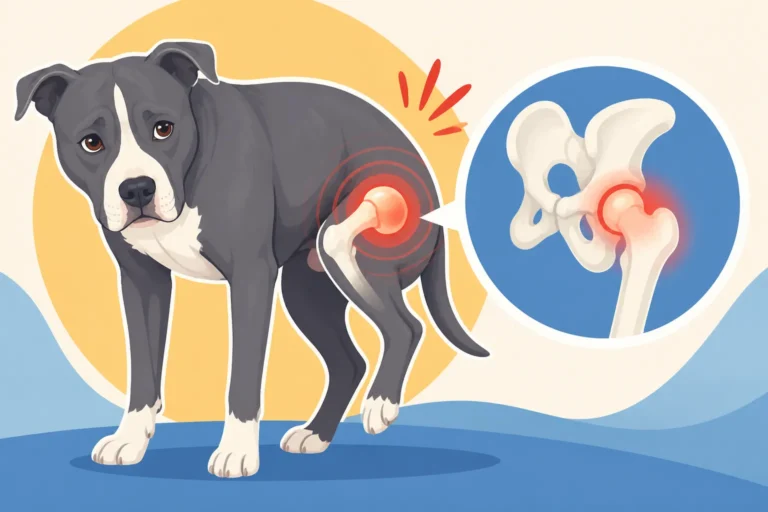
One of the most common skeletal issues we see in powerful, athletic breeds like Pit Bulls is hip and elbow dysplasia. This isn't just about a little limping; it's a degenerative condition where the joints don't form correctly, leading to painful arthritis, reduced mobility, and a cascade of secondary issues. Imagine trying to live your life with constant joint pain – it’s debilitating. For a dog that thrives on movement and activity, this can lead to a sedentary lifestyle, which in turn can bring on obesity and other health problems, further shortening their active years. While it often begins to show signs when your dog is still relatively young, sometimes as early as one or two years old, the chronic pain and inflammation can put immense stress on their entire system over time. Early diagnosis, often prompted by observations like your Pit Bull having trouble getting up, limping after exercise, or a noticeable change in gait, is crucial. If left untreated, the chronic pain can lead to behavioral changes, depression, and a significant reduction in their desire to move, impacting their overall vitality. Ensuring your breeder has done proper health testing, such as OFA or PennHIP evaluations, on their breeding dogs can significantly reduce the risk, but it's never a guarantee. Managing this condition through weight control, anti-inflammatory medications, physical therapy, and sometimes even surgery, is key to giving them more comfortable years. For a deeper dive into these issues, you might find our article on Pit Bull Hip Dysplasia Showing at One to Two Years particularly helpful.
Understanding Heart Conditions in Pit Bulls
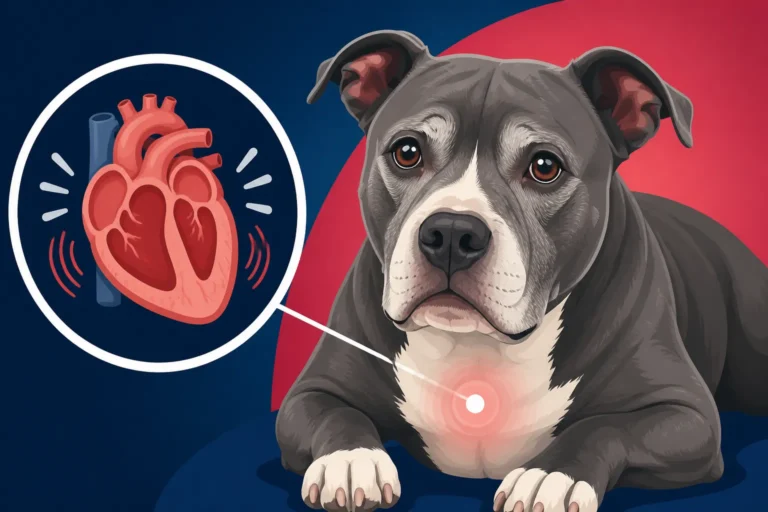
Another silent thief of years for Pit Bulls can be various heart conditions. Some Pit Bulls are unfortunately predisposed to congenital heart defects, meaning they are born with them. Aortic stenosis, for instance, is a condition where the aortic valve, which pumps blood from the heart to the rest of the body, is narrowed. This makes the heart work much harder, leading to strain and eventually heart failure if not managed. While not all heart conditions present obvious symptoms until they are quite advanced, things like fainting, coughing, or tiring easily during exercise can be red flags. Regular veterinary check-ups, where your vet listens carefully to your dog's heart, are vital for early detection. A murmur, which is an abnormal sound heard during a heartbeat, might be the first indication that something isn't right. If a murmur is detected, your vet might recommend further diagnostics like an echocardiogram, which is essentially an ultrasound of the heart. Early diagnosis and management with appropriate medications can often extend a Pit Bull's life by years, helping them maintain a good quality of life despite their condition. Ignoring these signs or skipping vet visits can mean these conditions progress unchecked, leading to a much shorter lifespan than they might otherwise have had. Knowing the signs and getting regular check-ups can truly make a difference, as covered in more detail in Pit Bull Heart and Thyroid Conditions.
Neurological Concerns like Cerebellar Ataxia
While less common than joint or heart issues, certain neurological conditions can also drastically impact a Pit Bull’s longevity and quality of life. Cerebellar Ataxia, for example, is a devastating genetic disorder seen in some American Staffordshire Terriers (a type often grouped under the "Pit Bull" umbrella). This condition affects the cerebellum, the part of the brain responsible for coordination, balance, and motor skills. Dogs affected by it experience progressive incoordination, tremors, and difficulty with voluntary movements. Imagine being unable to walk straight, experiencing constant tremors, and losing control of your body. The onset typically occurs between 3 to 5 years of age, and tragically, it is a progressive and ultimately fatal condition. There is a DNA test available for this specific mutation, which makes it preventable through responsible breeding practices. Any reputable breeder of American Staffordshire Terriers should be testing their breeding stock for this, to ensure they aren't passing on this heartbreaking condition. If you're considering a Pit Bull-type dog, especially an AmStaff, asking about this test and understanding the results (clear, carrier, or affected) is paramount. While there's no cure, understanding the genetic risks and seeking early veterinary consultation for any signs of unsteadiness or tremors is crucial. Our article, Cerebellar Ataxia in an American Staffordshire Terrier, provides further reading on this challenging condition.
The Critical Role of Lifestyle and Environment
Beyond genetics, the day-to-day choices we make for our Pit Bulls – what they eat, how much they move, and what they’re exposed to – profoundly influence their health trajectory and, ultimately, their lifespan. These aren't minor details; they are foundational pillars of a long, healthy life.
The Silent Threat of Obesity and Poor Nutrition
Let's be brutally honest: one of the biggest silent threats to a Pit Bull's lifespan is obesity, often stemming from poor nutrition. It's so easy to overfeed our dogs, especially when they give us those adorable puppy-dog eyes, but every extra pound places immense strain on their joints, heart, and internal organs. An overweight Pit Bull is at a significantly higher risk for developing joint problems like arthritis (exacerbating any existing dysplasia), diabetes, heart disease, high blood pressure, and even certain types of cancer. Think about it: a dog that's supposed to be lean and athletic, carrying an extra 10-15 pounds, is constantly working harder just to exist. This shortens their lifespan not just by making them more prone to disease, but by reducing their mobility and quality of life.
The food we offer also plays a crucial role. Feeding a diet high in fillers, artificial ingredients, or that is simply not nutritionally balanced for a dog of their size and activity level can contribute to chronic inflammation, poor coat health, and a weakened immune system. A high-quality diet, portioned correctly, is essential. This often means carefully measuring their food instead of free-feeding or guessing, and limiting high-calorie treats. It's about finding that sweet spot where they maintain a lean, muscular physique without being too thin or carrying excess fat. If you’re unsure if your Pit Bull is at a healthy weight, consult your vet. They can help you assess their body condition score, which is a much more accurate indicator than just stepping on a scale. Addressing issues like Pit Bull Obesity and Joint Strain early can add years to their life.
Insufficient Exercise and Mental Stimulation
Pit Bulls are incredibly intelligent, strong, and energetic dogs. They thrive on activity and mental challenges. A lack of appropriate exercise and mental stimulation doesn't just lead to destructive behaviors (though it certainly does!), but it can also contribute to a shorter lifespan. When a Pit Bull doesn't get enough physical activity, they are more prone to obesity, as discussed above. Their powerful muscles waste away, their cardiovascular health declines, and their joints stiffen. They become sluggish and less engaged with the world around them.
Beyond the physical, mental stimulation is equally important. A bored Pit Bull can become anxious, stressed, or depressed. These mental states can manifest physically, impacting their immune system, digestive health, and overall resilience. Regular walks, runs, hikes, and engaging play sessions are non-negotiable. Activities like fetch, tug-of-war (with rules!), and even swimming can be fantastic outlets for their energy. But don't forget their brains! Puzzle toys, scent work, obedience training, and learning new tricks keep their minds sharp and engaged. A Pit Bull that is physically and mentally fulfilled is a happier, healthier dog, less prone to stress-related ailments and more likely to live a full, vibrant life. Making sure your Pit Bull gets The Daily Exercise a Pit Bull Actually Needs is a direct investment in their longevity.
Environmental Hazards and Toxin Exposure
Our homes and yards, seemingly safe havens, can sometimes hide environmental hazards that slowly chip away at our Pit Bull’s health and lifespan. Exposure to toxins, whether acute or chronic, can have devastating effects. This includes common household cleaners, pesticides and herbicides used in yards, certain plants (both indoor and outdoor), and even human foods that are toxic to dogs. Think about how many cleaning products you have under your sink, or how many plants you might have around your home. Many are harmful if ingested.
Beyond direct ingestion, repeated exposure to allergens in their environment can trigger chronic skin issues and allergies, leading to discomfort, secondary infections, and a constant burden on their immune system. This doesn't directly shorten their life in a dramatic way, but the chronic inflammation and stress on their body can contribute to a reduced quality of life and potentially lead to other complications over time. Even things like excessive sun exposure for Pit Bulls with light or pink noses can lead to sunburn and increase the risk of skin cancer over many years. Being vigilant about pet-proofing your home, choosing pet-safe lawn care products, and knowing which common household foods are dangerous (like chocolate, xylitol, grapes, onions) are crucial steps. A safe environment is a cornerstone of a long, healthy life.
| Factor Reducing Lifespan | Immediate Impact | Long-Term Impact on Pit Bulls | Preventative/Mitigation Strategy |
|---|---|---|---|
| Obesity | Joint strain, lethargy | Arthritis, diabetes, heart disease, certain cancers, reduced mobility | Measured portions, high-quality diet, regular exercise, vet consultation for weight management |
| Untreated Heart Disease | Reduced stamina, coughing | Congestive heart failure, sudden cardiac events | Regular vet check-ups, early detection (listening for murmurs), medication as prescribed |
| Poor Dental Health | Pain, bad breath | Systemic infections, heart/kidney disease from bacteria | Daily brushing, dental chews, professional cleanings |
| Lack of Exercise/Stimulation | Boredom, destructive behavior | Obesity, muscle atrophy, anxiety, stress-related illness | Daily walks, runs, puzzle toys, training, dog sports |
| Chronic Allergies/Skin Issues | Itching, discomfort, infections | Chronic inflammation, immune system burden, behavioral issues | Allergy management, medicated baths, diet, environmental control, vet care |
| Uncontrolled Parasites | Itching, discomfort, anemia | Organ damage (heartworm), severe illness, death | Year-round preventatives, regular fecal exams |
| Exposure to Toxins | Vomiting, seizures, organ damage | Organ failure, cancer, death | Pet-proofing home/yard, knowing toxic foods/plants, immediate vet care for ingestion |
| Skipped Vet Check-ups | Undiagnosed illness | Progression of disease, reduced treatment options | Annual/biannual vet visits, bloodwork as recommended |
The Impact of Preventative Care and Early Detection
Think of preventative care as your Pit Bull's life insurance policy. It's not just about reacting when something goes wrong; it's about staying ahead of potential problems and catching them when they're most treatable. Neglecting these basics is a surefire way to shave years off their life, often without you even realizing it until it's too late.
Skipping Regular Veterinary Check-ups
This is perhaps the most fundamental way owners inadvertently reduce their Pit Bull's lifespan. We all lead busy lives, and sometimes a vet visit feels like just another item on an endless To-Do list, especially if your dog seems perfectly healthy. But those annual (or even biannual for seniors) check-ups are so much more than just a quick peek and a shot. Your veterinarian is a trained professional who can spot subtle changes in your Pit Bull's health that you might miss. They can detect heart murmurs before they become full-blown heart disease, identify early signs of joint pain, notice lumps or bumps that could be cancerous, or pick up on dental issues that are brewing beneath the surface.
During these visits, your vet assesses everything from their weight and muscle condition to their coat, eyes, ears, and overall demeanor. They can also recommend appropriate screening tests, like blood work for older dogs, to check organ function and catch diseases like kidney or liver issues early, when interventions can be most effective. Skipping these appointments means that a minor issue could fester and become a major, life-threatening problem before you ever notice symptoms at home. It’s an easy trap to fall into, thinking “they seem fine,” but early detection is truly the biggest gift you can give your Pit Bull for a longer life. Pet insurance providers like Healthy Paws can also ease the financial burden of these regular check-ups and any subsequent treatments, making consistent care more accessible. Remember, a stitch in time saves nine, and in the case of your Pit Bull, it could save years. For what information you should be tracking, consider reading What a Pit Bull Health History Should Cover.
Neglecting Vaccinations and Parasite Control
It might seem obvious, but sadly, many dogs still fall victim to preventable diseases because their vaccination schedules aren't kept up-to-date, or they aren't on consistent parasite control. Diseases like rabies, distemper, parvovirus, and leptospirosis are deadly, and Pit Bulls are just as susceptible as any other breed. While many of us vaccinate our puppies diligently, it’s easy to let booster shots slip as they get older. Yet, maintaining immunity throughout their lives is critical.
Equally important, and often overlooked, is consistent parasite control. Heartworm disease, transmitted by mosquitoes, is a silent killer that causes irreversible damage to the heart and lungs. Fleas and ticks, beyond causing discomfort and skin irritations, can transmit other serious diseases like Lyme disease, Ehrlichiosis, and Anaplasmosis, which can lead to chronic illness and reduced lifespan. These are not just seasonal threats; many parasites are present year-round in various climates. Investing in year-round heartworm, flea, and tick prevention is non-negotiable for a Pit Bull's long-term health. These simple, regular treatments can prevent devastating diseases that would otherwise steal years from your dog's life. Think of it as a small, consistent effort that yields massive dividends in longevity and quality of life.
The Overlooked Importance of Dental Health
You might wonder how a dog's teeth could possibly shorten their life, but poor dental health is a far greater threat than most owners realize. Just like in humans, plaque and tartar buildup on a dog's teeth can lead to gingivitis and periodontal disease. This isn't just about bad breath; it's a gateway for harmful bacteria. When a Pit Bull has severe periodontal disease, these bacteria don't stay confined to the mouth. They can enter the bloodstream, travel to major organs like the heart, kidneys, and liver, and cause serious infections or damage. This chronic bacterial assault places an immense strain on their immune system and can lead to organ failure over time, significantly shortening their life.
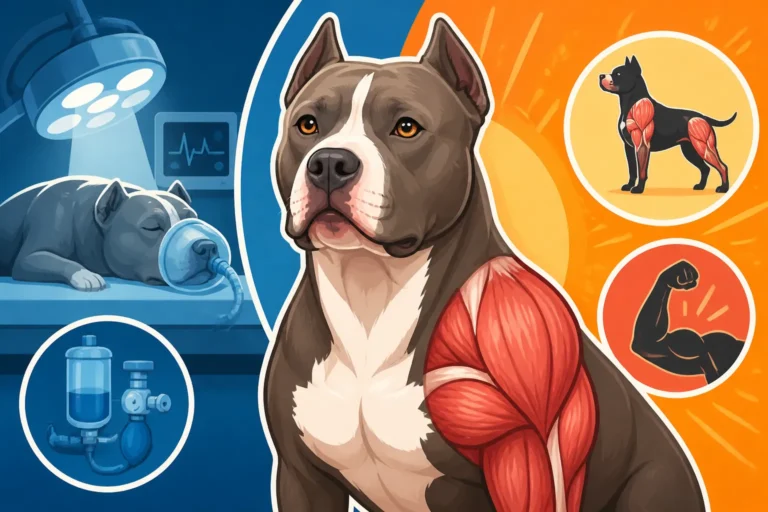
Pit Bulls, with their powerful jaws and love for chewing, can also suffer from broken or cracked teeth, which are not only painful but also pathways for infection. Regular home dental care, such as brushing your Pit Bull’s teeth daily or offering dental chews specifically designed to reduce plaque, is incredibly important. But even with good home care, most dogs will eventually need professional dental cleanings under anesthesia, where vets can thoroughly clean beneath the gumline and address any issues. Neglecting their teeth is like ignoring a ticking time bomb in their mouth. Many owners report seeing a dramatic improvement in their dog's overall health and energy after a thorough dental cleaning, highlighting just how much this seemingly minor issue can impact their general well-being. Keeping an eye on Pit Bull Dental Disease and Hard Chewing is vital.
Managing Chronic Illnesses and Unforeseen Accidents
Life with a Pit Bull is often an adventure, but it also means being prepared for the curveballs that chronic illnesses and unexpected accidents can throw our way. How we manage these situations can critically determine whether our dogs live a full, happy life or have their time cut short.
The Wear and Tear of Chronic Allergies and Skin Issues
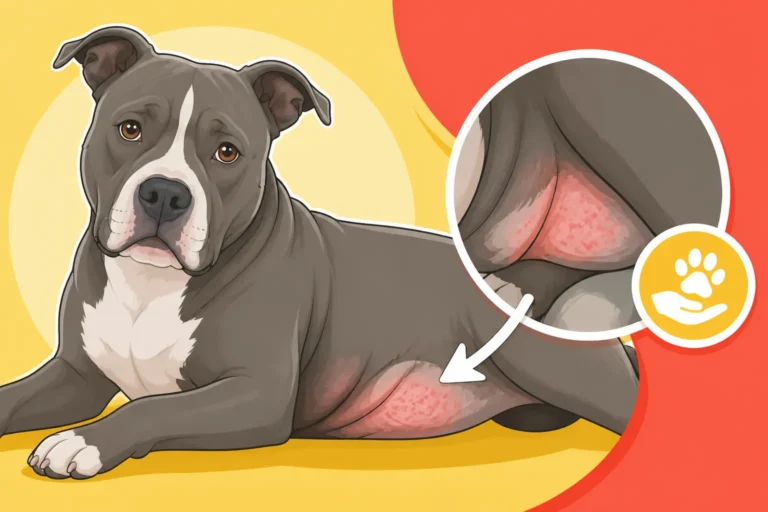
Pit Bulls, sadly, are notoriously prone to skin allergies, often manifesting as atopic dermatitis or environmental allergies. While it might seem like "just an itch," chronic, uncontrolled allergies can severely impact a Pit Bull's quality of life and, indirectly, their lifespan. Imagine living with constant itching, scratching, licking, and chewing your paws. This isn't just uncomfortable; it leads to irritated skin, secondary bacterial and yeast infections (pyoderma and malassezia dermatitis), hot spots, and chronic inflammation. The constant burden on their immune system, coupled with stress from discomfort, can take its toll over years.
Furthermore, the continuous licking and chewing can lead to open sores, which are painful and increase the risk of deeper infections. The treatments for chronic allergies – special diets, medicated shampoos, antihistamines, immune-modulating drugs like Apoquel or Cytopoint, or even allergy shots (immunotherapy) – require consistent management and can be costly. If these issues are left unaddressed due to cost or lack of awareness, the dog lives in perpetual discomfort, and the chronic inflammation can contribute to other health problems down the line. A Pit Bull that is constantly scratching and miserable isn't living their best life, and the underlying immune system strain is a silent threat. Many owners find financial assistance through pet insurance like Healthy Paws to cover the ongoing costs of allergy management, helping them provide the best care without financial strain. For more information on this, check out Pit Bull Skin Allergies and the Atopy Pattern.
Battling Cancers and Other Age-Related Diseases
As Pit Bulls age, like all dogs, they become more susceptible to various cancers and age-related degenerative diseases. Cancers can range from mast cell tumors, which are common and can be aggressive, to osteosarcoma (bone cancer), lymphoma, or carcinomas. The grim reality is that some cancers are highly aggressive and can progress rapidly, even with the best treatment, drastically shortening a dog's life. Early detection is, once again, paramount. Regularly checking your Pit Bull for any new lumps or bumps, changes in appetite, unexplained weight loss, lethargy, or changes in bathroom habits, and bringing these to your vet's attention promptly, can be life-saving.
Beyond cancer, other age-related conditions such as cognitive dysfunction (canine dementia), severe arthritis that no longer responds to medication, kidney disease, or liver failure can also significantly reduce quality of life and ultimately shorten lifespan. While we can't prevent aging, proactive management and supportive care can make a huge difference. This includes regular vet check-ups for senior dogs, appropriate pain management for arthritis, and dietary changes or medications to support failing organs. Making sure your aging Pit Bull has every comfort and receives timely medical intervention for these conditions can ensure their final years are as comfortable and extended as possible. More on this topic can be found in Cancers That Show Up in an Older Pit Bull.
Unpreventable Accidents and Trauma
Sometimes, despite all our best efforts, life throws an unpreventable curveball in the form of an accident or sudden trauma. This is perhaps the most heartbreaking way a Pit Bull’s life can be cut short, as it often happens unexpectedly and without warning. This could include being hit by a car (even if they escape for a moment), severe falls, or altercations with other animals. For highly athletic and muscular dogs like Pit Bulls, injuries such as a torn cranial cruciate ligament can occur during vigorous play or sudden movements. While a Cruciate Ligament Tears in a Muscular Pit Bull can be repaired, it’s a serious injury that requires extensive recovery and can impact their long-term mobility if not managed properly.
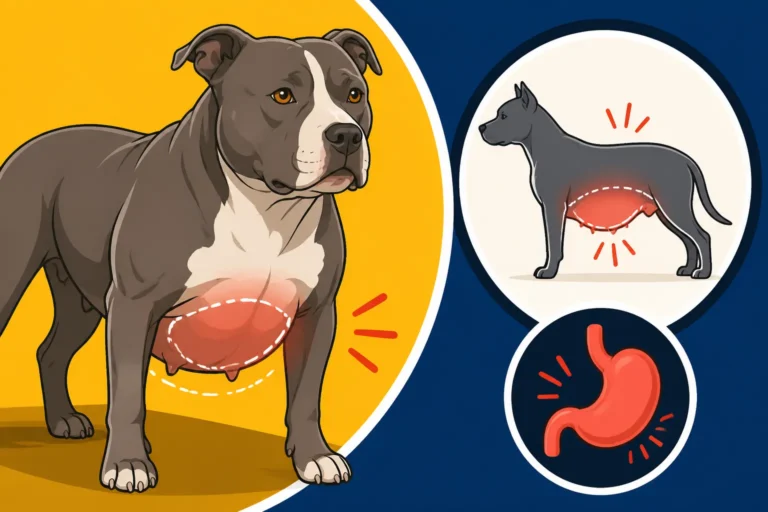
Even things like ingesting a foreign object (a toy, a piece of clothing, or a stick) can lead to life-threatening blockages requiring emergency surgery. While some accidents are truly unpreventable, many can be mitigated by keeping your Pit Bull on a leash in unfenced areas, ensuring your yard is securely fenced, supervising playtime with other dogs, and providing appropriate, indestructible toys. Teaching a solid "leave it" and recall command can literally save their life in an emergency. These are the moments when we realize how fragile life can be, and how quickly it can change.
The Mental and Emotional Toll on Lifespan
We often focus on the physical health of our Pit Bulls, but their mental and emotional well-being are just as critical to their overall health and longevity. Chronic stress, anxiety, or a lack of proper socialization can create a cascade of physical problems that chip away at their lifespan.
The Stress of Poor Socialization and Training
Pit Bulls, with their powerful build and certain stereotypes, face immense scrutiny in public. This means that impeccable manners and sound temperament are not just desired, they are often necessary for their safety and acceptance in society. Poor socialization during puppyhood and inadequate training can lead to a dog that is fearful, anxious, or reactive in novel situations or around strangers and other dogs. Imagine a large, powerful dog constantly living in a state of fear or arousal when out in the world. This chronic stress takes a significant toll on their body.
Long-term stress elevates cortisol levels, which can suppress the immune system, making them more susceptible to illness. It can also exacerbate existing conditions, contribute to digestive issues, and even impact cardiovascular health. A poorly socialized Pit Bull might also be prone to behavioral problems that could lead to incidents, which, in extreme cases, can lead to difficult decisions about their future or even euthanasia due to public safety concerns. Investing time and effort into early, positive socialization and consistent training is not just about having a well-behaved dog; it’s about fostering a confident, resilient companion who can navigate the world without undue stress. This contributes massively to a happier, healthier, and ultimately longer life.
The Effects of Separation Anxiety and Chronic Stress
Pit Bulls are often deeply bonded with their families, and while this loyalty is endearing, it can also manifest as separation anxiety if not managed properly. A dog with severe separation anxiety experiences intense distress when left alone, leading to destructive behaviors, excessive barking, house-soiling, and self-harm. This isn't just about chewed furniture; it's about a dog in a state of panic and fear for hours on end.
Chronic stress, whether from separation anxiety, an unstable home environment, constant loud noises, or inadequate exercise, has profound physiological effects. It can lead to a weakened immune system, increased susceptibility to infections, digestive upsets, skin problems, and even changes in brain chemistry. Dogs, much like humans, suffer physically when under prolonged psychological strain. Addressing separation anxiety through positive reinforcement, desensitization, counter-conditioning, and sometimes even medication or professional behaviorist intervention, is crucial for their mental and physical health. A Pit Bull that feels secure and loved, with a predictable routine and appropriate outlets for their energy, is a dog that's likely to thrive and live a longer, more fulfilling life. Just as we consider conditions like Anesthesia and Muscle Mass in a Pit Bull important for physical health, we must consider the unseen mental toll.
It's a lot to consider, but understanding these factors empowers us as Pit Bull owners. We want to enjoy every precious moment with them, and by being proactive, attentive, and advocating for their best health, we can work towards ensuring they live the longest, happiest, and healthiest lives possible. Sometimes, it’s recognizing that even a Whether a Pit Bull Mix Lives Longer can still face these challenges.
Disclaimer
This article is for informational purposes only and is not a substitute for professional veterinary advice. Always consult with a qualified veterinarian for any health concerns or before making any decisions about your Pit Bull's care.