Pit Bull Zinc-Responsive Skin Disease
It’s incredibly frustrating when your beloved Pit Bull is constantly uncomfortable, scratching, and developing mysterious skin lesions, especially when you’ve tried everything from dietary changes to various shampoos with no lasting relief. Sometimes, the issue isn't a typical allergy or infection, but a specific problem with how their body handles an essential mineral: zinc. This guide is dedicated to helping you understand and navigate Pit Bull zinc-responsive skin disease, a condition that can be easily mistaken for other issues but responds dramatically to the right treatment.
Understanding Pit Bull Zinc-Responsive Skin Disease
Zinc-responsive dermatosis, as it's often called, is a mouthful, but what it boils down to is your Pit Bull's body struggling to utilize zinc effectively, despite often having enough of it in their diet. It’s not necessarily a deficiency of zinc in the food, but rather an absorption problem or a metabolic quirk that means their system isn't getting what it needs from the zinc present. This leads to a cascade of skin issues that can be incredibly uncomfortable for your dog and confusing for you, as the symptoms can mimic many other common dermatological problems.
The Underlying Cause: Zinc Absorption Challenges
For many breeds, particularly those with a predisposition like Siberian Huskies, Alaskan Malamutes, and surprisingly, certain lines of Pit Bulls and related bully breeds, the problem lies in the gut's ability to absorb zinc from food or the body's ability to process it once absorbed. There are two main types of zinc-responsive dermatosis: Type I, which is genetically inherited and seen in breeds like Huskies and Malamutes, where there's a defect in zinc absorption regardless of diet; and Type II, which is often seen in fast-growing, large breed puppies (though less common in Pit Bulls specifically for this type) or dogs on diets high in calcium or plant phytates that bind to zinc, making it unavailable. Pit Bulls tend to fall more into the Type I category or an atypical version of it, where even a well-balanced diet just isn't cutting it for their specific metabolic needs. It’s a subtle but critical distinction – it's not about giving them more zinc-rich food, but about helping their body use the zinc.
Recognizing the Specific Symptoms
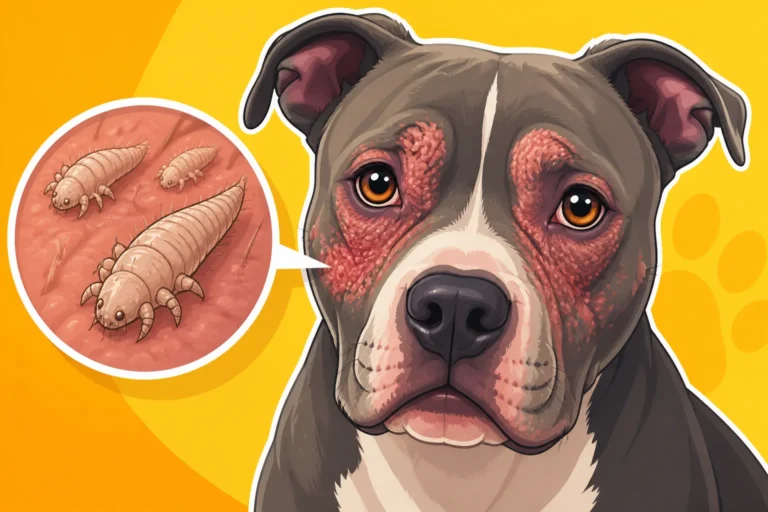
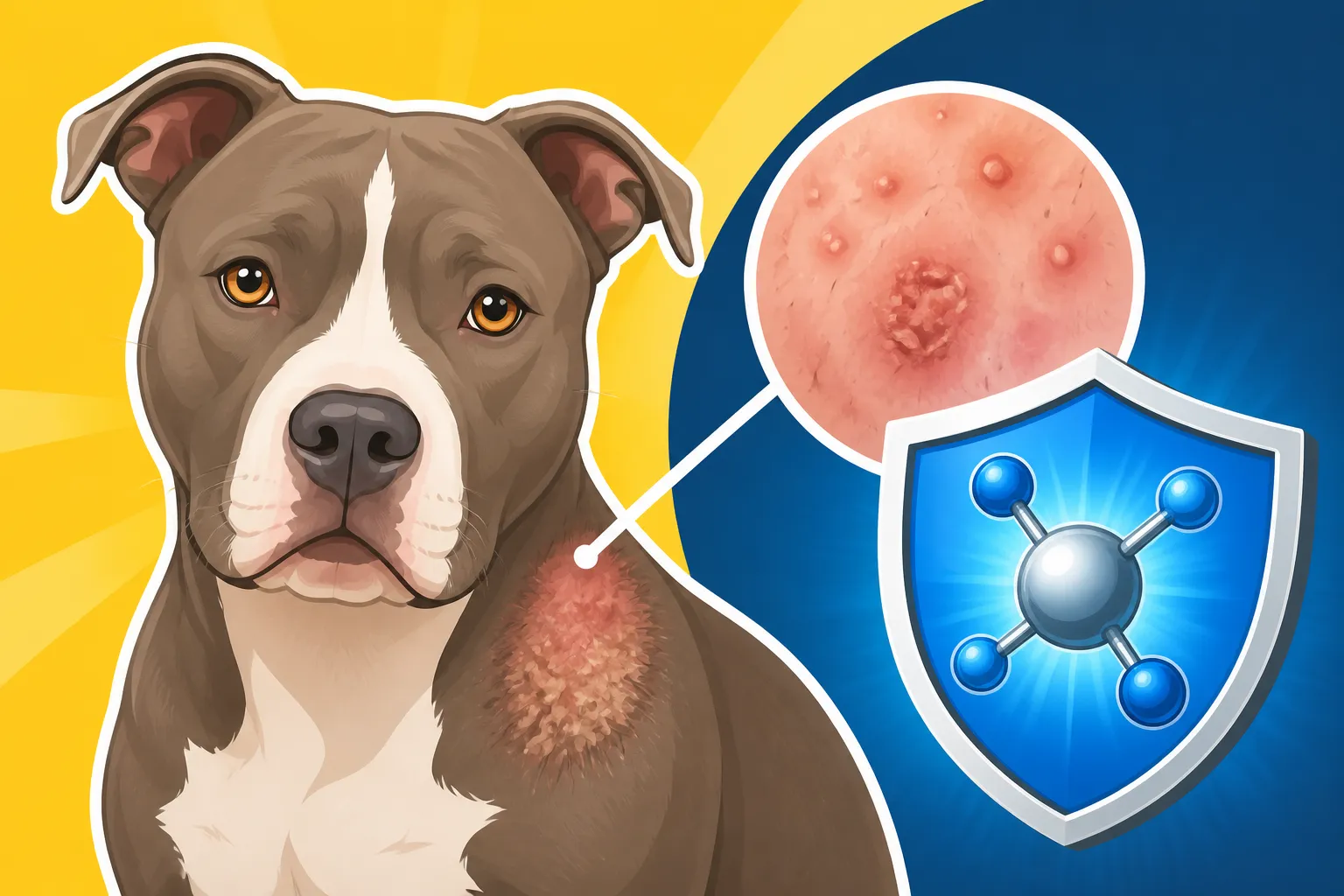
The signs of zinc-responsive skin disease aren't just general itchiness all over, which can be a hallmark of Pit Bull Skin Allergies and the Atopy Pattern. Instead, you'll often see very distinct, symmetrical lesions. These typically appear around the face – think around the eyes, muzzle, chin, and ear flaps. You might notice crusting, scaling, and thickening of the skin in these areas. It can look like rough, greyish patches, sometimes with hair loss. Beyond the face, these lesions can also show up on the pressure points of the body, such as the elbows, hocks, and even the footpads, making them painful and prone to cracking.
Imagine your Pit Bull, usually so vibrant and full of life, constantly rubbing their face on the carpet, almost desperately trying to relieve the intense irritation around their lips and nostrils. The skin in these areas might become so inflamed that it looks angry, even infected. Owners sometimes initially assume it's just a particularly bad reaction to pollen or a contact allergen because of the facial involvement. However, unlike typical allergies which might involve widespread itching or Pit Bull Paw Licking and Chewing, zinc-responsive dermatosis tends to concentrate on those specific, vulnerable spots, leading to a much more localized and severe skin breakdown. This persistent irritation often opens the door for opportunistic bacteria and yeast, complicating the picture with Pit Bull Hot Spots and Secondary Infection.
Diagnosing Zinc-Responsive Skin Disease
Getting a definitive diagnosis for zinc-responsive skin disease can be a bit of a journey, primarily because its symptoms overlap with so many other common skin conditions in Pit Bulls. Your veterinarian will often need to rule out a host of other culprits before landing on zinc deficiency as the primary cause. This process can be frustrating for owners, as it involves a series of tests and sometimes trial treatments that don't quite hit the mark.
The Diagnostic Journey: Skin Biopsies are Key
The gold standard for diagnosing zinc-responsive skin disease is a skin biopsy. This involves taking a small tissue sample from one of the affected areas, usually under local anesthesia or light sedation, and sending it to a specialized veterinary pathologist. The pathologist then examines the tissue under a microscope, looking for characteristic changes that point specifically to zinc deficiency, such as parakeratosis (abnormal keratinization) and inflammation around hair follicles. Blood tests for zinc levels aren't always conclusive, as a dog can have normal blood zinc levels but still struggle with absorption at the cellular level where it matters most for skin health.
Before a biopsy, your vet will likely perform other common diagnostic tests. They might do skin scrapings to look for mites like Demodex, which cause Demodex Mange in a Pit Bull. They'll also typically run cytology to check for yeast or bacterial infections, which are very common secondary invaders when the skin barrier is compromised. If these tests come back negative, or if treatments for them don't resolve the primary issue, that's when a skin biopsy becomes crucial. It’s about peeling back the layers of possibilities until the true cause is revealed.
Ruling Out Other Common Skin Conditions
Because the symptoms can be so similar, zinc-responsive dermatosis is often a diagnosis of exclusion. Your vet will systematically eliminate other, more common conditions that cause similar signs. For instance, Food Allergies Behind Pit Bull Itching can also cause facial irritation and skin lesions, but usually respond to a strict Limited Ingredient Diets for an Itchy Pit Bull food trial. Environmental allergies (atopy) might also cause similar symptoms, but often present with more generalized itching and respond to allergy medications or Apoquel and Cytopoint for an Itchy Pit Bull.
A classic scenario might involve your vet initially suspecting a bacterial skin infection (pyoderma) or a yeast infection, especially if your Pit Bull has Pit Bull Belly Rash and Contact Allergy or irritation in their Pit Bull Ear Infections and What Drives Them. They might prescribe antibiotics or antifungals, and you might see some temporary improvement as the secondary infections clear up. However, the underlying zinc-related skin problem will persist, and the lesions will likely return once the medication stops, leading you back to square one. This iterative process, though necessary, can be taxing on both you and your dog, highlighting the importance of a definitive diagnosis.
Treating and Managing Zinc-Responsive Skin Disease
Once your Pit Bull has a confirmed diagnosis of zinc-responsive skin disease, the good news is that treatment is usually straightforward and highly effective. The key is consistent supplementation and addressing any secondary issues that have cropped up due to the compromised skin. This isn't a condition that typically "goes away" on its own, but it is one that can be managed very well, allowing your dog to live a comfortable, itch-free life.
Zinc Supplementation: The Cornerstone of Treatment
The primary treatment involves giving your Pit Bull oral zinc supplements. There are several forms available, including zinc sulfate, zinc gluconate, and zinc methionine, with zinc methionine often being favored due to its better bioavailability (meaning the body absorbs and utilizes it more effectively). The dosage is crucial and should always be determined by your veterinarian. Giving too much zinc can lead to zinc toxicity, which has its own set of serious health problems. It's a delicate balance to strike – enough to overcome the absorption issue, but not so much as to cause harm.
Most dogs will need lifelong supplementation, but once the initial lesions heal, your vet may try to reduce the dosage to the lowest effective amount to maintain skin health. It's not uncommon to see a dramatic improvement in your Pit Bull's skin within a few weeks to a couple of months of starting supplementation. The crusts will begin to flake off, hair will regrow, and the skin will become less inflamed and thickened. Consistency is paramount; skipping doses can lead to a resurgence of symptoms. Some owners find it helpful to integrate Supplements That Help Pit Bull Skin that are specifically formulated to support overall skin barrier health, in addition to the targeted zinc.
Dietary Considerations and Secondary Care
While zinc-responsive skin disease isn't typically a Food Allergies Behind Pit Bull Itching, certain dietary factors can influence zinc absorption. Diets high in calcium, for example, can interfere with zinc uptake in the gut. While you shouldn't drastically change your dog's diet without vet guidance, it's worth discussing your Pit Bull's current food with your vet to ensure it's not inadvertently hindering treatment. Generally, a high-quality, balanced diet is recommended.
Because the skin barrier is often severely compromised in affected dogs, secondary bacterial and yeast infections are very common. These opportunistic infections can cause intense itching, redness, and a distinct odor, making your Pit Bull even more miserable. Addressing these secondary infections is an integral part of the treatment plan. This often involves courses of oral antibiotics or antifungals, and sometimes regular Medicated Baths for a Pit Bull With Atopy using specialized shampoos to calm the skin and kill off yeast or bacteria. These secondary treatments help to alleviate discomfort quickly while the zinc supplementation works its magic on the underlying cause.
Living with Zinc-Responsive Skin Disease
Receiving a diagnosis of zinc-responsive skin disease might feel daunting, but with proper management, your Pit Bull can lead a full, comfortable life. This is typically a condition that requires ongoing attention, but the payoff of seeing your dog's skin heal and their comfort return is incredibly rewarding.
Lifelong Management and Monitoring
For most Pit Bulls diagnosed with zinc-responsive skin disease, treatment is a lifelong commitment. This means continuous zinc supplementation at a dose determined by your veterinarian. It’s important to remember that this isn't a cure, but rather a management strategy that ensures your dog's body gets the zinc it needs. You’ll become adept at observing your Pit Bull’s skin, noting any subtle changes that might indicate a need to adjust their zinc dose or investigate a new secondary infection. Regular follow-up appointments with your vet will be crucial to monitor their progress, assess for any side effects from the supplements, and adjust the treatment plan as needed.
Consider keeping a small journal or a note on your phone to track symptoms, medication administration, and any observations. This detailed record can be invaluable for your vet during check-ups. While the initial flare-ups can be quite dramatic, once under control, most Pit Bulls with this condition maintain excellent skin health, allowing them to focus on being the happy, goofy companions they truly are.
Financial Planning for Chronic Care
Like any chronic condition, managing zinc-responsive skin disease comes with ongoing costs. These include the cost of zinc supplements, regular veterinary check-ups, and potentially medications for secondary infections. While the initial diagnostic process can involve tests like biopsies, once diagnosed, the monthly costs are often predictable.
Here's a simplified look at potential costs:
| Item | Frequency | Estimated Cost Range (USD) |
|---|---|---|
| Zinc Supplements | Monthly | $10 – $50 |
| Vet Check-ups | 2-4 times/year | $50 – $150 per visit |
| Medicated Shampoos | As needed | $20 – $40 per bottle |
| Antibiotics/Antifungals | As needed | $30 – $100 per course |
These numbers are just estimates, and actual costs can vary significantly based on your location, your vet's fees, and the specific medications prescribed. For pet owners concerned about the financial aspect of long-term care, pet insurance can be a valuable tool. Companies like Healthy Paws often offer comprehensive coverage for chronic conditions, though it's essential to understand their policies regarding pre-existing conditions. Enrolling in pet insurance early, before any conditions manifest, can provide peace of mind and help manage the What a Pit Bull Costs a Year With Allergies or other chronic health issues.
Advocacy and Proactive Ownership
Living with a Pit Bull who has zinc-responsive skin disease means being their best advocate. This specific condition isn't as widely recognized by all pet owners as, say, general Pit Bull Skin Allergies and the Atopy Pattern, so you might find yourself explaining it. Being well-informed allows you to ask the right questions at the vet and confidently manage your dog's care. Never hesitate to seek a second opinion from a veterinary dermatologist if you feel your current treatment plan isn't yielding results or if the diagnosis remains elusive. Your proactive approach is the single most important factor in ensuring your Pit Bull remains comfortable and healthy, thriving despite their unique dermatological needs.
Disclaimer
This article is intended for informational purposes only and does not constitute medical advice. Always consult with a qualified veterinarian for any health concerns or before making any decisions about your pet's health or treatment plan.