Two Measured Meals a Day for a Pit Bull
Many Pit Bull owners struggle to strike the right balance in feeding their powerful, athletic companions. It's easy to overfeed or underfeed when you're just scooping, leading to concerns about weight gain, energy levels, or even chronic health issues. This guide is all about simplifying mealtime by focusing on the crucial practice of providing two measured meals a day for your Pit Bull, ensuring they get exactly what they need to thrive.
Why Measured Meals are Crucial for Your Pit Bull’s Health
Let's face it, our Pit Bulls have a reputation for being strong and robust, but that doesn't mean their diet can be left to guesswork. These dogs have a particular body type and metabolism that benefits immensely from precise nutrition. Without measured meals, it's incredibly easy to either shortchange them on essential nutrients or, more commonly, contribute to unhealthy weight gain, which can lead to a whole host of problems down the line.
Understanding Pit Bull Metabolism and Body Composition
Pit Bulls are naturally muscular dogs, and maintaining that lean, powerful physique requires careful management of their calorie intake. They aren't built like some other breeds that can graze all day without consequence. Their metabolism is designed to process fuel efficiently, especially if they're active. When their caloric needs aren't met precisely, you might see them lose muscle tone, or more often, start to pack on unwanted fat. That muscle can sometimes hide extra weight, making it harder to spot until it’s become a significant issue.
Imagine your Pit Bull as an athlete. An athlete needs a specific diet to perform at their peak and recover properly. For our Pit Bulls, this means avoiding the "feast or famine" approach that can lead to digestive upset or inconsistent energy levels. Providing a steady, appropriate amount of food ensures their body has the fuel it needs for daily activities, muscle maintenance, and overall health without excess.
The Dangers of Inconsistent or Overfeeding
It’s tempting to pour a little extra kibble into the bowl, especially when those big, soulful eyes are staring up at you. But those extra handfuls add up quickly, and the consequences for a Pit Bull can be severe. Obesity is a widespread problem in dogs, and Pit Bulls are no exception, despite their active nature. Extra weight puts immense strain on their joints, especially their hips and elbows, which can already be prone to issues like Pit Bull Hip Dysplasia Showing at One to Two Years or Pit Bull Elbow Dysplasia and Front End Lameness.
Beyond joint problems, obesity increases the risk of heart disease, diabetes, and even certain types of cancer. It can exacerbate skin allergies by promoting inflammation and reducing overall immune function. An overweight Pit Bull also struggles with exercise, becoming less active, which in turn leads to more weight gain – a vicious cycle. Moreover, inconsistent feeding schedules can sometimes contribute to issues like bloat, particularly in deep-chested breeds, which some Pit Bull types can be. A predictable feeding routine with measured portions helps mitigate these risks significantly.
Implementing Two Measured Meals Effectively
Moving from free-feeding or guessing with a scoop to precise, measured meals might seem like a big leap, but it's one of the most impactful changes you can make for your Pit Bull's well-being. It’s a habit that pays dividends in their health, energy, and longevity.
Calculating Your Pit Bull's Daily Calorie Needs
This is the bedrock of measured feeding. You can't just pick a number out of thin air. A Pit Bull's exact calorie needs depend on several factors: their age, activity level, current weight, ideal weight, and whether they're spayed or neutered. A growing puppy will need more calories per pound than a sedentary senior. An intact, highly active dog will burn more than a spayed, couch-potato companion.
Start by consulting your veterinarian. They can provide an accurate assessment of your Pit Bull’s ideal weight and recommend a daily caloric intake. Many dog food bags also provide general guidelines based on weight, but these are often broad and designed for a wider range of activity levels, so treat them as a starting point. For instance, a very active Pit Bull might need more calories than the bag suggests for their weight, while a less active one might need less. It's a delicate balance, and your vet's input is invaluable. You might find a detailed breakdown in an article like The Calorie Target for a Lean Pit Bull to help you understand this process further.
Choosing the Right Food and Weighing Portions Accurately
Once you know the daily calorie target, the next step is choosing a high-quality dog food. Whether it's kibble, wet food, or a fresh food diet like what some brands like Ollie offer, the key is consistency. Look for foods appropriate for your dog's life stage (puppy, adult, senior) and activity level. If your Pit Bull has allergies, a Limited Ingredient Diets for an Itchy Pit Bull might be necessary, and measuring becomes even more critical to ensure they get proper nutrition without unwanted ingredients.
Now for the "measured" part: ditch the scooping! Those cups that come with dog food or even standard kitchen measuring cups are notoriously inaccurate. The density of kibble can vary wildly, meaning a "cup" of one brand might weigh significantly more or less than a "cup" of another, leading to hundreds of calories of difference each day. The most accurate way to measure is by weight, using a digital kitchen scale. Many pet parents find great scales on Amazon or Chewy that are affordable and easy to use. Simply place your dog's bowl on the scale, zero it out, and add food until you reach the desired weight for each portion. For example, if your Pit Bull needs 1,000 calories a day and your food has 350 calories per cup (as listed on the bag), and a cup weighs 4 ounces, you'll divide your total calories by the calories per ounce to get the total weight of food. It sounds complicated, but once you do it a few times, it becomes second nature. Why a Pit Bull Ration Should Be Weighed explains this in more detail.
Establishing a Consistent Feeding Schedule
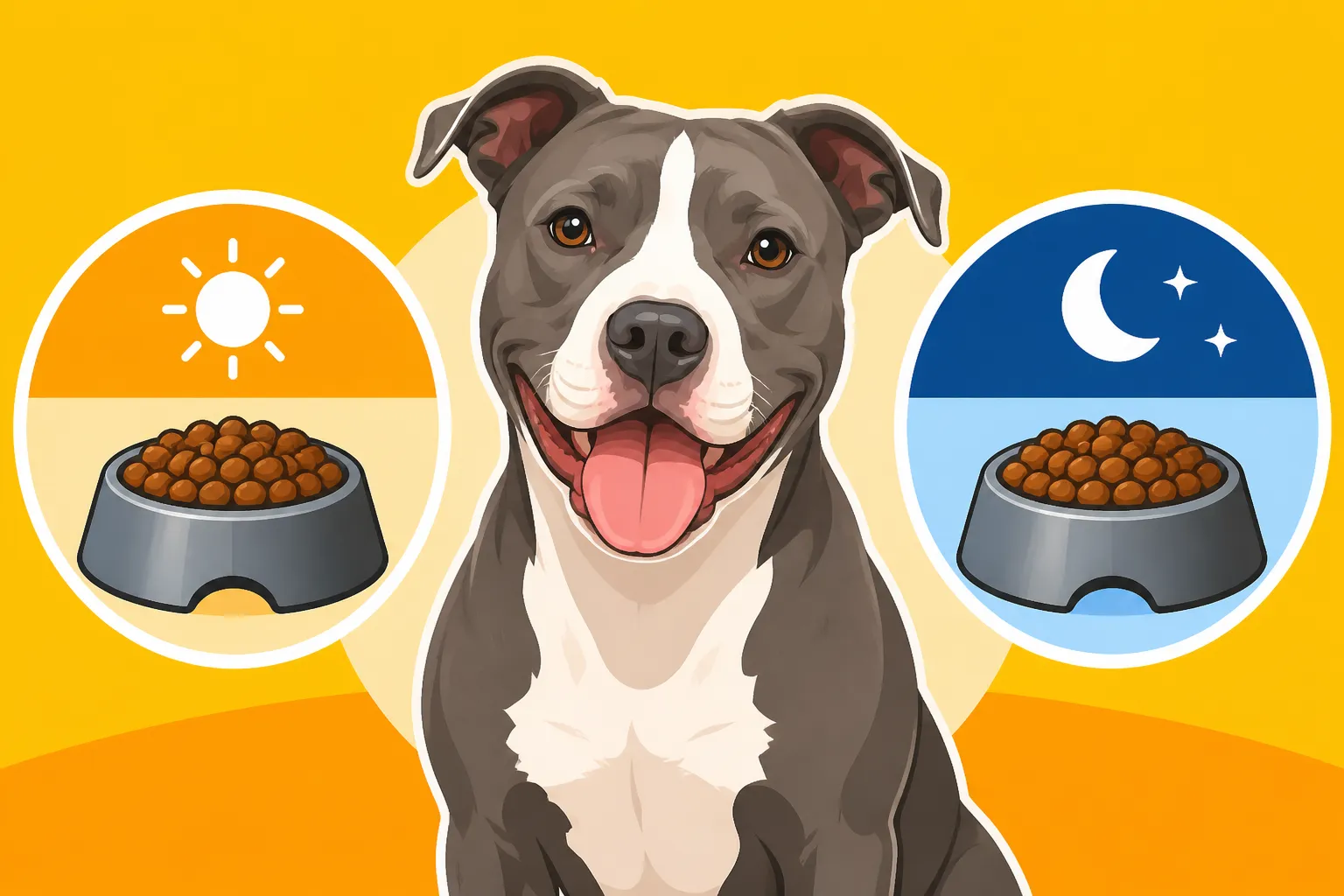
Once you have your measured portions, dividing them into two distinct meals – typically breakfast and dinner – is paramount. A consistent schedule helps regulate your dog's metabolism and digestive system. Imagine if you ate all your meals at random times; your body would struggle to anticipate and prepare for digestion. It's the same for your Pit Bull.
Example Scenario: Let's say your Pit Bull, Bruno, needs 900 calories a day. You've weighed out his daily kibble portion to be 10 ounces. You'll feed him 5 ounces in the morning around 7 AM and another 5 ounces in the evening around 6 PM. This provides a steady supply of energy, keeps him feeling satisfied, and prevents him from getting overly hungry and gulping his food down, which can be a factor in issues like bloat. This routine also makes it easier to monitor their appetite; a sudden refusal to eat one of their scheduled meals is a clear sign something might be off.
Benefits Beyond Weight Management
While preventing obesity is a huge win, the advantages of two measured meals a day extend far beyond simply keeping your Pit Bull at a healthy weight. This practice can positively impact their behavior, digestion, and overall quality of life.
Improved Digestion and Nutrient Absorption
Feeding smaller, regular meals is much easier on your Pit Bull's digestive system than one large meal or constant snacking. Their stomach isn't overwhelmed, and their body has ample time to break down food and absorb nutrients efficiently. This can lead to fewer instances of gas, bloating, and stomach upset. For Pit Bulls prone to sensitive stomachs or even food allergies, consistent, measured meals can help identify triggers more easily and prevent flare-ups.
Think about a time you ate a massive meal versus several smaller, balanced ones. You probably felt better and had more sustained energy with the latter. Dogs are no different. Better digestion means your Pit Bull is getting the most out of their food, which translates to a healthier coat, stronger immune system, and more consistent energy levels for their daily zoomies and training sessions.
Enhanced Satiety and Behavioral Benefits
A common frustration for dog owners is constant begging or food-seeking behaviors. When a Pit Bull is free-fed or receives inconsistent portions, they might not feel truly satiated, leading them to constantly "ask" for more food. Two measured meals, spaced out, can help them feel fuller for longer. Their bodies learn to expect food at certain times, reducing anxiety around mealtime and minimizing begging behaviors.
This predictability can also greatly assist with training. Meal times become valuable opportunities for positive reinforcement and establishing routine. Asking your Pit Bull to sit, stay, or perform a trick before their meal reinforces good manners and makes them work for their food in a positive way. It helps them understand boundaries around food, reducing resource guarding tendencies. For dogs that are particularly food-motivated, measured meals can be a powerful tool in shaping desirable behaviors. You can also use a small portion of their daily kibble as training treats throughout the day, ensuring you're still within their calorie budget.
Managing Specific Health Conditions
For Pit Bulls dealing with specific health challenges, measured meals are not just beneficial, they're often essential. For instance, if your Pit Bull has diabetes, precise meal timing and portion control are critical for managing blood sugar levels. Dogs with pancreatitis benefit from smaller, lower-fat meals to prevent flare-ups. Even for Pit Bulls with Pit Bull Skin Allergies and the Atopy Pattern, ensuring they receive consistent, appropriate portions of their specialized diet (like a prescription food) can be vital for managing their condition and preventing additional digestive upset.
Consider an older Pit Bull who might be slowing down, perhaps showing signs of Arthritis in a Pit Bull at Seven. Their caloric needs decrease, and measured meals ensure they don't gain excess weight that would further strain their joints. Conversely, a Pit Bull recovering from surgery might need a temporary increase in certain nutrients, and measured meals allow for precise adjustment and monitoring of their intake.
Common Pitfalls and Troubleshooting
Even with the best intentions, implementing a new feeding routine can come with its own set of challenges. Knowing what to expect and how to troubleshoot can help you stay on track.
The Temptation of Treats and Table Scraps
This is arguably the biggest hurdle for many owners. We love our dogs, and giving them treats or a bite of our dinner feels like an act of love. However, these extra calories can quickly sabotage even the most perfectly measured meal plan. A single bite of cheese or a few extra crunchy treats can add hundreds of calories to your Pit Bull's day.
Troubleshooting:
- Allocate Treat Calories: If you want to give treats, factor them into your Pit Bull's daily calorie allowance. For example, if they need 1,000 calories and their food provides 900, you have 100 calories left for treats. Choose low-calorie options or use a portion of their kibble as treats.
- Healthy Alternatives: Offer healthy, low-calorie alternatives like baby carrots, apple slices (without seeds), or green beans. Always research safe foods for dogs.
- "No Table Scraps" Rule: Be firm with yourself and your family. Human food often contains ingredients, spices, or fats that are unhealthy or even toxic for dogs. An article on Household Foods That Are Dangerous to a Pit Bull can be a real eye-opener.
- Puzzle Feeders: Instead of just handing out treats, put them in a puzzle feeder. This makes the dog work for the treat, engaging their mind and slowing down consumption. Many options are available from retailers like Chewy or Amazon.
Dealing with Begging Behaviors
Once a Pit Bull learns that begging might lead to food, it can become a persistent and annoying habit. It’s hard to ignore those big, pleading eyes, but consistency is key to breaking this cycle.
Troubleshooting:
- Ignore Relentlessly: The moment your Pit Bull starts begging, ignore them completely. Turn your back, avoid eye contact, and don't speak to them. Only acknowledge them when they are calm and quiet, then reward them with praise or a pat (not food).
- Pre-emptive Action: Before you sit down to eat, give your Pit Bull a long-lasting chew toy in their crate or a separate room. This distracts them and teaches them that human mealtime isn't their mealtime.
- Reinforce "Go to Place": Teach your Pit Bull to "go to their place" (a specific bed or mat) and stay there during your meals. Reward them with a portion of their measured kibble for staying put.
Navigating Multi-Dog Households
Feeding multiple dogs, especially if they have different dietary needs or tendencies, can be a real logistical challenge. Free-feeding in a multi-dog home is almost always a recipe for disaster, as one dog will invariably eat another's food.
Troubleshooting:
- Separate Feeding Stations: Feed each Pit Bull in a separate, secure location. This could be their individual crates, different rooms, or behind baby gates. Ensure they cannot access each other's bowls.
- Supervise Mealtime: Always supervise feeding to prevent food stealing or arguments. Once a dog is finished, pick up their bowl immediately, even if there's a tiny bit of food left.
- Individual Needs: If one Pit Bull needs a specific diet (e.g., a senior formula or a prescription food), separate feeding is non-negotiable. You can read more about Adjusting a Pit Bull Diet in Old Age for senior needs.
- Consistent Timing: Feed all dogs at the same time to reduce competition and anxiety.
My Pit Bull is Still Hungry!
You've measured everything perfectly, but your Pit Bull still acts like they're starving. This can be disheartening and make you second-guess your efforts.
Troubleshooting:
- Re-evaluate Calorie Needs: Double-check your calorie calculations with your vet. Perhaps your Pit Bull is more active than you estimated, or their current food isn't as calorie-dense as you thought. An article like Reading Pit Bull Body Condition Under Muscle can help you assess if they truly are too lean.
- Slow Down Eating: If your Pit Bull gulps their food, they might not register that they've eaten. Use a slow-feeder bowl or a puzzle feeder. You can also spread their kibble out on a baking sheet or KONG toy to make them work for it.
- Increase Fiber: Ask your vet if adding a small amount of low-calorie, high-fiber vegetables (like green beans or pumpkin) to their meals would be appropriate. This can add bulk and help them feel fuller without adding many calories.
- Water Intake: Ensure your Pit Bull always has access to fresh water. Sometimes thirst can be mistaken for hunger.
- Mental Stimulation: Sometimes, "hunger" is actually boredom. Increase their mental enrichment with training, puzzle toys, and interactive play.
By diligently applying the practice of two measured meals a day, you're not just managing your Pit Bull's weight; you're investing in their overall health, behavior, and the long, happy life you share together. It might take a little effort upfront, but the benefits are absolutely worth it.
| Aspect | Guesswork/Free-Feeding | Two Measured Meals a Day |
|---|---|---|
| Weight Management | High risk of obesity, inconsistent body condition | Excellent for maintaining ideal weight, preventing obesity |
| Digestive Health | Risk of upset stomach, bloat, irregular bowel movements | Stable digestion, better nutrient absorption, reduced bloat risk |
| Satiety/Hunger | Inconsistent fullness, increased begging | Consistent satiety, reduced food-seeking behaviors |
| Behavior | Potential for resource guarding, begging, anxiety | Promotes routine, good manners, can aid training |
| Health Conditions | Difficult to manage specific dietary needs | Crucial for managing diabetes, allergies, recovery, and aging |
| Nutrient Intake | Possible over or under-consumption of nutrients | Precise and balanced nutrient delivery |
| Cost Management | Potential for over-consumption of food | Helps manage food budget by avoiding waste |
Disclaimer
This article is for general informational purposes only and does not constitute professional advice. Laws, prices and regulations vary by location and change over time. Consult a qualified professional for guidance on your specific situation.