Adjusting Pit Bull Food After the Neuter
It’s a scenario many Pit Bull owners face: you’ve done the responsible thing, had your beloved companion neutered, and now you’re noticing something… different. Perhaps they seem a little less energetic, or worse, those sturdy muscles are slowly starting to be hidden by a softer, rounder physique. It’s frustrating when you’re trying your best to keep them healthy, but their body seems to have other plans. This guide is here to walk you through exactly why these changes happen after neutering and how to confidently adjust your Pit Bull's diet and care routine to keep them lean, muscular, and thriving for years to come.
Understanding the Metabolic Shift After Neutering
One of the most common and often overlooked changes after a Pit Bull is neutered is the subtle but significant shift in their metabolism. It’s not just in your head if your dog starts gaining weight on the same amount of food they ate before. The hormonal alterations that come with neutering have a real physiological impact, and understanding this is the first step to managing their weight effectively.
Hormonal Changes and Calorie Needs
When a male Pit Bull is neutered, his body stops producing testosterone. This hormone plays a crucial role in maintaining muscle mass and a higher metabolic rate. Without it, the body's energy requirements naturally decrease. It's like switching from a high-performance sports car to a more fuel-efficient sedan; they simply don't need as much fuel to go the same distance. Your Pit Bull's basal metabolic rate, which is the number of calories their body burns at rest, slows down. This means that if you continue to feed them the exact same portion size and type of food they were eating before, they will very likely start to put on weight.
This isn't about blaming the neuter; it's a natural consequence of the procedure designed to benefit their long-term health and behavior in many ways. However, it does place the responsibility on us, their owners, to recognize this change and act accordingly. Ignoring it can lead to a gradual accumulation of excess weight, which in a powerfully built dog like a Pit Bull, can quickly translate into significant health issues down the line. Remember, even a few extra pounds on a fifty-pound Pit Bull can put considerable strain on their joints and organs.
The Risk of Gradual Weight Gain
The weight gain isn't usually sudden and dramatic, which can make it hard to spot until it’s become a real problem. Often, it's a slow creep over several months. You might initially attribute it to less exercise on a rainy day, or maybe a few extra treats given here and there. But over time, that slight rounding of the belly or the diminishing tuck in their waist becomes more pronounced. This gradual process is particularly insidious because Pit Bulls are naturally muscular, which can sometimes mask early signs of fat accumulation. It’s easy to look at a sturdy Pit Bull and think they're just "big-boned" or "heavily muscled," even when they're carrying extra body fat.
The concern here isn't just aesthetics. Excess weight can exacerbate or even cause a host of health problems. We're talking about conditions like Pit Bull Hip Dysplasia Showing at One to Two Years becoming more painful, an increased risk of Pit Bull Joint and Ligament Injuries, heart disease, diabetes, and even certain types of cancer. It can also make them less tolerant to heat and reduce their overall quality of life and energy levels. This is why being proactive and adjusting their diet before significant weight gain occurs is so vital. It’s about setting them up for a long, healthy, and active life.
How to Assess and Adjust Your Pit Bull's Food Intake
Once you understand why your Pit Bull's nutritional needs have changed, the next step is taking practical action. This involves a two-pronged approach: accurately assessing their current body condition and then making informed adjustments to their diet. This isn't a one-size-fits-all solution; it requires careful observation and a willingness to adapt.
Evaluating Your Pit Bull's Body Condition
Before you change anything, you need to know where you're starting from. Many owners rely solely on the number on the scale, but for a muscular breed like a Pit Bull, that number alone doesn't tell the whole story. You need to learn how to Read Pit Bull Body Condition Under Muscle. We want to distinguish between healthy muscle and excess fat.
Start with the visual check:
- The Waist: Look down at your Pit Bull from above. Do you see a distinct waistline, an "hourglass" figure, between their ribs and hips? Or do they look more like a barrel?
- Tuck-Up: Observe them from the side. Does their belly tuck up gently from their rib cage to their hind legs, or does it hang low and flat?
- Ribs: Gently run your hands along their sides. You should be able to easily feel their ribs without pressing hard, but they shouldn't be visibly prominent. If you can't feel them at all, or it takes significant pressure, they're likely overweight.
These tactile and visual cues are far more valuable than a generalized weight range for the breed, especially since Pit Bull types can vary significantly in size and build. Keep a regular log or even take monthly photos from the same angles to track changes over time. This makes it easier to spot the subtle shifts before they become problems.
Gradual Calorie Reduction Strategies
If your assessment reveals your Pit Bull is starting to gain weight, or even if they're maintaining but you want to prevent future gain, it's time to adjust their food. The key word here is gradual. Drastic changes can upset their digestive system and leave them feeling hungry and unsatisfied.
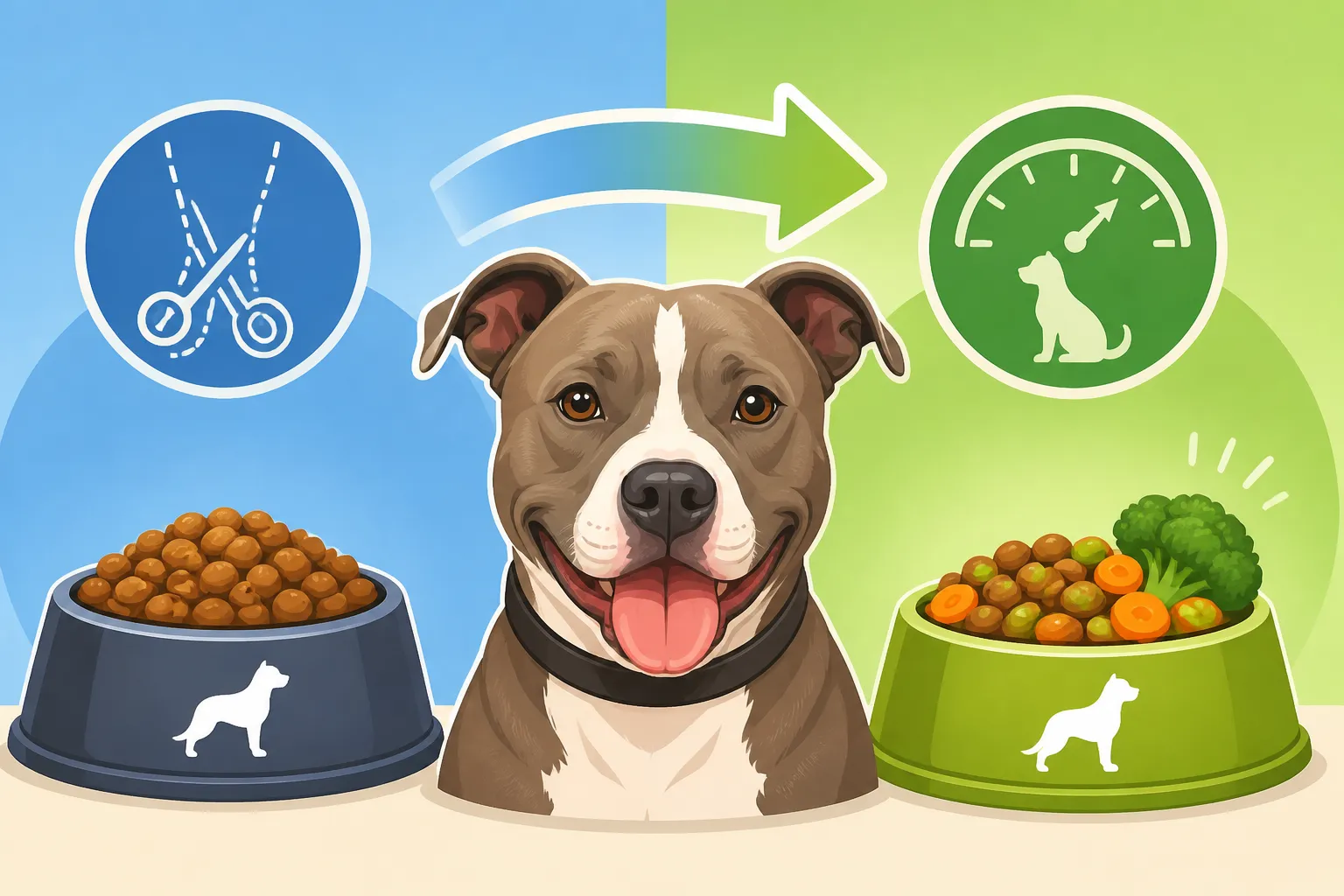
A good starting point is to reduce their daily calorie intake by about 10-20% from what they were eating before the neuter. This might seem small, but it can make a big difference over time.
Here’s how to implement this effectively:
- Measure Accurately: Stop eyeballing portions. Use a dedicated kitchen scale to weigh your Pit Bull's ration for precise measurement. A cup measure can vary wildly depending on how tightly packed the kibble is. If your Pit Bull is on a fresh food diet like Ollie, they often provide pre-portioned meals, which makes this much easier. For kibble, measure it out at the start of the day and divide it into two meals. Two Measured Meals a Day for a Pit Bull is often a good strategy to manage hunger.
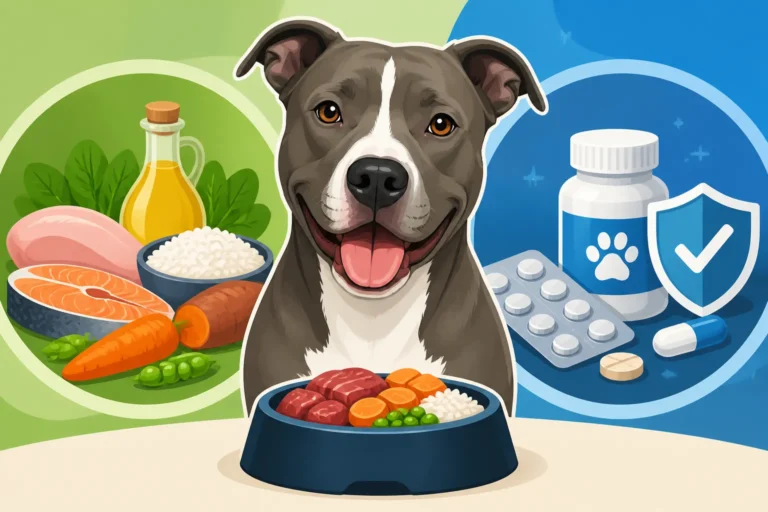
- Choose the Right Food: While you don't necessarily need to switch to a "weight loss" specific formula right away, reviewing their current food is a good idea. Look for foods that are nutrient-dense but perhaps a bit lower in fat and calories. Many high-quality kibble brands available on Chewy or Amazon offer formulas for "active adults" or "weight management" that could be suitable. Avoid generic fillers that offer little nutritional value but contribute to calorie count.
- Reduce Treats: This is a big one. Treats can add a surprising number of calories. If you're giving treats for training or just because, consider reducing the quantity, breaking larger treats into smaller pieces, or switching to very low-calorie options like small pieces of carrot, green beans, or plain cooked chicken. Remember, treats should generally make up no more than 10% of their daily calorie intake. Treats Small Enough for Repeated Pit Bull Training can be a lifesaver here.
- Consider Wet Food: Adding a spoonful of low-calorie wet food to their kibble can make the meal seem more substantial and satisfying without adding many calories. The higher moisture content also helps them feel fuller.
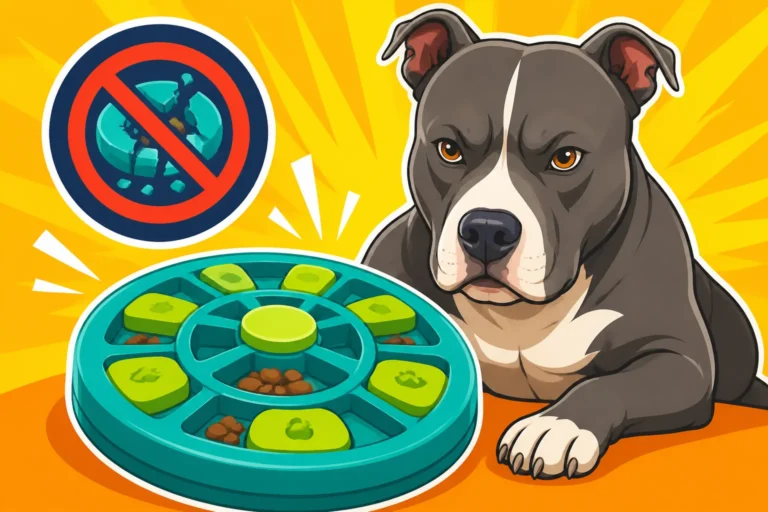
- Slow Feeder Bowls: For Pit Bulls who tend to gulp their food, a Slow Feeder for a Pit Bull That Bolts Food can help them feel more satiated by making the meal last longer. It also aids digestion.
Always consult with your veterinarian before making significant dietary changes, especially if your Pit Bull has any underlying health conditions. They can help you determine the ideal calorie target and recommend specific food types for your individual dog.
Combining Diet Adjustments with Exercise and Monitoring
Adjusting your Pit Bull’s food intake is only one piece of the puzzle. To truly manage their weight and keep them in peak condition after neutering, you need a holistic approach that includes a consistent exercise regimen and diligent monitoring. Think of it as a finely tuned machine; all the parts need to work in harmony.
Tailoring Exercise to Support Weight Management
Even with a reduced calorie intake, a Pit Bull still needs plenty of physical activity to burn calories, maintain muscle mass, and support their mental well-being. A neutered Pit Bull might feel like they have slightly less energy due to the hormonal changes, but their inherent athleticism and need for physical outlet remain.
Here’s how to get it right:
- Consistent Daily Activity: Aim for at least 60-90 minutes of moderate to vigorous exercise daily, split into two or more sessions. This could be brisk walks, jogging (if their joints are good and they're past the age of two), fetching, or structured play. The Daily Exercise a Pit Bull Actually Needs is more than just a quick stroll around the block.
- Incorporate High-Intensity Bursts: Pit Bulls are powerful and benefit from short bursts of high-intensity activity. Think about throwing a ball for sprints, engaging in tug-of-war, or using a flirt pole. These activities help maintain muscle tone and boost metabolism more effectively than just long, slow walks.
- Mental Stimulation: Don't forget their minds! Puzzle toys, scent work, and training sessions count as mental exercise and can help burn energy without adding physical strain. A tired mind often means a tired body.
- Avoid Over-Exercising: While important, exercise should be appropriate for your dog’s age and current fitness level. Don't suddenly launch a couch potato Pit Bull into a marathon training regimen. Gradually Build a Pit Bull's Stamina Safely to avoid injuries. If you’re introducing new activities, watch for signs of fatigue or discomfort, especially in older dogs or those new to exercise.
- Safety First: Always use secure, well-fitting equipment. For a powerful dog, a Harness Fit Across a Broad Pit Bull Chest can provide better control than a collar alone, especially if they are prone to pulling.
Remember that exercise also helps to counteract the slower metabolism by keeping their muscle mass high, which naturally burns more calories at rest than fat does. If your Pit Bull starts to get a bit chunky, increasing their exercise alongside dietary changes will yield the best results.
Long-Term Monitoring and Adjustments
Weight management is not a one-time fix; it’s an ongoing process. Your Pit Bull's needs will change throughout their life, so continuous monitoring is essential.
- Regular Body Condition Checks: Continue to perform the weekly or bi-weekly body condition checks you started earlier. Feel their ribs, check their waist, and note their energy levels. These checks are more informative than just jumping on a scale, especially for a muscular breed.
- Track Food and Exercise: Keep a simple log for a few weeks, noting exactly how much food and how many treats they receive, and how much exercise they get. This can help you pinpoint where extra calories might be sneaking in or where more activity is needed.
- Adjust Seasonally: Your Pit Bull's activity might naturally fluctuate with the seasons. They might get less outdoor exercise in very hot or very cold weather. Adjust their food accordingly during these times. Conversely, if you plan to increase their activity significantly, you might need to slightly increase their food, but always by assessing their body condition first.
- Veterinary Check-ups: Regular vet visits are crucial. Your vet can perform a professional body condition score, discuss any concerns you have, and help you fine-tune your approach. They can also rule out any underlying medical conditions that might contribute to weight gain, like Hypothyroidism and a Thinning Pit Bull Coat, which can affect metabolism.
- Don't Be Afraid to Adjust: If your Pit Bull is still gaining weight or isn't losing it at a healthy pace, don't be afraid to make further, small adjustments to their diet or increase their exercise. Conversely, if they start looking too lean, a slight increase in food might be in order. The goal is to find that sweet spot where they are maintaining a healthy weight and optimal body condition.
| Aspect | Pre-Neuter Considerations | Post-Neuter Considerations |
|---|---|---|
| Metabolic Rate | Generally higher due to testosterone and active growth/development | Decreased metabolic rate; body burns fewer calories at rest |
| Calorie Needs | Higher to support growth, muscle development, and often more energetic activity | Significantly reduced, typically 10-20% less to prevent weight gain |
| Food Portion Size | Based on growth stage, activity level, and lean muscle gain | Must be re-evaluated and often reduced; precise measurement is critical |
| Treats & Snacks | Can be more freely given within a balanced diet to support training/bonding | Should be significantly reduced or swapped for low-calorie options due to lowered overall needs |
| Muscle Mass Maintenance | Supported by natural hormone levels and active growth | Requires consistent, appropriate exercise and adequate protein to prevent loss and maintain tone |
| Weight Gain Risk | Lower, as excess calories are often burned off through higher metabolism and activity | Higher, as same food intake often leads to fat accumulation if not adjusted |
| Exercise Strategy | Focus on building stamina and appropriate physical development | Focus on maintaining fitness, muscle, and burning calories efficiently; consistent activity is key |
| Monitoring Frequency | Important, but metabolic changes less pronounced | Crucial for early detection of weight gain; regular body condition scoring is vital |
By staying observant, making thoughtful adjustments, and working with your vet, you can help your neutered Pit Bull maintain their ideal body condition and enjoy a long, healthy life free from the complications of excess weight. It's a commitment, but one that pays dividends in their comfort and happiness.
Disclaimer
This article is for general informational purposes only and does not constitute professional advice. Laws, prices and regulations vary by location and change over time. Consult a qualified professional for guidance on your specific situation.