Eight Weeks of Nothing Else for an Itchy Pit Bull
If your beloved Pit Bull is constantly scratching, licking their paws, or generally miserable with persistent skin issues, you know the deep frustration. You've probably tried everything from special shampoos to different flea treatments, but sometimes, the problem keeps coming back, making you wonder if there's something deeper going on. Often, when all other avenues seem exhausted, the answer might actually lie in their food, and that's where an eight-week elimination diet, or food trial, can become a game-changer. This guide will walk you through exactly what "eight weeks of nothing else" truly means and how to execute a successful food trial to bring your itchy Pit Bull some much-needed relief.
Why Your Itchy Pit Bull Might Need an Elimination Diet
The sight of your Pit Bull constantly scratching or gnawing at their paws is heartbreaking, isn't it? As owners, we want nothing more than for our dogs to be comfortable and happy. When traditional treatments don't quite hit the mark, it’s time to dig a little deeper.
The Frustration of Chronic Itching
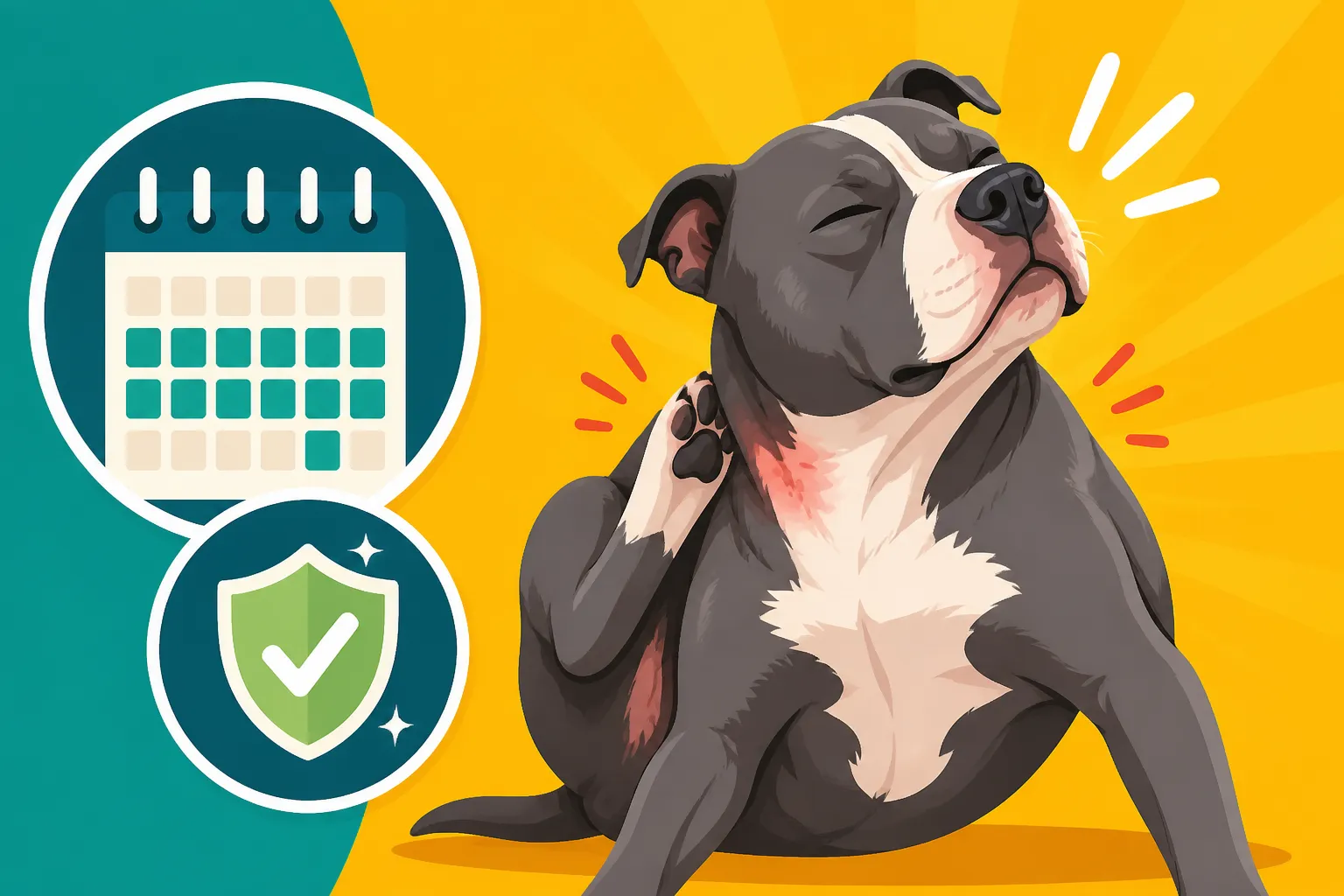
Let's face it, chronic itching isn't just an annoyance; it's a quality-of-life issue for both you and your dog. You see them rubbing their face on the carpet, endlessly chewing their feet through the night, or scratching vigorously behind their ears. This isn't just about a little discomfort; it can lead to secondary skin infections, hot spots, and general grumpiness. You might find yourself constantly cleaning up shedding fur, dealing with skin flakes, or even smelling that distinct "yeasty" odor that often accompanies chronic skin problems. It’s easy to immediately think of environmental allergies – pollen, dust mites, grass – as these are incredibly common, but food can often play a significant, sometimes primary, role in these symptoms. Pit Bull Skin Allergies and the Atopy Pattern often involve multiple triggers, and food is one we absolutely need to investigate.
Understanding Food Allergies in Pit Bulls
When we talk about a food allergy, we're not just talking about an upset stomach after eating something new. A true food allergy is an immune system response to a specific protein in the diet. It means your dog's immune system mistakenly identifies a harmless protein (like chicken, beef, or dairy) as a threat and launches an attack, which manifests as skin irritation, itching, or gastrointestinal upset. Pit Bulls, like many breeds, can develop these sensitivities over time. It's not usually something they're born with, but rather something that develops after prolonged exposure to an ingredient. The most common culprits are typically common proteins like chicken, beef, dairy, and wheat, simply because they are so prevalent in commercial dog foods. It's less about the quality of the food and more about the individual dog's immune reaction to a specific protein.
When to Suspect Food as the Culprit
So, how do you know if food is really the problem, or if it's just another environmental trigger? There are often subtle clues. If your Pit Bull’s itching seems to be year-round, without any clear seasonal pattern, food allergies should move higher on your suspect list. Environmental allergies often wax and wane with pollen counts or specific outdoor exposures. Another strong indicator is if the itching is accompanied by gastrointestinal issues like chronic diarrhea, loose stools, excessive gas, or frequent vomiting. While not every dog with food allergies will have gut issues, it’s a common companion. Recurrent ear infections that don't seem to clear up permanently, or clear up only to return shortly after, can also be a tell-tale sign of an underlying food allergy. Pit Bull Ear Infections and Allergy Links are often closely tied to systemic allergies, including those from food. If your vet has already ruled out parasites and primary infections, and medicated baths or topical treatments offer only temporary relief, it's definitely time to consider a strict food trial.
Setting Up Your Eight-Week Food Trial for Success
Embarking on an elimination diet requires commitment, but the potential relief for your Pit Bull is well worth the effort. The key is absolute strictness, which is why we call it "eight weeks of nothing else."
Choosing the Right Novel Protein or Hydrolyzed Diet
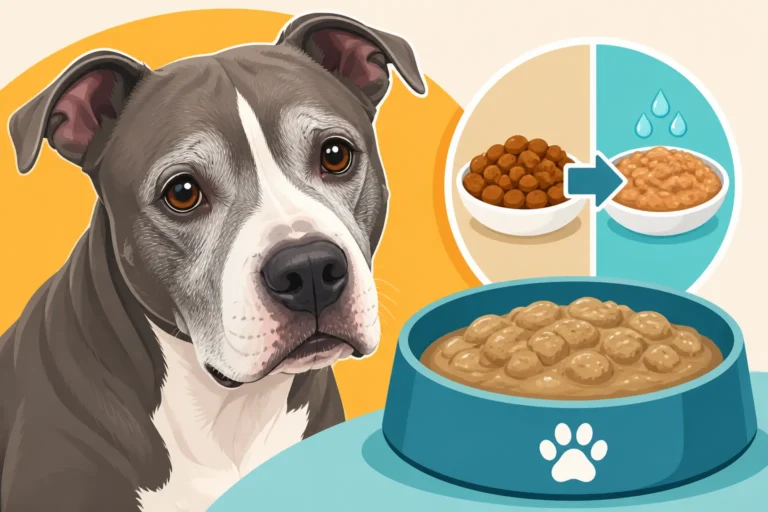
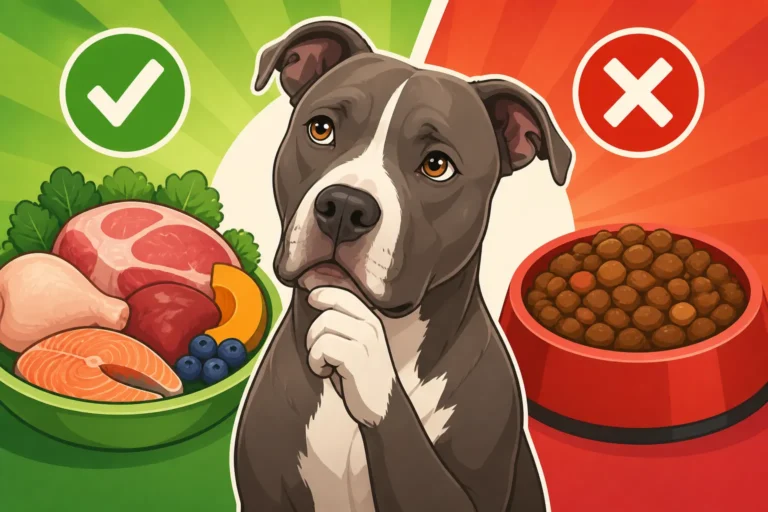
The foundation of a successful food trial is selecting a diet that contains either a "novel protein" or a "hydrolyzed protein." A novel protein is simply a protein source your Pit Bull has never eaten before. Think outside the box: duck, venison, rabbit, kangaroo, or even insect protein. The idea is that if their immune system has never encountered this protein, it can't have developed an allergic reaction to it. You might find several options on specialty pet food sites like Chewy or even through Amazon.
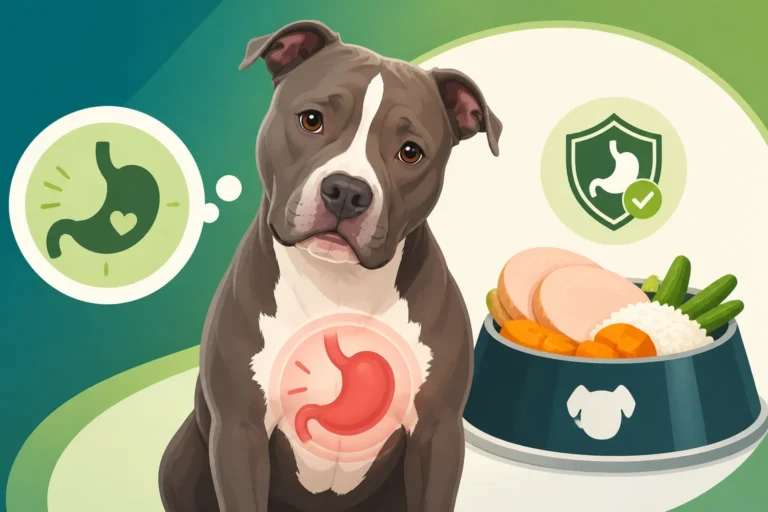
Alternatively, a hydrolyzed protein diet is one where the proteins have been broken down into such tiny pieces that the immune system doesn't recognize them as allergens. These diets are typically prescription-only and are formulated to be extremely hypoallergenic. They are often a safer bet because they eliminate the risk of accidental exposure to a familiar protein. Your veterinarian is your best resource for choosing which type of diet is appropriate for your Pit Bull, as they can help assess your dog's dietary history and recommend specific brands. It's important to stick to a single source of carbohydrates as well, such as potato or rice, to further minimize potential allergens.
The "Nothing Else" Rule: What It Truly Means
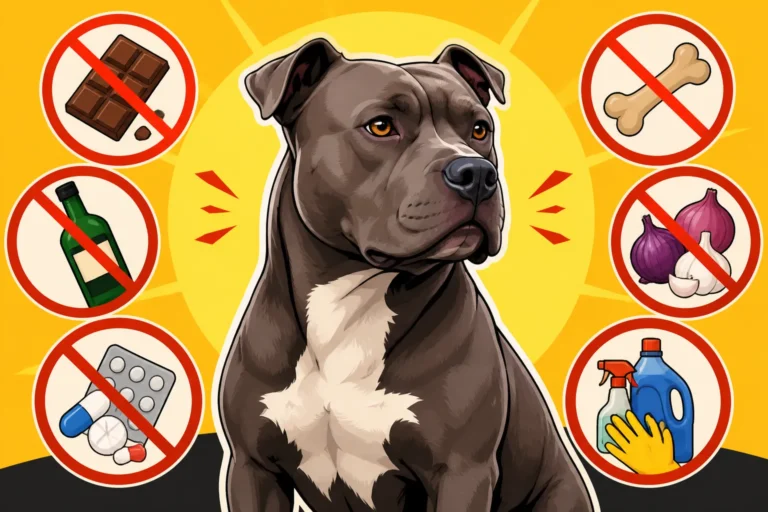
This is where the discipline comes in. For eight solid weeks, your Pit Bull can eat only the chosen novel or hydrolyzed diet and water. No exceptions. This means:
- No table scraps: Not even a tiny bit of chicken that fell on the floor.
- No flavored treats: Even treats labeled "hypoallergenic" might contain trace ingredients that could trigger a reaction. If you absolutely need treats for training, they must be made from the exact same novel protein source as your chosen diet, or be a single ingredient like plain, cooked sweet potato (if potato is the carbohydrate in the chosen diet and your vet approves).
- No flavored medications: Many pills come in chicken or beef flavored coatings. Discuss alternatives with your vet for any necessary medications. Unflavored options or compounding pharmacies can often help.
- No chew toys with flavoring: Even seemingly innocent items like dental chews or rawhides can have hidden flavorings. Stick to unflavored rubber toys or plain bones that your vet has deemed safe (though even these can be risky if not sourced carefully).
- No accidental ingestions: Be vigilant on walks! Keep your Pit Bull on a leash and prevent them from scavenging dropped food on the street. Even a tiny crumb can contaminate the trial.
- Separate bowls for multi-dog households: If you have other dogs, ensure they eat separately and supervise to prevent food swapping. It's often easiest if all dogs in the household are on the same elimination diet during the trial, if feasible.
This strict adherence is critical because even a small exposure to an offending allergen can reset the clock on the trial, meaning you have to start all over again. It’s tough, yes, but vital for accurate results. An Eight Week Food Trial on an Itchy Pit Bull really relies on this dedication.
Managing Treats, Supplements, and Medications
Navigating necessary extras during an elimination diet can be tricky. For treats, simplicity is your friend. If your vet approves, you can bake pieces of the chosen novel protein (e.g., plain cooked duck) or boil a single vegetable like plain sweet potato (again, ensuring it's not a common allergen and aligns with the diet's carbohydrate source). Cut these into small, high-value training treats.
Supplements also need scrutiny. Many joint supplements or skin support formulas contain flavorings or ingredients derived from common allergens. Discuss all current supplements with your veterinarian. They may recommend temporarily pausing them or finding a plain, unflavored alternative if absolutely necessary. Omega oils, for example, are often recommended for skin health, but you'll need to find a pure fish oil without any added flavors or dubious ingredients. Omega Oils for Pit Bull Skin and Coat can be beneficial, but only if they don't compromise the trial.
Medications are another area to watch. Many common anti-inflammatory or antibiotic medications come in palatable, flavored forms. Inform your vet that your Pit Bull is on an elimination diet so they can prescribe unflavored pills, liquid medications, or compounded alternatives. This might mean a trip to a specialized pharmacy, but it’s crucial to prevent accidental allergen exposure. If your Pit Bull is on long-term medication for another condition, discuss with your vet whether these medications could have any impact on skin health or need to be adjusted during the trial.
Navigating the Eight Weeks: What to Expect
The eight-week period can feel like a marathon, especially when you're desperate to see your Pit Bull find relief. Patience and diligent observation are your greatest tools during this phase.
The Initial Weeks: Patience is Key
Don't expect overnight miracles. While some dogs might show improvement relatively quickly, for many, it takes several weeks for the old allergens to completely clear out of their system and for their immune system to calm down. You might even observe what seems like a slight worsening of symptoms initially as their body adjusts to the new diet and purges old toxins, though this is less common with true food allergies and more often seen with detoxification processes. The key is to stay consistent and not get discouraged if you don't see immediate changes. Weeks one through four are often about waiting, while weeks five through eight are typically when you'll start to see more noticeable, consistent improvement if food is indeed the primary issue. Remember, you're looking for a sustained reduction in itching, scratching, paw licking, ear discharge, and any accompanying gastrointestinal upset.
Monitoring Progress and Keeping a Journal
To accurately assess the trial's success, you need to be a diligent detective. Keep a daily or weekly journal of your Pit Bull's symptoms. This should include:
- Itching frequency and intensity: Rate it on a scale of 1-10.
- Areas affected: Are they still chewing their paws? Rubbing their face? Scratching their flanks? Pit Bull Paw Licking and Chewing can be a major indicator, so tracking changes here is important.
- Skin appearance: Note any redness, bumps, scabs, or hair loss.
- Ear status: Any redness, discharge, or shaking of the head?
- Gastrointestinal signs: Track stool consistency, frequency, and any gas or vomiting.
- Energy levels and overall demeanor: Are they more comfortable, less agitated?
A simple table can be incredibly helpful for tracking this data. Share this journal with your vet during follow-up appointments.
| Week | Itching (1-10) | Paw Licking | Ear Symptoms | GI Symptoms | Other Notes |
|---|---|---|---|---|---|
| 1 | 8 | Constant | Mild redness | Normal | Restless at night |
| 2 | 7 | Frequent | Mild redness | Normal | Still scratching flanks |
| 3 | 6 | Less | Improving | Normal | A bit calmer |
| 4 | 5 | Occasional | Clearer | Normal | Less licking |
| 5 | 4 | Minimal | Clear | Normal | Seems more comfortable |
| 6 | 3 | Rare | Clear | Normal | Noticeable improvement |
| 7 | 2 | None | Clear | Normal | Happy, less scratching |
| 8 | 1 | None | Clear | Normal | Significant relief |
This kind of structured data helps you and your vet objectively see if there's an upward trend in comfort.
When Things Don't Seem to Improve
What if, despite your unwavering dedication, your Pit Bull shows no significant improvement after eight weeks? Don't despair. This outcome is still valuable information. It primarily tells you two things:
- Food is likely not the primary cause: While it's possible a very obscure food allergen was missed, it's more probable that environmental allergies or another underlying health issue is the main driver of their symptoms. This shifts your diagnostic focus.
- Compliance check: Before completely ruling out food, honestly review your "nothing else" rule. Were there any accidental exposures? Did a well-meaning family member slip them something? Were flavored medications impossible to avoid? Sometimes, one small slip can invalidate the whole trial.
If the trial yielded no improvement, your next steps will involve consulting your veterinarian to explore other diagnostic avenues. This might include allergy testing for environmental allergens, further investigations into endocrine issues, or even a referral to a veterinary dermatologist. Even a "failed" food trial narrows down the possibilities and moves you closer to an accurate diagnosis. Whether a Diet Change Settles Pit Bull Itching can be a complex question, and a trial helps answer it directly.
After the Trial: What Comes Next?
Successfully completing an eight-week food trial is a huge accomplishment! But the journey doesn't end there. The next steps are crucial for confirming the diagnosis and establishing a long-term plan for your Pit Bull's health.
The Rechallenge Phase (The "Gold Standard")
If your Pit Bull's symptoms significantly improved during the elimination diet, the next step, ideally, is the "rechallenge phase." This is the gold standard for definitively identifying which specific proteins are causing the problem. Here’s how it works: you reintroduce potential allergens back into your dog's diet, one at a time, for about 1-2 weeks each, while continuing to feed the novel diet as the primary food.
For example, you might start by adding a small amount of chicken back into their meals. If their itching flares up within a few days to two weeks, you've found a culprit! You then remove the chicken, wait for symptoms to resolve again, and then try another common allergen, like beef. This methodical approach helps pinpoint exactly which ingredients trigger a reaction. It can feel counterintuitive to intentionally make your dog itchy again, but it's the most reliable way to confirm the food allergy and avoid unnecessary dietary restrictions. However, this phase should always be done under veterinary guidance. Pit Bull Food Allergy Signs Beyond the Skin will also be observed during this phase, not just skin issues.
Building a Sustainable Diet for Your Pit Bull
Once you've identified the offending ingredients (or confirmed no food allergy), you can then formulate a sustainable long-term diet. If specific allergens were found, you'll need to choose a diet that completely avoids those proteins. This could mean continuing with a novel protein diet that has worked well, or switching to another commercial "limited ingredient" diet that excludes the identified allergens. Many pet food brands, including those you find on Chewy or Amazon, offer limited ingredient options.
For instance, if your Pit Bull reacted to chicken and beef, you might look for a formula based on lamb, fish, or even a plant-based protein if approved by your vet. Some owners might also consider fresh-cooked or raw diets if they contain only ingredients their dog tolerates, though home-cooked diets require careful balancing to ensure complete nutrition. Brands like Ollie offer fresh, pre-portioned meals that can sometimes be tailored to specific sensitivities, but always check their ingredient lists carefully against your identified allergens. Limited Ingredient Diets for an Itchy Pit Bull are often the go-to choice after a successful food trial. The goal is to find a diet that keeps your Pit Bull comfortable and well-nourished without triggering their symptoms.
Working with Your Vet and a Veterinary Dermatologist
Remember, an elimination diet is a diagnostic tool, and it should always be undertaken in close consultation with your veterinarian. They can guide you through the process, help you choose the right food, prescribe appropriate medications to manage severe itching during the initial weeks, and interpret your results. If the problem is complex, or if multiple allergies (food and environmental) are suspected, your vet might recommend a referral to a veterinary dermatologist. These specialists have advanced knowledge and diagnostic tools, including intradermal allergy testing, to get to the bottom of persistent skin issues. Pit Bull Skin Allergy Testing can often be done after the food trial, once food allergens have been addressed, to identify environmental triggers. They can help you develop a comprehensive management plan, which might include immunotherapy (allergy shots) for environmental allergies, alongside a carefully selected diet. Your vet and a specialist form an essential team to ensure your Pit Bull receives the best possible care and relief from their chronic itching.
Disclaimer
This article is for general informational purposes only and does not constitute professional advice. Laws, prices and regulations vary by location and change over time. Consult a qualified professional for guidance on your specific situation.