Feeding a Pit Bull With a Sensitive Stomach
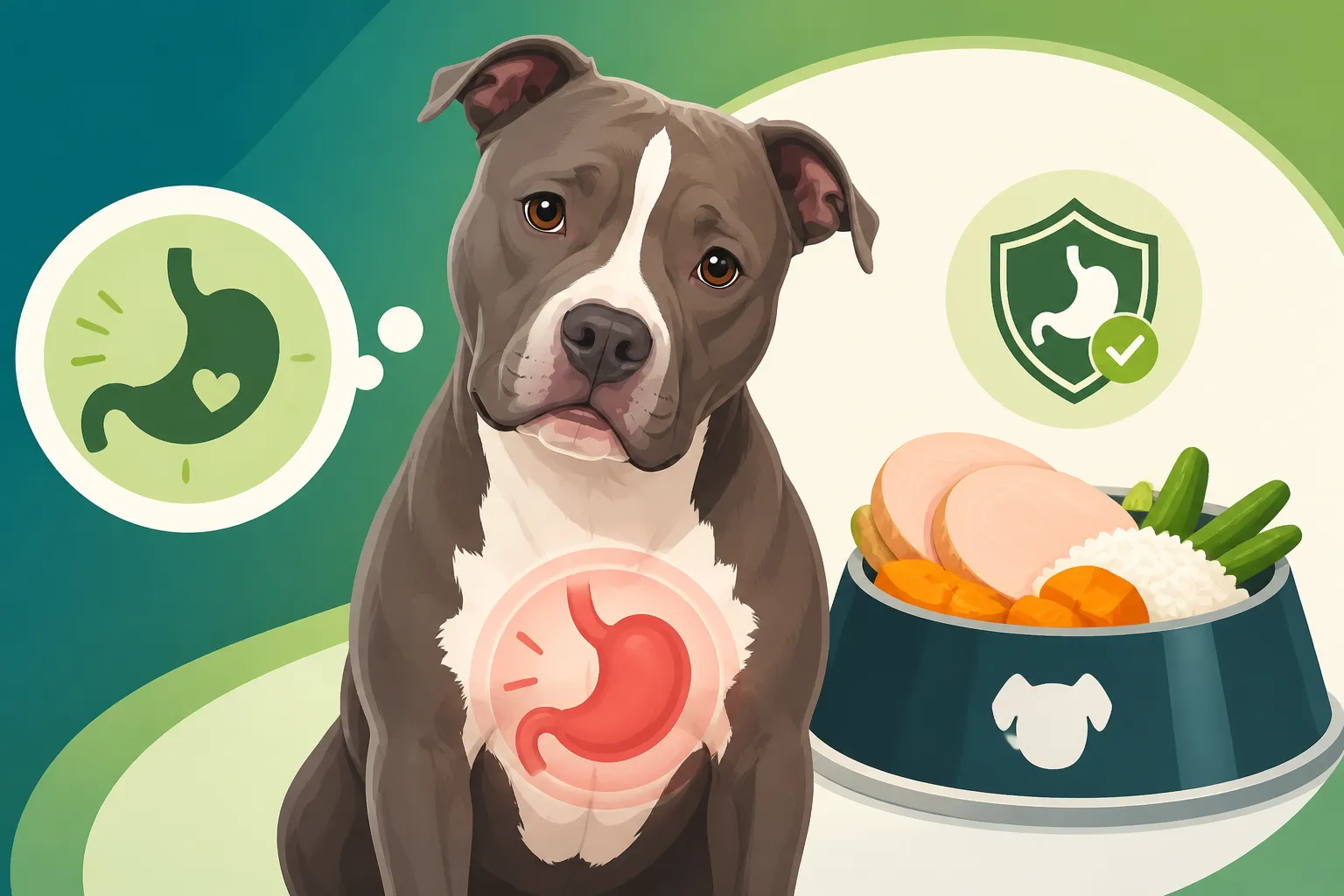
It's incredibly frustrating and heartbreaking when your strong, vibrant Pit Bull starts showing signs of a sensitive stomach. You pour your love into them, you want them to feel their best, but then the vomiting, diarrhea, or constant gas starts, and you're left wondering what on earth you're doing wrong. This guide is here to walk you through understanding why your Pit Bull might have a sensitive stomach, how to identify the signs, and most importantly, how to choose and manage a diet that brings them comfort and consistent digestive health.
Identifying a Sensitive Stomach in Your Pit Bull
First things first, let's talk about what a "sensitive stomach" really looks like in a Pit Bull. It’s not just an occasional upset; it's a recurring pattern of digestive distress that can leave both you and your dog feeling miserable. You know your dog better than anyone, and those subtle cues can speak volumes. Often, owners notice a shift in energy, a change in coat quality, or even a slight hesitation around meal times. It's a journey of observation, and sometimes, a little detective work is required to connect the dots.
Recognizing the Signs of Digestive Upset
A sensitive stomach manifests in various ways, and it's not always just about explosive diarrhea or obvious vomiting. Sometimes, the signs are more subtle, yet persistent. You might see your Pit Bull licking their lips excessively, a common sign of nausea, or swallowing frequently as if trying to soothe an irritated throat. They might also engage in "grass eating" more often than usual, trying to induce vomiting or settle their stomach. It's not uncommon for a dog with a sensitive stomach to experience intermittent soft stools, or even cycles of constipation and diarrhea, which can be particularly confusing for owners.
Beyond the visible output, pay close attention to their behavior. Is your Pit Bull more lethargic after meals? Do they seem uncomfortable, perhaps stretching in odd ways or curling up tightly? Chronic stomach upset can also lead to a dull coat, dry skin, and even a noticeable lack of enthusiasm for their usual activities. Many Pit Bull owners also report an increase in flatulence, often accompanied by a distinct, unpleasant odor. This gas isn't just an annoyance; it's a clear indicator that something in their digestive tract isn't quite right. Keep a journal of these symptoms, noting the frequency, severity, and any potential triggers you observe. This detailed record will be invaluable when you speak to your veterinarian. Pit Bull Food Allergy Signs Beyond the Skin can be more diverse than you might think, extending beyond just digestive issues.
Common Culprits Behind a Sensitive Tummy
There's a whole host of reasons why a Pit Bull might develop a sensitive stomach, and often, it's a combination of factors rather than a single smoking gun. Food allergies or intolerances are incredibly common culprits. Unlike a true allergy, which involves an immune response, an intolerance means their digestive system simply struggles to process certain ingredients, leading to discomfort. Common allergens or irritants include beef, chicken, dairy, wheat, and soy, but it can literally be any ingredient, even those you wouldn't suspect.
Beyond food, environmental factors play a huge role. Stress, for example, can wreak havoc on a dog's gut, just like it does in humans. A move to a new home, a change in family dynamics, or even a new routine can trigger digestive upset. Parasites, bacterial imbalances in the gut, or even underlying medical conditions such as inflammatory bowel disease (IBD) or exocrine pancreatic insufficiency (EPI) can also be at play. Sometimes, it's simply a matter of diet quality – foods packed with fillers, artificial preservatives, or low-quality ingredients can be very difficult for a sensitive system to process. Identifying these causes often requires a systematic approach, working closely with your vet to rule out medical issues before diving deep into dietary changes. It’s not about finding blame, but finding solutions.
Choosing the Right Diet for Digestive Health
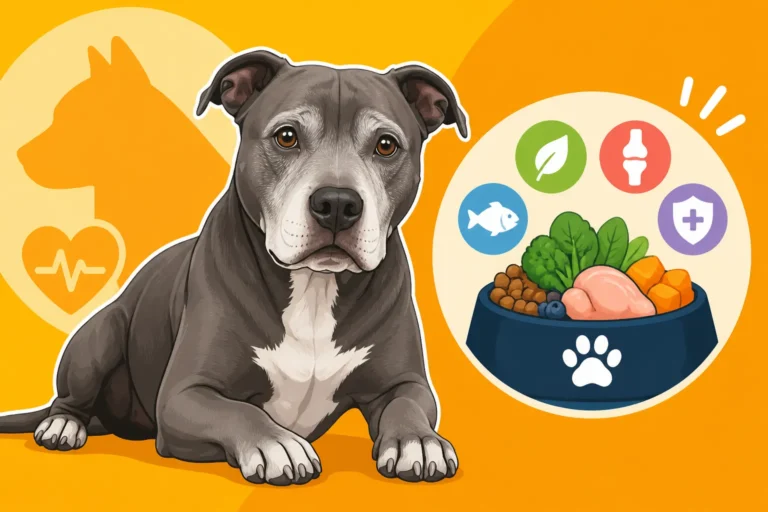
Once you've got a clearer picture of your Pit Bull's symptoms and potential triggers, the next step is often a dietary overhaul. This isn't just about grabbing a "sensitive stomach" bag off the shelf; it's about a strategic approach to finding what truly works for your individual dog. The goal is to reduce inflammation, minimize irritation, and support a healthy gut microbiome. This often involves simplified ingredient lists, carefully selected protein sources, and the right balance of carbohydrates and fats.
Navigating Limited Ingredient Diets LID
Limited Ingredient Diets, or LIDs, are often the first line of defense for a Pit Bull with a sensitive stomach. The philosophy behind LIDs is simple: fewer ingredients mean fewer potential irritants. These diets typically feature a single source of animal protein and a single source of carbohydrate, avoiding common allergens like corn, wheat, soy, and common animal proteins such as chicken or beef. Imagine trying to figure out which ingredient is causing a problem when your dog's food has twenty different components! It's like finding a needle in a haystack.
When looking for an LID, scrutinize the ingredient list. Sometimes, even "limited ingredient" foods can contain hidden ingredients or cross-contamination from the manufacturing process. You want to see transparent labeling. For example, a good LID might list "duck" as its sole protein and "sweet potato" as its sole carbohydrate. Brands like Chewy offer a wide selection of LID options, making it easier to compare and find one that fits your dog's needs and your budget. Remember, the idea is to simplify, strip back, and see what the gut can handle. Limited Ingredient Food for a Pit Bull With Atopy can also be beneficial if their stomach issues are linked to broader allergy patterns.
Exploring Novel Proteins and Hydrolyzed Options
If traditional LIDs don't quite cut it, or if your Pit Bull has already been exposed to many common proteins, it might be time to explore novel proteins. A novel protein is simply one your dog hasn't eaten before, reducing the likelihood of an existing allergic reaction. Think venison, rabbit, duck, or even kangaroo. These proteins can be a game-changer for dogs with severe food allergies. The digestive system hasn't had the chance to develop an immune response to these particular proteins, giving the gut a much-needed break. Many pet food companies, some available through platforms like Amazon, now offer a variety of novel protein options specifically formulated for sensitive stomachs.
Another powerful option is a hydrolyzed protein diet. In these specialized diets, the protein has been broken down into such tiny pieces that the immune system doesn't recognize it as a threat, effectively bypassing the allergic response. These are often prescription diets and can be incredibly effective for severe food allergies or inflammatory bowel disease. While more expensive, they can provide immense relief and clarity in diagnosing complex cases. Consulting with your vet is crucial when considering these advanced dietary approaches, as they can guide you to the most appropriate formulation and monitor your dog's response. Novel Proteins Worth Trying on a Pit Bull can feel like a big leap, but it's often a necessary one.
The Role of Fiber and Pre/Probiotics
Beyond the protein and carbohydrate sources, the overall composition of the diet matters immensely for a sensitive stomach. Fiber, in appropriate amounts, is critical for gut health. Too little, and stools can be inconsistent; too much, and it can cause gas and discomfort. Soluble fiber, found in ingredients like pumpkin or psyllium, can help firm up loose stools, while insoluble fiber adds bulk. Many commercial sensitive stomach diets carefully balance these fiber types.
Prebiotics and probiotics are also powerful allies. Prebiotics are non-digestible fibers that feed the beneficial bacteria in the gut, while probiotics are the live beneficial bacteria themselves. A healthy gut microbiome is essential for digestion, nutrient absorption, and even immune function. Adding a high-quality probiotic supplement or feeding a diet fortified with pre/probiotics can significantly improve digestive comfort for many Pit Bulls. Some fresh food services, like Ollie, focus on gut health and might incorporate ingredients rich in these beneficial components. Before adding supplements, discuss with your vet to ensure they're appropriate and to choose a reputable brand. Settling a Pit Bull Stomach After Antibiotics often involves rebuilding this delicate gut balance with probiotics.
Management Strategies Beyond the Bowl
Switching to a specialized diet is a huge step, but managing a sensitive stomach in your Pit Bull goes beyond just what's in their food bowl. It involves a holistic approach to their daily routine, environment, and ongoing veterinary care. Consistency is key, and minimizing other stressors on their digestive system can make a world of difference.
Consistent Feeding Schedules and Portions
One of the simplest yet most effective management strategies is establishing a consistent feeding schedule. Instead of one large meal, many Pit Bulls with sensitive stomachs do better with two or three smaller meals spread throughout the day. This reduces the load on their digestive system at any one time, preventing sudden surges of digestive enzymes and acids that can cause discomfort. Think of it like a human with indigestion – smaller, more frequent meals are often easier to tolerate. Stick to these times as much as possible, even on weekends. Their internal clock appreciates the predictability.
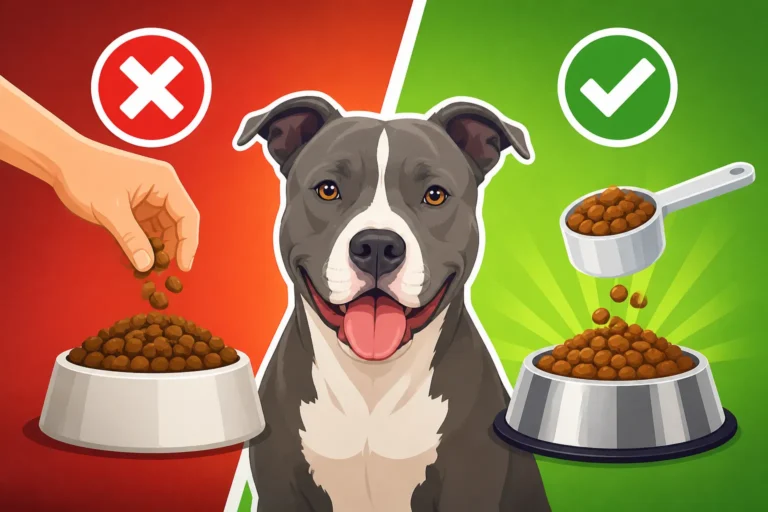
Portion control is equally vital. Overfeeding, even with a perfectly formulated sensitive stomach diet, can lead to digestive upset. Use a measuring cup or even a kitchen scale to ensure precise portions based on your vet's recommendations and the food packaging. If your Pit Bull tends to "bolt" their food, consider a slow-feeder bowl or a puzzle feeder. Eating too quickly can lead to ingesting excess air, which in turn causes gas and bloat, a serious concern for any deep-chested breed. Monthly Food for a Pit Bull on a Limited Diet means ensuring you're getting the right amount for their needs.
Smart Snacking: Picking the Right Treats
Just when you think you've got the main meals figured out, the world of treats can throw a wrench in the works. For a Pit Bull with a sensitive stomach, every morsel counts. Standard commercial treats often contain a myriad of ingredients, many of which can trigger digestive upset. Avoid anything with artificial colors, flavors, or a long list of unidentifiable components. Instead, opt for single-ingredient treats that align with your dog's sensitive diet. If your Pit Bull is on a novel protein diet, look for treats made from that same protein source.
Boiled chicken (plain, skinless, boneless), cooked sweet potato, or small pieces of carrot can make excellent, low-fat, and easily digestible treats. Some owners even use a portion of their dog's regular kibble as treats throughout the day. The key is moderation and consistency. If you introduce a new treat, do it slowly and monitor for any signs of discomfort. Remember, even a tiny bite of the "wrong" thing can derail days of careful dietary management. Why a Pit Bull That Refuses Food for a Day might be reacting to something as simple as a new treat.
When to Seek Veterinary Guidance and Advanced Diagnostics
While dietary management is often highly effective, it's absolutely crucial to work hand-in-hand with your veterinarian. A sensitive stomach can sometimes mask more serious underlying health issues that require medical intervention. If your Pit Bull's symptoms are severe, include blood in their stool, prolonged lethargy, significant weight loss, or persistent vomiting, do not delay a vet visit. These are emergency signs that cannot wait.
Your vet might recommend various diagnostic tests, such as fecal analyses to check for parasites, blood work to assess organ function and inflammatory markers (The Bloodwork an Old Pit Bull Should Have), or even imaging like X-rays or ultrasound to look for structural abnormalities. In some cases, a gastrointestinal biopsy may be necessary to definitively diagnose conditions like inflammatory bowel disease. Don't be afraid to ask questions and discuss all your concerns. They are your best resource for ruling out serious conditions and tailoring a management plan that ensures your Pit Bull lives a comfortable, happy life. While Prescription Diet Costs for an Allergic Pit Bull can be a concern, the long-term health benefits and relief from chronic discomfort are often invaluable.
| Symptom | Potential Dietary Triggers | Non-Dietary Considerations | What to Do Next |
|---|---|---|---|
| Loose Stools/Diarrhea | Too much fat, new food, food intolerance, treats | Stress, parasites, bacterial imbalance | Vet check, bland diet, slowly introduce new food |
| Vomiting | Fast eating, food allergy, too much food | Nausea, underlying illness, motion | Smaller, frequent meals, vet visit if persistent |
| Excessive Gas | High fiber, certain carbs, food intolerance | Eating too fast, poor gut flora | Adjust fiber, try probiotic, slow-feeder bowl |
| Reduced Appetite | Bland food, upset stomach, food aversion | Pain, illness, stress, dental issues | Offer novel protein, vet check, make mealtime fun |
| Itching/Licking Paws | Food allergy (often linked to GI upset) | Environmental allergies, skin irritation | Food trial with novel protein, vet for allergy meds |
| Weight Loss | Poor nutrient absorption, inadequate calories | Underlying disease, high metabolism | Vet check, calorically dense food, ensure absorption |
This article is for general informational purposes only and does not constitute professional advice. Laws, prices and regulations vary by location and change over time. Consult a qualified professional for guidance on your specific situation.