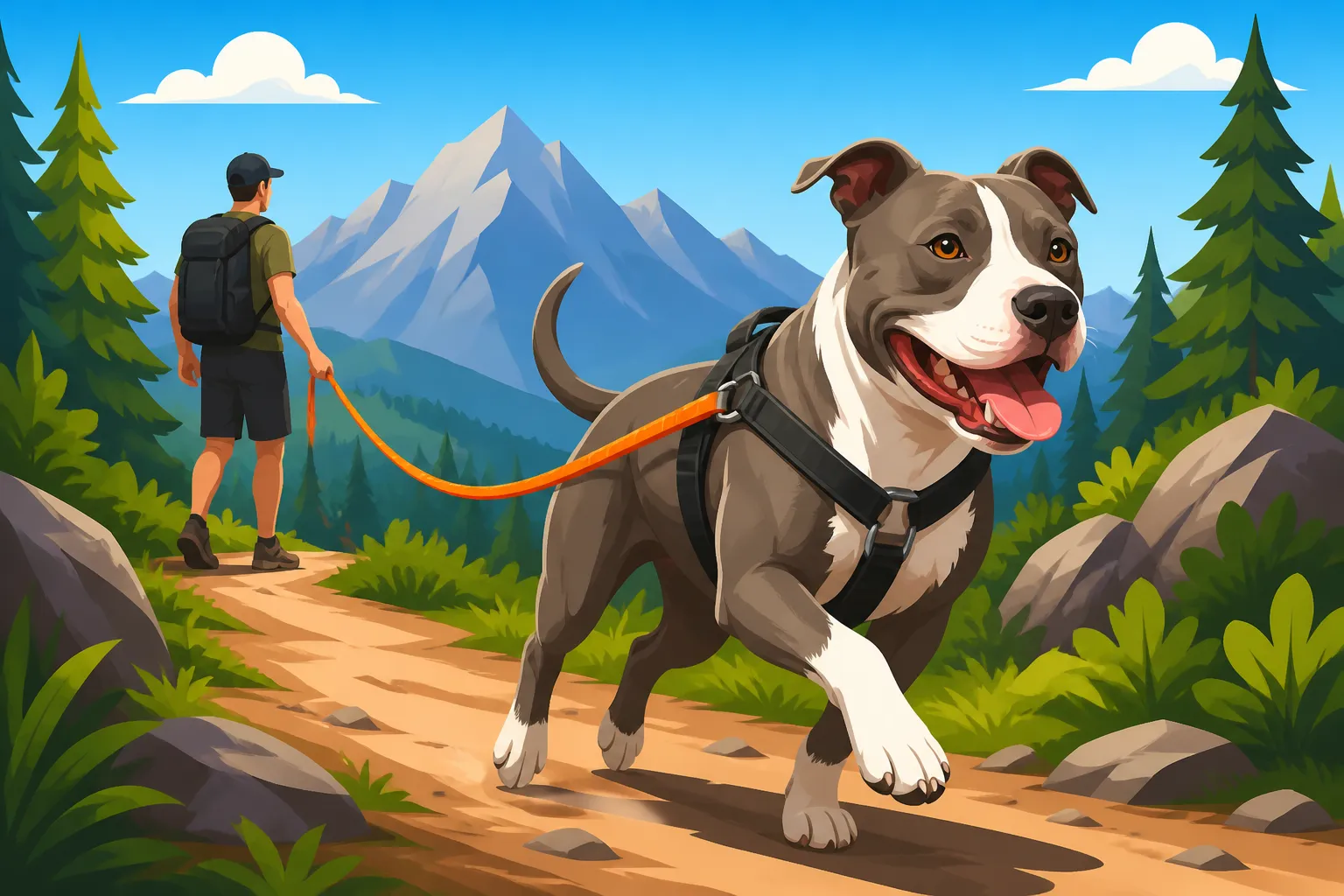
Trail Days With a Pit Bull on a Long Line
If you're a Pit Bull owner, you know the struggle: our dogs need serious exercise to be their best selves, but finding safe, expansive spaces where they can truly stretch their legs and engage their minds can feel like an endless quest. Dog parks can be hit-or-miss, and off-leash freedom isn't always an option due to local regulations or our dog's individual needs. This guide is all about embracing the great outdoors with your powerful companion, focusing on how to have fulfilling trail days using a long line, giving your Pit Bull the freedom they crave while keeping everyone safe and happy.
Why Trail Days with a Long Line are Perfect for Your Pit Bull
Our Pit Bulls are athletes, plain and simple. They're built for strength, speed, and endurance, and they thrive on physical and mental challenges. Just a quick walk around the block often isn't enough to truly satisfy their needs, leading to pent-up energy that can sometimes manifest as less-than-ideal behaviors at home. Trail days, with the controlled freedom of a long line, offer an incredible solution to this common dilemma, transforming your dog's exercise routine into an adventure.
Fulfilling Their Drive Safely
One of the biggest advantages of a long line on a trail is the ability to let your Pit Bull explore, sniff, and move without the constant tension of a standard six-foot leash. This isn't just about physical exercise; it's about mental enrichment. Pit Bulls love to investigate, track scents, and feel the freedom of movement. A long line, ranging anywhere from 15 to 50 feet, allows them to do just that in a controlled environment, reducing the risk of them bolting after a squirrel or greeting another hiker too enthusiastically. It's a fantastic way to engage their natural drives responsibly.
Moreover, many Pit Bulls have a keen prey drive or can be dog-selective, meaning off-leash areas might not be the safest or most relaxing option for them or other trail users. The long line bridges this gap beautifully. It provides a secure connection to you while still offering the space for a good run, a deep sniff of interesting foliage, or a roll in a patch of inviting grass. It allows you to manage their interactions and prevent unwanted situations, giving you both peace of mind. For more on managing their power, check out Pit Bull Leash Manners and Physical Strength.
Building a Stronger Bond
Spending quality time together in nature, working as a team with the long line, does wonders for your relationship with your Pit Bull. You become their guide, their protector, and the source of all the amazing adventures. When you navigate challenging terrain, practice recalls, and explore new smells together, you're strengthening the trust and communication between you. It's a partnership, where you're constantly reading their body language, anticipating their next move, and guiding them through the environment.
This shared experience in a novel environment creates a profound connection. It's not just about walking; it's about experiencing the world together. When your Pit Bull looks back to you for guidance, or checks in simply because they want to, you know that bond is deepening. It reinforces that you are the most interesting thing on the trail, even with all the exciting distractions, making future training and daily life even smoother.
Essential Gear for Successful Trail Days
Before you hit the dirt, ensuring you have the right equipment is paramount. The strength and enthusiasm of a Pit Bull mean that your gear needs to be robust, reliable, and comfortable for your dog. Skimping on quality here can lead to frustrating, or even dangerous, situations on the trail. Investing in good gear is investing in safe, enjoyable outings.
Choosing the Right Long Line
This isn't a simple clothesline you found in the garage. A good long line needs to be durable, comfortable for you to hold (even when wet or muddy), and visible enough to avoid tripping hazards.
- Material: Biothane is often recommended for its durability, waterproof nature, and ease of cleaning. It doesn't absorb water or odors, which is a huge plus when you're dealing with muddy trails. Nylon lines are also common and can be a good option, but they tend to get wet, heavy, and absorb dirt. Consider what kind of trails you frequent.
- Length: For open trails where you want to give maximum freedom, a 30-foot or 50-foot line can be excellent. If you're starting out or on more congested paths, a 15 or 20-foot line might be more manageable. Remember, the longer the line, the more control you need to exert and the more potential there is for tangles or tripping.
- Hardware: Look for strong, reliable clasps and swivels that won't break under pressure. Brass or stainless steel hardware is usually a good bet, especially if you're in wet conditions that could cause rust. A quick search on Amazon or Chewy will show you a wide range of options, but always prioritize strength and quality.
Harnesses, Collars, and Other Must-Haves
The way your Pit Bull is attached to the long line is just as critical as the line itself. A harness is almost always the superior choice for long-line work, offering safety and comfort that a collar simply cannot match, especially with a strong breed like a Pit Bull.
- Harness: Opt for a well-fitting, Y-front harness that allows for full range of shoulder motion and doesn't rub in the armpits. Avoid harnesses that restrict movement or put pressure on the throat. A harness distributes pressure evenly across your dog's chest and shoulders, preventing strain on their neck if they hit the end of the line or lunge unexpectedly. Some harnesses even have a front clip option, which can provide an extra layer of control if your Pit Bull is a strong puller. Make sure it's snug enough not to slip but not so tight that it chafes. You'll want to review Harness Fit Across a Broad Pit Bull Chest.
- Collar (for ID only): Your Pit Bull should always wear a separate flat collar with up-to-date ID tags, even when wearing a harness. This is your backup in case the harness fails or your dog somehow slips out of it.
- Treat Pouch: High-value treats are your best friend on trail days. A treat pouch keeps them easily accessible for quick rewards during recall practice or positive reinforcement when encountering new stimuli. For ideas on what really motivates your dog, refer to High-Value Treats That Hold a Pit Bull's Focus.
- Water and Bowl: Always carry plenty of water for both you and your dog, along with a collapsible bowl. Even on cooler days, vigorous exercise can quickly lead to dehydration.
Mastering the Long Line: Techniques and Training
A long line isn't just about giving your Pit Bull more rope; it's a powerful training tool. It allows you to practice essential skills like recall and polite greetings in a way that mimics off-leash freedom, but with the safety net of your connection. Think of it as a bridge between on-leash and off-leash reliability.
Starting Slow and Building Trust
Don't just head straight to a busy trail with a 50-foot line on your first try! Start in a quiet, familiar area, like a large, fenced yard or an empty field. Let your Pit Bull drag the line at first, getting used to the feeling. Then, pick up the line and practice moving with it, letting it drag behind you, then reeling it in and out as your dog explores.
The goal is to teach your dog that the line is just an extension of you, and that you're communicating with them through it. Gentle pressure and release, combined with verbal cues, will become your primary method of communication. Keep the atmosphere positive and fun. Gradually increase the distractions as your dog becomes more proficient and trusts your guidance on the line.
Practicing Recall and Check-Ins
The long line is invaluable for proofing your Pit Bull's recall. While they have more freedom, you still have the means to reinforce the "come" command. Let them wander, then give your recall cue. If they don't respond immediately, apply gentle, consistent pressure on the line while continuing to call them, reeling them in until they reach you. Reward heavily with praise and a fantastic treat every single time they come. Recall Training a Pit Bull From Scratch can give you foundational tips that apply here.
Encourage regular check-ins throughout your walk. This means your Pit Bull voluntarily looks back at you or comes close without being called. Reward these moments generously. It builds a habit of awareness of your presence, which is crucial for managing them on trails. You can even use a specific word or sound to signal a check-in, making it a fun game.
Navigating Encounters on the Trail
Trail etiquette is vital, especially with a Pit Bull. The long line gives you the ability to manage situations proactively. When you see other hikers, dogs, or wildlife approaching, shorten your line and bring your Pit Bull closer to you. Use your verbal cues to keep their attention and reward them for calm behavior.
If your Pit Bull tends to get over-excited or reactive, step off the main path to create more space and let the other party pass. Practice a "leave it" command for distractions like tempting smells or discarded items. Remember, not everyone understands or appreciates Pit Bulls, so being extra considerate and demonstrating impeccable manners is always the best approach. It helps to show that your dog is well-managed and a joy to be around.
Safety First: Keeping Your Pit Bull and Others Safe
Trail days are about adventure, but safety should always be your top priority. This means being aware of your surroundings, understanding your dog's limits, and being prepared for the unexpected.
Environmental Awareness
Before heading out, research your chosen trail. Are Pit Bulls allowed? Are there any known hazards? What's the terrain like?
- Weather: Consider the temperature. Pit Bulls, with their short coats, can be susceptible to both overheating in summer and getting too cold in winter. Hot Pavement Under a Pit Bull Paw is a real concern. Dress your dog in appropriate gear if needed, and always check the ground temperature.
- Wildlife: Be aware of local wildlife, from deer and rabbits to potentially dangerous animals like snakes or coyotes. The long line helps prevent your Pit Bull from chasing or encountering these animals unexpectedly.
- Plants: Learn to identify poisonous plants common in your area, and keep your dog away from them. Many trails have foxtails or burrs that can get lodged in paws or ears, so regular checks are a good idea.
- Terrain: Rocky, uneven trails can be tough on paws and joints. Build up your Pit Bull's stamina gradually and inspect their paw pads after each outing for cuts or abrasions. For managing their powerful frame, you might find Building a Pit Bull's Stamina Safely useful.
Respecting Wildlife and Other Trail Users
A long line is a tool for control, and it's your responsibility to use it wisely. Even though your dog is on a long line, it's not truly "off-leash."
- Yielding to Others: When you encounter other hikers, especially those with small children or dogs, always shorten your line and call your Pit Bull to your side. Step off the trail if necessary to give them plenty of space. A polite "Good morning!" or "Beautiful day!" can go a long way in setting a positive tone.
- Leave No Trace: Pack out everything you pack in, including your dog's waste. Use sturdy bags and dispose of them properly. This maintains the beauty of the trails for everyone and prevents attracting unwanted wildlife.
- Noise Control: Keep your Pit Bull from excessive barking or making loud noises that could disturb wildlife or other trail users. A calm, quiet dog is a respectful trail companion.
What to Bring: The Trail Day Essentials Checklist
Being prepared makes all the difference between a great adventure and a stressful ordeal. A small backpack can easily carry everything you need for a few hours on the trail. Here’s a quick rundown to make sure you don't forget anything important.
| Item | Why It's Essential | Where to Get It (Examples) |
|---|---|---|
| Long Line | Provides controlled freedom, safety, and training opportunities. | Chewy, Amazon, specialized dog training stores |
| Harness | Distributes pressure safely, prevents neck strain, and provides better control. | Local pet supply stores, Chewy, Amazon |
| Flat Collar & ID Tags | Backup identification, always necessary. | Local pet supply stores, custom tag makers on Amazon |
| Water & Collapsible Bowl | Crucial for hydration for both you and your Pit Bull. | Outdoor recreation stores, Chewy, Amazon |
| High-Value Treats | Essential for positive reinforcement, recall practice, and managing distractions. | Local pet supply stores, Ollie, Chewy |
| Poop Bags | For responsible waste disposal – always pick up after your dog. | Grocery stores, pet supply stores, Amazon |
| Human First Aid Kit | Small cuts, blisters, or headaches can happen to you too. | Drugstores, outdoor supply stores |
| Canine First Aid Kit | For minor injuries your Pit Bull might sustain (e.g., paw pad cuts, snake bites, bee stings). | Build your own, pre-made kits from Chewy or Amazon |
| Phone & Portable Charger | For emergencies, navigation, and capturing memories. | Electronics stores |
| Whistle (optional) | Can be an effective recall signal, especially over long distances or in noisy environments. | Outdoor supply stores, Amazon |
Hydration and Nutrition
It's easy to underestimate how much water both you and your Pit Bull will need, especially if you're out for an extended period or on a warmer day. Always bring more water than you think you'll need. For a Pit Bull that's running and sniffing hard, water intake is critical to prevent overheating and exhaustion. Keep an eye on your dog's panting and energy levels. If you're going for a longer hike, a small portion of their regular food or a few high-energy treats can help maintain their stamina. For more on keeping them fueled, consider Pit Bull Water Intake After Hard Exercise.
First Aid and Emergency Preparedness
Even on a well-planned trail day, accidents can happen. A small canine first-aid kit can be a lifesaver. This should include items like antiseptic wipes, sterile gauze, self-adhering bandages, tweezers (for splinters or ticks), a pair of blunt-nosed scissors, and possibly a small bottle of saline solution to flush out wounds or eyes. Knowing basic canine first aid, like how to clean a minor wound or what to do for a sprain, can make a huge difference until you can get to a vet. Having your vet's number and the nearest emergency vet clinic saved in your phone is also a smart move. Being prepared means you can handle minor issues quickly and effectively, allowing you to enjoy many more trail adventures with your amazing Pit Bull.
Disclaimer
This article is for general informational purposes only and does not constitute professional advice. Laws, prices and regulations vary by location and change over time. Consult a qualified professional for guidance on your specific situation.