Demodex Mange in a Pit Bull
Discovering bald patches, redness, or constant itching on your beloved Pit Bull can be incredibly upsetting and leave you feeling helpless, especially when you're not sure what's causing it. One common culprit that often goes misdiagnosed or misunderstood is Demodex mange, a condition caused by microscopic mites that can turn your dog's skin into a battlefield. This comprehensive guide will walk you through everything you need to know about Demodex mange in Pit Bulls, from understanding its origins to navigating diagnosis, treatment, and long-term management, so you can help your furry friend get back to their happy, healthy self.
Understanding Demodex Mange in Pit Bulls
Demodex mange, often simply called "demodex" or "red mange," is a frustrating skin condition that many Pit Bull owners encounter. Unlike some other types of mange, Demodex isn't typically contagious to other pets or humans, which is often a surprise to many. The mites responsible, Demodex canis, are actually a normal part of your dog's skin microbiome, living harmlessly within the hair follicles. The problem arises when these mites multiply out of control, leading to significant skin issues.
The Basics of Demodex Mites
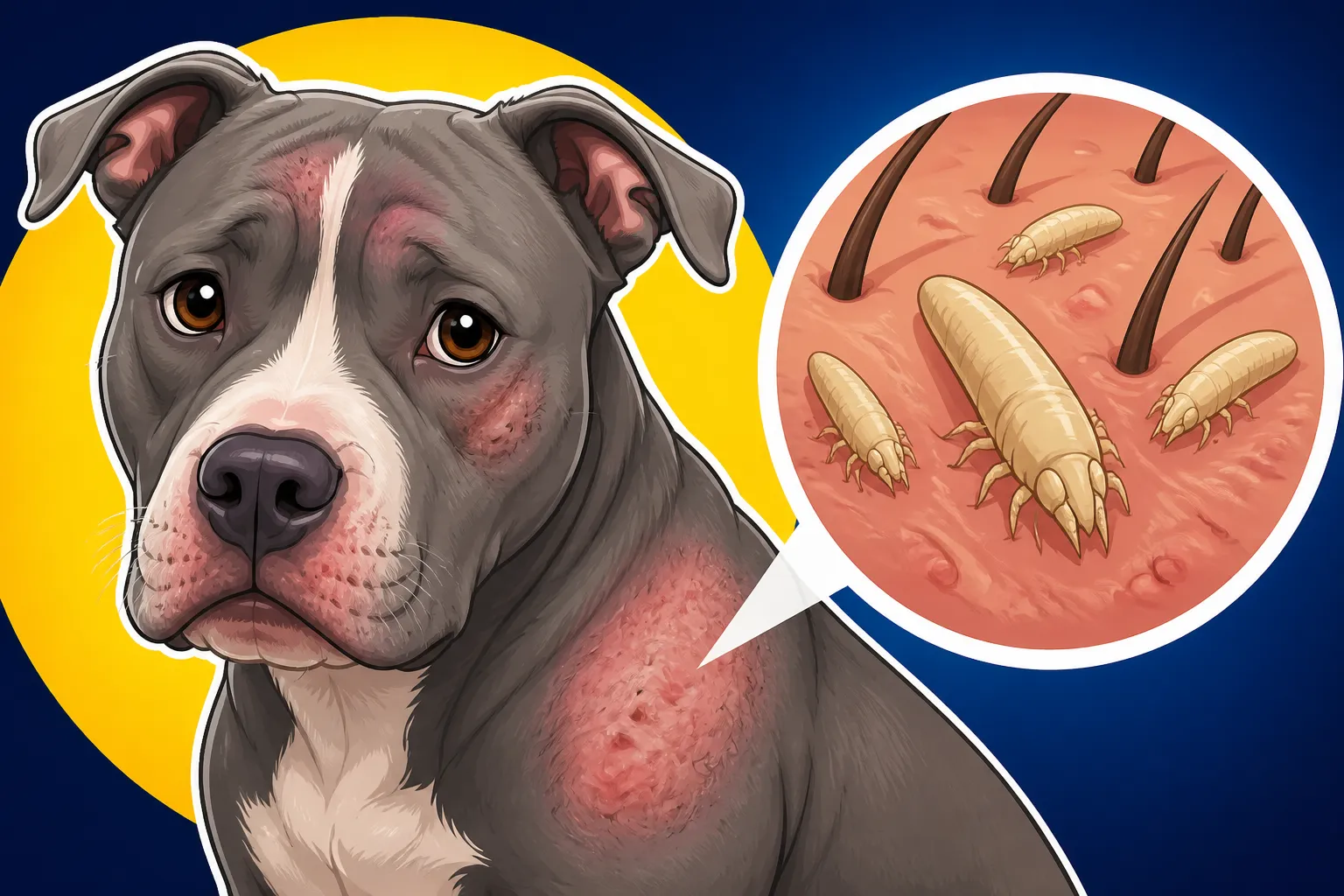
Imagine tiny, cigar-shaped creatures, invisible to the naked eye, living in every single hair follicle on your dog's body. That's Demodex canis for you. These mites are passed from mother to puppy during the first few days of life and generally coexist without causing a fuss. Every dog has them. It's when a dog's immune system, for whatever reason, fails to keep the mite population in check that you start seeing problems. This isn't about cleanliness or poor hygiene; it's about an imbalance in the dog's natural defenses.
For most dogs, their immune system is perfectly capable of managing these microscopic residents. However, certain factors can tip the scales, allowing the mites to proliferate. This overgrowth leads to inflammation, hair loss, and sometimes intense itching and secondary infections. It's a common misconception that Demodex is a sign of a truly "sick" dog, but often it just points to a temporary dip or immaturity in immune function, especially in younger animals.
Localized versus Generalized Demodex
Demodex mange manifests in two primary forms: localized and generalized. Understanding the distinction is crucial because it often dictates the severity, treatment approach, and long-term prognosis. Many owners initially panic, but knowing which type you're dealing with can help calm some of those fears.
Localized Demodex is the milder form and is most common in puppies. It typically appears as small, well-defined patches of hair loss, often on the face around the eyes or mouth, or on the front legs. These patches might be red and scaly, but usually, they aren't intensely itchy. In fact, many cases of Demodectic Mange in a Pit Bull Puppy will resolve on their own as the puppy's immune system matures. It’s a bit like a temporary hiccup in their developing defenses. While it looks concerning, many vets will opt for minimal intervention, simply monitoring the patches, as about 90% of these cases will clear up within a few weeks to months without specific treatment. This waiting game can be hard, but it’s often the best course.
Generalized Demodex, on the other hand, is a much more serious condition. This form involves larger areas of the body, multiple localized patches, or an entire body region. The hair loss is more widespread, the skin can be very red, thickened, scaly, and often intensely itchy due to secondary bacterial or yeast infections. This form can affect adult dogs as well as puppies. In adult dogs, generalized Demodex is particularly concerning because it often signals an underlying immune system deficiency or other health issue. This might be anything from a systemic illness, hormonal imbalance, or even certain medications suppressing the immune response. It requires a more aggressive and dedicated treatment plan, as simply waiting for it to resolve is not a viable option and could lead to severe discomfort and worsening of the condition for your Pit Bull.
Why Pit Bulls Seem Prone
It's a common observation among veterinarians and Pit Bull enthusiasts alike that these strong, athletic dogs seem to have a higher predisposition to Demodex mange. While any breed can develop Demodex, there appears to be a genetic component that makes Pit Bulls, along with certain other breeds like Bulldogs, Boxers, and Pugs, more susceptible. This genetic link suggests that some Pit Bulls may inherit an immune system that isn't quite as robust at managing the Demodex canis mite population.
This isn't to say all Pit Bulls will get Demodex, or that every case is due to genetics. Environmental stressors, poor nutrition, other illnesses, or even the stress of being in a shelter can temporarily suppress a dog's immune system, allowing the mites to flourish. For example, a rescue Pit Bull who has been under significant stress might be more prone to an outbreak. However, if your Pit Bull develops generalized Demodex as an adult without any obvious underlying cause, it's worth considering the potential genetic predisposition. This knowledge helps veterinarians tailor treatment and advise on breeding practices, as dogs with generalized Demodex, especially if it recurs, should not be bred due to the hereditary component. Understanding this factor can help you be proactive in managing your Pit Bull's health throughout The Twelve to Sixteen Years a Pit Bull Gets.
Recognizing the Signs and Symptoms
Catching Demodex early can make a big difference in how quickly and effectively you can treat it. As a Pit Bull owner, you're probably already keenly aware of your dog's skin and coat, and any changes will likely jump out at you. But sometimes, the signs can be subtle or easily mistaken for other common skin problems.
Early Warning Signs
The earliest signs of Demodex often manifest as small, circular patches of hair loss, frequently on the face, especially around the eyes, muzzle, or forehead. You might notice the skin in these areas looking a bit red or even slightly scaly, but not necessarily inflamed or raw at first. It’s a visual change more than a comfort issue for your dog in the very beginning. Owners often first spot these signs when they're petting their dog or during a grooming session. It's easy to dismiss these tiny bald spots as minor scrapes from playing or a seasonal dry patch, but they're important clues.
Another common early indicator is thinning hair, especially on the legs or body. Instead of distinct bald spots, you might just notice the coat looking a bit sparse or dull in certain areas. Sometimes, the skin might feel greasy to the touch, even before significant hair loss occurs. These early stages, particularly with localized Demodex, often don't involve much itching, which can make them tricky to differentiate from other mild skin irritations. However, if you see any unexplained hair loss, even small amounts, it’s always best to have your vet take a look. Early detection allows for prompt diagnosis and intervention, potentially preventing the condition from escalating to a more generalized and challenging form.
What Generalized Demodex Looks Like
When Demodex progresses to its generalized form, the symptoms become much more severe and widespread, making it impossible to ignore. Instead of small, isolated patches, you'll see large areas of hair loss, often covering significant portions of the body, including the trunk, limbs, and head. The skin in these affected areas will be markedly different from healthy skin. It often appears very red, inflamed, and thickened, almost leathery to the touch. This severe inflammation gives the condition its common name, "red mange."
Beyond just hair loss and redness, the skin can become incredibly scaly and crusty, sometimes with pus-filled sores or open lesions from scratching. The intense inflammation and irritation are often accompanied by significant itching, causing your Pit Bull to scratch, lick, and chew relentlessly at their skin. This constant self-trauma only worsens the condition and can lead to secondary bacterial infections. The dog might also develop a strong, unpleasant odor due to these infections. If you notice your Pit Bull with extensive hair loss, visible skin lesions, and discomfort, it's crucial to seek veterinary attention immediately. This isn't just a cosmetic issue; it's a painful and debilitating condition that severely impacts your dog's quality of life.
Secondary Infections to Watch For
One of the biggest concerns with Demodex mange, particularly the generalized form, is the inevitable development of secondary infections. The proliferation of Demodex mites causes inflammation and damage to the hair follicles, creating a perfect environment for bacteria and yeast, which are naturally present on the skin, to take hold and multiply. This is often what makes the condition so intensely itchy and uncomfortable for your Pit Bull. These secondary invaders essentially compound the problem, turning mild irritation into a severe skin crisis.
Bacterial infections, often referred to as pyoderma, are very common. You might notice pustules (small pus-filled bumps), papules (red bumps), crusts, and a greasy feel to the skin. The skin might become very red and raw, and a distinct, often unpleasant, odor can develop. Yeast infections, particularly caused by Malassezia, can also thrive in this environment, contributing to the itching, redness, and a characteristic greasy texture with a sweet, pungent smell. These infections are not only painful but also delay healing from the Demodex itself. They are often what drive a dog crazy with itching, leading to more scratching, more skin damage, and a vicious cycle. Addressing these secondary infections is a critical part of the overall treatment plan, as ignoring them means your dog will continue to suffer, even if the mite population starts to come under control. This is why when you're Telling Demodex From an Allergy in a Pit Bull, paying attention to these secondary infection signs is key, as allergies can look similar but usually don't have the same type of widespread infection initially. Your vet will often recommend treatments that tackle both the mites and these opportunistic invaders, often including specific medicated shampoos and oral antibiotics.
The Diagnostic Journey
When your Pit Bull starts showing signs of skin trouble, your mind probably races through all the possibilities – allergies, fleas, even something more serious. That's why getting an accurate diagnosis is so important, and for Demodex, it's typically a straightforward, in-clinic procedure.
The Crucial Skin Scrape
The gold standard for diagnosing Demodex mange is a deep skin scrape. This might sound a bit daunting, but it’s a quick and relatively painless procedure performed by your veterinarian in the examination room. The vet will choose an affected area of skin, often one with hair loss or visible lesions. They'll typically apply a small amount of mineral oil to the skin, which helps collect the mites, and then use a dull scalpel blade to gently scrape the very top layers of the skin. The key is to scrape deeply enough to get into the hair follicles where the Demodex mites reside, sometimes even causing a tiny bit of capillary bleeding.
The collected material – mineral oil, skin cells, and any mites – is then transferred onto a microscope slide. Your vet will examine this under a microscope, looking for the characteristic cigar-shaped Demodex canis mites, as well as their eggs and immature forms. Finding multiple mites, especially in different life stages, confirms a Demodex diagnosis. The procedure is typically well-tolerated by Pit Bulls, although some sensitive dogs might require a bit of gentle restraint. It’s a definitive test, and seeing those mites under the microscope leaves no room for doubt. It's important to do several scrapes from different areas, especially if the initial ones are negative, as mites aren't always evenly distributed. This is precisely how Skin Scrapings That Confirm Pit Bull Mange are performed and why they are so effective.
Differentiating from Other Skin Conditions
One of the biggest challenges for both owners and vets is that many skin conditions can look remarkably similar, especially in their early stages. Hair loss, redness, and itching are common symptoms for a host of problems, making accurate differentiation vital. Demodex needs to be distinguished from conditions like allergies, fungal infections, and even other types of mange.
For instance, Pit Bull Skin Allergies and the Atopy Pattern can cause intense itching, redness, and hair loss, often focused on the paws, face, and belly. However, with allergies, you often see a strong seasonal pattern or a clear reaction to specific foods, and the primary issue is the body's overreaction to allergens, not mite overpopulation. Another common skin issue is ringworm (a fungal infection), which typically presents as circular patches of hair loss with a crusty center, but the key difference is the causative agent is a fungus, not a mite. Sarcoptic mange, caused by Sarcoptes scabiei mites, is intensely itchy and highly contagious, but these mites are found superficially on the skin, not deep in the follicles, and are notoriously difficult to find on skin scrapes, often requiring an "itch mite" trial treatment for diagnosis. Your vet will consider all these possibilities based on your Pit Bull's symptoms, history, and the results of diagnostic tests like skin scrapes, fungal cultures, or even allergy testing. The skin scrape specifically for Demodex rules out many of these other conditions by confirming the presence of the mites.
When Biopsies Are Needed
While a deep skin scrape is highly effective for diagnosing Demodex mange, there are rare instances when a skin biopsy might be necessary. This usually happens in cases where skin scrapes repeatedly come back negative despite strong clinical suspicion of Demodex, or when the skin is so severely thickened and scarred that mites are difficult to extract. Sometimes, in very chronic cases, the skin can become incredibly tough and leathery, making it hard for the scalpel to penetrate deeply enough to reach the mites.
A skin biopsy involves surgically removing a small piece of affected skin, which is then sent to a veterinary pathologist for microscopic examination. The pathologist can then identify the characteristic changes in the skin tissues, including inflammation around the hair follicles and, most importantly, the presence of Demodex mites. Biopsies are a more invasive procedure, requiring local anesthesia and sometimes sedation, but they provide a definitive diagnosis in those challenging cases where simpler methods are inconclusive. They can also help identify other underlying conditions that might be mimicking or complicating Demodex, giving your vet a clearer picture of the overall skin health.
Comprehensive Treatment Approaches
Once Demodex mange is diagnosed, especially the generalized form, a comprehensive and often long-term treatment plan is essential. This isn't usually a quick fix, and patience and consistency from owners are paramount. The goal is not just to kill the mites but also to restore skin health and prevent recurrence.
Topical and Oral Medications
Over the years, treatment options for Demodex have evolved, moving away from some of the harsher, older dips to more targeted and safer medications. For localized Demodex in puppies, sometimes no treatment is necessary, as mentioned, allowing their immune system to naturally overcome the mites. However, if treatment is indicated or if the case is generalized, your vet will prescribe specific anti-mite medications.
One of the most common and effective oral treatments available today are isoxazoline drugs, such as those found in popular flea and tick preventatives like Bravecto, NexGard, and Credelio. These medications are given orally and are highly effective at killing Demodex mites, often requiring just a few doses over several weeks or months to achieve remission. They are generally well-tolerated and much easier to administer than traditional dips. Another oral option might include older medications like ivermectin or milbemycin, though these require careful dosing and monitoring, especially in certain breeds or mixes that might have a sensitivity due to the MDR1 gene (though less common in purebred Pit Bulls, it's a consideration). For some cases, especially in the past, medicated dips containing amitraz were used, but these can be toxic if not applied correctly and are less commonly prescribed now due to the efficacy and safety of newer oral options. Your vet will choose the best medication based on the severity of the mange, your dog's age, and overall health. Consistency with these treatments is critical to completely clear the mite population.
Addressing Secondary Infections
As we discussed, secondary bacterial and yeast infections are almost always present in cases of generalized Demodex, and they cause a huge amount of the discomfort and skin damage. Treating these infections is just as critical as treating the mites themselves. Without addressing them, your Pit Bull will continue to suffer from itching, pain, and skin inflammation, making recovery much slower and more difficult.
Your veterinarian will likely prescribe oral antibiotics to combat bacterial infections. These typically need to be given for several weeks, often extending beyond the point where the skin looks visibly better, to ensure all bacteria are eliminated. Additionally, topical treatments such as medicated shampoos and conditioners are often recommended. Shampoos containing ingredients like benzoyl peroxide or chlorhexidine can help flush out hair follicles, kill bacteria, and reduce inflammation. For yeast infections, shampoos with miconazole or ketoconazole are effective. These medicated baths, sometimes needed multiple times a week initially, are crucial for healing the skin, soothing discomfort, and removing crusts and debris. Think of it as a crucial part of clearing the battlefield for your dog's skin to recover. Sometimes, your vet might also prescribe topical steroid creams for severe localized inflammation, but these need to be used cautiously as steroids can suppress the immune system, potentially worsening mite proliferation. When considering the costs of these treatments, it's worth noting that pet insurance providers like Healthy Paws often cover unexpected conditions like generalized Demodex, making comprehensive care more accessible. This is especially true when you're exploring Treating Generalised Demodex in a Pit Bull which can involve several types of medications and frequent vet visits.
The Importance of Long-Term Management
Successfully treating Demodex mange isn't just about getting rid of the mites; it's about preventing them from coming back. This is where long-term management becomes vital, especially for adult Pit Bulls with generalized Demodex. For these dogs, Demodex can sometimes be a recurring issue, indicating an underlying immune weakness that might persist.
Regular follow-up appointments with your veterinarian are non-negotiable. This will involve repeated skin scrapes to monitor the mite population, typically every few weeks during treatment, and then periodically after treatment appears successful. The goal is to achieve two negative skin scrapes, about a month apart, before considering the treatment complete. However, even after remission, some vets recommend continued prophylactic treatment with a low dose of isoxazoline medication, especially in dogs with a history of generalized Demodex or if there's an underlying immune issue. This helps keep the mites suppressed and prevents future flare-ups. Owners should remain vigilant, regularly checking their Pit Bull's skin for any new patches of hair loss or redness, and contacting their vet at the first sign of recurrence. This proactive approach helps your dog maintain healthy skin and prevents the frustration and discomfort of repeated outbreaks. It's a journey, not a sprint, and commitment to this long-term strategy is key to your Pit Bull's well-being.
Managing the Immune System and Overall Health
Demodex mange, particularly the generalized form in adult Pit Bulls, often signals an underlying issue with the dog's immune system. Therefore, beyond directly killing the mites, supporting and strengthening your Pit Bull's overall health and immune function is a critical part of a holistic management strategy.
Nutritional Support
Good nutrition plays a foundational role in supporting a healthy immune system and promoting skin health. A high-quality diet provides all the essential nutrients your Pit Bull needs to build strong skin, a healthy coat, and a robust immune response. Look for dog foods with excellent sources of protein, balanced fats (especially Omega-3 and Omega-6 fatty acids), and a full spectrum of vitamins and minerals. Some vets might recommend specific therapeutic diets for dogs with skin conditions, which are formulated to be easily digestible and contain ingredients that reduce inflammation and support the skin barrier.
Beyond the main diet, certain supplements can be beneficial. Omega-3 fatty acids, found in fish oil, are renowned for their anti-inflammatory properties and can significantly improve skin and coat health, helping to repair the damage caused by Demodex. Probiotics can support gut health, which is intricately linked to the immune system. Antioxidants like Vitamin E and C may also play a role in immune function. However, always discuss any dietary changes or supplements with your veterinarian before introducing them, as some can interact with medications or not be suitable for your individual dog. The aim is to give your Pit Bull's body the best possible tools to fight off infection and maintain equilibrium. A healthy diet is a cornerstone of preventing recurrence, especially if you've been asking yourself Whether Pit Bull Demodex Means a Weak Immune System.
Stress Reduction and Environment
Stress can have a profound impact on a dog's immune system, potentially making them more susceptible to conditions like Demodex mange or delaying recovery. While it's hard to eliminate all stress, creating a calm, predictable, and enriching environment for your Pit Bull can make a big difference. This means a consistent routine, plenty of mental and physical exercise, and a secure, loving home. A stressed dog might suppress their immune system, making it harder for them to fight off opportunistic mite overgrowth.
Consider factors in your Pit Bull's environment that might be causing stress. Is there a lot of noise? Are they left alone for long periods? Are there unresolved behavioral issues? Addressing these can significantly improve their overall well-being. Ensuring they have a comfortable, clean resting area is also important. For dogs prone to skin issues, maintaining a clean home environment can also reduce exposure to allergens or irritants that might add to skin stress. Regular, positive training sessions, providing puzzle toys, and sufficient Pit Bull Exercise for a Powerful Athletic Dog can help reduce anxiety and build confidence, all contributing to a healthier immune response.
Monitoring for Recurrence
Even after successful treatment and achieving negative skin scrapes, vigilance is key, especially with generalized Demodex in adult Pit Bulls. Recurrence is a real possibility, and often happens when an underlying immune system weakness persists or if treatment is stopped prematurely. It’s a bit like managing a chronic condition – you want to catch any signs of trouble early.
Regularly performing a "skin check" on your Pit Bull should become part of your routine. This means feeling and looking over their entire body at least weekly, paying close attention to areas that were previously affected, but also checking new spots. Look for any new patches of hair loss, redness, scaliness, or excessive scratching. If you see anything suspicious, don't wait to see if it gets better; contact your veterinarian immediately. Prompt action can prevent a full-blown relapse, making treatment much easier and less extensive. In some cases, your vet might recommend continuous prophylactic treatment, often a monthly oral medication, for dogs with a history of recurring generalized Demodex, particularly if they are adult-onset cases where an underlying immune deficiency is suspected. This is a topic you can discuss with your vet and an area where having pet insurance from a provider like Healthy Paws can be invaluable, as continuous management costs can add up. Consistent monitoring and quick action are your best tools in preventing major flare-ups.
Prognosis and Living with a Demodex-Prone Pit Bull
Facing a Demodex diagnosis, particularly the generalized form, can feel overwhelming. However, with modern veterinary medicine and dedicated owner care, the prognosis for most Pit Bulls is very good. It requires commitment, but it's a battle that can be won.
What to Expect During Treatment
The treatment journey for generalized Demodex mange can take several weeks to many months, and it requires patience. Initially, you might not see immediate improvements, especially if secondary infections are severe. It often takes a few weeks for the anti-mite medications to start significantly reducing the mite population and for the skin to begin healing. During this time, your Pit Bull might still be itchy, and their skin might look quite rough. This is normal, but it's important to continue all medications exactly as prescribed.
You'll have regular follow-up appointments with your vet, typically every 2-4 weeks, for repeat skin scrapes. These scrapes are crucial to assess treatment efficacy. Don't be discouraged if the first few follow-up scrapes still show mites; it means the medication is working to kill them, but they haven't been completely eliminated yet. The goal, as mentioned, is to achieve at least two consecutive negative skin scrapes, about a month apart, before your vet will consider stopping the anti-mite medication. Expect to continue antibiotics and medicated baths for as long as your vet recommends, usually until the secondary infections are completely resolved and the skin is healthy. It's a marathon, not a sprint, but seeing the hair regrow and your Pit Bull's comfort return is incredibly rewarding.
Long-Term Outlook
The long-term outlook for Pit Bulls with localized Demodex mange is excellent; most puppies recover completely and never experience it again. For generalized Demodex, the prognosis is also very good with appropriate, consistent treatment. The vast majority of dogs will achieve full remission and go on to live normal, healthy lives. However, there are nuances.
Adult-onset generalized Demodex, especially if it recurs, warrants further investigation into potential underlying health issues. Conditions like hypothyroidism, Cushing's disease, or even certain cancers can suppress the immune system and lead to Demodex outbreaks. Your vet might recommend additional diagnostic tests to rule out these possibilities. If an underlying cause is found and treated, the chances of successful long-term remission are high. For dogs with a genetic predisposition or no identifiable underlying cause for adult-onset generalized Demodex, ongoing prophylactic treatment (e.g., a monthly preventative that also kills mites) might be recommended indefinitely to prevent recurrence. This doesn't mean your dog is "sick" for life, but rather that proactive management is needed to maintain their skin health. With diligent care, a Pit Bull who has battled generalized Demodex can absolutely enjoy a full, comfortable life.
Preventative Measures and Maintenance
While you can't entirely prevent Demodex mange, especially if there's a genetic predisposition, there are certainly steps you can take to minimize the risk of outbreaks and maintain your Pit Bull's skin health. One of the most important aspects is ensuring your Pit Bull receives Year-Round Parasite Cover for a Pit Bull. Many modern flea and tick preventatives also protect against Demodex mites, offering an added layer of protection and potentially preventing an overgrowth before it becomes a problem. Discuss with your vet which products offer this benefit.
Beyond parasiticides, focus on overall wellness:
- High-Quality Nutrition: As discussed, a balanced diet is crucial for a strong immune system and healthy skin barrier.
- Stress Management: A calm home environment, regular exercise, and mental stimulation contribute to overall well-being and a robust immune system.
- Regular Vet Check-ups: Routine veterinary visits allow your vet to catch any potential health issues early, including subtle skin changes.
- Avoid Breeding Affected Dogs: If your Pit Bull develops generalized Demodex, particularly as an adult, it's generally advised not to breed them due to the hereditary component.
- Prompt Attention to Skin Issues: Don't let minor skin irritations linger. The sooner you address any hair loss, redness, or itching, the better.
By being proactive about your Pit Bull's general health, maintaining good nutrition, and working closely with your vet, you can significantly reduce the likelihood of Demodex mange becoming a major problem and help your dog live their best life, free from itchy discomfort.
Disclaimer
The information provided in this article is for educational and informational purposes only and does not constitute veterinary advice. Always consult with a qualified veterinarian for any health concerns or before making any decisions related to your pet's health and treatment. Individual results may vary, and the effectiveness of treatments can depend on various factors unique to each animal.