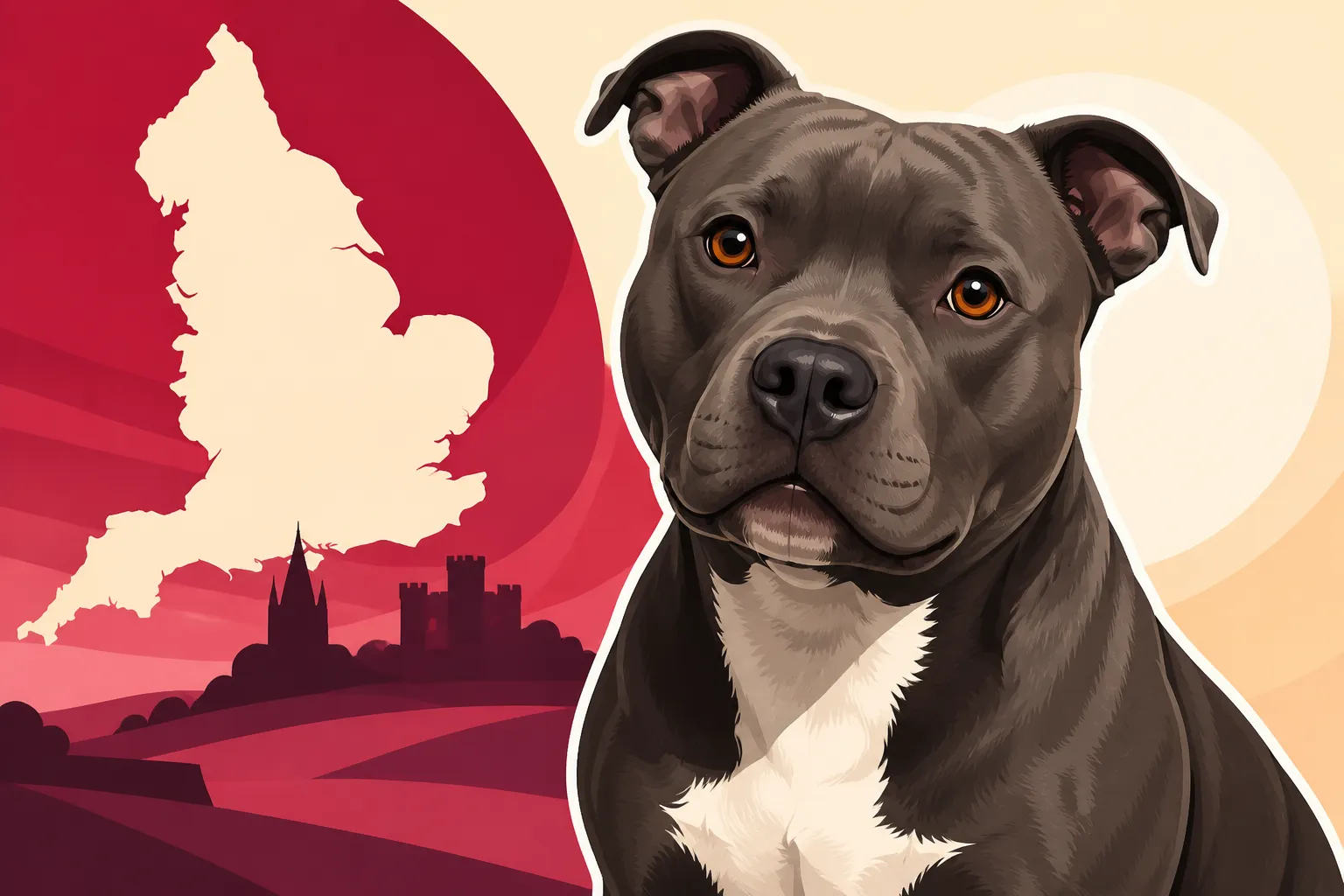
The Staffordshire Bull Terrier From England
It can be incredibly frustrating and confusing when you bring home a loving, loyal dog, only to find that the wider world struggles to understand its true identity. Many fantastic dogs are unfairly lumped under the broad, often misunderstood, "Pit Bull" label, and the Staffordshire Bull Terrier is frequently one of them. This guide aims to clear up that confusion, diving deep into the history, unique characteristics, and wonderful temperament of the Staffordshire Bull Terrier from England, helping you understand and appreciate this distinct and beloved breed.
Defining the Staffordshire Bull Terrier
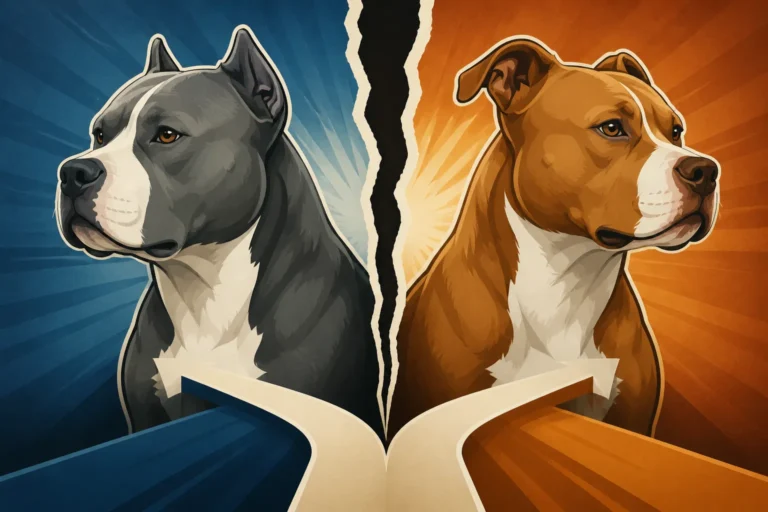
Let's start by clarifying something crucial: "Pit Bull" is a widely used umbrella term, not a single, officially recognized breed. It's often applied to several breeds and mixes that share certain physical traits. However, within that group, the Staffordshire Bull Terrier stands out as a distinct and well-defined breed with its own unique history, standard, and temperament. While they may share some distant ancestry with other "Pit Bull type" dogs, to understand a Staffie is to appreciate its individuality.
More Than Just a "Pit Bull" Label
When someone refers to a "Pit Bull," they might be thinking of an American Pit Bull Terrier, an American Staffordshire Terrier, or even an American Bully. Each of these has its own story, its own standard, and its own fan base. The Staffordshire Bull Terrier, or Staffie as it's affectionately known, is often visually grouped with these dogs due to its muscular build and powerful jaw, yet it's generally much smaller and has a distinct head shape. This visual similarity can lead to unfair prejudice, causing problems for owners navigating housing restrictions or public opinion, even though their dog is a specific, recognized breed. It's truly a shame how often people jump to conclusions based on a generic label rather than recognizing the specific characteristics of an individual dog or breed.
Breed Registries and Recognition
Unlike the American Pit Bull Terrier, which is primarily recognized by the United Kennel Club (UKC), the Staffordshire Bull Terrier holds formal recognition with prominent kennel clubs like the American Kennel Club (AKC) in the United States and The Kennel Club in its homeland of England. This recognition means there's a specific breed standard detailing everything from their ideal size and weight to their coat color and temperament. This is a big deal because it provides a clear identity and lineage for the breed, setting it apart from the often vague "Pit Bull type" designation. Knowing that your dog is a The Staffordshire Bull Terrier From England with a clear standard can be a powerful tool when educating others or navigating breed-specific rules.
A Rich History From Bull Baiting to Family Companion
The story of the Staffordshire Bull Terrier is one of incredible transformation. It's a breed born from a brutal past but meticulously refined over generations into one of the most loving and gentle family dogs you could hope to meet. Understanding their origins helps us appreciate the deliberate efforts of early breeders to cultivate their specific traits.
Origins in 19th Century England
The 19th century in England saw the rise of cruel "blood sports" like bull and bear baiting. When these practices were outlawed in 1835, dog fighting became the new, albeit equally horrific, underground spectacle. Breeders, seeking a dog that combined the strength and tenacity of the old English Bulldog with the agility and gameness of various terrier breeds, developed the ancestors of the modern Staffie. Their goal was a powerful, courageous dog for the pit, but crucially, one that was tractable and gentle with humans outside of the fighting arena. This dichotomy – fierce fighter but human-friendly – was a critical aspect of their early breeding. Despite the dark origins, this human-focused selection laid the groundwork for the affectionate breed we know today.
Evolution into a Companion Dog
Fortunately, the tide turned, and responsible fanciers began to campaign for the recognition of these dogs not as fighting machines, but as worthy companions. The early 20th century saw dedicated efforts to bring the breed into the show ring and legitimize it as a family pet. It was in 1935 that The Kennel Club (UK) officially recognized the Staffordshire Bull Terrier. This marked a pivotal moment, shifting the focus of breeding entirely from fighting prowess to temperament, conformation, and health. The breed's inherent desire for human companionship, a trait that had always been present, was now celebrated and further cultivated, allowing the Staffie to shed its grim past and embrace its role as a cherished member of the family.
Temperament The Nanny Dog Reputation and Reality
The Staffordshire Bull Terrier is famous for its endearing temperament, particularly its reputation as a "nanny dog." While this moniker is often misunderstood, it speaks volumes about their incredible bond with people, especially children. It's crucial to understand both the heartwarming aspects and the realistic considerations of their personality.
Affectionate and People-Oriented
The "nanny dog" nickname, whether historically accurate in terms of supervising children or not, accurately reflects the Staffie's profound affection for humans. They are incredibly loving, devoted, and often quite tolerant with children, given proper socialization and supervision – just like any dog of any breed. They thrive on being part of the family, wanting to be involved in whatever you're doing, whether it's snuggling on the couch or joining you for a walk. Their desire for human attention and physical contact is immense; a Staffie will happily lean into you for pets, follow you from room to room, and generally consider themselves your shadow. This deep connection is what makes them such wonderful, heartwarming companions. It's important to understand that Why the Pit Bull Nanny Dog Story Is a Myth in its literal sense, but the sentiment behind it speaks to their genuine love for their families.
Dog-Selectivity and Management
While Staffies are typically exemplary with people, it's realistic to acknowledge their potential for dog-selectivity. This isn't aggression in the general sense, but rather a tendency for some individuals within the breed to prefer being the only dog in the household or to be less tolerant of unfamiliar dogs. This trait stems from their history and the "gameness" that was once selectively bred into them. It means that while many Staffies can coexist peacefully with other pets, especially if raised together, careful introductions and ongoing management are vital, particularly with same-sex pairings. If you're considering Whether a Pit Bull Can Live With Another Dog, it really depends on the individual Staffie and the other dog. For some, a strict Crate and Rotate as a Pit Bull Management Plan might be necessary to ensure peace in a multi-dog household. Understanding this potential trait allows owners to be proactive, ensuring a safe and harmonious environment for all.
Physical Characteristics Distinctive Traits
One of the most appealing aspects of the Staffordshire Bull Terrier is their instantly recognizable appearance. They are compact, powerful, and utterly charming, embodying strength in a smaller, muscular package. Their physical traits are a testament to their heritage and make them stand out.
Compact, Muscular Build
A Staffordshire Bull Terrier is often described as a "powerhouse in miniature." They are remarkably muscular and athletic, but in a stocky, short-coupled frame. Generally, Staffies stand about 14 to 16 inches tall at the shoulder and typically weigh between 24 and 38 pounds, with females usually on the lighter side. This compact size, combined with their dense musculature, gives them an incredibly sturdy and robust appearance. They are built for agility and strength, with a broad chest and strong legs that convey their working heritage, yet their overall impression is one of approachable charm rather than intimidation. They have a certain undeniable swagger that's hard to resist!
Coat, Color, and Head Structure
The Staffie's coat is short, smooth, and close to the body, making grooming relatively straightforward. They come in a wide array of beautiful colors, including red, fawn, white, black, blue, or various shades of brindle, often with white markings. Their distinctive head is broad and relatively short, with pronounced cheek muscles and a clear stop. Their medium-sized, round eyes are usually dark and convey a keen, intelligent, and often mischievous expression. The ears are typically rose or semi-prick, adding to their alert and engaging look. This unique combination of features differentiates them from other "Pit Bull type" dogs, making them instantly recognizable to those familiar with the breed standard.
Care and Training Considerations
Owning a Staffordshire Bull Terrier is a commitment to providing proper care and consistent training. These are intelligent, energetic dogs who thrive on interaction and routine. Understanding their specific needs will ensure they lead a happy, healthy, and well-adjusted life.
Exercise Needs and Physical Output
Despite their compact size, Staffies are bundles of energy and require regular, vigorous exercise to keep them mentally and physically stimulated. Daily walks, runs, and engaging play sessions are essential. A bored Staffie is often a destructive Staffie, so consistency in their exercise routine is key. They love activities like fetch, tug-of-war (with rules!), and even dog sports like agility. It's important to remember that The Daily Exercise a Pit Bull Actually Needs will vary by individual, but generally, Staffies need at least an hour of active exercise spread throughout the day. Given their short snouts and dense build, they can be prone to overheating, so always adjust exercise intensity during hot weather, ensuring they have plenty of fresh water.
Diet, Grooming, and Health
A Staffie's diet should be high-quality, balanced, and appropriate for an active, muscular breed. Overfeeding can quickly lead to obesity, which puts strain on their joints, so careful portion control is crucial. You can find excellent breed-appropriate food options and feeding guides on sites like Chewy. Their short, smooth coat is relatively low maintenance, requiring only weekly brushing to remove loose hair and keep it shiny. As with any breed, Staffies are prone to certain health conditions. Key concerns include hereditary cataracts (HC), L-2-hydroxyglutaric aciduria (L2HGA), and sometimes hip and elbow dysplasia. Owners should be aware of Pit Bull Hip Dysplasia Showing at One to Two Years symptoms. They can also be susceptible to skin allergies, so understanding Pit Bull Skin Allergies and the Atopy Pattern is important for early intervention and management. Responsible breeders will perform health testing on their breeding stock, so always ask What Testing a Pit Bull Breeder Should Have Done before bringing a puppy home.
Common Staffie Health Considerations
| Health Concern | Description | Screening/Management |
|---|---|---|
| Hereditary Cataracts (HC) | An inherited condition causing clouding of the eye lens, potentially leading to blindness. | DNA testing is available for breeders to ensure they are not passing on the gene. Regular veterinary eye exams are important for early detection. |
| L-2-Hydroxyglutaric Aciduria (L2HGA) | A neurological disorder causing severe problems with coordination, tremors, and seizures. | DNA testing is available and crucial for all breeding Staffies. Carriers should not be bred together. |
| Hip Dysplasia | A malformation of the hip joint, leading to arthritis and pain. More common in larger, heavily muscled dogs but can affect Staffies. | OFA or PennHIP evaluations for breeding dogs. Weight management and joint supplements can help manage symptoms. |
| Elbow Dysplasia | An inherited condition affecting the elbow joint, causing lameness and arthritis. | OFA evaluations for breeding dogs. Management includes weight control, medication, and sometimes surgery. |
| Patellar Luxation (Slipping Kneecaps) | When the kneecap dislocates from its normal position. Can range from mild to severe, causing limping or difficulty extending the leg. | Veterinary examination and palpation. Surgical correction may be recommended for severe cases. Maintaining a healthy weight helps. |
| Skin Allergies | Staffies can be prone to environmental (atopy) or food allergies, leading to itching, redness, and secondary infections. | Veterinary diagnosis, often involving diet trials or allergy testing. Management includes medication, medicated shampoos, and potentially immunotherapy. Keeping their immune system healthy with good nutrition (which you can find good options for on Chewy) helps. |
Living with a Staffie Home Life and Public Perception
Bringing a Staffordshire Bull Terrier into your home means preparing for a deeply rewarding experience, but also understanding the societal challenges that can come with owning a "bully breed." Navigating housing, insurance, and public perception requires a dedicated and responsible owner.
Housing and Lifestyle Fit
Staffordshire Bull Terriers are incredibly adaptable dogs, capable of thriving in various living situations, from spacious homes with yards to smaller apartments, as long as their exercise and mental stimulation needs are met. What they crave most is to be an integral part of the family; they are not dogs that do well when isolated or left alone for extended periods. They want to be where you are, cuddled on the sofa, or playing in the garden. For apartment dwellers, this means committing to daily walks and interactive play. Regardless of your living space, secure fencing is non-negotiable, as their athleticism and curiosity mean they can be surprisingly adept at finding their way out if given the chance.
Navigating Breed Perception and Legislation
One of the biggest frustrations for Staffie owners is dealing with the unfair stigma associated with "Pit Bull type" dogs. Despite their generally loving nature, Staffordshire Bull Terriers are often targeted by breed-specific legislation (BSL) or restrictions imposed by landlords and insurance companies. This can make finding suitable housing or obtaining affordable homeowners/renters insurance a significant challenge. It’s vital to research Where Pit Bull Legislation Still Applies in your area before moving or adopting. Being a responsible Staffie owner means being an ambassador for the breed: ensuring your dog is well-trained, well-socialized, and impeccably behaved in public. Pursuing certifications like the Canine Good Citizen and Why It Matters for a Pit Bull can be incredibly helpful, not just for your dog's manners, but also as tangible proof of their good character. When it comes to pet insurance, many providers like those available through Chewy offer options for all breeds, but it's always wise to check for breed exclusions or specific policy clauses to ensure your Staffie is fully covered. Your commitment to responsible ownership helps challenge stereotypes and showcase the true, wonderful nature of the Staffordshire Bull Terrier.
Disclaimer
This article is for general informational purposes only and does not constitute professional advice. Laws, prices and regulations vary by location and change over time. Consult a qualified professional for guidance on your specific situation.