Where American Bullies Sit Beside Pit Bulls
It's completely understandable to feel a little lost when trying to understand the difference between a "Pit Bull" and an "American Bully." For so many of us, these terms get tossed around interchangeably, or we see dogs that look similar but carry different labels, leading to a lot of confusion. This guide is here to untangle those terms, explain their origins, and highlight the unique characteristics that define each, helping you navigate the fascinating world of bully breeds with clarity.
Unpacking the "Pit Bull" Label: More Than One Breed
When most people say "Pit Bull," they're often referring to a type of dog, not a single, officially recognized breed. This is where much of the confusion begins. It's a broad umbrella term that has come to encompass several distinct breeds with shared ancestry and physical characteristics. Understanding this foundational concept is crucial to then grasp where the American Bully fits into the picture.
The Core Breeds Under the Umbrella
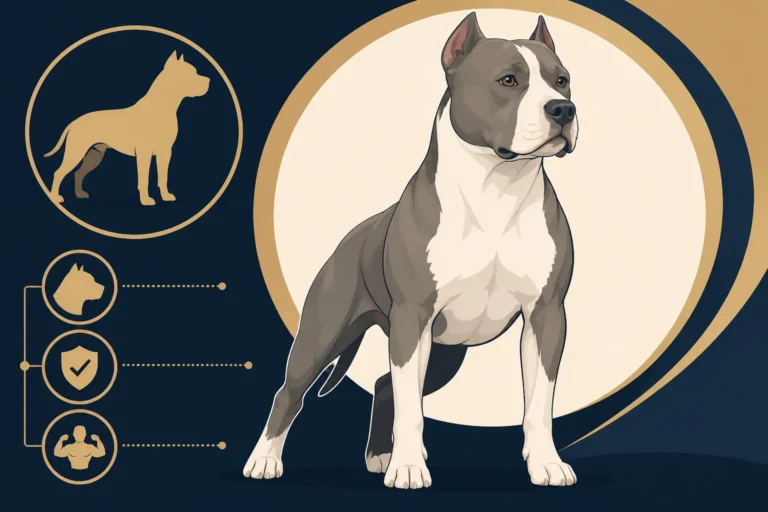
Historically, and even today, the term "Pit Bull" primarily refers to three main breeds, sometimes four depending on who you ask. The two most commonly cited are the American Pit Bull Terrier (APBT) and the American Staffordshire Terrier (AmStaff). These two, while closely related, have different breed standards and are recognized by different kennel clubs. The Staffordshire Bull Terrier, a smaller, English cousin, is also often included in the broader "Pit Bull type" discussion. Some might even stretch it to include American Bulldogs due to their shared "bully" lineage, but typically, it's the first three that people are thinking of. They all share a general build: muscular, strong jaws, and a short, smooth coat.
The American Pit Bull Terrier, for instance, is recognized by the United Kennel Club (UKC) and the American Dog Breeders Association (ADBA). The UKC standard describes them as agile, strong, and confident dogs. Meanwhile, the American Staffordshire Terrier is recognized by the American Kennel Club (AKC), which separated it from the APBT line decades ago, focusing on a slightly different conformation and temperament within its show ring. How AmStaffs and APBTs Split in the 1930s can tell you more about this historical division. This divergence in recognition and focus has led to subtle, yet significant, differences over generations.
Historical Roots and Divergent Paths
The lineage of what we call "Pit Bulls" can be traced back to the early 19th century in the United Kingdom, specifically to crosses between Old English Bulldogs and terriers. These crosses were originally bred for blood sports like bull-baiting and bear-baiting, and later for dog fighting, after these larger animal sports were banned. When these dogs made their way to America, they continued to be developed, with breeders focusing on traits like gameness, strength, and athleticism. This created the foundation for the American Pit Bull Terrier.
Over time, some of these dogs were recognized by the AKC, specifically as the American Staffordshire Terrier, with a greater emphasis on conformation and a more standardized appearance. The UKC continued to register dogs under the American Pit Bull Terrier name, maintaining a broader focus on working ability and athleticism. This shared, yet divergent, history is key to understanding why "Pit Bull" is a type rather than a single, unified breed. This complex history influences everything from their physical build to their public perception, making terms like Why Pit Bull Is a Type and Not a Breed essential reading for a deeper dive.
Introducing the American Bully: A New Generation
If the "Pit Bull" is a type, think of the American Bully as a relatively newer branch that grew out of that strong, deep-rooted family tree. They are not simply "Pit Bulls" in a different package; they are a distinct, purpose-bred companion breed that has gained significant popularity in recent decades.
How the American Bully Came to Be
The American Bully breed was established in the 1990s, intentionally developed from various Pit Bull type dogs, including the American Pit Bull Terrier, American Staffordshire Terrier, and often other bulldog breeds suchments like the English Bulldog and Olde English Bulldogge. The goal of these breeders was to create a companion dog with a specific look: a more exaggerated "bully" appearance – broader, more compact, and heavily muscled – combined with a significantly softer temperament. The focus shifted away from the working or fighting traits of their ancestors and squarely onto creating a loyal, stable, and affectionate family pet.
This breeding program aimed to reduce the higher prey drive and dog-selectivity that some of the earlier Pit Bull lines were known for, prioritizing a docile and tolerant nature. The American Bully Kennel Club (ABKC) was founded in 2004 to establish a breed standard and registry for these dogs, recognizing various "classes" or "types" within the breed, such as Pocket, Standard, Classic, and XL, all defined by height and build. Whether an American Bully Is a Pit Bull further clarifies this lineage and separation.
The Distinctive Look of an American Bully
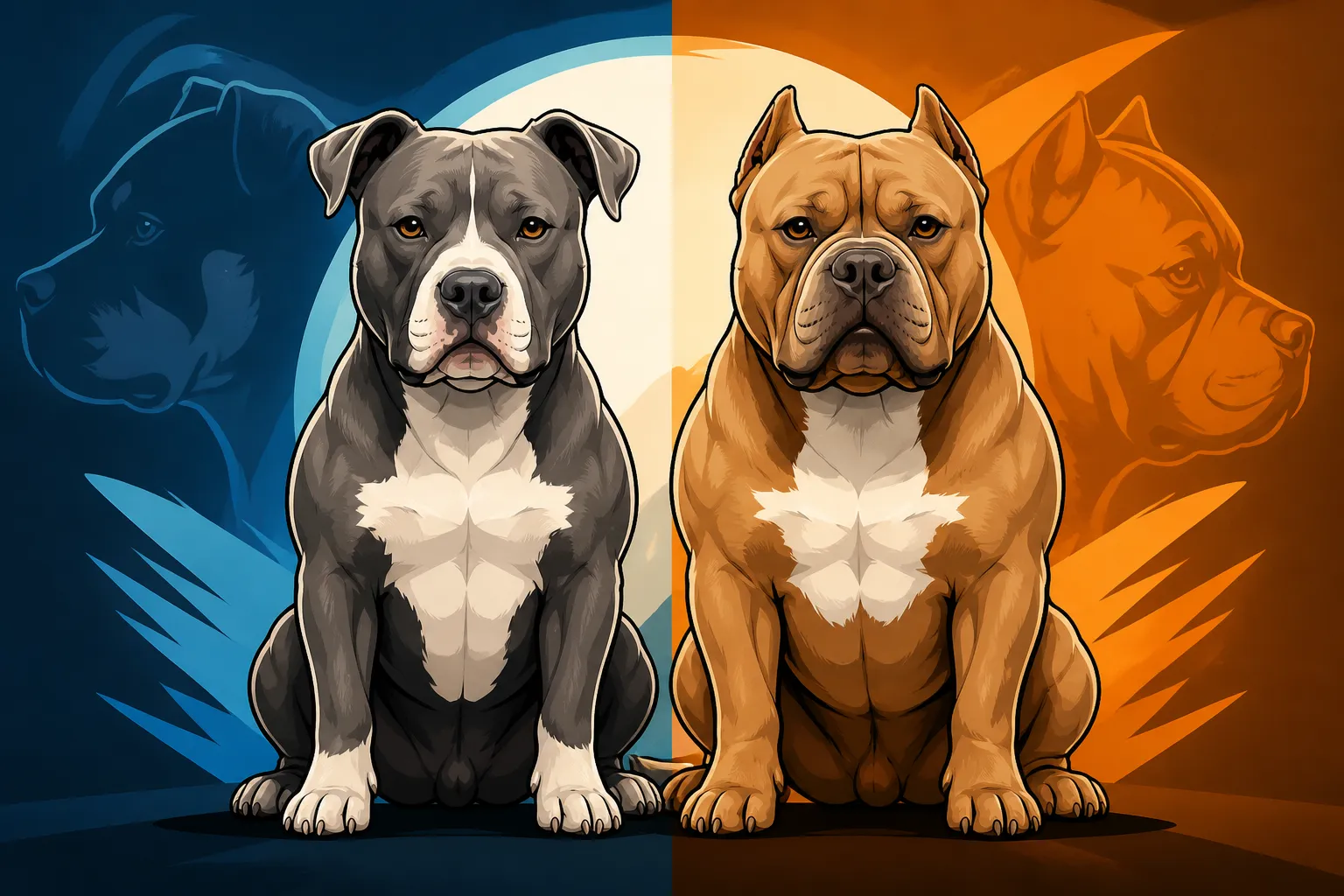
Visually, the American Bully is immediately recognizable for its distinctive "bully" characteristics. They typically possess a very wide, broad chest, a large blocky head, a short muzzle, and a heavily muscled, compact body. Their bone structure is often much heavier and thicker than a traditional American Pit Bull Terrier. While APBTs are generally described as athletic and agile, American Bullies embody a more "massive" or "power-packed" appearance.
Their coats are usually short and smooth, coming in a wide array of colors and patterns, much like their Pit Bull ancestors. However, the overall silhouette is what truly sets them apart: they tend to be shorter in stature but significantly wider and deeper through the chest, giving them a lower-to-the-ground, powerful stance. This specific conformation was deliberately selected to achieve a particular aesthetic, differentiating them from the more streamlined and often taller build of many APBTs.
Key Differences: Appearance, Temperament, and Purpose
Understanding the individual traits of American Pit Bull Terriers and American Bullies helps solidify the distinction. While they share a common lineage, their development has led to noticeable divergences in their physical characteristics, typical temperaments, and the purposes for which they are best suited.
Physical Traits Side-by-Side
Let's break down some of the most striking physical differences:
| Feature | American Pit Bull Terrier (APBT) | American Bully |
|---|---|---|
| Build | Athletic, lean, agile, often more leggy. | Compact, heavily muscled, stocky, broader, often shorter. |
| Head | Wedge-shaped, moderate stop, medium length muzzle. | Large, blocky, very pronounced stop, shorter, wider muzzle. |
| Chest | Deep and well-sprung, but generally not as wide or exaggerated. | Extremely wide and deep, giving a very "barrel-chested" appearance. |
| Bone Structure | Moderate to heavy bone, proportionate to their athletic build. | Very heavy bone, giving a dense, powerful look. |
| Height | Generally taller, more rangy build. | Shorter stature, lower to the ground, especially Pocket and XL types. |
| Weight | Built for power-to-weight ratio; often lighter than they appear. | Generally heavier for their height due to muscle mass and bone density. |
When you're comparing two dogs side-by-side, these physical traits become quite apparent. An APBT might look like a lean marathon runner next to an American Bully, who resembles a powerful weightlifter. This divergence in appearance is a direct result of selective breeding focusing on different aesthetic goals. For example, if you're looking for gear, an APBT might need a more streamlined harness, while an American Bully might require something extra wide across the chest, perhaps a durable option from a place like Chewy that stocks a variety of robust choices. Pit Bull Weight and Muscle on a Working Frame explores the ideal build for APBTs.
Temperamental Nuances: Companion vs. Athlete
While both types are known for their strong bond with humans and their affectionate nature, their temperaments, particularly in certain areas, have been molded by their different breeding focuses. American Pit Bull Terriers, due to their heritage, can sometimes exhibit a higher prey drive and a tendency towards dog-selectivity or dog-dog aggression, especially with same-sex individuals. They are intelligent, highly energetic, and thrive on having a "job" or engaging in vigorous activities. They require consistent training and diligent socialization from a young age to ensure they are well-adjusted. Pit Bull Dog Selectivity and Multi-Dog Homes offers valuable insights into this aspect of their behavior.
The American Bully, on the other hand, was specifically bred to be a more laid-back companion. While they still have energy and can be playful, they generally possess a lower prey drive and are often more tolerant of other dogs and strangers. Their temperament is characterized by extreme loyalty, gentleness with family members, and a desire to please. They are typically calmer indoors and are less likely to seek out high-intensity work. This focus on a stable, affectionate temperament is a hallmark of the American Bully breed standard. This isn't to say an APBT can't be a wonderful family pet, or that an American Bully can't be active, but their tendencies and original breeding intentions lean in these different directions.
Understanding Their Original Intentions
The initial purpose behind breeding APBTs was rooted in athleticism, strength, and gameness for various tasks, including the unfortunate history of fighting, but also as versatile farm dogs. They were valued for their tenacity and drive. This history has instilled in many APBTs a high energy level, a strong will, and a desire for engagement that requires an owner who can meet those needs through training and appropriate exercise.
The American Bully's purpose was a deliberate shift. Breeders wanted to create a dog that embodied the impressive physical characteristics of the "bully" type but with an undeniable focus on companionability. They aimed for a gentle giant, a formidable-looking dog that was, at its heart, a loving and stable family member. This intentional shift in breeding goals explains why, despite their imposing appearance, American Bullies are often described as easygoing and friendly, thriving as devoted pets in a wide range of family settings. They’re less about the "work" and more about the "family."
Registration, Recognition, and the "Type" Conundrum
The differing breed definitions and registries can be one of the most confusing aspects for anyone trying to understand Pit Bulls and American Bullies. It's not just about what a dog looks like; it's about who says it's what, and why. This formal recognition or lack thereof plays a significant role in how these dogs are viewed and managed.
Navigating Different Registries
As discussed, the American Pit Bull Terrier (APBT) is recognized by the United Kennel Club (UKC) and the American Dog Breeders Association (ADBA). These registries maintain breed standards that emphasize athleticism, working ability, and a balanced, functional physique. The American Staffordshire Terrier (AmStaff), closely related but developed for a different path, is recognized by the American Kennel Club (AKC), which focuses on conformation show standards. Each registry has its own set of rules, lineage tracking, and judging criteria, which means a dog registered as an APBT by the UKC would not typically be registered as an AmStaff by the AKC, despite their shared ancestry.
The American Bully, being a newer breed, has its own dedicated registries. The most prominent is the American Bully Kennel Club (ABKC), which was founded specifically to register and promote the American Bully breed. The ABKC defines the various types within the American Bully (Standard, Pocket, XL, Classic), each with distinct height and conformation standards. While some American Bullies may have APBT or AmStaff in their recent pedigree, they are registered as American Bullies, marking their clear distinction and adherence to the Bully breed standard. Which DNA Panel Tells You If It Is a Pit Bull can shed light on how genetic testing helps understand lineage, though it doesn't always align with visual identification or informal labels.
Why the Distinction Matters for Owners
For owners, understanding these distinctions is more than just an academic exercise; it has real-world implications. Firstly, it affects breed-specific legislation (BSL). In some areas, "Pit Bull type dogs" are restricted or banned. While American Bullies might visually fall into this category, their specific breed recognition (or lack thereof in older BSL laws) can create legal grey areas. Knowing your dog's actual breed, as recognized by a legitimate registry, can be vital for navigating housing, insurance, and local ordinances. Where Pit Bull Legislation Still Applies highlights areas where these distinctions are critically important.
Secondly, it impacts what you expect from your dog in terms of temperament and exercise needs. An owner expecting the calm demeanor of a typical American Bully might be overwhelmed by the higher energy and potential dog-selectivity of an APBT. Conversely, an owner seeking a high-drive working dog might find an American Bully doesn't quite fit the bill. Knowledge of the specific breed's traits helps you prepare for responsible ownership, providing the right training, socialization, and environment to help your dog thrive. When you're picking out that first collar or dog bed, knowing what you're getting into regarding size and potential chewing habits (think durable beds from Chewy) is a big part of successful ownership.
The Ongoing Conversation: Perception and Responsibility
The public perception of "Pit Bull type dogs" is complex and often fraught with misinformation, and American Bullies, by association, frequently get swept into this narrative. As owners or potential owners, understanding this broader conversation is key to being a responsible advocate for these dogs.
Public Opinion and Misconceptions
The term "Pit Bull" has, unfortunately, become loaded with negative connotations for many people, often unfairly associating the dogs with aggression, danger, and unpredictability. This perception largely stems from sensationalized media reports, a misunderstanding of their history, and a lack of distinction between individual dogs and the broader "type." Because American Bullies share a similar ancestry and often a powerful physical presence, they too often fall victim to these generalized fears and misconceptions. Pit Bulls in Culture and Public Perception delves deeper into how media has shaped this view.
Many people assume that any broad-headed, muscular dog with a short coat is inherently aggressive, failing to recognize the individual temperament of the dog in front of them, or the intentional breeding for companionship that defines the American Bully. This leads to challenges for owners, from difficulty finding housing and insurance to facing judgment in public spaces. It's a frustrating reality that owners of both Pit Bulls and American Bullies often confront, simply because their dogs look a certain way.
The Owner's Role in Shaping the Narrative
As owners of these magnificent dogs, we have an incredibly important role to play in changing public perception, one interaction at a time. This starts with prioritizing responsible ownership. For an American Bully, this means focusing on early socialization, consistent positive reinforcement training, and ensuring they are well-mannered in all public settings. A well-behaved American Bully, walking calmly on a leash, greeting strangers politely, and demonstrating a gentle nature, does more to dispel myths than any amount of argument.
It also involves being an informed advocate. When someone expresses fear or asks questions, approach with patience and education. Explain the difference between breed types, share positive experiences, and demonstrate your dog's good temperament. Being able to calmly explain that your "Bully" is a distinct breed specifically developed for companionship, and not a fighting dog, can make a huge difference. Investing in high-quality training, perhaps even pursuing a Canine Good Citizen certification (Canine Good Citizen Testing With a Pit Bull), can provide tangible proof of your dog's excellent manners, showing the world that these dogs, regardless of their specific type, are intelligent, trainable, and loving companions.
Disclaimer
This article is for general informational purposes only and does not constitute professional advice. Laws, prices and regulations vary by location and change over time. Consult a qualified professional for guidance on your specific situation.