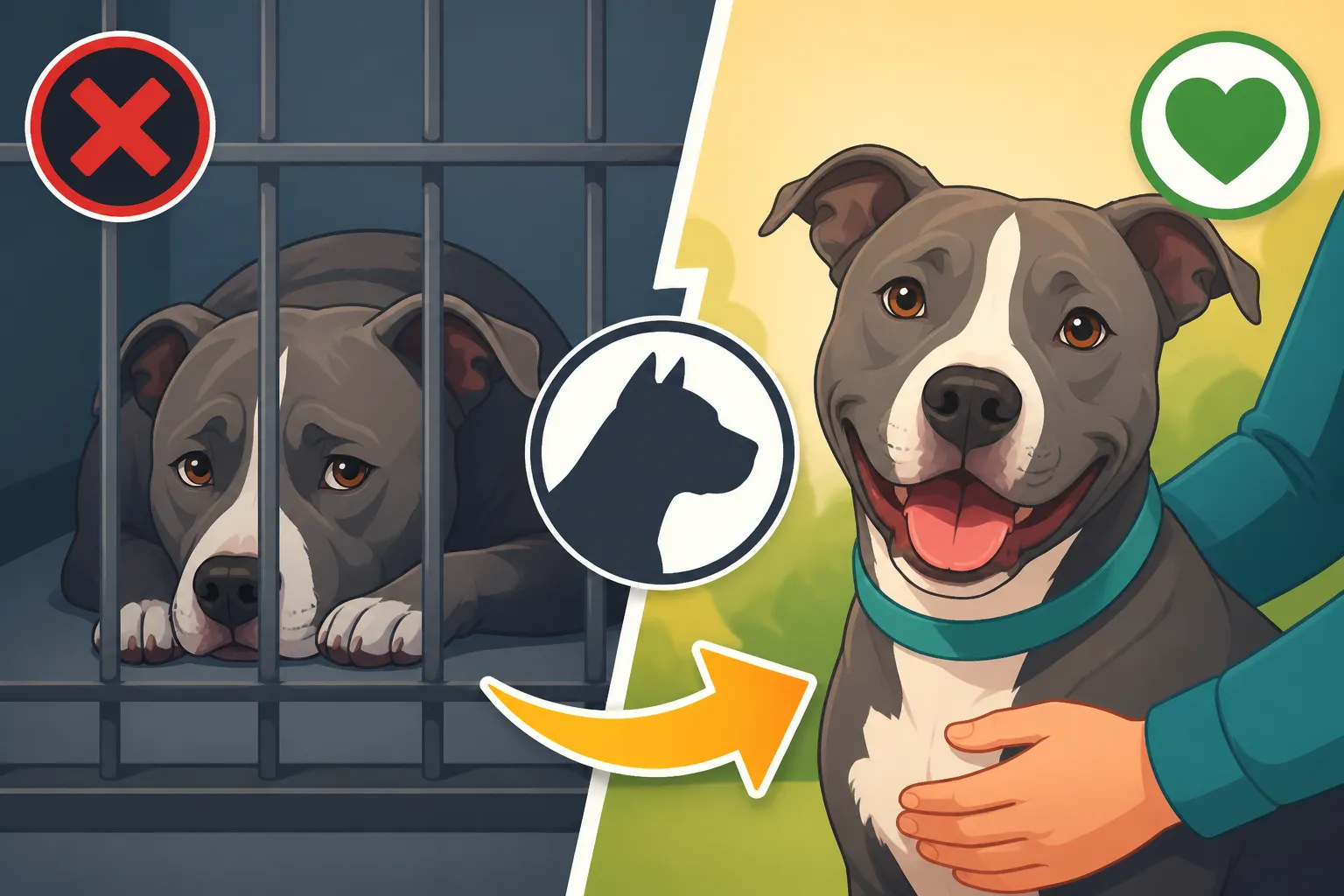
Why a Pit Bull Label Changes a Shelter Outcome
It's a disheartening truth for anyone involved in dog rescue or adoption: a "Pit Bull" label can drastically alter a dog's journey through the shelter system, often making the path to a loving home longer, harder, and sometimes, sadly, non-existent. This guide dives deep into the unfortunate reality of how this breed identification impacts everything from a dog's adoption prospects to the resources dedicated to its care, and what we, as advocates and potential adopters, need to understand about this complex issue.
The Reality of the "Pit Bull" Label in Shelters
When a dog enters a shelter, one of the first things that happens is an assessment of its breed. For many dogs, this is a straightforward process, but for those that visually resemble a "Pit Bull" type, it becomes a label loaded with public perception, legal hurdles, and heartbreaking consequences. This isn't about genetics; it's often about appearance.
The Visual Identification Dilemma
Most shelters do not perform DNA tests on incoming animals. Instead, breed identification is often a visual guess, made by staff or volunteers based on physical characteristics. Think about it: broad heads, muscular builds, short coats, and a certain powerful stance often lead to a "Pit Bull" designation. The problem is, countless mixed-breed dogs share these traits, leading to a significant over-identification of "Pit Bull" types in shelters. This means that a dog with only a tiny percentage of actual Pit Bull ancestry, or none at all, can be saddled with the label simply because it looks the part. This visual guesswork is a huge driver behind why shelters are often overflowing with dogs labeled as Pit Bulls, regardless of their true genetic makeup. It's a perception problem, not a genetic one. How Many Pit Bull Type Dogs Shelters Hold is a staggering number, largely due to this visual bias.
Public Perception and Misinformation
The media, public opinion, and a long history of sensationalized stories have unfortunately created a powerful, often negative, stereotype around dogs identified as Pit Bulls. This isn't fair to the individual dogs, but it's a reality shelters grapple with every single day. People walk into a shelter with preconceived notions, some fueled by fear, others by misinformation. They might hear stories about aggression or danger, even though temperament tests often show these dogs to be just as, if not more, stable than many other breeds. This deeply ingrained public perception means that potential adopters often bypass the "Pit Bull" kennels without a second glance, or worse, approach them with an unfounded wariness that further complicates the adoption process. It’s a societal challenge that directly impacts these innocent dogs.
How the Label Impacts Adoption Rates
The "Pit Bull" label doesn't just stick to a dog's kennel card; it casts a long shadow over its entire stay in the shelter, significantly impacting its chances of finding a forever home. This isn't just anecdotal; it's borne out in adoption statistics across the country.
Longer Stays and Overcrowding
One of the most immediate and painful impacts of the "Pit Bull" label is the extended length of stay these dogs endure in shelters. While other dogs might be adopted within days or weeks, Pit Bull type dogs often wait for months, sometimes even years. This isn't because they are inherently less adoptable or have more behavioral issues; it's because fewer people are willing to consider them. This leads to severe overcrowding in shelters, especially in areas with high intake rates of these dogs. The longer a dog stays in a shelter, the more susceptible it can become to stress, behavioral regression, and health issues, further diminishing its appeal to potential adopters. This creates a heartbreaking cycle of prolonged waiting and decreased chances. Why Shelter Pit Bulls Wait Longer is a crucial piece of this puzzle.
Breed-Specific Legislation and Housing Restrictions
Beyond public opinion, tangible barriers exist that specifically target Pit Bull type dogs. Breed-specific legislation (BSL) in various cities and counties prohibits or heavily restricts the ownership of certain breeds, with Pit Bulls almost always at the top of the list. This means that even if a loving family wants to adopt a labeled Pit Bull, they might be legally prevented from doing so simply because of where they live.
Furthermore, a huge hurdle for many potential adopters is finding housing. Landlords, apartment complexes, and homeowner associations (HOAs) frequently have breed restrictions that explicitly ban Pit Bulls. This often means families are forced to choose between a dog they love and keeping their home, or they simply don't consider adopting a labeled Pit Bull in the first place, knowing they'll face an uphill battle to find suitable accommodation. It’s a cruel Catch-22 that leaves countless dogs in limbo. Why Housing Rules Send Pit Bulls to Shelters is a direct consequence of these restrictions.
The Financial Burden of a Pit Bull Label
It's not just the dogs who suffer under the weight of the "Pit Bull" label; shelters and rescue organizations also bear a significant financial burden due to longer stays, specialized care, and lower adoption rates for these animals.
Increased Care Costs
When a dog stays in a shelter for an extended period, the costs associated with its care accumulate. This includes daily food, which can be sourced from general suppliers like Chewy for a wide range of dietary needs, but also extends to vaccinations, parasite prevention, and any necessary medical treatments. For dogs that develop stress-related illnesses or behavioral issues due to prolonged kennel confinement, these costs can skyrocket. Shelters operate on tight budgets, relying heavily on donations and grants. The disproportionate number of Pit Bull type dogs requiring long-term care means that a larger portion of these precious resources is diverted to a specific demographic, often straining the shelter's overall capacity to help other animals.
Reduced Adoption Fees and Special Programs
To try and move these dogs out of the shelter and into homes, many organizations feel compelled to reduce or even waive adoption fees for Pit Bull type dogs. While this can sometimes incentivize adoption, it also means a direct loss of revenue that could have been reinvested into caring for more animals.
Furthermore, shelters often invest in special marketing campaigns, foster programs, and public education initiatives specifically aimed at increasing Pit Bull adoptions. While these efforts are vital and commendable, they require staff time, marketing budgets, and volunteer coordination, adding another layer of financial commitment. It's a stark illustration of The Cost of a Pit Bull Reputation and the lengths shelters go to counteract it.
Beyond the Label: Behavior and Training Perceptions
The "Pit Bull" label doesn't just affect how long a dog waits for a home; it also shapes how its behavior is perceived and the training expectations placed upon it, often unfairly.
The "Dangerous Dog" Stereotype
One of the most damaging aspects of the label is the pervasive "dangerous dog" stereotype. Even when a Pit Bull type dog displays perfectly normal, friendly behavior, some people view it through a lens of suspicion or fear. A playful nip might be dismissed as puppy behavior in a Labrador but interpreted as aggression in a Pit Bull. A bark at a stranger might be seen as protective in one breed but menacing in another. This biased interpretation can lead to unwarranted caution, less interaction from potential adopters, and even contribute to a dog being deemed "unadoptable" for minor, easily manageable behaviors. This stereotype is a significant hurdle that individual dogs must overcome, despite their inherent good nature.
Increased Training and Socialization Expectations
Because of the breed's reputation, owners of Pit Bull type dogs often face higher expectations and scrutiny regarding their dog's behavior and training. This isn't necessarily a bad thing – all dogs benefit from good training and socialization – but it highlights an unfair double standard. A Pit Bull might need to be "perfect" in public where another dog can get away with a few slips. This can be intimidating for new dog owners, who might shy away from adopting a Pit Bull for fear of not being able to meet these heightened societal expectations. Finding a trainer who is experienced with and open-minded about Pit Bulls can also be a challenge, though thankfully resources exist, and many professional dog trainers understand that behavior is individual, not breed-specific. Consider searching for local trainers via platforms like Chewy's service directory to find those with appropriate experience. Finding a Trainer Experienced With Pit Bulls can make a huge difference.
Advocacy and the Future of Shelter Policies
Despite the challenges, there is a growing movement to counteract the negative impact of the "Pit Bull" label. Advocacy efforts, changes in shelter policy, and public education are slowly but surely making a difference.
"Breed-Neutral" Adoptions and Removing Labels
One of the most impactful changes many shelters are implementing is moving towards "breed-neutral" or "open adoption" policies. This means that instead of focusing on a dog's visual breed identification, shelters emphasize the dog's individual personality, temperament, and observed behaviors. The kennel card might simply say "Mixed Breed" or focus on descriptive traits like "affectionate," "energetic," or "couch potato." The goal is to encourage adopters to choose a dog based on its individual merits, rather than preconceived notions about its appearance or perceived breed. When shelters truly drop the Pit Bull label, it can have profound effects on adoption rates and public perception. What Happens When Shelters Drop the Pit Bull Label and Whether Dropping the Label Gets Pit Bulls Adopted illustrate the positive shifts observed.
Public Education and Shifting Narratives
A key component of advocacy is public education. Organizations are working tirelessly to dispel myths about Pit Bulls, highlight their positive attributes, and showcase success stories of these dogs in loving homes. This includes sharing stories of Pit Bulls as therapy dogs, family companions, and loyal athletes. By consistently presenting accurate information and positive portrayals, advocates aim to slowly shift public opinion and reduce the stigma associated with the label. This cultural change is slow but essential to creating a more welcoming environment for these dogs. How Public Opinion on Pit Bulls Has Shifted is a testament to these ongoing efforts.
The Rise of Foster Programs
Foster programs are becoming increasingly critical for Pit Bull type dogs. By placing these dogs in temporary homes, shelters can reduce overcrowding, provide a less stressful environment for the dog, and gather valuable information about its behavior in a home setting. A foster parent can offer insights into how the dog interacts with children, other pets, and visitors, giving potential adopters a much clearer picture of the dog's true personality beyond the kennel walls. This also allows for dogs to be seen in a natural home environment, which can often showcase their true, gentle dispositions. Many fosters rely on services like Chewy to ensure their foster dogs have all the supplies they need during their temporary stay. Foster Programs for Shelter Pit Bulls are truly lifesaaving.
Navigating the System: What Owners Can Do
If you're considering adopting a Pit Bull type dog or already have one, understanding these challenges empowers you to be a better advocate and a more prepared owner.
Be an Informed and Responsible Owner
For current and prospective Pit Bull owners, being informed about breed stereotypes and potential challenges is the first step. This means understanding that your dog might be judged differently and being prepared to be a strong ambassador for the breed. Prioritizing responsible ownership, which includes thorough training, proper socialization, and consistent care, is paramount. Obtaining certifications like the Canine Good Citizen (CGC) can also serve as proof of your dog's good manners and responsible ownership, potentially easing housing or insurance hurdles. Canine Good Citizen and Why It Matters for a Pit Bull is a key resource.
Advocate for Breed-Neutral Policies
Support organizations that advocate for breed-neutral legislation and against breed-specific bans. Your voice, whether through petitions, contacting local representatives, or simply educating friends and family, can contribute to systemic change. Encourage local shelters to adopt breed-neutral labeling practices and support their efforts to place dogs based on individual temperament, not appearance. Understanding What Breed Neutral Law Means for Pit Bulls is crucial for effective advocacy.
Embrace Temperament Testing and Training
Focus on your dog's individual behavior and temperament, not its perceived breed. Engage in regular training, ensuring your dog is well-behaved and manageable in public. Seek out positive reinforcement trainers who understand and appreciate the intelligence and willingness of Pit Bull type dogs. Participate in temperament assessments, whether formal or informal, that highlight your dog's strengths and address any areas needing improvement. This hands-on approach directly counters negative stereotypes. Pit Bull Temperament and What Testing Shows can provide further context here.
Here's a look at how the "Pit Bull" label often impacts various aspects of a shelter dog's journey:
| Aspect of Shelter Journey | Impact Without "Pit Bull" Label | Impact With "Pit Bull" Label |
|---|---|---|
| Initial Assessment | Focus on individual traits | Immediate breed identification based on looks |
| Length of Stay | Typically shorter | Often significantly longer |
| Adoption Rate | Higher | Lower |
| Public Perception | Generally positive/neutral | Often negative, fear-driven |
| Housing Options | More accessible | Restricted by BSL & landlord policies |
| Insurance Availability | Easier to obtain | More difficult, higher premiums, exclusions |
| Resources & Marketing | General marketing efforts | Targeted, often costly, specific campaigns |
| Behavioral Perception | Judged on individual actions | Actions often viewed through negative stereotype |
| Euthanasia Risk | Lower | Higher, especially in overcrowded shelters Euthanasia Rates for Pit Bull Type Dogs |
The journey of a Pit Bull type dog through the shelter system is undeniably tougher than for many other dogs. The label, often inaccurately applied, creates a cascade of challenges from longer stays and increased costs to unfair public perception and housing discrimination. However, with continued advocacy, breed-neutral policies, robust public education, and responsible ownership, we can work towards a future where every dog, regardless of its appearance, is judged on its individual merit and character. It's a fight for fairness, compassion, and the fundamental right of every dog to a loving home.
Disclaimer
This article is for general informational purposes only and does not constitute professional advice. Laws, prices and regulations vary by location and change over time. Consult a qualified professional for guidance on your specific situation.