What Blue Nose and Red Nose Mean on a Pit Bull
Many folks come to the Pit Bull world with a lot of questions, and two terms that pop up constantly are "blue nose" and "red nose." It's easy to get caught up in the hype surrounding these descriptors, imagining they represent rare breeds or dogs with fundamentally different temperaments. The truth is, these terms simply refer to specific color variations of a Pit Bull type dog's nose and often, their coat, and understanding the genetics behind them can help demystify a lot of the folklore. This guide will help you understand what "blue nose" and "red nose" truly mean for Pit Bulls, dispelling myths and focusing on the actual characteristics of these beloved companions.
Unpacking the "Pit Bull" Label and Color
Before we dive into the specifics of blue and red noses, it's crucial to grasp what we mean when we say "Pit Bull." This isn't a single, recognized breed by all major kennel clubs; rather, it's a general term that encompasses several distinct breeds and mixes that share similar physical traits and ancestry. Understanding this foundational concept is key to appreciating why "blue nose" or "red nose" isn't a breed in itself, but a characteristic that can appear within various Pit Bull type dogs.
Why "Pit Bull" Is a Type, Not a Single Breed
When someone says "Pit Bull," they might be referring to an American Pit Bull Terrier (APBT), an American Staffordshire Terrier (AmStaff), a Staffordshire Bull Terrier, or even an American Bully. Often, it's also used to describe any dog with a blocky head, muscular build, and short coat that looks like these breeds, regardless of its actual genetic makeup. This broad categorization means that physical traits like nose color are inherited from the dog's specific genetic lineage within that broader "Pit Bull" type. It’s a bit like saying "sports car" – it covers many different makes and models, but they all share certain characteristics.
The American Pit Bull Terrier, recognized by the United Kennel Club (UKC), and the American Staffordshire Terrier, recognized by the American Kennel Club (AKC), are two of the most commonly identified breeds under the Pit Bull umbrella. While they share a common ancestry and striking similarities, they've diverged through selective breeding for different purposes and standards. This distinction is vital because a blue or red nose isn't exclusive to one specific Pit Bull breed; it's a genetic trait that can manifest in any of them, provided the right genes are present. You might even find it in a mixed-breed dog that has Pit Bull type ancestry. For a deeper dive into this, check out Why Pit Bull Is a Type and Not a Breed and The Three Breeds People Call Pit Bulls.
The Role of Genetics in Pit Bull Coat and Nose Color
Dog coat and nose colors are determined by a complex interplay of genes. There are primary pigment genes that dictate whether a dog will produce black (eumelanin) or red/yellow (phaeomelanin) pigment, and then there are modifier genes that dilute or alter these basic colors. The "blue" and "red" nose colors in Pit Bulls are direct results of these modifier genes affecting the expression of black and red pigments.
It's a fascinating area of study, and it explains why you see such a wide array of colors in Pit Bulls, from stark black and white to brindle, fawn, and, of course, blue and red. The genes involved in these color expressions don't typically influence temperament, health beyond specific color-linked conditions, or overall build. It's purely aesthetic, but the visual impact is profound, leading to the distinct popularity of these colorations. Knowing this helps us separate fact from fiction when we hear claims about "blue nose" or "red nose" Pit Bulls being inherently different in personality or capabilities.
The Allure of the Blue Nose Pit Bull
The term "blue nose" often conjures images of a sleek, muscular dog with a striking charcoal-grey coat and a matching nose. This particular coloration has gained immense popularity, leading to both admiration and, unfortunately, some misconceptions and exploitative breeding practices.
The Genetic Basis of the Blue Nose
A blue nose in a Pit Bull is a direct result of a genetic dilution of black pigment. Dogs inherit two copies of every gene, one from each parent. For a dog to have a blue coloration, it must inherit two copies of the dilute gene (often symbolized as 'dd'). This recessive gene essentially "dilutes" black pigment, turning it into a shade of grey. If a dog has a black coat, the dilute gene turns it blue-grey. If it has a red coat, the dilute gene can turn it into a fawn or even lilac shade, but the nose itself will still be blue because the nose pigment is primarily affected by the black dilution.
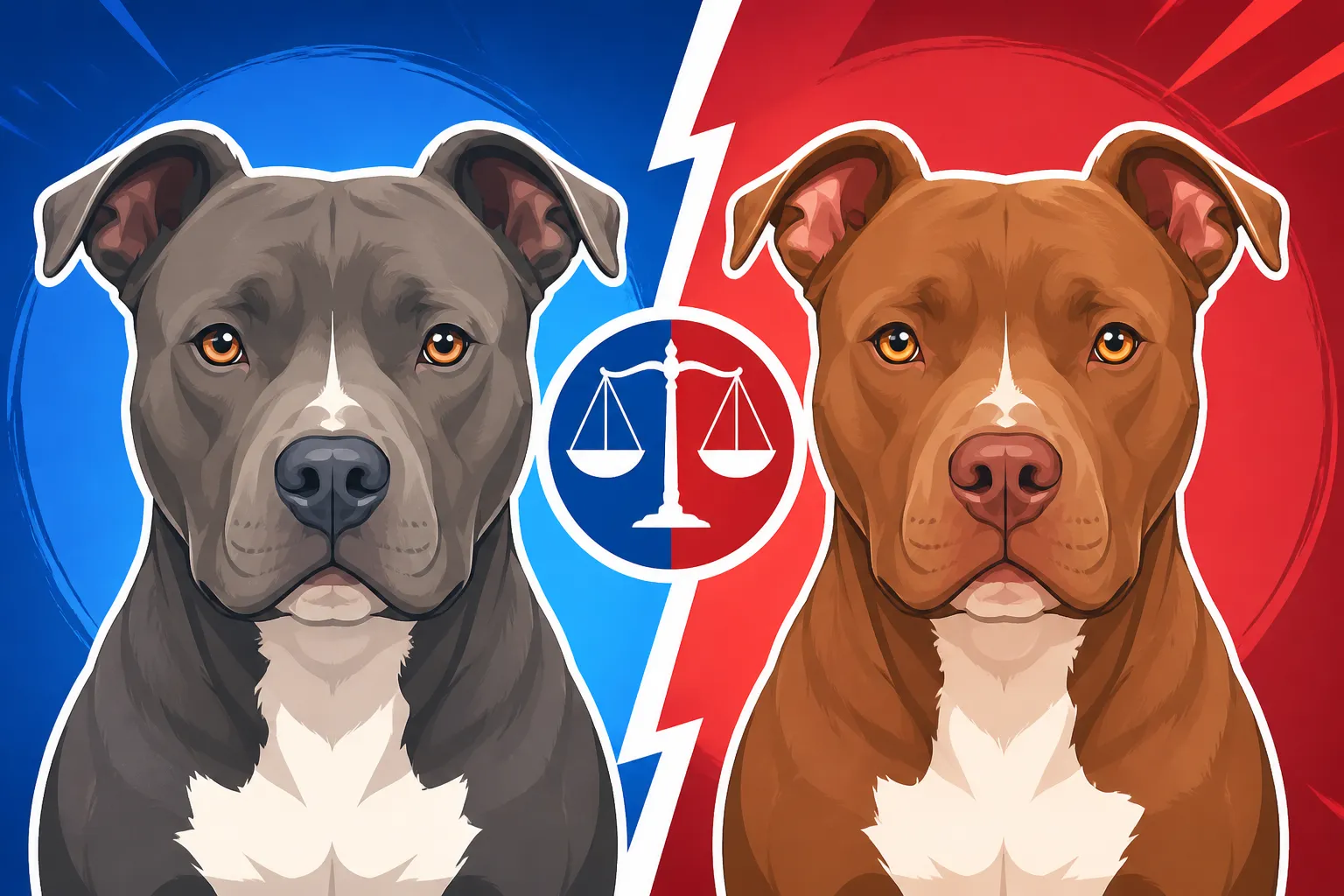
So, a "blue nose" dog isn't blue all over because it's a completely different breed. It's simply a dog with the genetic coding to dilute black pigment. The actual coat color can vary from a light silver to a deep slate grey, but the nose, paw pads, and often the eye rims will all display that characteristic bluish-grey hue. These dogs are genetically black-pigmented dogs where the black has been diluted.
Common Misconceptions About Blue Nose Pit Bulls
One of the biggest myths surrounding blue nose Pit Bulls is that they are a separate, rare, or superior breed. This is simply not true. They are American Pit Bull Terriers, American Staffordshire Terriers, or mixes, that happen to carry the recessive dilute gene. Breeders often market "blue nose Pit Bulls" at higher prices, leveraging their perceived rarity and unique appearance. This can unfortunately lead to irresponsible breeding practices where color is prioritized over health and temperament.
Another misconception is that blue nose Pit Bulls have a distinct temperament, often described as more docile or, conversely, more aggressive. Again, this is baseless. Nose color has absolutely no bearing on a dog's personality, intelligence, or training potential. A blue nose Pit Bull's temperament is influenced by the same factors as any other Pit Bull: genetics from its parents, early socialization, and consistent training. A puppy's color does not predict its future behavior any more than a human's hair color predicts theirs. Early socialization, as discussed in Socializing a Pit Bull Puppy Thoroughly, is crucial for any Pit Bull, regardless of its hue.
Health Considerations for Dilute Colors
While the dilute gene itself isn't inherently problematic, it's worth noting that certain dilute colorations can sometimes be associated with specific health issues, though these are not universal or guaranteed. For blue-coated dogs, there is a condition known as Color Dilution Alopecia (CDA). This is a genetic skin condition that affects dogs with dilute coat colors, including blues. Symptoms can range from thinning hair and dry, flaky skin to complete hair loss and secondary skin infections.
CDA doesn't affect all blue dogs, but it's a recognized risk. If you have a blue nose Pit Bull, or any dilute-colored dog, it's important to be aware of this potential issue and monitor their skin and coat health. Regular grooming and a high-quality diet, perhaps with supplements like those found on Chewy for skin and coat health, can sometimes help manage symptoms. It's another reason why choosing a reputable breeder who prioritizes health over color is so important, and why What a Pit Bull Breeder Should Be Able to Show is such a critical read.
The Richness of the Red Nose Pit Bull
On the other side of the color spectrum, we have the "red nose" Pit Bull. These dogs typically sport a beautiful reddish-brown coat, amber eyes, and, of course, a distinctive red or liver-colored nose. Like their blue-nosed counterparts, red noses come with their own history and set of popular beliefs.
The Genetic Basis of the Red Nose
A red nose in a Pit Bull is also a genetic trait, but it involves the genes responsible for red pigment (phaeomelanin). In dogs, the intensity of red, yellow, and cream coats is governed by the 'E' locus. The 'B' locus determines whether the dog produces black pigment (B) or liver/red pigment (bb). For a dog to have a red nose, it must typically inherit two recessive copies of the 'b' gene (bb). This gene causes all black pigment to be converted into liver or brown, affecting the nose, paw pads, and sometimes the eye rims.
So, a "red nose" Pit Bull is one whose underlying black pigment (eumelanin) has been genetically modified to a liver or red-brown shade. Their coat is often a beautiful reddish-brown, copper, or fawn, and their eyes tend to be amber or gold, rather than the darker brown or blue often seen in black or blue pigmented dogs. This coloration is often associated with the "Old Family Red Nose" (OFRN) strain, a lineage of American Pit Bull Terriers known for their game spirit and distinctive appearance.
The "Old Family Red Nose" Lineage
The "Old Family Red Nose" (OFRN) refers to a specific strain of American Pit Bull Terriers with a unique red nose and matching coat. This line originated in Ireland and was brought to the United States, where it was selectively bred for generations. Historically, these dogs were known for their tenacious working ability and distinctive appearance, which included a copper-red coat, red nose, red lips, red toenails, and often amber eyes.
It's important to note that while the OFRN lineage is real, the term "red nose" today can simply refer to any Pit Bull type dog that happens to have this specific coloration, regardless of whether they trace back to the original Old Family lines. Just like "blue nose," the term can be used by breeders to command higher prices, sometimes without genuine lineage to back it up. If a breeder is emphasizing "OFRN," they should be able to provide verifiable pedigrees proving the lineage, not just rely on the dog's appearance.
Debunking Red Nose Pit Bull Myths
Similar to blue noses, red nose Pit Bulls are often subject to myths about unique temperaments. Some claim they are inherently more aggressive or, conversely, exceptionally gentle. Again, genetics for nose color do not dictate behavior. A Pit Bull's personality is shaped by its individual genetic heritage (beyond just color genes), early experiences, and training. Responsible ownership and training are far more influential than the color of a dog's nose.
The notion that red nose Pit Bulls are rarer or more valuable than other Pit Bulls is also largely a myth driven by market demand. While specific historical lines like the OFRN were distinct, a red nose coloration itself is a natural genetic variation. Prioritizing color over health clearances, temperament testing, and responsible breeding practices can lead to unhealthy or poorly socialized dogs, regardless of their nose color. What a Pit Bull Health History Should Cover is a vital resource for understanding what you should look for in a healthy puppy.
Understanding Health and Temperament Beyond Color
It’s easy to get caught up in the aesthetics of a blue or red nose, but when it comes to bringing a Pit Bull into your home, focusing on health, temperament, and responsible sourcing is paramount. Color is merely a cosmetic trait.
Health Considerations for Any Pit Bull Type Dog
Regardless of whether your Pit Bull has a blue nose, a red nose, or a classic black nose, all Pit Bull type dogs are susceptible to certain health conditions. These can include Pit Bull Hip Dysplasia Showing at One to Two Years, Pit Bull Skin Allergies and the Atopy Pattern, and Pit Bull Heart and Thyroid Conditions. Responsible breeders will screen their breeding stock for these known issues, providing health clearances such as OFA hip and elbow certifications, and possibly thyroid panels or cardiac clearances.
When considering a puppy, ask to see the health testing results for both parents. Don't be swayed solely by a pretty color. A healthy, well-tempered dog will bring far more joy and fewer vet bills in the long run. If you're adopting from a shelter, they often do their best to provide a health history, but genetic clearances are harder to guarantee. However, many wonderful Pit Bulls of all colors are waiting for homes in rescues, and shelter staff can often provide insights into their known health and temperament. You can find essential What a Pit Bull Health History Should Cover information there.
Temperament is Shaped by More Than Genetics
We've already touched on this, but it bears repeating: nose color has no bearing on a Pit Bull's temperament. Pit Bulls, regardless of their specific breed designation (APBT, AmStaff, etc.) or color, are known for being intelligent, loyal, and generally eager to please their families. However, like any powerful dog breed, they require consistent training and proper socialization from a young age.
Early exposure to various people, places, and other animals is crucial for a well-adjusted Pit Bull. Puppy classes, positive reinforcement training, and setting clear boundaries will help any Pit Bull become a well-behaved companion. If you're worried about dog-on-dog interactions, topics like Pit Bull Dog Selectivity Explained can offer valuable insights. Remember, while a dog's genetic predisposition plays a role, environmental factors like training and socialization are often the deciding factors in shaping a dog's behavior. The American Temperament Test Society (ATTS) consistently shows Pit Bull type dogs have high pass rates, demonstrating their stable temperaments when properly raised. For more on this, see Pit Bull Temperament and What Testing Shows.
Responsible Ownership and Finding Your Companion
Whether you're drawn to the distinctive look of a blue nose or the classic charm of a red nose, being a responsible Pit Bull owner goes far beyond aesthetics. It’s about providing proper care, training, and understanding.
Prioritizing Health and Temperament Over Color
When searching for a Pit Bull, whether from a breeder or a rescue, always prioritize health and temperament. A reputable breeder will focus on producing healthy, well-socialized puppies, and will likely have a waiting list, conduct thorough interviews, and be transparent about their dogs' lineage and health clearances. They won't breed solely for "rare" colors but for the betterment of the breed type as a whole. They will also likely have a contract that stipulates what happens if the dog needs to be rehomed, preventing their dogs from ending up in shelters.
If you're considering a specific color, like blue or red, be wary of breeders who market their puppies primarily based on color and charge exorbitant prices for it. Ask about the health history of the parents, meet them if possible, and observe the puppies' behavior. A healthy puppy, regardless of nose color, will be alert, curious, and playful. What a Pit Bull Breeder Should Be Able to Show delves into what questions you should be asking.
Essential Care for Any Pit Bull
All Pit Bulls thrive on good nutrition, regular exercise, and consistent mental stimulation. Their short coats are relatively low maintenance, but they still benefit from regular brushing to reduce shedding and maintain coat health. Products from retailers like Chewy can help you maintain their health and happiness, offering a range of high-quality foods, supplements, and grooming tools.
Proper diet is crucial for maintaining their powerful, athletic build and preventing obesity, which can strain joints. Feeding a Pit Bull to Keep Muscle Without Fat provides excellent guidance on this. Regular exercise is also non-negotiable for these energetic dogs; they love activities like hiking, playing fetch, or even structured training. Their mental health is just as important, so incorporate puzzle toys, training sessions, and scent work into their routine.
Finding Your Pit Bull: Rescue or Reputable Breeder
When it comes to bringing a Pit Bull into your life, you essentially have two main paths: adopting from a shelter or rescue, or purchasing from a reputable breeder. Both have their advantages, and both can lead you to a wonderful companion, whether blue-nosed, red-nosed, or any other color.
Adopting from a Shelter or Rescue:
Many Pit Bull type dogs end up in shelters through no fault of their own. Adopting a rescue dog is incredibly rewarding. Shelter staff and foster parents often have valuable insights into the dog's personality and any known quirks, allowing you to find a dog that's a good match for your lifestyle. They often come spayed/neutered, microchipped, and up-to-date on vaccinations. While you might not get a detailed genetic history, you can often observe the dog's adult temperament directly. Organizations like Chewy's philanthropy arm often support shelters, helping these dogs find their forever homes.
Working with a Reputable Breeder:
If you choose to work with a breeder, focus on those who are dedicated to the health, temperament, and ethical breeding of American Pit Bull Terriers or American Staffordshire Terriers. They will not breed solely for color. A good breeder will:
- Perform extensive health testing on their breeding stock (hips, elbows, heart, thyroid, etc.).
- Prioritize sound temperament and socialize puppies from birth.
- Be transparent about their breeding practices and answer all your questions.
- Provide a written contract and health guarantee.
- Be willing to take a dog back at any point in its life if needed.
- Not charge excessively high prices simply because a puppy has a "blue nose" or "red nose."
A breeder who is genuinely focused on the well-being of their dogs will be an open book. Don't hesitate to ask for references, visit their facility (if possible), and meet the puppy's parents. This diligence helps ensure you get a healthy, happy dog, regardless of its coat and nose color.
Summarizing Blue Nose vs. Red Nose Pit Bulls
Let's break down the key differences and similarities between blue nose and red nose Pit Bulls. This table should help clarify what these terms truly represent.
| Feature | Blue Nose Pit Bull | Red Nose Pit Bull |
|---|---|---|
| Genetic Basis | Dilution of black pigment (dd recessive gene) | Conversion of black pigment to liver/red (bb recessive gene) |
| Nose Color | Bluish-grey to slate | Liver, reddish-brown, or brick red |
| Associated Coat Colors | Shades of grey (blue), fawn, lilac | Reddish-brown, copper, fawn, sometimes brindle |
| Eye Color | Amber, grey, sometimes blue | Amber, gold, light brown |
| Origin of Term | Describes dogs with dilute black pigment | Associated with the "Old Family Red Nose" (OFRN) strain or general red pigmentation |
| Temperament | No inherent difference from other Pit Bulls | No inherent difference from other Pit Bulls |
| Health Risks | Potential for Color Dilution Alopecia (CDA) | No specific color-linked risks beyond general Pit Bull predispositions |
| Rarity/Value | Not inherently rare; perceived rarity can inflate price | Not inherently rare; perceived historical lineage can inflate price |
| Breed Status | Not a separate breed, but a color within Pit Bull types | Not a separate breed, but a color within Pit Bull types |
Ultimately, whether your Pit Bull companion has a blue nose, a red nose, or any other color, what truly matters is the love, care, and training you provide. The color of their nose is a beautiful genetic quirk, but it's their heart, loyalty, and personality that will define your relationship. Focus on finding a healthy, well-socialized dog and be prepared to commit to a lifetime of responsible ownership.
Disclaimer
This article is for general informational purposes only and does not constitute professional advice. Laws, prices and regulations vary by location and change over time. Consult a qualified professional for guidance on your specific situation.