Why Registries List No Breed Named Pit Bull
It can be incredibly frustrating and confusing when you're told a dog is a "Pit Bull" by a shelter, your landlord, or even a casual observer, only to find out that no major kennel club or official registry actually recognizes a single breed by that name. This disconnect often leads to real-world headaches, from insurance denials to housing restrictions, all because the term "Pit Bull" is used so broadly and inconsistently. This guide aims to unravel that knot, explaining exactly why official registries don't list "Pit Bull" as a distinct breed and what that means for you as an owner or prospective adopter.
The Historical Evolution of the "Pit Bull" Term
To understand why "Pit Bull" isn't a formally recognized breed, we have to journey back in time and look at how these dogs were originally developed and how their purpose shaped their public perception and naming conventions. It's a story rooted in functionality, not fancy pedigrees.
From Fighting Dogs to Family Companions
The ancestors of today's "Pit Bull" type dogs were originally developed in the British Isles during the 19th century. They were created by crossing old English Bulldogs with various terriers, specifically for the "sport" of bull-baiting and, later, dog fighting. The bulldog contributed its strength, tenacity, and powerful jaws, while the terrier brought agility, gameness, and determination. These dogs were bred for specific working traits rather than a uniform appearance or a fixed breed standard as we know it today.
When immigrants brought these dogs to America, their roles began to diversify. While some continued to be used in fighting pits (a tragic part of their history that continues to cast a shadow), many others became invaluable working dogs on farms, helping with tasks like herding cattle, catching hogs, and guarding property. They were also cherished family companions, known for their loyalty and bravery. This versatility and close relationship with working families meant that their lineage was often traced informally, focused more on performance than strict breed purity in the modern sense. You can dive deeper into this history in The Bull and Terrier Origin of the Pit Bull.
A Type, Not a Single Breed
Over time, "Pit Bull" became a catch-all term, a descriptor for a type of dog rather than a specific, standardized breed. Think of it like calling a dog a "hound" or a "shepherd" – it suggests certain characteristics and origins, but doesn't pinpoint a single breed. The dogs grouped under the "Pit Bull" label typically share similar physical traits: a stocky, muscular build, a broad head, a strong jaw, and a short, dense coat.
This informal categorization happened organically. People saw these dogs, recognized their shared ancestry and physical characteristics, and simply called them "Pit Bulls." It was a practical label born out of common usage, not a formal declaration by a kennel club. The emphasis was on their function and their general appearance, not on a meticulously maintained lineage with strict breeding standards and official registration papers that define a purebred dog. This is why when someone asks What the Word Pit Bull Actually Covers, the answer is always broader than a single breed name.
The Officially Recognized Breeds Often Labeled "Pit Bull"
While "Pit Bull" isn't a breed, there are several distinct, recognized breeds that fall under this popular umbrella term. Understanding these individual breeds is crucial for anyone trying to navigate the complexities of owning one of these wonderful dogs.
The American Pit Bull Terrier UKC
Of all the breeds commonly called "Pit Bulls," the American Pit Bull Terrier (APBT) is arguably the closest to what most people envision. It is recognized by the United Kennel Club (UKC), which was founded in 1898 with a focus on working dogs. The UKC maintains a detailed breed standard for the APBT, outlining its physical characteristics and temperament. These dogs are known for their strength, agility, confidence, and generally friendly disposition towards humans.
However, even with UKC recognition, the APBT still carries the "Pit Bull" moniker, which can lead to confusion. When people talk about a "purebred Pit Bull," they are most often referring to an APBT registered with the UKC. Despite being a distinct breed with a registry, it remains entangled in the broader "Pit Bull" type definition. This can impact everything from public perception to breed-specific legislation. For more details on its official standing, see The American Pit Bull Terrier as the UKC Defines It. When considering a puppy, understanding Whether a Pit Bull Pedigree Means Anything might seem complex, but for APBTs, a UKC pedigree offers lineage and insight into expected traits.
The American Staffordshire Terrier AKC
The American Staffordshire Terrier (AmStaff) is another breed frequently mistaken for, or grouped with, the American Pit Bull Terrier. The AmStaff is recognized by the American Kennel Club (AKC), which generally focuses on conformation and purebred lines for show. The separation of the AmStaff from the APBT is a fascinating piece of dog history. In the 1930s, the AKC decided to recognize a specific strain of the "Pit Bull" type, prioritizing dogs bred for appearance and temperament suitable for conformation showing, rather than performance in pits. They registered these dogs as Staffordshire Terriers, later adding "American" to distinguish them from their smaller English cousins.
While they share a common ancestor and look remarkably similar, the AmStaff has been bred under a separate standard by the AKC for decades. This means there can be subtle differences in their build, size, and temperament goals, although overlap is significant. Understanding this historical split is key to appreciating the nuances of these breeds. You can learn more about this divergence in How AmStaffs and APBTs Split in the 1930s and get a deeper look at its AKC recognition in The AmStaff as the AKC Recognizes It.
The Staffordshire Bull Terrier
Often overlooked in the American "Pit Bull" discussion, the Staffordshire Bull Terrier (Staffie) is a separate and distinct breed originating from England. These dogs are generally smaller and more compact than their American counterparts, known for their broad heads, muscular builds, and often endearing "smile." Like the American Staffordshire Terrier, the Staffie is also recognized by the AKC.
Staffordshire Bull Terriers are famous for their affectionate nature with people, often earning the nickname "nanny dog" (though it's crucial to remember that no dog should ever be solely responsible for supervising children). Their playful spirit and loyalty make them wonderful family pets. Despite their smaller size, they are incredibly strong and athletic. Their inclusion under the general "Pit Bull" label is primarily due to their shared bull-and-terrier ancestry and similar facial structure, though they are a breed with their own unique history and characteristics. For more on this specific breed, check out The Staffordshire Bull Terrier and Its English Origin.
Other Bullies and Crosses
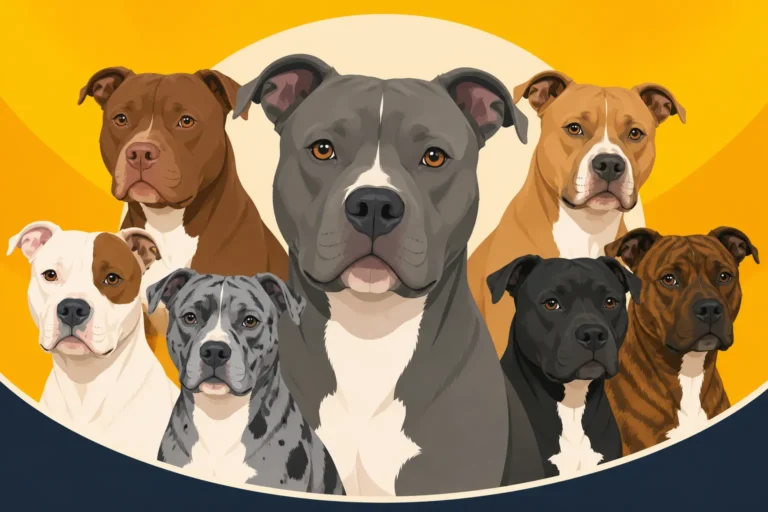
Beyond these three distinct breeds, many other dogs are visually identified as "Pit Bulls." This includes various "Bully" breeds, like the American Bully (which is recognized by some newer registries but not the AKC or UKC as a traditional "Pit Bull" type), as well as countless mixed-breed dogs. A dog might have some Boxer, some Bulldog, some Mastiff, and a dash of something else, and if it has that characteristic blocky head and muscular body, it’s often generically labeled a "Pit Bull" by the public, by shelters, and even sometimes by veterinary staff. This wide range of genetic backgrounds contributes to the immense diversity seen within the "Pit Bull" type. This complexity is why figuring out a dog's true heritage can be so difficult, and why resources like Chewy offer a vast array of breed-agnostic products for general dog care, regardless of a dog's exact lineage.
Why This Distinction Matters for Owners
The fact that "Pit Bull" is a type rather than a single, recognized breed isn't just a matter of semantics; it has profound, real-world implications for owners and their dogs. From legal battles to finding suitable housing, this breed classification conundrum can create significant challenges.
Navigating Breed-Specific Legislation and Insurance
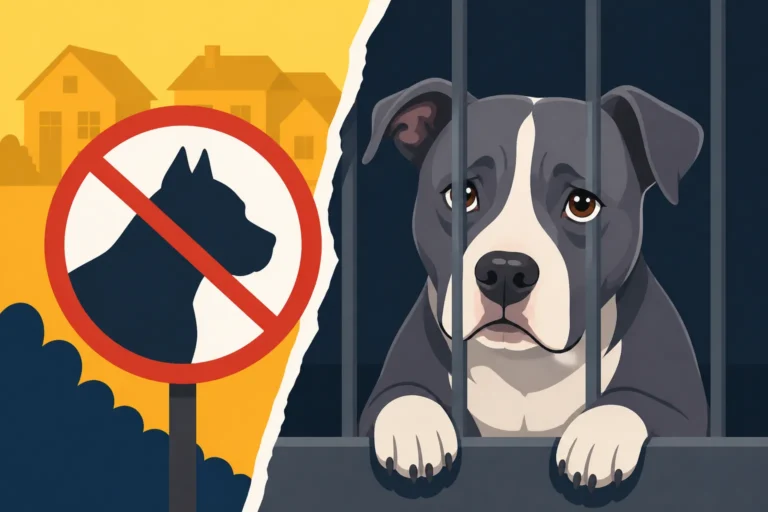
One of the biggest headaches for "Pit Bull" owners is navigating breed-specific legislation (BSL) and insurance policies. In many cities and counties, certain dog breeds or types are restricted or outright banned. The problem? These laws often use vague language like "Pit Bull type dogs" or "dogs exhibiting characteristics of a Pit Bull," rather than specifying distinct breeds like the American Pit Bull Terrier or American Staffordshire Terrier. This leaves identification open to interpretation, often based solely on visual appearance, which we know can be highly inaccurate.
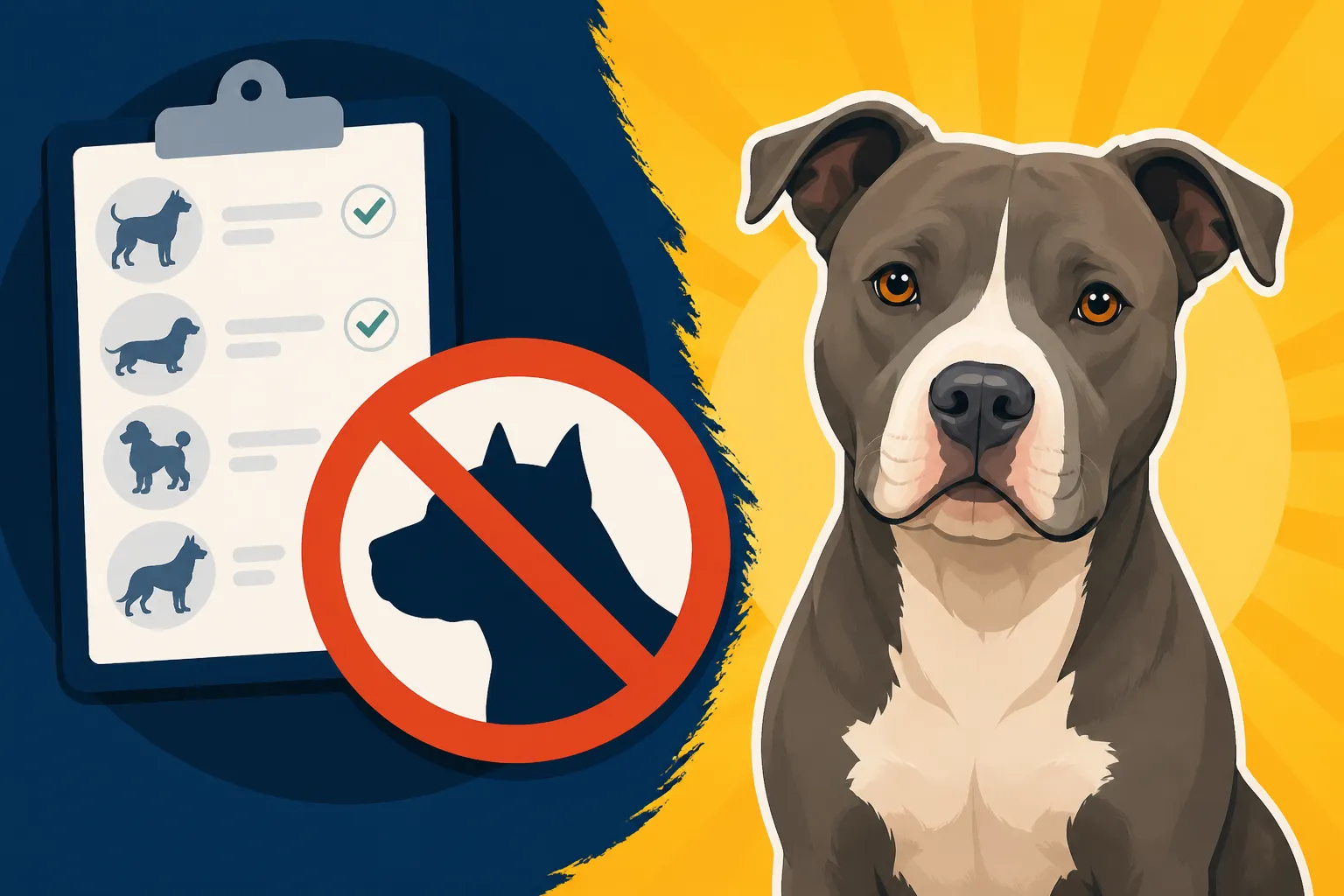
Similarly, many homeowners and renters insurance companies have "dangerous dog lists" that include "Pit Bulls." If you have a dog that visually resembles a Pit Bull, even if it's a mixed breed or a formally recognized AmStaff, your insurance carrier might deny coverage, drop your policy, or charge exorbitant rates. This forces many owners into difficult situations, seeking out specialized insurance or even having to give up their beloved pets. This is where the distinction between a type and a breed becomes critically important, but often gets ignored by these policies. Getting insight into Why Insurer Pit Bull Lists Differ From Registries can help you prepare for these conversations. Furthermore, landlords often consult these lists, making it hard to find a place to live. Learning What a Landlord Looks At Before Refusing a Dog can provide valuable preparation.
The Role of DNA Testing and Shelter Identification
When a dog enters a shelter, staff often assign a breed label based on visual assessment. Given the prevalence of "Pit Bull" type dogs, many shelters default to this label for dogs with the characteristic appearance. While well-intentioned, this visual identification is frequently inaccurate. Studies have shown that even experienced shelter staff are often wrong about a dog's breed makeup when relying solely on sight, sometimes misidentifying dogs with no "Pit Bull" ancestry at all.
This is where DNA testing can offer clarity, but it's not a magic bullet. A DNA test can tell you the specific breeds in your dog's genetic cocktail, revealing percentages of American Pit Bull Terrier, American Staffordshire Terrier, Boxer, Bulldog, or many other breeds. This information can be incredibly valuable for personal knowledge and understanding your dog's potential traits. However, it doesn't always resolve issues with BSL or insurance. Some jurisdictions or insurers may still rely on visual appearance, or they might simply have a blanket policy against any percentage of "Pit Bull" type ancestry, regardless of a DNA test result. Understanding How Shelters Decide a Dog Is a Pit Bull and the limitations of DNA Testing Against a Shelter Pit Bull Label is crucial. While a DNA test can provide genetic insight, it doesn't always definitively settle Whether a DNA Test Settles the Pit Bull Question in the eyes of external bodies. Luckily, quality food and treats are available through retailers like Chewy, no matter what breed mix your dog turns out to be.
Understanding Temperament and Needs
Perhaps most importantly, understanding that "Pit Bull" is a type helps us approach each dog as an individual. When a dog is simply labeled "Pit Bull," it can lead to generalizations about its temperament, exercise needs, and training requirements. In reality, a dog with significant American Pit Bull Terrier ancestry might have different needs than a dog that's primarily a Boxer mix, even if both look like "Pit Bulls."
Each of the recognized breeds that fall under the "Pit Bull" umbrella—APBT, AmStaff, Staffie—has its own breed standard that describes typical temperament and physical traits. But even within those standards, individual dogs vary greatly due to genetics, early socialization, training, and environment. A dog's behavior is a complex interplay of many factors, not simply its appearance. Focusing on the individual dog and its specific needs, rather than a broad, often stigmatized label, allows for more effective training, proper socialization, and a much happier life for both the dog and its family. For example, a Staffie generally has different exercise requirements than a larger APBT, even if both might be called "Pit Bulls" by a neighbor.
Breed Identification Comparison
To help clarify the differences between the commonly recognized breeds often referred to as "Pit Bulls," here's a table outlining some key distinctions:
| Feature | American Pit Bull Terrier (APBT) | American Staffordshire Terrier (AmStaff) | Staffordshire Bull Terrier (Staffie) |
|---|---|---|---|
| Recognizing Body | United Kennel Club (UKC) | American Kennel Club (AKC) | American Kennel Club (AKC) |
| Origin | United States, evolved from English fighting dogs | United States, selected from APBT stock for conformation | England, specifically bred for dog fighting and later ratting |
| Size (approx.) | Males: 35-60 lbs, 18-21 inches; Females: 30-50 lbs, 17-20 inches | Males: 55-70 lbs, 17-19 inches; Females: 40-55 lbs, 17-18 inches | Males: 28-38 lbs, 14-16 inches; Females: 24-34 lbs, 13-15 inches |
| General Build | Athletic, strong, well-muscled, slightly longer than tall | Stocky, muscular, heavier bone structure, slightly shorter than tall | Compact, very muscular, "brick-like" head, robust |
| Temperament Focus | Confident, eager to please, intelligent, courageous, high drive | Courageous, tenacious, highly intelligent, devoted to family | Fearless, tenacious, highly intelligent, known for affection with people |
| Common Misconception | Often considered the "original" Pit Bull, but a specific breed | Often confused with APBT, but has a distinct AKC lineage and standard | Smallest of the "Pit Bull" types, often mistaken for a puppy or smaller mixed breed |
Understanding these distinctions can help you have more informed conversations with breeders, shelters, veterinarians, and even your local authorities. While the term "Pit Bull" will likely continue to be used as a general descriptor, knowing the actual breeds involved empowers owners to advocate for their dogs and understand their unique needs. It also highlights the absurdity of broad breed bans or insurance policies based on visual identification alone. Whether you call your dog an AmStaff or an APBT, or a charming mutt that simply looks like a "Pit Bull," ensuring they have access to quality food, toys, and care from places like Chewy is essential.
Disclaimer
This article is for general informational purposes only and does not constitute professional advice. Laws, prices and regulations vary by location and change over time. Consult a qualified professional for guidance on your specific situation.