How the ATTS Test Is Run on a Pit Bull
It's no secret that Pit Bulls face an uphill battle when it comes to public perception. So many misconceptions float around about their temperament, and as a loving owner, you might often feel like you're constantly defending your furry family member. This guide is here to shed light on one of the most respected and objective ways to assess a dog's natural disposition: the American Temperament Test Society (ATTS) test, detailing exactly what it entails and what your Pit Bull will experience during the evaluation.
What Exactly is the ATTS Test and Why Does it Matter for Pit Bulls?
The ATTS test is a fascinating and incredibly valuable tool for understanding canine temperament. It's not a competition, nor is it a measure of a dog's obedience training or skill in a sport. Instead, it's designed to assess a dog's reactions to a variety of real-world situations, observing their confidence, stability, and natural responses. For Pit Bulls, a breed often unfairly judged, a clear understanding of this test is more than just academic; it's a pathway to advocacy and informed ownership.
Beyond the Stereotypes: Why Standardized Testing is Crucial
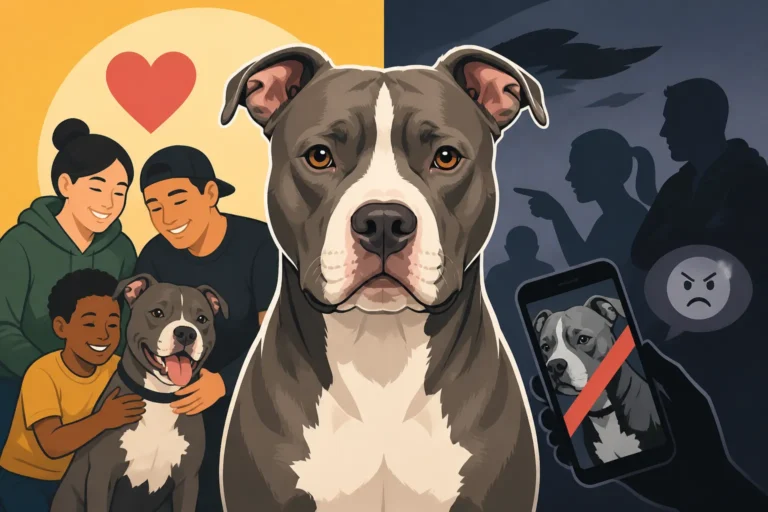
Let's be honest, the "Pit Bull" label carries a lot of baggage. News stories, anecdotal tales, and outright myths often paint a picture that doesn't reflect the reality of the vast majority of these dogs. This unfair stereotyping makes it incredibly difficult for individuals to see Pit Bulls for who they are: dogs, just like any other, with individual personalities, needs, and temperaments. This is precisely where standardized, objective tests like the ATTS become crucial. They provide a common ground for evaluation, stripping away the emotional and biased narratives that so often surround the breed type.
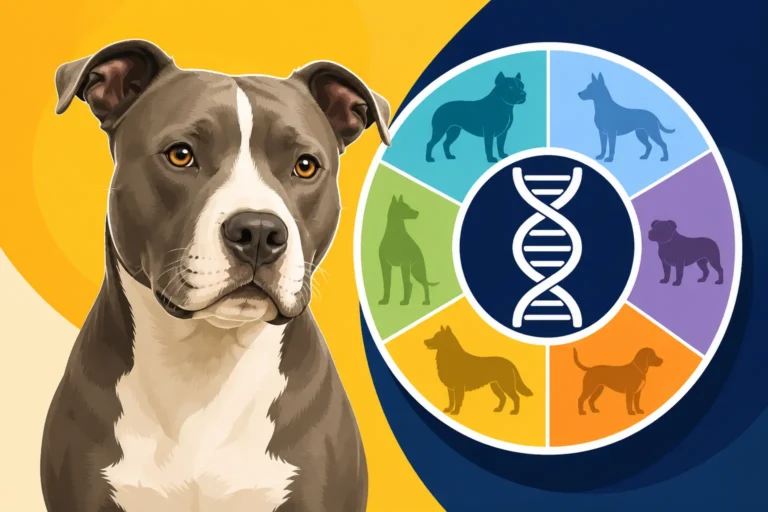
The ATTS test doesn't seek to prove that all Pit Bulls are perfect angels, just as it doesn't try to prove they are all inherently dangerous. What it does do is offer a consistent framework to observe how an individual dog reacts to various stimuli, from friendly approaches to sudden noises and perceived threats. It allows us to gather data on a dog's inherent genetic disposition towards certain behaviors, rather than relying on generalized assumptions. For Pit Bull owners, participating in or understanding the ATTS test is a powerful way to contribute to a more accurate public image and celebrate the stable, confident dogs in our lives. It’s part of a broader conversation about Pit Bull Temperament and What Testing Shows.
The Core Principles Behind the ATTS Method
At its heart, the ATTS test is about exposing a dog to a series of common, and sometimes uncommon, situations in a controlled environment. The test is administered by experienced evaluators who are trained to observe specific reactions. They are looking for a dog that displays stability, friendliness, and an appropriate response to various encounters. This means observing how a dog processes information from their environment and then acts upon it.
The test is carefully structured to gauge five main areas of temperament: stability, shyness, aggressiveness, friendliness, and protectiveness. A dog's reaction to each scenario is graded, not on whether they are "perfectly behaved," but on whether their response is within the normal range for a well-adjusted dog. For example, a dog might startle at a sudden sound, which is a normal reaction, but then quickly recover and investigate. This quick recovery is a key indicator of a stable temperament. The test also aims to avoid rewarding over-aggressiveness or extreme shyness, instead looking for a balanced and confident demeanor. It's truly a snapshot of a dog's innate personality under mild pressure.
Step-by-Step Through the ATTS Test: What a Pit Bull Experiences
Imagine walking your Pit Bull into a new environment, possibly an open field or a park, where the test course is set up. You and your dog will navigate a series of stations, each designed to elicit a natural response. It's a journey through various social and environmental challenges, all carefully orchestrated to observe your dog's true colors. The atmosphere, while formal in its evaluation, is kept calm to allow your dog to react authentically.
The Initial Approach and Friendly Stranger
The test often begins with an initial approach and a segment involving a "friendly stranger." You and your dog will walk along a designated path, and a person unknown to your dog will approach you both. This stranger will speak to you, the handler, in a normal, pleasant voice, and then, with permission, will reach out to pet your dog. The evaluator is closely watching your Pit Bull's reaction during this interaction.
What constitutes a passing reaction here is typically a dog that is friendly, curious, and accepting of the stranger's presence and touch. They might wag their tail, lean into the pet, or simply stand calmly. The key is that they show no unprovoked aggression, extreme shyness, or avoidance. A dog that is overtly fearful, snaps, or tries to escape the interaction would not pass this section. It's all about demonstrating a reasonable level of sociability and confidence around new people – something that consistent Socializing a Pit Bull Puppy Thoroughly can certainly help with from an early age.
Unsettling Stimuli: The Hidden Figure and the Strange Apparatus
Next, the test introduces scenarios designed to be mildly startling or unusual, probing your dog's resilience and recovery from surprise. These aren't meant to terrify your dog, but rather to see how they handle unexpected elements in their environment. Two common scenarios are the "hidden figure" and the "strange apparatus."
The "hidden figure" segment usually involves a person suddenly appearing from behind a blind or structure along the path. This unexpected appearance is designed to startle any dog, and it's perfectly normal for your Pit Bull to jump, flinch, or bark once. The critical observation is what happens next. A dog with a stable temperament will quickly recover from the surprise, often investigating the person who appeared, showing curiosity rather than sustained fear or aggression. A dog that remains frozen in fear, tries to flee persistently, or reacts with unprovoked aggression long after the initial surprise might struggle here. Similarly, the "strange apparatus" introduces an unusual object, sometimes one that makes a noise, like an umbrella suddenly popping open, or a person dragging an odd item. Again, the initial startle is fine, but the dog should recover quickly, ideally showing curiosity to investigate the strange item rather than prolonged fear or aggression. This helps evaluators gauge how well a dog adapts to novel and potentially unnerving situations.
Confronting Threat: The Aggressive Stranger and Gunshot
These are perhaps the most misunderstood and carefully observed segments of the ATTS test, designed to assess a dog's protectiveness, nerve, and ability to differentiate between a real threat and a perceived one, while remaining under control. The "aggressive stranger" and the "gunshot" (or similar loud noise simulation) are the peak of the temperament assessment.
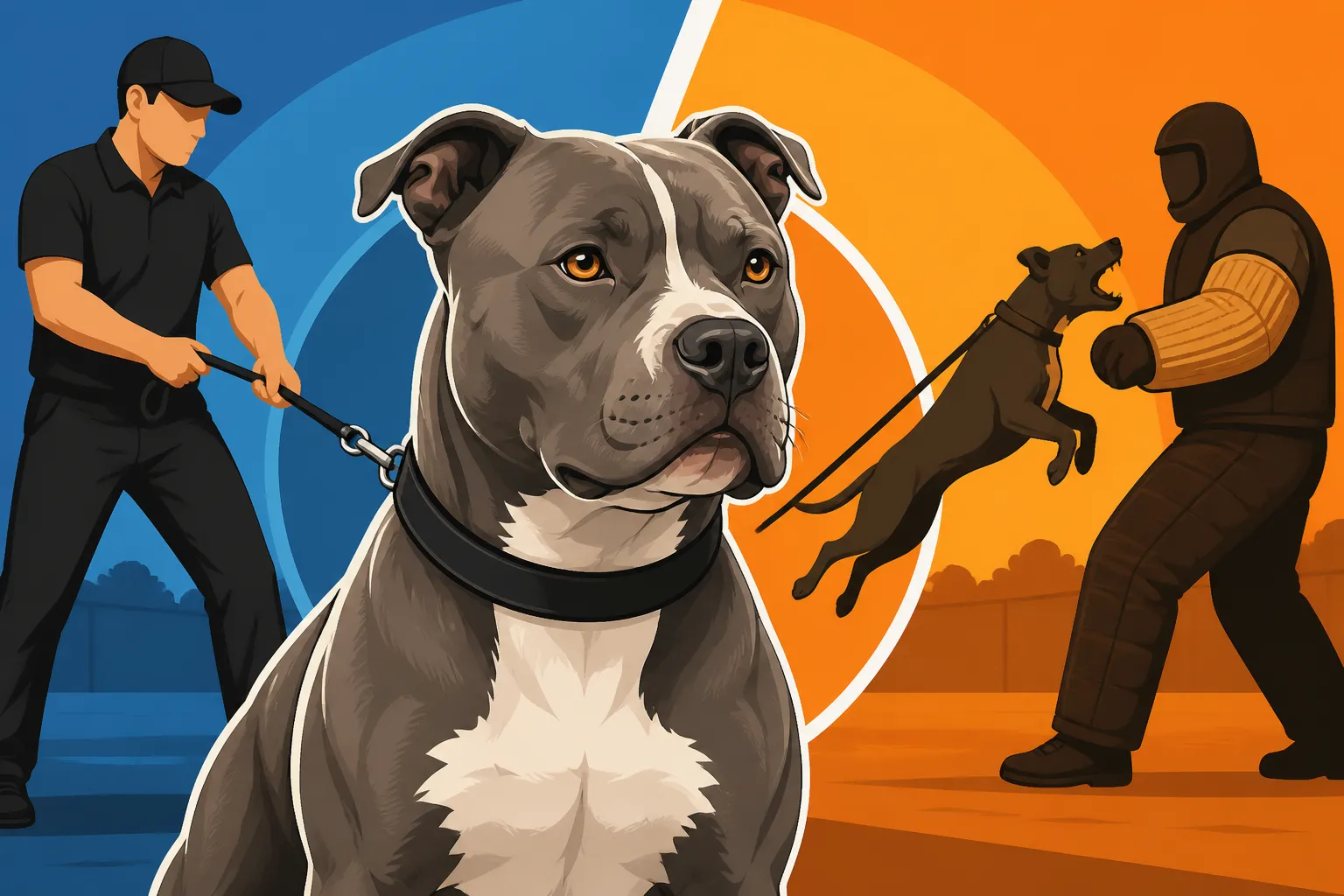
In the "aggressive stranger" scenario, a person, often dressed in a heavy coat or disguise, will approach you and your dog in a deliberately menacing or aggressive manner, possibly shouting or making sudden movements. This is designed to simulate a potential threat to you, the handler. A passing Pit Bull will typically show alertness, perhaps bark, growl, or position itself protectively between you and the perceived threat. They might even try to drive the "threat" away with a strong, confident display. Crucially, as soon as the "aggressive stranger" retreats or changes their demeanor, the dog should quickly calm down and recover, showing no lingering aggression or fear. Unprovoked biting, excessive or prolonged aggression after the threat has passed, or complete panic and flight would be considered failures. The "gunshot" segment involves a sudden, loud bang, usually from a starter pistol, fired a safe distance away. A confident dog might startle, but then quickly orient towards the sound, perhaps showing curiosity or remaining unfazed. A dog that panics, hides, or reacts with unprovoked aggression to the sound itself would not pass. These tests are about measured, appropriate responses, proving the dog has a stable temperament under pressure.
Understanding the Results and What They Mean for Your Pit Bull
Receiving the results of an ATTS test for your Pit Bull can be a moment of anticipation. It's important to remember that this test provides a snapshot, a valuable piece of information about your dog's inherent temperament, but it's not the be-all and end-all of who your dog is. It's a tool to help you understand your Pit Bull better and advocate for them effectively.
Decoding the Pass/Fail and Its Nuances
The ATTS test culminates in a simple pass or fail result, but there's a lot of nuance behind those two words. A "pass" means your Pit Bull displayed an overall stable, confident, and appropriate temperament throughout all the scenarios. They reacted to stimuli as a well-adjusted dog should: with curiosity, friendliness, protectiveness when warranted, and quick recovery from surprise or perceived threat. This is a fantastic achievement and a testament to your dog's innate disposition. It can be a powerful counter-argument to negative stereotypes, offering tangible evidence of a stable temperament.
A "fail," however, doesn't necessarily brand your dog as "aggressive" or "bad." It simply indicates that in one or more situations, your dog's reaction fell outside the acceptable range for a stable temperament as defined by the test. This could be due to extreme shyness, panic, excessive fear that prevented recovery, or unprovoked aggression. For example, a dog that cowers and tries to flee through multiple scenarios might fail due to shyness, not aggression. Similarly, a dog that recovers too slowly from a startle or maintains a defensive posture long after the "threat" has retreated might also fail. The test evaluates the dog on that day, and while it's a good indicator of innate temperament, other factors like stress, health, or even a bad day can play a small role. It gives you something concrete to work on, or simply to understand better, rather than a definitive label for your Pit Bull. When looking at aggregate data, the What ATTS Pass Rates Show About Pit Bull Temperament can be enlightening, but remember, every dog is an individual.
ATTS and the Bigger Picture of Pit Bull Temperament
It's crucial to view the ATTS test as one valuable piece in the larger puzzle of understanding Pit Bull temperament. While a pass provides excellent evidence of a stable dog, it doesn't mean you can slack off on training or responsible ownership. Even the most temperamentally sound dog benefits from consistent positive reinforcement, ongoing socialization, and clear boundaries. The test assesses inherent qualities, but how those qualities manifest in daily life is heavily influenced by environment, training, and the bond with their human family.
The ATTS test provides data, but it can't predict every single interaction your dog will ever have. It's why we always stress that Why a Test Score Cannot Predict Your Pit Bull entirely, and responsible ownership remains paramount. A Pit Bull's temperament, like that of any dog, is complex and multifaceted. This breed type generally scores very well on temperament tests, often ranking higher than many breeds considered "safe." However, a responsible owner understands that every dog, regardless of breed or test scores, requires respect, training, and diligent supervision, especially in public. It contributes to a well-rounded understanding of your individual dog and helps you navigate the world with them with confidence and awareness.
Preparing Your Pit Bull for an ATTS Test
Deciding to put your Pit Bull through an ATTS test is a fantastic way to objectively assess their temperament. It’s not about "training for the test" in a way that manipulates behavior, but rather about ensuring your dog is well-socialized, confident, and comfortable interacting with the world. Think of it as a comprehensive check-up on their emotional resilience and social aptitude.
Building a Solid Foundation: Training and Socialization
The best preparation for an ATTS test, and for life in general, is a solid foundation of training and socialization. This begins from puppyhood, exposing your Pit Bull puppy to a wide variety of sights, sounds, people, and appropriate dog interactions during their critical developmental period. Think about the myriad experiences a young dog needs – everything from different floor textures to the sound of traffic, children playing, and even people wearing hats or carrying umbrellas. The more positive experiences you provide, the more resilient and confident your dog will become. Remember, The Weeks That Shape a Pit Bull Puppy are incredibly important.
Consistent positive reinforcement training is also key. Your Pit Bull should have a reliable "sit," "stay," and "come" command. They should be comfortable being handled by strangers (which ties into the "friendly stranger" portion of the test) and should walk politely on a leash without dragging you down the street. Working on Building a Pit Bull's Impulse Control and teaching them to Teaching a Pit Bull to Greet Calmly are skills that will serve them well, both in the test and in everyday life. While the test isn't an obedience trial, a dog that is responsive to its handler tends to navigate novel situations with more ease and less stress.
Finding a Test and What to Bring
Once you feel your Pit Bull has a solid foundation, the next step is to find an ATTS test in your area. You can check the official American Temperament Test Society website for a schedule of upcoming tests. Often, local dog clubs, training facilities, or breed-specific organizations will host these events. Be sure to register in advance and understand any specific requirements the test host may have.
When you go, be prepared. You'll need a sturdy, well-fitting collar or harness and a leash that gives you good control. Double-check the ATTS rules regarding acceptable equipment, as some types (like prong or choke collars) might be restricted. Bring water for your dog, especially if it's a warm day, and maybe a favorite toy or a few high-value treats to reward them after a successful pass (perhaps some tasty bits you picked up from Chewy). Most importantly, bring a calm, confident attitude. Your demeanor will influence your dog's, so stay relaxed and supportive throughout the process. It's an opportunity to showcase your amazing Pit Bull!
Here's a quick overview of what the ATTS test generally covers:
| Test Segment | Objective | Ideal Pit Bull Reaction | Unfavorable Pit Bull Reaction |
|---|---|---|---|
| Friendly Stranger | Assess sociability and acceptance of new people | Calm, friendly, curious, accepts petting, tail wagging | Extreme shyness, cowering, snapping, unprovoked growling, trying to flee |
| Hidden Figure | Evaluate startle response and recovery | Initial startle (normal), quick recovery, curiosity, investigation of the person | Prolonged fear, sustained barking, panic, unprovoked aggression, hiding |
| Strange Apparatus | Assess reaction to unusual objects/noises | Initial startle (normal), quick recovery, curiosity towards the object, willingness to approach | Fear-biting the object, prolonged avoidance, panic, sustained barking, aggression |
| Aggressive Stranger | Measure protectiveness and stability under threat | Alertness, confident barking/growling, protective posture, quick recovery after threat retreats | Unprovoked aggression, panic, uncontrolled biting, prolonged fear, submissive urination |
| Gunshot/Loud Noise | Test reaction to sudden, sharp sounds | Startle (normal), quick orientation to sound, recovery, unfazed | Extreme fear, panic, sustained barking at nothing, trying to escape the area |
Disclaimer
This article is for general informational purposes only and does not constitute professional advice. Laws, prices and regulations vary by location and change over time. Consult a qualified professional for guidance on your specific situation.