Petey, the Little Rascals Pit Bull
It's easy to look back at classic films and television shows with rose-tinted glasses, especially when they feature beloved animal characters. For many of us, the image of Petey, the adorable and loyal "Pit Bull" from The Little Rascals (also known as Our Gang), conjures feelings of nostalgia and warmth. However, this iconic dog, with his distinctive eye ring, represents far more than just a childhood memory. He symbolizes a pivotal, yet often misunderstood, moment in the public perception of "Pit Bull" type dogs, influencing narratives that persist even today. This guide aims to peel back the layers of history and popular culture to understand who Petey truly was, how he shaped our views, and what his legacy means for "Pit Bull" owners in the modern world.
The Iconic Dog Behind the Name "Petey"
When you picture Petey, you likely see a sturdy, friendly dog with a wide smile and that unforgettable circle around one eye. This image is etched into the minds of generations, but the reality behind the character is a bit more complex and, frankly, fascinating. It wasn't just one dog, and the breed identification itself tells a deeper story about how we label and perceive these animals.
More Than One Petey
It's a common misconception that a single dog played Petey throughout the entire run of The Little Rascals. In truth, several dogs took on the role over the years. The first and most famous was an American Pit Bull Terrier named Pal the Wonder Dog, who first appeared in the silent era films as "Tige" and then transitioned to the talkies as Petey. After Pal's passing, his offspring, Lucenay's Pete, took over, and subsequent dogs, all carefully chosen for their similar appearance and amenable temperaments, continued the legacy.
Maintaining this visual consistency, especially the signature eye ring, was crucial. Each dog was trained meticulously, not just to perform tricks, but to embody the gentle, protective, and playful spirit that made Petey such a beloved character. This required immense patience and skill from trainers like Harry Lucenay, who understood the unique capabilities of these dogs. The fact that multiple dogs could so convincingly portray the same character speaks volumes about the consistency of their type and the dedication of their handlers. They weren't just props; they were central figures, often stealing scenes with their perfectly timed antics and endearing expressions, solidifying their place in film history.
What Breed Was Petey, Really?
This is where things get interesting, and a little bit confusing, much like the broader discussion around the term "Pit Bull" today. While often universally labeled as a "Pit Bull," the original dogs who played Petey were largely American Pit Bull Terriers. However, as the series evolved and various dogs stepped into the role, it's possible that some were crosses or even closely related breeds like the Staffordshire Bull Terrier, which shares a common ancestry. The Three Breeds People Call Pit Bulls
The core characteristic was their "bull and terrier" heritage, a type of dog bred for strength, tenacity, and a compact, muscular build. These dogs were selected not for aggression, but for their intelligence, eagerness to please, and trainability. They had to be calm enough to work with children on a chaotic set and responsive enough to hit their marks and perform specific actions. Their lineage emphasized qualities like courage and resilience, but when properly bred and socialized, these traits manifest as confident, stable companions. It’s a stark contrast to the often-negative stereotypes that later became associated with the "Pit Bull" label. The true nature of these dogs, as evidenced by Petey, was one of dependable, joyful companionship.
The Distinctive Eye Ring
One of Petey's most recognizable features was the distinctive ring around one of his eyes. This wasn't a natural marking, nor was it present on every dog that played him. The original ring on Pal the Wonder Dog was a natural marking, but it was irregular. Harry Lucenay, Petey's owner and trainer, improved upon this by drawing a perfect circle around the dog's right eye with makeup. This simple cosmetic touch became an iconic branding element, instantly identifying Petey to audiences worldwide.
The ring itself often shifted eyes between different dogs playing the part or even between different scenes due to continuity errors, but the idea remained. It became a visual shorthand for a loyal, friendly, and memorable canine character. This deliberate artistic choice helped cement Petey's visual identity, proving that even a small detail can have a massive impact on how a character is perceived and remembered. For many, that ring is synonymous with a certain type of dog – a friendly, approachable, and utterly dependable companion, a far cry from the fearful imagery often conjured by the term "Pit Bull" in later decades.
Petey's Role in Shaping Public Perception
Petey wasn't just a dog in a film; he was a cultural icon whose image resonated deeply with the American public. In an era before widespread sensationalized media, his gentle, protective, and often comedic presence on screen did a great deal to shape a positive public perception of "Pit Bull" type dogs. This influence, though now largely overshadowed by modern narratives, laid groundwork that many owners still reference today.
The "Nanny Dog" Myth and Petey
The "nanny dog" myth is a persistent, yet largely unsubstantiated, belief that Pit Bull type dogs were historically known for being exceptionally good with children, acting as their guardians and caregivers. While the term itself likely gained traction much later, characters like Petey undeniably contributed to the romanticized ideal behind it. Petey was almost always portrayed as a gentle, protective, and patient companion to the child actors of The Little Rascals. He was seen comforting them, playing with them, and even intervening in minor scrapes.
This on-screen depiction fostered an image of the "Pit Bull" as the ultimate family dog, completely trustworthy with children. It painted a picture of a dog that was not only tolerant but inherently devoted to its young human charges. While it's true that many Pit Bull type dogs can be wonderful family pets when properly raised and supervised, no dog, regardless of breed, should ever be considered a "nanny" or left unsupervised with children. Why No Pit Bull Should Be Left With a Child The Petey image, while heartwarming, inadvertently reinforced an unrealistic expectation that could, in some situations, lead to risky assumptions about canine behavior.
A Symbol of Loyalty and Friendliness
Beyond his interactions with children, Petey was consistently depicted as the epitome of loyalty and friendliness. He was the steadfast companion, always there for the kids, whether it was to join in their schemes or offer a comforting presence. His expressive face and wagging tail conveyed an eager-to-please nature that made him instantly lovable. This portrayal significantly boosted the public's perception of Pit Bull type dogs during the early to mid-20th century.
In an age when dogs were often working animals or simply companions, Petey showcased the potential for a "Pit Bull" to be a cherished member of the family, a friend to all, and a symbol of good nature. He wasn't just friendly; he was heroic in his own innocent way, always on the side of good, always ready for an adventure. This positive branding was pervasive, and for decades, the sight of a dog resembling Petey often brought smiles and a sense of nostalgia, rather than fear or apprehension. This period stands as a testament to the powerful influence of media in shaping societal views on specific breeds, proving that positive representation can have a profound and lasting effect.
The Shift in Public Opinion
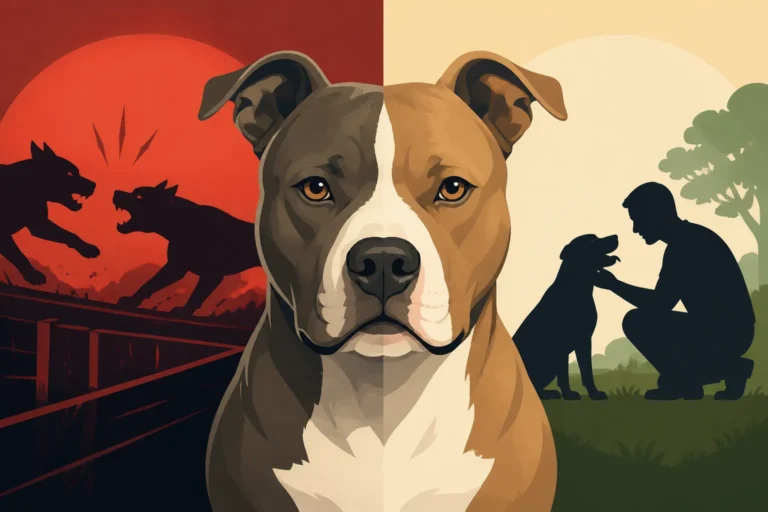
It’s difficult for younger generations to reconcile the image of the beloved Petey with the often-feared "Pit Bull" of more recent decades. The shift in public opinion didn't happen overnight, but rather gradually, through a confluence of factors including sensationalized media reporting, breed-specific legislation, and unfortunate misuse of the dogs by irresponsible owners. What was once seen as a symbol of American resilience and loyalty began to be demonized, particularly from the 1980s onwards.
The playful, intelligent companion that once shared screens with Shirley Temple and Our Gang was increasingly portrayed as inherently aggressive and dangerous. This dramatic reversal led to widespread fear, bans, and restrictions on Pit Bull type dogs, impacting countless innocent animals and responsible owners. The contrast between Petey's golden era and the later stigmatization serves as a powerful reminder of how fragile a breed's reputation can be, and how quickly public perception can be manipulated. Understanding this historical arc is vital for anyone seeking to advocate for or own a Pit Bull type dog today. Pit Bulls in American Shelters
Understanding "Pit Bull" Identity Today
The legacy of Petey, while significant, now exists in a complex landscape where the term "Pit Bull" often carries a heavy weight of misconception and misunderstanding. To truly appreciate the historical role of dogs like Petey, and to be a responsible advocate or owner today, it’s crucial to understand the current reality of "Pit Bull" identity. This involves clarifying breed types, recognizing the limitations of visual identification, and acknowledging the ongoing impact of media.
Why "Pit Bull" Is a Type, Not a Breed
This is perhaps the most fundamental point of confusion for many people: "Pit Bull" is not a single breed, but rather a catch-all term that encompasses several distinct breeds and their mixes. The primary breeds commonly referred to as "Pit Bulls" include the American Pit Bull Terrier, the American Staffordshire Terrier, and sometimes the Staffordshire Bull Terrier, and increasingly, the American Bully. Each of these breeds has its own distinct standards and registries, yet to the untrained eye, and often even to experienced professionals, they can look remarkably similar.
This broad categorization contributes significantly to the misunderstanding surrounding these dogs. When statistics are cited about "Pit Bull" bites, for example, they rarely differentiate between these distinct breeds or account for the vast number of mixed-breed dogs that are visually identified as "Pit Bulls." This lack of specificity makes it nearly impossible to draw accurate conclusions about inherent breed temperament or risk. It’s like referring to all retrievers as simply "retrievers" without acknowledging the differences between a Labrador, Golden, or Chesapeake Bay Retriever. Recognizing "Pit Bull" as a type is the first step in fostering a more informed and fair discussion about these incredible animals. Why Pit Bull Is a Type and Not a Breed
DNA Testing vs. Visual Identification
Given the complexity of "Pit Bull" identification, relying solely on visual cues can be highly misleading. Studies have repeatedly shown that even experienced animal professionals, like shelter staff and veterinarians, frequently misidentify the breeds present in a mixed-breed dog, particularly when a "Pit Bull" type is suspected. A dog might look like a Pit Bull, with a broad head and muscular body, but a DNA test could reveal a surprising mix of breeds, some of which bear little resemblance to the traditional "Pit Bull" image.
Conversely, a dog that doesn't immediately strike someone as a "Pit Bull" might have a significant percentage of those breeds in its genetic makeup. This discrepancy highlights the inherent unreliability of visual identification and underscores why breed-specific legislation, often based solely on appearance, is deeply flawed. For owners of rescue dogs, DNA testing can be an illuminating tool, offering a clearer picture of their dog's heritage and often dispelling preconceived notions based on appearance. It provides an objective look beyond the subjective labels that can have such profound consequences for these dogs and their families. The DNA Panel Worth Running on a Rescue Pit Bull It's also something that pet retailers like Chewy make accessible to interested owners.
The Ongoing Impact of Media Portrayals
Even today, the media plays a powerful role in shaping how Pit Bull type dogs are perceived. While Petey's positive portrayal has faded from the mainstream consciousness for many, modern media often defaults to sensationalist narratives that focus on rare negative incidents, perpetuating fear and misunderstanding. This constant barrage of negative imagery makes it an uphill battle for advocates and owners trying to change public opinion.
However, there's also a growing counter-narrative, with more responsible media outlets and social media campaigns highlighting the positive attributes of Pit Bull type dogs: their resilience, their affectionate nature, and their success in various roles from therapy dogs to search and rescue. The story of Petey serves as a powerful historical example of how positive media can influence perception. If the media landscape can shift to portray these dogs more accurately and fairly, celebrating their true temperament and individuality, we might see a return to a more balanced public understanding, much like the one Petey once enjoyed. Pit Bulls in Film, Advertising and Media
Legacy and Responsible Ownership
Petey’s character from The Little Rascals left an indelible mark on cinematic history and, for a time, on the positive public perception of "Pit Bull" type dogs. His legacy is a complex tapestry woven with threads of nostalgia, misconception, and a stark reminder of how public opinion can shift dramatically. For modern owners and enthusiasts, understanding this history is not just an academic exercise; it's a vital part of responsible ownership and advocacy.
Embracing Petey's Positive Attributes
The qualities that made Petey such a beloved character – his loyalty, intelligence, resilience, and friendly demeanor – are precisely the traits that many Pit Bull type dog owners cherish in their own companions today. Instead of focusing on negative stereotypes, responsible owners embrace and nurture these positive attributes. They understand that their dog’s temperament is a product of genetics, early socialization, consistent training, and environment. Just like Petey, a well-raised Pit Bull type dog can be a wonderful, engaging, and affectionate member of the family.
This means investing in proper training, starting from puppyhood, to ensure they are well-mannered and confident in various situations. Training a Pit Bull to a Higher Standard Than Other Dogs It means providing ample exercise and mental stimulation to channel their energy constructively. It means taking responsibility for their actions and proactively managing them in public. By focusing on these positive traits and demonstrating exemplary behavior, owners can slowly, but surely, challenge the lingering negative perceptions that have plagued these dogs for decades. Their actions become the living embodiment of Petey's enduring appeal.
Advocating for the Breed
Understanding the history of characters like Petey provides a powerful narrative for advocacy. It allows us to point to a time when these dogs were celebrated as family pets and national mascots, not feared as dangerous beasts. This historical context can be a valuable tool in discussions about breed-specific legislation, housing discrimination, and insurance issues. Whether Pit Bull Advocacy Has Changed Outcomes Advocates can use Petey's story to highlight the disconnect between historical reality and current prejudice.
Advocacy also involves educating the public, dispelling myths, and showcasing the true versatility and character of Pit Bull type dogs. This can take many forms: participation in canine good citizen programs, involvement in therapy dog work, or simply being a responsible, visible owner in your community. Organizations and individuals dedicated to promoting positive images of Pit Bull type dogs play a crucial role in reversing decades of negative press. By sharing personal stories, demonstrating responsible ownership, and participating in community events, owners contribute to a larger effort to restore the breed’s reputation to one more akin to Petey’s golden era.
Resources for Pit Bull Owners
Being a responsible Pit Bull owner today means having access to the right resources. This includes finding veterinarians knowledgeable about the breed's specific health concerns, locating trainers experienced with their unique strength and drive, and sourcing appropriate gear and nutrition. Reliable pet supply retailers, such as Chewy, offer a wide range of products tailored to the needs of muscular, active dogs, from durable chew toys that can withstand strong jaws to specialized diets for sensitive skin. Chew Toys That Hold Up to a Pit Bull
Beyond physical goods, there's a wealth of information available online through breed-specific rescue groups, reputable training organizations, and veterinary educational sites. These resources can help owners navigate common challenges, understand breed temperament Pit Bull Temperament and What Testing Shows, and ensure their dog lives a healthy, fulfilling life. Access to good information empowers owners to make the best decisions for their dogs, promoting well-being and responsible integration into their communities.
Dispelling Myths with Facts
Ultimately, Petey's legacy teaches us the power of storytelling and imagery in shaping perception. To honor that positive legacy, we must continue to actively dispel myths with accurate information. This means correcting misinformation when we hear it, sharing verifiable facts about breed history and temperament, and highlighting the positive contributions of Pit Bull type dogs in society. Instead of letting sensationalism dictate the narrative, we can proactively share stories of dogs thriving in loving homes, excelling in dog sports, or serving as loyal companions.
By educating ourselves and others, we can work towards a future where dogs are judged as individuals, based on their behavior and temperament, rather than on arbitrary labels or outdated stereotypes. Petey, the smiling, loyal dog with the ring around his eye, remains a powerful symbol of what "Pit Bull" type dogs can be: beloved family members who enrich our lives with their boundless affection and unwavering spirit. It's a testament to their true nature that despite years of negative press, the heartwarming image of Petey still resonates with so many.
Disclaimer
This article is for general informational purposes only and does not constitute professional advice. Laws, prices and regulations vary by location and change over time. Consult a qualified professional for guidance on your specific situation.