Apoquel and Cytopoint for an Itchy Pit Bull
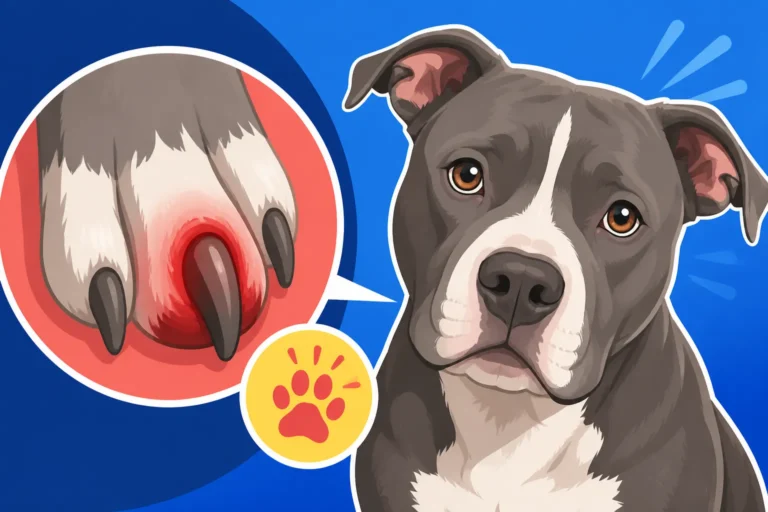
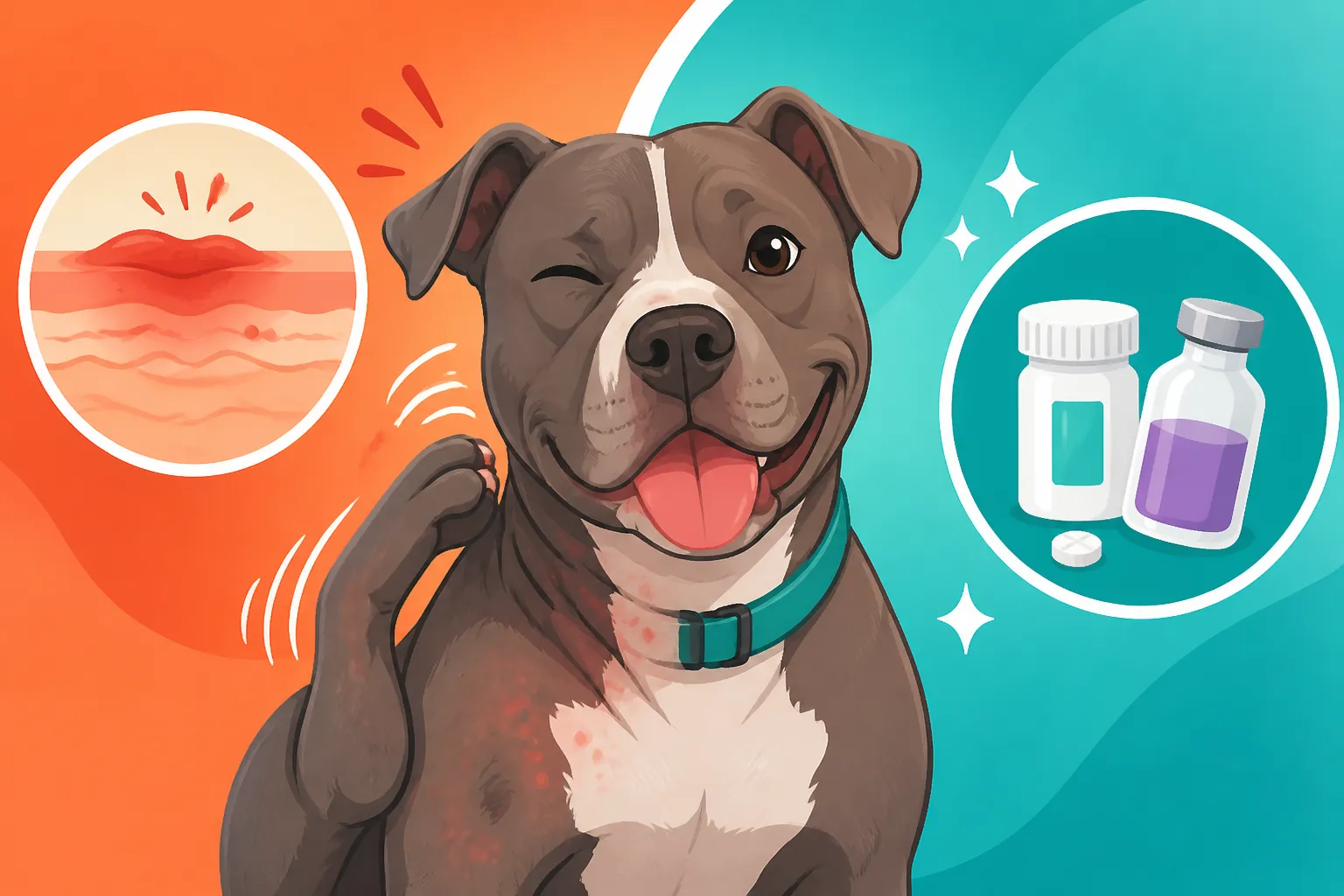
It’s a heartbreaking sight, isn't it? Your muscular, usually vibrant Pit Bull constantly scratching, chewing at their paws, or rubbing their face raw against the carpet. The relentless itch isn't just annoying; it’s a miserable existence for them, leading to irritated skin, infections, and a noticeable drop in their usual playful energy. This guide is here to dive deep into two of the most popular and often life-changing medications for an itchy Pit Bull: Apoquel and Cytopoint. We'll explore how they work, what to expect, and how to figure out which one might be the best fit for your beloved companion.
Understanding the Itch Behind the Scratch
Before we even talk about medication, it’s crucial to understand why your Pit Bull is so itchy. It's rarely just "dry skin." More often than not, it's a complex underlying issue that needs a targeted approach, and you're not alone in feeling frustrated when solutions seem elusive.
The Common Culprits for Pit Bull Itching
For many Pit Bulls, the primary reason for relentless scratching, licking, and chewing comes down to allergies. These powerful, intelligent dogs, despite their robust appearance, are surprisingly prone to certain sensitivities. We're talking about environmental allergies, often referred to as atopy, which can manifest as reactions to pollen, dust mites, molds, and even certain grasses. You might notice your Pit Bull's itching is worse during specific seasons, or perhaps it's a year-round battle, indicating something like dust mites in the home.
Then there are food allergies, which can be tricky to pinpoint. While less common than environmental allergies, they can cause similar skin issues, as well as gastrointestinal upset. It's not always about a sudden change in diet; sometimes a dog develops a sensitivity to an ingredient they've eaten for years, like chicken or beef. And let's not forget the ever-present threat of parasites. Fleas, mites, and even certain internal parasites can trigger intense itching, though these are often easier to diagnose and treat with routine preventatives. A vet will typically rule out these more straightforward causes first before diving into allergy management.
Why the Itch Cycle is So Hard to Break
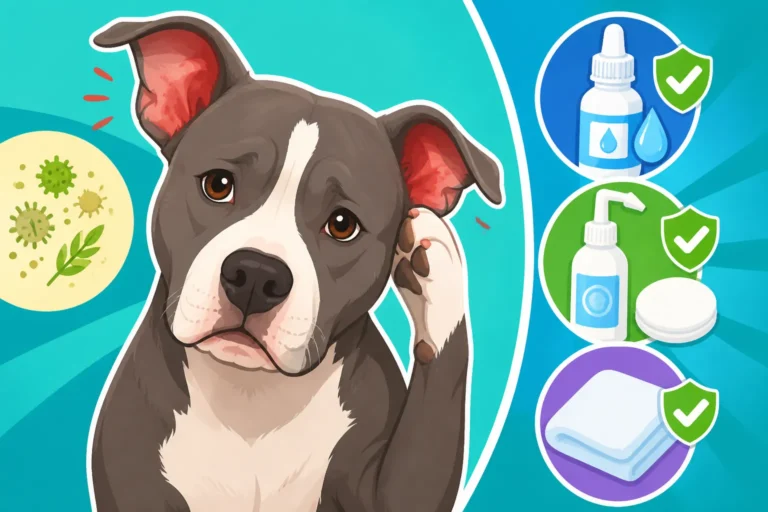
The frustrating thing about an itchy Pit Bull is how quickly it can spiral. Your dog starts scratching because of an allergen, but that scratching damages the skin barrier. This broken barrier then becomes an open invitation for opportunistic bacteria and yeast to move in, causing secondary infections. Suddenly, your dog isn't just itchy from the allergy; they're also itchy, red, and inflamed from a bacterial pyoderma or a yeast infection. This is the notorious "itch-scratch cycle."
You take them to the vet, they get antibiotics and maybe some steroids for immediate relief, and things improve for a bit. But as soon as those medications wear off, if the underlying allergen isn't addressed, the itch returns with a vengeance, and the cycle begins anew. It's exhausting for you and truly miserable for your Pit Bull. Many owners find themselves in a constant battle, trying one thing after another, feeling like they're never quite getting ahead of the problem. This is where targeted allergy medications like Apoquel and Cytopoint really shine, aiming to break that cycle by getting to the root of the inflammatory itch. To learn more about the specifics, you can check out our detailed article on Pit Bull Skin Allergies and the Atopy Pattern.
Apoquel: Targeted Relief for Environmental Allergies
When your Pit Bull is scratching incessantly, you just want relief, and fast. Apoquel has been a game-changer for countless dogs and their owners, offering a more targeted approach than traditional steroids.
How Apoquel Works to Quiet the Itch
Apoquel is an oral medication that works by targeting specific pathways in the body responsible for causing the sensation of itch and inflammation in allergic dogs. Specifically, it's an inhibitor of janus kinase (JAK) enzymes, particularly JAK1. Think of it this way: when your Pit Bull is exposed to an allergen, their immune system overreacts, releasing chemical messengers that tell their nerves, "Hey, let's itch!" and their skin, "Hey, let's get inflamed!" Apoquel steps in and blocks those messages from being sent effectively.
Unlike older medications like corticosteroids, which suppress a broad range of immune responses, Apoquel is much more selective. This means it can reduce the itch and inflammation associated with allergic dermatitis with fewer of the broad-spectrum side effects often seen with steroids, such as excessive thirst, urination, and increased appetite. Owners often report seeing a significant reduction in itching within hours, and marked improvement in skin lesions within a few days. This quick relief is a huge comfort for both dogs and their families who have been suffering through endless scratching.
Administering Apoquel and What to Expect
Apoquel is typically given twice a day for a short initial period (usually 14 days), and then often reduced to once a day for maintenance, though your veterinarian will determine the exact dosage and schedule based on your Pit Bull's weight and the severity of their condition. It comes in tablet form and is usually quite palatable for dogs, often easily hidden in a treat or mixed with food. Consistency is key with Apoquel; missing doses can allow the itch to creep back.
Many owners are thrilled with the rapid results, seeing their Pit Bull calm down, sleep peacefully, and stop chewing their paws raw. The reduction in scratching allows the skin to heal, often resolving secondary infections that were exacerbated by constant trauma. While generally well-tolerated, some dogs might experience mild side effects like vomiting, diarrhea, or lethargy, especially when first starting the medication. These are usually temporary and mild. Long-term use generally shows a good safety profile, but regular veterinary check-ups and blood work are recommended to monitor for any subtle changes. It’s also important to remember that Apoquel manages the symptoms of the allergy; it doesn’t cure the underlying cause. Therefore, it's often part of a broader management plan, perhaps alongside other strategies to minimize allergen exposure.
When Apoquel Might Not Be the Right Fit
While Apoquel is a fantastic option for many, it’s not suitable for every Pit Bull. For instance, it's not approved for use in dogs under 12 months of age. If your Pit Bull puppy is struggling with allergies, your vet will explore other avenues. Additionally, Apoquel works best for atopic dermatitis, or environmental allergies. If your Pit Bull’s itching is primarily due to food allergies, then an elimination diet trial will be the crucial first step. You can read more about that process in our article on Food Allergies Behind Pit Bull Itching.
Another consideration is cost. While incredibly effective, Apoquel can be a significant monthly expense, particularly for a larger, heavily muscled Pit Bull who requires a higher dose. Owners might also find that while it helps significantly, it doesn't completely eliminate the itch, especially if secondary infections are persistent or if their dog has multiple types of allergies. In cases where the itch is truly relentless, or if owners prefer a less frequent administration method, other options like Cytopoint might come into play. It's always a discussion to have with your vet, weighing the pros, cons, and your individual Pit Bull's health needs and your budget. Managing conditions like Pit Bull Ear Infections and Allergy Links can also sometimes require a multi-faceted approach where Apoquel is one piece of the puzzle.
Cytopoint: A Biologic Solution for Persistent Allergic Dermatitis
If daily pills aren't ideal, or if Apoquel hasn't provided sufficient relief, Cytopoint offers a different, innovative approach to tackling that stubborn itch.
The Science Behind Cytopoint Injections
Cytopoint is truly cutting-edge science in action for our canine companions. Instead of a daily pill, it’s an injectable antibody treatment. Essentially, it’s a manufactured antibody that specifically targets and neutralizes a key protein in your dog’s body called canine interleukin-31 (cIL-31). This cIL-31 is one of the primary drivers of itch signals to the brain and inflammation in the skin for dogs with atopic dermatitis.
By directly blocking cIL-31, Cytopoint disrupts the itch cycle at a very specific point. This is why it’s considered a "biologic" — it uses biological components (antibodies) to interact with and modulate specific biological pathways. Because it targets a very particular protein, it tends to have fewer systemic side effects than broader immune suppressants or even Apoquel, which works on a wider enzyme pathway. It’s not absorbed into the bloodstream in the same way traditional drugs are, further minimizing potential systemic impact. This highly targeted action means powerful, long-lasting itch relief for many Pit Bulls.
What to Anticipate After a Cytopoint Shot
One of the biggest advantages of Cytopoint is its convenience. It’s a single injection administered by your veterinarian, and it typically provides relief for anywhere from 4 to 8 weeks, with many dogs experiencing relief closer to the 6-week mark. Imagine, no more daily pills, no more trying to trick your clever Pit Bull into taking their medication! The relief typically begins within 24 to 72 hours, similar to Apoquel, allowing the skin to start healing and the secondary issues like redness and scabbing to subside.
Because it's an antibody, it's gradually broken down and eliminated by the body just like natural proteins, further contributing to its excellent safety profile. It can be used in dogs of any age, including puppies, and with many concurrent medications. This makes it a great option for Pit Bulls with other health issues or those who are too young for Apoquel. Many owners appreciate the peace of mind that comes with knowing their dog is protected from the itch for weeks at a time, allowing them to truly enjoy life again without constant discomfort.
Comparing Cytopoint and Apoquel Decisions
Deciding between Apoquel and Cytopoint often comes down to individual circumstances, your Pit Bull’s specific needs, and your lifestyle. Both are highly effective for managing the itch of atopic dermatitis, but they differ in their mechanism and administration.
| Feature | Apoquel (Oclacitinib) | Cytopoint (Lokivetmab) |
|---|---|---|
| Mechanism | JAK inhibitor (targets enzyme pathways) | Monoclonal antibody (targets cIL-31 protein) |
| Administration | Oral tablet, typically daily | Injectable, administered by vet every 4-8 weeks |
| Onset of Relief | Often within 4 hours, significant in 24 hours | Often within 24-72 hours |
| Duration | Daily | 4-8 weeks per injection |
| Age Approved | Dogs 12 months and older | Dogs of any age |
| Primary Use | Atopic dermatitis, other allergic skin conditions | Atopic dermatitis (specifically targets cIL-31) |
| Side Effects | Generally mild (vomiting, diarrhea); monitored long-term | Very few reported, highly targeted |
| Cost Factor | Daily expense, can add up monthly | Per injection, less frequent, often comparable yearly |
For dogs with very seasonal allergies, Apoquel might be used reactively during flare-ups. For those with year-round environmental allergies, either could be a good choice, but Cytopoint’s convenience often wins out. The cost of What Pit Bull Allergy Medication Costs Monthly can be a factor. While Cytopoint injections might seem more expensive per shot, the fewer treatments over a year can sometimes make the annual cost comparable to daily Apoquel, especially for larger dogs. It’s also worth considering your Pit Bull’s temperament; if they’re excellent at taking pills, Apoquel is easy. If not, the injection might be less stressful for everyone involved. For a comprehensive overview of managing allergic skin, consider checking out our article Whether a Pit Bull Allergy Ever Goes Away.
Holistic Management Beyond Medication
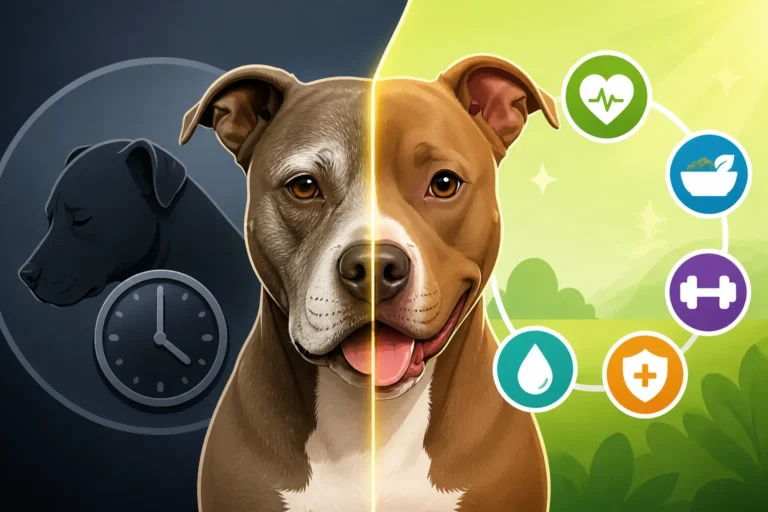
While Apoquel and Cytopoint can offer incredible relief, they're often most effective as part of a comprehensive management strategy. Think of them as the firefighters putting out the blaze, while you also work on preventing future fires.
Supporting Skin Health with Diet and Supplements
Diet plays a surprisingly significant role in skin health, even if your Pit Bull doesn't have a direct food allergy. A high-quality diet provides the building blocks for healthy skin and a strong immune system. Many owners explore Limited Ingredient Diets for an Itchy Pit Bull not necessarily for allergy, but to reduce overall inflammatory load and ensure they're not inadvertently consuming something irritating. While it's always best to consult your vet, incorporating omega fatty acids into your Pit Bull's diet can be hugely beneficial. These essential fatty acids, particularly EPA and DHA from fish oil, help strengthen the skin barrier, reduce inflammation, and improve coat quality. You can find more information on this in our guide on Omega Oils for Pit Bull Skin and Coat.
Beyond omegas, some veterinarians recommend probiotics to support gut health, which is intricately linked to immune function and, by extension, skin health. A healthy gut microbiome can help regulate the immune system, potentially reducing allergic reactions. Look for supplements specifically formulated for dogs and always discuss them with your vet before introducing new things to your Pit Bull's regimen.
Environmental Controls and Routine Care
Medication alone won't solve everything if your Pit Bull is constantly exposed to their allergens. Simple environmental controls can make a big difference. If your dog suffers from seasonal allergies, regular bathing with a soothing, hypoallergenic shampoo can literally rinse allergens off their coat and skin. Medicated baths for a Pit Bull with atopy can also provide relief and address secondary infections. You can delve deeper into this topic in our article on Medicated Baths for a Pit Bull With Atopy. For dogs who chew their paws constantly, wiping their paws after every outdoor excursion can remove pollen and irritants that they might otherwise lick off.
Inside the home, consider using HEPA air filters, regularly vacuuming with a vacuum equipped with a HEPA filter, and washing bedding frequently in hot water to reduce dust mites. If grass or pollen is a major trigger, limiting walks during peak pollen times or choosing paved routes instead of grassy parks can help. And, of course, consistent year-round parasite control is non-negotiable. Even if fleas aren't the primary cause, a single flea bite on a flea-allergic Pit Bull can trigger a massive reaction, complicating allergy management. These small, consistent efforts can significantly reduce your Pit Bull's allergen burden and improve their overall comfort.
The Role of Consistent Veterinary Partnership
Managing a Pit Bull with chronic allergies is a marathon, not a sprint, and your veterinarian is your most important partner. Regular check-ups are essential to monitor the effectiveness of treatments, adjust dosages, and catch any secondary infections early. Your vet can perform diagnostic tests, such as allergy testing (blood tests or intradermal skin tests), to identify specific environmental allergens, which can then inform more targeted strategies like allergen-specific immunotherapy (allergy shots).
Financial planning is also a significant aspect of managing chronic conditions. The cost of ongoing medication, veterinary visits, and potential diagnostic tests can add up quickly. This is where pet insurance, like a plan from Healthy Paws, can be invaluable. Many pet insurance policies, especially those covering accidents and illnesses, can help offset the costs of long-term allergy management, making it more manageable for you. It's wise to investigate policies like Pit Bull Pet Insurance and Breed Exclusions early on, as pre-existing conditions are usually not covered. Don't hesitate to openly discuss your financial concerns and treatment options with your vet; they want the best for your Pit Bull and can help you create a sustainable plan. Understanding What a Pit Bull Costs a Year With Allergies can help you budget appropriately for their care.
Final Thoughts on Managing Your Itchy Pit Bull
Seeing your Pit Bull finally find relief from constant itching is one of the most rewarding experiences as an owner. Whether Apoquel, Cytopoint, or a combination of strategies becomes your path forward, remember that managing allergies is a journey that requires patience, consistency, and a close working relationship with your veterinarian. You're not just treating a symptom; you're improving your beloved companion's quality of life, allowing them to truly thrive and enjoy every moment with you.
Disclaimer
The information provided in this article is for educational purposes only and is not a substitute for professional veterinary advice. Always consult with your veterinarian for any health concerns or before making any decisions about your pet's medical care.