Whether Pit Bull Demodex Means a Weak Immune System
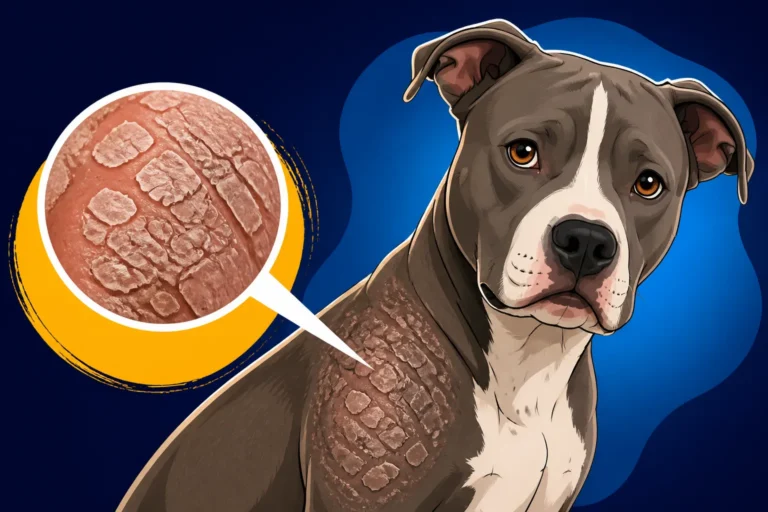
It's incredibly disheartening and often quite scary when your beloved Pit Bull develops patches of hair loss, itchy skin, or even crusty sores, and the vet tells you it's Demodex mange. Naturally, your mind immediately jumps to "Does this mean my dog has a weak immune system?" This guide is here to walk you through exactly what Demodex means for your Pit Bull's immune health, dispelling common myths and giving you a clear, empathetic understanding of this often-misunderstood condition.
Understanding Demodectic Mange in Pit Bulls
When you first hear "mange," it's easy to picture a contagious, horrifying infestation, but Demodex mange is quite different from what many people imagine. It's a condition that almost feels like it's coming from within, which is why it sparks so much worry about a dog's overall health.
The Basics of Demodex Mites
Let's get one thing straight right off the bat: Demodex mites are a normal part of nearly every dog's skin ecosystem, including your Pit Bull's. These microscopic, cigar-shaped critters live harmlessly within the hair follicles and sebaceous glands of almost all mammals. Most dogs carry a small population of these mites their entire lives without ever showing a single symptom. They're typically transferred from a mother dog to her puppies during nursing in the first few days of life. So, when a vet diagnoses Demodex, it's not because your dog "caught" something from another dog or the environment in the same way they might catch fleas or roundworms.
The problem arises not from the presence of the mites themselves, but from an overpopulation. For some reason, the dog's immune system, which usually keeps these mites in check, fails to regulate their numbers effectively. This allows them to multiply uncontrollably, leading to the characteristic hair loss, redness, and skin irritation we associate with Demodex. It’s a very different scenario from sarcoptic mange, which is caused by a different type of mite that is highly contagious and burrows into the skin, causing intense itching in almost any dog it infects. Demodex is internal; sarcoptic is external and infectious.
Why Pit Bulls Seem More Prone
You're not imagining it if it feels like you hear about Demodex more often in Pit Bulls and related breeds. While any dog can get Demodectic mange, certain breeds, including American Pit Bull Terriers, American Staffordshire Terriers, and Staffordshire Bull Terriers, do appear to have a genetic predisposition. This isn't about Pit Bulls being inherently "weaker" than other breeds in a general sense. Instead, it suggests a specific, inherited glitch in their immune system's ability to control Demodex mites.
Think of it this way: their immune system might be perfectly capable of fighting off viruses, bacteria, or other parasites, but it has a specific blind spot when it comes to keeping Demodex mites in check. This predisposition often shows up early in life. For example, you might adopt a Pit Bull puppy around 3-6 months old who suddenly develops patchy hair loss around the eyes or on the legs. It’s heartbreaking to see, especially when they're so young. This early onset is often linked directly to genetics, highlighting that it's not about overall frailty, but a very targeted immune dysregulation. This is a crucial distinction and often eases an owner's worries that their dog is constantly battling a weak immune system. You might find this helpful if you have a young one: Demodectic Mange in a Pit Bull Puppy.
Demodex and the Immune System: What the Science Says
It's natural to jump to conclusions when your dog has a health issue that points to "immune system." But with Demodex, the immune system connection is far more nuanced than a blanket "weakness."
Localized vs. Generalized Demodex
Understanding the two main forms of Demodex is key to grasping its link to immunity.
-
Localized Demodex: This is the milder form, often seen in puppies. It presents as one to five small, well-defined patches of hair loss, usually on the face (especially around the eyes and mouth) or on the front legs. These patches might be a little red or scaly, but usually aren't intensely itchy unless a secondary infection has set in. In many cases, particularly in puppies, localized Demodex resolves on its own as the puppy's immune system matures. It’s essentially a temporary hiccup in the immune system's ability to keep the mites down. It does not typically indicate any serious, underlying immune deficiency, and many dogs never experience it again.
-
Generalized Demodex: This form is more serious and widespread, covering larger areas of the body or involving more than five localized spots. The hair loss is more extensive, often accompanied by redness, crusting, and secondary bacterial infections (pyoderma), which can cause significant itching and discomfort. Generalized Demodex is typically where the immune system connection becomes more pronounced. In younger dogs (under 18 months), it's still often linked to that genetic predisposition or an immature immune system that simply hasn't quite figured out how to handle the mites. In adult dogs developing generalized Demodex for the first time, it can sometimes be a sign of an underlying systemic illness or immunosuppression (like thyroid disease, Cushing's disease, or even certain cancers), but this is less common and usually investigated thoroughly by your vet.
Imagine a scenario: you have a bouncy 6-month-old Pit Bull puppy, "Roxie," who suddenly gets a bald patch over her eye. That's likely localized. You treat it topically, and it clears up. Now imagine "Butch," an otherwise healthy 3-year-old Pit Bull, who develops bald spots all over his body, with raw, infected skin. This would be considered generalized and warrant a deeper look into any potential underlying causes, though often, it's still that specific genetic predisposition rearing its head.
Immune System Nuances, Not General Weakness
This is where the distinction is really important. When we talk about the immune system and generalized Demodex, we're not usually talking about a dog that is susceptible to every cough, cold, or infection that comes its way. Instead, current scientific understanding points to a specific cell-mediated immune defect related to T-lymphocytes. These are specialized white blood cells that play a crucial role in immune responses. In dogs prone to Demodex, these T-cells might not be responding effectively to the presence of the mites, allowing them to proliferate.
This is why many Pit Bulls with Demodex are otherwise robust, active, and healthy. They eat well, have good energy, and don't seem to get sick with other common ailments. Their immune system is generally doing its job, just not quite perfectly in this one specific area. It’s a very targeted issue, not a wholesale collapse of immune defenses. For owners, this often comes as a huge relief. You’re not dealing with a dog whose immune system is generally failing, but rather one with a particular, manageable immune idiosyncrasy.
Other Factors That Can Trigger or Worsen Demodex
While the genetic predisposition is strong, especially in breeds like Pit Bulls, other factors can sometimes trigger an outbreak or worsen existing Demodex.
- Stress: Just like in humans, stress can impact a dog's immune system. A highly stressful situation, such as moving to a new home, a stay at a boarding kennel, or even major changes in routine, can potentially suppress the immune response enough to allow Demodex mites to multiply.
- Underlying Illness: As mentioned, in adult dogs, generalized Demodex can occasionally signal an underlying health problem. Conditions like hypothyroidism, Cushing's disease, or even cancer can weaken the immune system generally, creating an environment ripe for mites to thrive. However, this is far less common than the genetic predisposition seen in younger dogs.
- Medications: Certain medications, particularly corticosteroids (like prednisone), can suppress the immune system. If a dog is on steroids for another condition (such as severe allergies), it could inadvertently trigger a Demodex flare-up.
- Immature Immune System: In puppies, their immune systems are still developing. They're like little sponges, learning to respond to various threats. Sometimes, their system simply hasn't matured enough to keep the Demodex population under control, leading to those localized patches that often clear up as they grow.
It's important to differentiate Demodex from other skin issues, especially allergies. Sometimes, skin irritation from Demodex can look a lot like a severe allergic reaction. If your Pit Bull is constantly scratching or has irritated skin, make sure your vet considers all possibilities. Here's a helpful read to understand the differences: Telling Demodex From an Allergy in a Pit Bull. This can save a lot of heartache and misdiagnosis.
Diagnosis and Treatment of Demodectic Mange
Getting a proper diagnosis and understanding the treatment options are your next crucial steps. It might feel overwhelming at first, but thankfully, treatment for Demodex has become much more straightforward and effective in recent years.
Confirming Demodex: Skin Scrapings
You can breathe a sigh of relief knowing that diagnosing Demodex is usually a quick, relatively painless process. Your veterinarian will perform a skin scraping. This involves gently scraping the surface of your Pit Bull's skin with a dull scalpel blade after applying a small drop of mineral oil. The oil helps to collect skin debris and mites. The collected material is then placed on a microscope slide and examined for the characteristic cigar-shaped mites.
Because Demodex mites live deep within the hair follicles, multiple scrapings from different affected areas are often necessary to ensure a diagnosis, especially if the infestation is light or if the dog is very fluffy (not usually an issue with short-coated Pit Bulls!). Sometimes, if the skin is very thick or difficult to scrape, a biopsy might be recommended, but this is less common. The key is confirming the presence of the mites, because treatments for Demodex are very specific and different from those for other skin conditions like fungal infections or allergies. Knowing exactly what you're dealing with ensures your Pit Bull gets the right care from the start. You can learn more about this process by reading Skin Scrapings That Confirm Pit Bull Mange.
Modern Treatment Options
The good news is that treatment for Demodex, particularly generalized Demodex, has vastly improved over the last decade. Gone are the days of toxic, whole-body dips that were stressful for both dogs and owners. Today, veterinarians often turn to newer, highly effective oral medications.
These modern medications, known as isoxazolines (e.g., Bravecto, NexGard, Simparica, Credelio), are given orally and have revolutionized Demodex treatment. They work by targeting the mites' nervous system, quickly killing them off. Most dogs tolerate these medications very well, and they are typically given as a single dose that lasts for weeks or months, or as a monthly chewable. This makes compliance much easier than previous methods, which often involved daily or weekly treatments. It's truly a game-changer for many dogs and their families. Treatment is usually continued for a period after the skin scrapings come back negative, to ensure all mites are eradicated and prevent recurrence. Consistent follow-up scrapings are vital to confirm successful treatment and ensure your Pit Bull is truly mite-free. For a deeper dive into the specifics of these treatments, check out Treating Generalised Demodex in a Pit Bull.
Supporting Your Pit Bull Through Recovery
While the medication does the heavy lifting, your role in supporting your Pit Bull's recovery is crucial. Skin affected by Demodex, especially generalized forms, often becomes inflamed, irritated, and susceptible to secondary infections.
- Address Secondary Infections: It’s common for bacterial (pyoderma) or yeast infections to develop on skin already compromised by mites. Your vet will likely prescribe antibiotics for bacterial infections or antifungal medications for yeast. Sometimes, medicated shampoos are also used to help soothe the skin, remove scales and crusts, and kill surface bacteria or yeast. Ignoring these secondary infections means your dog will continue to be itchy and uncomfortable, even if the mites are dying off. Understanding how to manage these is critical, and articles like Pit Bull Pyoderma and Antibiotic Courses or Yeast Infections in Pit Bull Skin Folds can provide further insights.
- Good Nutrition: Ensure your Pit Bull is on a high-quality, balanced diet. Good nutrition supports overall health and immune function, which can only aid in recovery. While diet alone won't cure Demodex, it provides the building blocks for a healthy body.
- Stress Reduction: Try to keep your Pit Bull's environment as calm and stress-free as possible during recovery. Minimize sudden changes to routine, and ensure they have a comfortable, quiet place to rest. A happy, relaxed dog is better equipped to heal.
- Comfort: Keep their bedding clean and soft to prevent further irritation to sensitive skin. Avoid harsh brushing or irritating topical products unless prescribed by your vet.
Long-Term Management and Outlook
Discovering your Pit Bull has Demodex can be a worry, but with proper treatment and understanding, the long-term outlook is generally very good. It’s about being proactive and informed.
Monitoring for Recurrence
While modern treatments are highly effective, recurrence is a possibility, especially with generalized Demodex. It doesn't mean you or your vet did anything wrong; it just highlights that underlying predisposition. This is why regular follow-up veterinary visits are so important, sometimes extending several months beyond the last negative skin scraping. Your vet will want to perform subsequent skin scrapings to ensure no mites remain.
Even after your Pit Bull is given a clean bill of health, keep a watchful eye. If you notice any small patches of hair loss, redness, or excessive scratching returning, don't hesitate to contact your vet. Catching a recurrence early means it can be treated quickly and effectively, preventing it from spiraling into a more generalized problem again. For example, if your Pit Bull, who was treated a year ago, suddenly starts rubbing their face on the carpet more frequently and you spot a small, bald patch on their muzzle, that's your cue to call the vet right away.
Breeding Considerations
Given the strong genetic link, especially for generalized Demodex that appears in younger dogs, it's generally advised that Pit Bulls who have suffered from generalized Demodectic mange should not be used for breeding. This is a critical point for responsible breeding practices. While localized Demodex that resolves quickly in a puppy may be less of a concern, any dog that experiences a severe, widespread, or recurrent generalized form likely carries the genetic predisposition and could pass it on to their offspring.
This recommendation helps to reduce the prevalence of the condition in future generations of Pit Bulls. It’s part of a broader commitment to breeding healthy dogs. If you ever consider getting another Pit Bull puppy from a breeder, inquire about the health history of the parents and their lines regarding Demodex and other common breed-specific issues. Responsible breeders are transparent about these things. Knowing What Testing a Pit Bull Breeder Should Have Done can equip you with the right questions to ask.
Living with a Demodex-Prone Pit Bull
The most important takeaway is that a diagnosis of Demodex does not sentence your Pit Bull to a life of chronic illness or constant immune system struggles. For most dogs, especially with today’s effective treatments, Demodex is a condition that can be fully resolved and managed. It means you might need to be a bit more vigilant about their skin health and potential recurrences, but it doesn't mean you have a "sickly" dog.
Instead, focus on maintaining your Pit Bull's overall health and well-being. Provide a balanced diet, consistent exercise, regular veterinary check-ups, and a loving, low-stress environment. Many owners find peace of mind with pet insurance for their Pit Bulls, especially with a history of a condition like Demodex. Providers like Healthy Paws can often help cover the costs of diagnostics, medications, and follow-up care for eligible conditions, though it's important to understand policy details regarding pre-existing conditions. Always read the fine print! Your Pit Bull can live a full, happy, and robust life, just like any other dog.
| Feature | Localized Demodex | Generalized Demodex |
|---|---|---|
| Appearance | 1-5 small, distinct patches of hair loss (face, legs) | Widespread hair loss, large areas, often with redness, crusts |
| Itching | Minimal, unless secondary infection present | Often moderate to severe, especially with secondary infection |
| Immune Link | Usually temporary, immature immune response in puppies | Specific T-cell immune dysregulation; rarely underlying illness in adults |
| Common Age | Puppies (3-6 months) | Young adult dogs (6-18 months); sometimes older adults |
| Contagious | No | No |
| Treatment | Often resolves spontaneously; topical medications | Systemic oral medications (isoxazolines); often antibiotics for secondary infections |
| Prognosis | Excellent, usually no recurrence | Good with consistent treatment, but recurrence possible |
| Breeding Advised | Generally, yes, if mild and isolated | Generally, no, due to genetic predisposition |
Disclaimer
Please remember that the information provided in this guide is for general educational purposes only and should not be considered a substitute for professional veterinary advice. Always consult with a qualified veterinarian regarding your Pit Bull's specific health concerns, diagnosis, and treatment plans.