Cataracts Clouding a Pit Bull Eye
It's a truly unsettling feeling when you look into your beloved Pit Bull's eyes and notice a cloudy film beginning to obscure their once clear gaze. This sudden change can spark a wave of anxiety, as you worry about their vision and overall well-being. This comprehensive guide is here to walk you through everything you need to know about cataracts in Pit Bulls, from understanding what they are and how to spot them, to exploring treatment options and how to best support your furry friend through this challenging condition.
Understanding What Cataracts Are in Pit Bulls
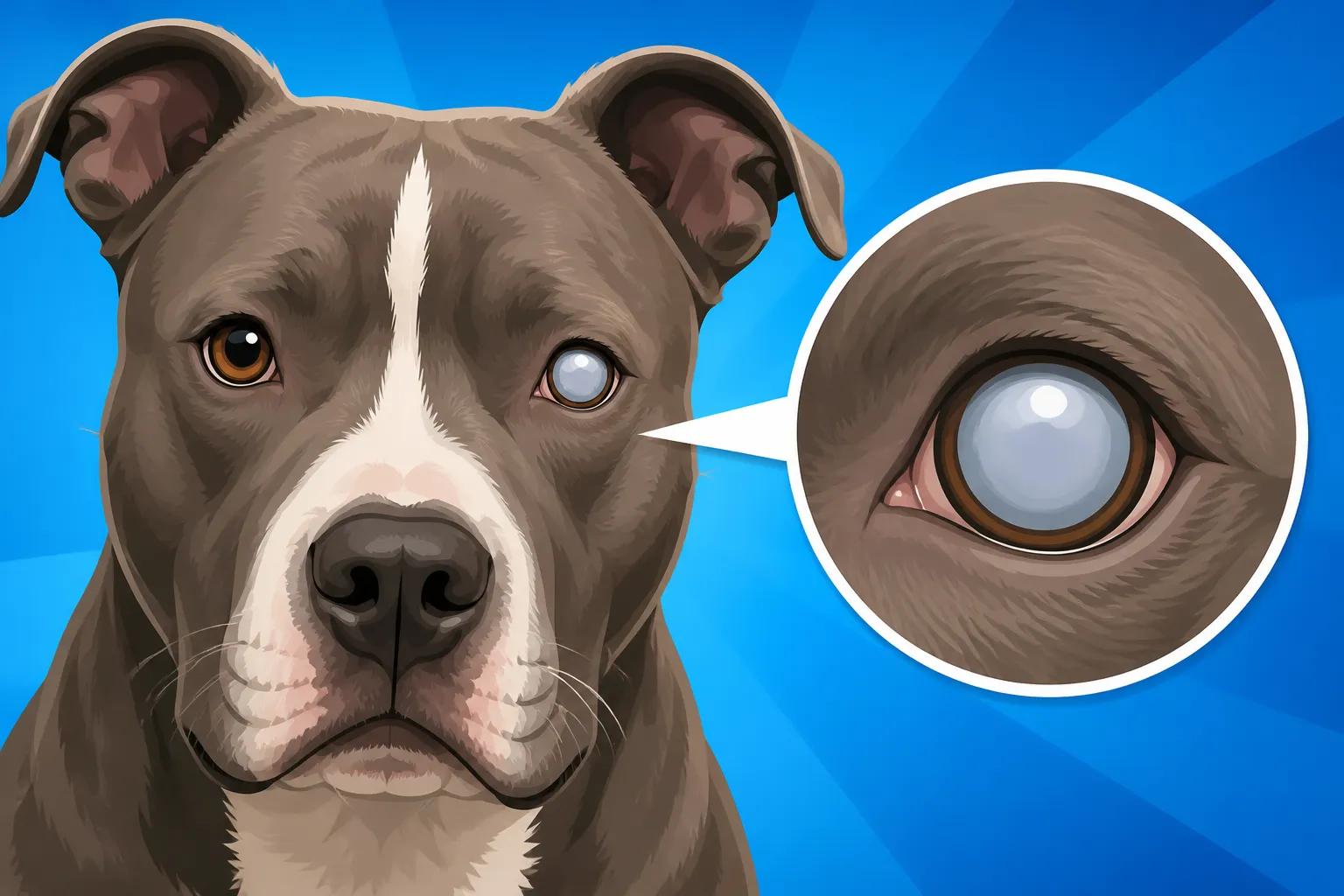
When we talk about a "cloudy eye" in a dog, it often leads to thoughts of cataracts, and for good reason. A cataract is essentially an opacity or cloudiness that develops within the lens of the eye, which is normally clear. Think of it like looking through a window that’s slowly frosting over – the light struggles to pass through, and eventually, vision becomes impaired. This isn't just a surface issue; it affects the internal structure responsible for focusing light onto the retina, much like a camera lens.
Cataracts can range from very small, localized spots that barely affect vision, to large, dense opacities that cause complete blindness. The progression can be slow, taking years, or alarmingly rapid, clouding a dog's vision in a matter of months. Pit Bulls, like many other breeds, can develop cataracts for a variety of reasons, and understanding the root cause is the first step towards managing the condition effectively.
Differentiating Cataracts from Nuclear Sclerosis
Before we dive deeper, it's crucial to understand that not all cloudiness in an older Pit Bull's eye is a cataract. There's a very common, age-related change called nuclear sclerosis, which many senior dogs experience. Nuclear sclerosis is a normal hardening and compression of the lens fibers as a dog ages, typically appearing as a bluish-gray haze in the center of the pupil.
The key difference? Nuclear sclerosis generally causes very little, if any, vision impairment. Dogs with nuclear sclerosis can usually see perfectly fine, especially in bright light. Cataracts, on the other hand, actively block light and interfere with vision. A veterinary ophthalmologist can easily tell the difference using specialized equipment, so if you see cloudiness, don't immediately panic, but do get it checked out. It's a common concern, and distinguishing between these two conditions is often the first thing a vet will do when you bring in an older Pit Bull with cloudy eyes.
| Feature | Cataracts | Nuclear Sclerosis |
|---|---|---|
| Appearance | Milky white, opaque, or ice-like cloudiness | Bluish-gray haze, often central |
| Vision Impact | Ranges from mild impairment to blindness | Minimal to no vision impairment |
| Cause | Genetic, diabetes, trauma, inflammation, age | Normal aging process (lens hardening) |
| Light Transmission | Blocks significant light | Allows light to pass through |
| Treatment | Surgical removal (lens replacement) often needed | No treatment typically needed |
| Progression | Can be slow or rapid | Generally stable once developed |
Common Causes of Cataracts in Pit Bulls
Cataracts in Pit Bulls can arise from several factors, some of which are genetic, while others are acquired due to underlying health issues or trauma.
- Genetic Predisposition: While Pit Bulls as a "breed" are a broad category, specific lines or mixes within the Pit Bull type might carry genetic markers that increase their risk for developing cataracts, sometimes even at a young age. These are often called "hereditary cataracts" or "juvenile cataracts" if they appear early in life. A responsible breeder should ideally have What Testing a Pit Bull Breeder Should Have Done to screen for such conditions, though it's not always easy to track with the diverse genetics of Pit Bulls.
- Diabetes Mellitus: This is hands down one of the most common causes of cataracts in dogs, including Pit Bulls. When a dog has diabetes, the excess glucose in their blood can convert to sorbitol within the lens. Sorbitol then draws water into the lens, disrupting its delicate structure and causing it to become opaque. Diabetic cataracts often develop very rapidly, sometimes leading to blindness within weeks or even days, which can be incredibly distressing for both the dog and owner. If your Pit Bull is diagnosed with diabetes, regular eye checks become even more critical.
- Trauma or Injury: A direct injury to the eye, such as being poked by a stick, a scratch, or even blunt force trauma, can damage the lens and lead to the formation of a cataract. Inflammation resulting from such an injury can also contribute to lens opacities.
- Inflammation (Uveitis): Chronic inflammation inside the eye, a condition known as uveitis, can lead to cataract formation. Uveitis can be caused by various systemic diseases, infections, or even autoimmune issues. The ongoing inflammation disrupts the metabolic processes within the lens, making it cloudy.
- Age-Related Changes: While nuclear sclerosis is a benign aging change, true senile cataracts can also occur in older Pit Bulls, similar to how they affect humans. These develop gradually over time, often impacting vision slowly but progressively. For an older Pit Bull, particularly those over ten years old, vision changes are often a primary concern for owners, alongside issues like Caring for a Pit Bull in Its Second Decade or a general decline in mobility.
Understanding these potential causes helps you and your vet narrow down the possibilities and plan the most appropriate course of action.
Spotting the Signs of Cataracts Early
Catching cataracts early can be beneficial, especially if surgical intervention is an option. While the cloudy appearance is the most obvious sign, there are often subtle behavioral cues that can indicate your Pit Bull's vision is starting to decline before the cloudiness becomes strikingly apparent. As a Pit Bull owner, you're usually very attuned to your dog's nuances, and noticing these small changes can make a big difference.
Visual Cues in Your Pit Bull's Eyes
The most direct indicator of cataracts is, of course, a change in the physical appearance of your Pit Bull's eyes.
- Cloudiness or Opacity: This is the hallmark sign. You might first notice a slight haziness in the pupil, which is the black center of your dog's eye. This haziness can progress to a milky white, bluish-gray, or even crystalline appearance. It might start as a small spot and gradually spread to cover the entire lens. Sometimes, it looks like a piece of ice is embedded in the eye.
- Changes in Eye Color Perception: While subtle, some owners report that the affected eye may appear slightly different in color or reflectivity when viewed from certain angles or in different lighting conditions. This is often due to the cataract interfering with how light reflects off the retina.
- Pupil Dilation: In an attempt to let in more light, your Pit Bull's pupils might appear more dilated than usual, especially in dimly lit environments. Their eyes might look bigger, or you might notice that their pupils don't constrict as much in bright light as they used to. This can be particularly noticeable if only one eye is affected, as the pupils might look asymmetrical.
Remember, cataracts usually don't cause pain unless they lead to secondary complications like glaucoma, which is increased pressure within the eye. So, your Pit Bull might not rub their eyes or show obvious signs of discomfort from the cataract itself.
Behavioral Changes Indicating Vision Loss
Beyond the visual changes in the eye itself, cataracts can profoundly impact your Pit Bull's behavior and daily routines. These behavioral shifts are often the first things owners notice, sometimes even before they spot any cloudiness.
- Clumsiness or Hesitation: Your Pit Bull might start bumping into furniture, walls, or even people, particularly in unfamiliar environments or in dim lighting. They might become hesitant to go up or down stairs, or refuse to jump off the couch when they used to do so with ease. This can be especially frustrating for a confident and powerful breed like a Pit Bull, making them seem suddenly less capable.
- Increased Anxiety or Startle Response: As their vision diminishes, Pit Bulls can become more anxious or easily startled, especially if approached from behind or if things move unexpectedly in their peripheral vision. They might become jumpy, bark more, or even growl if surprised. This can manifest as being A Pit Bull Confused in Rooms It Knows, where familiar surroundings suddenly feel less secure.
- Reluctance to Play or Explore: Many Pit Bulls are active, playful dogs. If they suddenly lose interest in playing fetch, exploring new areas, or going on walks in busy places, it could be a sign that their vision is holding them back. They might stick closer to you or prefer quiet, familiar spaces.
- Difficulty with Depth Perception: You might notice your Pit Bull struggling with things like catching treats in the air, navigating curbs, or judging distances. They might misstep or appear to "test" the ground with their paws before stepping.
- Changes in Sleep Patterns: Some dogs with significant vision loss might become disoriented at night, leading to pacing or restlessness. This can be particularly concerning in older dogs, who might also be experiencing other age-related cognitive changes.
- Reduced Confidence Outdoors: Walks that used to be exciting adventures might become stressful. Your Pit Bull might be more hesitant to navigate uneven terrain, avoid stepping into shadows, or become more reactive to unfamiliar sights or sounds because they can't clearly see what's happening.
Observing these behavioral changes, especially in combination with any cloudiness, warrants a prompt visit to your veterinarian. Early detection is always best, whether it's for a cataract or something else entirely.
Diagnosing and Treating Pit Bull Cataracts
Once you've noticed potential signs of cataracts, the next crucial step is veterinary consultation. Your regular vet can perform an initial examination, but for a definitive diagnosis and treatment plan, a referral to a veterinary ophthalmologist is typically recommended. These specialists have the advanced tools and expertise to properly assess your Pit Bull's eye health.
The Veterinary Examination and Diagnostic Steps
During a comprehensive eye examination, the veterinary ophthalmologist will use several specialized techniques to evaluate your Pit Bull's eyes.
- Ophthalmoscopy: This involves using an ophthalmoscope to look directly into the eye and examine the lens, retina, and optic nerve. They can assess the size, location, and density of any cataracts, and differentiate them from nuclear sclerosis or other conditions.
- Slit-Lamp Biomicroscopy: This provides a magnified, three-dimensional view of the structures within the eye, including the lens. It allows the ophthalmologist to precisely map out the cataract and check for any associated inflammation or secondary issues.
- Electroretinography (ERG): If cataract surgery is being considered, an ERG is often performed. This test measures the electrical activity of the retina in response to light, ensuring that the retina is healthy enough to regain vision after the cloudy lens is removed. A healthy retina is paramount for surgical success.
- Ocular Ultrasound: An ultrasound might be used to examine the back of the eye, particularly if the cataract is so dense that the ophthalmologist cannot see through it to the retina. This helps rule out other conditions like retinal detachment.
- Blood Tests: For a Pit Bull suspected of having diabetic cataracts, blood tests will be run to check blood glucose levels. If diabetes is diagnosed, managing this underlying condition is critical for both eye health and overall well-being. Additionally, general bloodwork may be performed to assess overall health, especially if anesthesia is being considered for surgery.
These diagnostic steps are essential to accurately diagnose the type and extent of the cataract, identify any underlying causes, and determine the best course of treatment.
Treatment Options for Pit Bull Cataracts
The primary and most effective treatment for significant cataracts that are impacting vision is surgical removal. While it sounds daunting, the success rate for cataract surgery in dogs is quite high, often restoring excellent vision.
-
Cataract Surgery (Phacoemulsification): This is the gold standard for treating cataracts. The procedure involves using a small incision to insert an ultrasonic probe that emulsifies (breaks up) the cloudy lens material, which is then aspirated out of the eye. An artificial intraocular lens (IOL) is then implanted, restoring focus. Surgery is typically recommended before the cataract becomes "hyper-mature" (completely dense and hard), as earlier intervention can lead to better outcomes and fewer complications.
The decision for surgery involves a thorough discussion with your veterinary ophthalmologist, considering your Pit Bull's overall health, age, temperament, and the health of their retina. The recovery period involves careful post-operative care, including multiple eye drops and restricted activity, which can be a commitment. Owners frequently ask about the costs involved, and this is where careful financial planning comes into play. Pet insurance can be a lifesaver for such procedures. For example, some pet insurance providers like Healthy Paws offer comprehensive coverage that can help mitigate the financial burden of costly surgeries like cataract removal, allowing you to focus on your Pit Bull's recovery rather than the bill.
-
Medicated Eye Drops: For certain types of cataracts, or in cases where surgery is not an option (due to other health issues, advanced age, or financial constraints), some eye drops might be prescribed. However, it's important to be realistic: no eye drops can dissolve or reverse an established cataract. Some drops are aimed at slowing the progression of early cataracts, particularly those with a diabetic origin, or managing secondary inflammation. They are rarely a curative solution for vision restoration.
-
Managing Underlying Conditions: If the cataracts are secondary to a condition like diabetes or uveitis, managing these primary health issues is crucial. Effective diabetes management can help prevent cataracts from forming in the other eye or slow the progression of existing ones. Treating uveitis can reduce inflammation and potentially prevent further lens damage.
The financial aspect of veterinary care, especially specialized surgery, is a real concern for many owners. Exploring options like a pet savings account, veterinary credit lines, or robust pet insurance from providers like Healthy Paws well before major issues arise, can provide immense peace of mind. Remember to research policies carefully, understanding what is covered and what is considered a pre-existing condition. For planned procedures, knowing your policy with Healthy Paws can help you budget effectively.
Living with a Pit Bull Who Has Cataracts
Whether your Pit Bull undergoes cataract surgery or you decide to manage their condition non-surgically, adapting your home environment and routines can significantly improve their quality of life. Losing vision is a big adjustment for any dog, but our resilient Pit Bulls can learn to navigate their world with surprising grace with a little help from us.
Adapting Your Home Environment
Making small, thoughtful changes around your house can help your vision-impaired Pit Bull feel more secure and confident.
- Maintain Consistency: This is arguably the most important tip. Avoid rearranging furniture or changing the layout of your home. Your Pit Bull relies on spatial memory to navigate. If you absolutely must move something, do it gradually and guide them around the new obstacle repeatedly.
- Clear Pathways: Keep floors clear of clutter. Tripping hazards like shoes, bags, or toys can be dangerous for a dog who can't see them.
- Use Scent Markers: Placing different scents (e.g., essential oils diluted and dabbed on cotton balls) near critical areas like food bowls, water dishes, or dog beds can help your Pit Bull locate them. Ensure the scents are safe and not irritating for dogs. You can also use different textures of mats for these stations.
- Safety Gates: Consider using baby gates to block off stairs, dangerous rooms, or areas that lead outside. This prevents accidental falls or escapes.
- Comfortable and Safe Resting Spots: Ensure their beds are easily accessible and in predictable locations. A comfortable bed can also be a source of security for them, much like the one you might select if dealing with Pit Bull Arthritis After the Age of Seven.
- Consistent Lighting: Try to keep lighting consistent. Avoid bright, sudden lights that can be disorienting or dark, shadowy areas that become navigational challenges. Night lights in hallways can be very helpful.
These adaptations can make a world of difference, reducing your Pit Bull's stress and increasing their independence within the home.
Supporting Your Pit Bull Emotionally and Physically
Living with vision loss is an emotional journey for both you and your Pit Bull. Your patience, understanding, and consistent support are vital.
- Verbal Cues are Key: Start using verbal cues more frequently. When approaching your Pit Bull, announce your presence by saying their name or a consistent phrase, so you don't startle them. Use words like "step up," "step down," "wait," or "obstacle" to help them navigate.
- Maintain Routine: Dogs thrive on routine, and it's even more critical for a vision-impaired dog. Stick to consistent feeding times, walk schedules, and play sessions. This predictability builds confidence.
- Supervised Outdoor Time: Keep your Pit Bull on a leash in unfamiliar outdoor areas, even if they have some residual vision. A long line in a secure, familiar yard can allow for safe exploration. Be aware of hazards like uneven ground, busy areas, or other dogs that might approach too quickly. If your Pit Bull also experiences An Old Pit Bull Losing Sight and Hearing, their outdoor adventures will require even more careful supervision.
- Tactile Guidance: Sometimes a gentle touch on their side or back can guide them, or you can gently nudge them with your leg in the right direction. Always approach them from the front if possible and let them know you're there before touching.
- Enrichment Activities: Don't let vision loss stop playtime. Engage their other senses! Scent games (like hide-and-seek with treats), puzzle toys, and interactive toys that make sounds can keep their minds sharp and engaged. Consider investing in durable, Pit Bull-proof toys that will hold up to their strong jaws.
- Harness vs. Collar: A harness can provide better control and prevent strain on their neck if they pull, which can be especially helpful if they become disoriented.
- Regular Vet Check-ups: Continue with regular veterinary check-ups to monitor their overall health, especially for older Pit Bulls who may have other conditions like Heart Disease in a Pit Bull or require The Bloodwork an Old Pit Bull Should Have. Maintaining good general health is essential for their quality of life.
Remember that while cataracts can be a serious condition, with proper diagnosis, treatment, and ongoing care, your Pit Bull can continue to live a full and happy life. Having a trusted vet, and understanding how resources like Healthy Paws can help cover potential costs, provides a solid foundation for managing their health journey.
Disclaimer
The information provided in this guide is for general informational purposes only and does not constitute veterinary advice. Always consult with a qualified veterinarian or veterinary ophthalmologist for any health concerns or before making any decisions related to your Pit Bull's medical care.