A Pit Bull That Collapses Without Warning
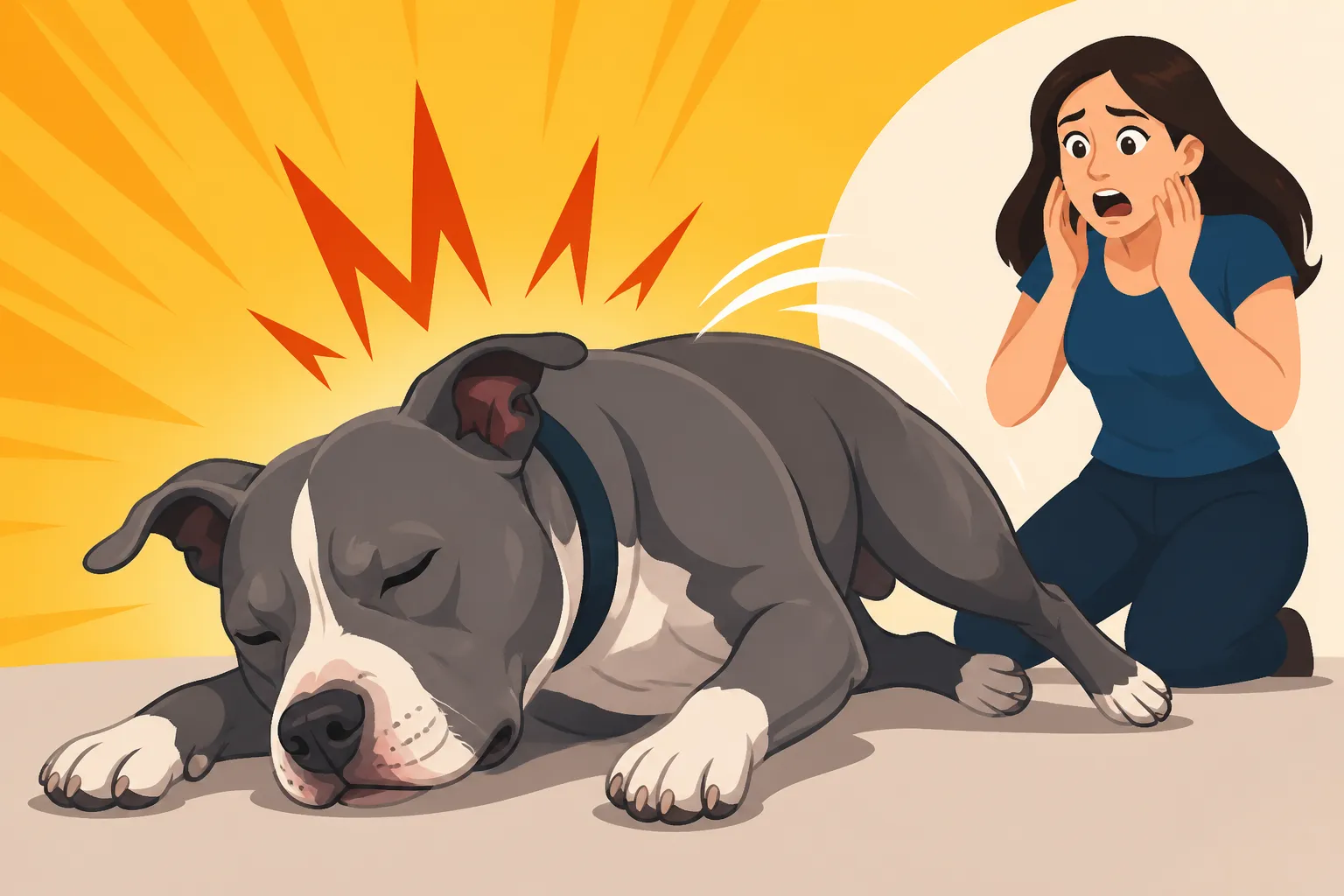
Watching your beloved Pit Bull suddenly collapse without warning is one of the most terrifying experiences an owner can face. One moment they might be playing, the next they're on the ground, unresponsive or struggling. This isn't just a stumble; it's a critical moment that demands immediate attention and a clear understanding of potential underlying causes. This guide aims to help you navigate this scary situation, from what to do in the immediate aftermath to understanding the medical conditions that could lead to such a dramatic event.
The Terrifying Reality of Sudden Collapse
When your strong, seemingly healthy Pit Bull goes down, it's a shock to the system. Their robust build and energetic demeanor often make us believe they're invincible, but sudden collapse can strike any dog, often signaling a serious underlying health crisis.
Distinguishing Collapse from Fainting or Weakness
It’s crucial to understand the difference between a true collapse, a faint (syncope), or simply a moment of weakness or stumbling. A true collapse usually involves an abrupt loss of strength or consciousness, where your dog can't get up or maintain an upright position. They might go limp, their eyes might glaze over, or they could become completely unresponsive. This is distinct from weakness, where a dog might be wobbly or struggle to stand but remains aware and eventually regains their footing.
A fainting spell, or syncope, is a temporary loss of consciousness caused by a sudden drop in blood flow to the brain, often linked to heart problems. Dogs usually recover quickly from syncope, often within seconds to a minute, and might appear disoriented afterward. Collapse, however, can be more prolonged and could be indicative of a wider range of issues, including neurological problems, severe pain, or even respiratory distress. Observing how your Pit Bull went down, how long they were affected, and what their state was like immediately before and after the event provides vital clues for your veterinarian.
Why a Pit Bull's Robust Appearance Can Mask Issues
Pit Bulls are renowned for their muscular, athletic physiques and boundless energy. They often project an image of incredible strength and health, which can, paradoxically, make it harder for owners to spot subtle signs of illness. Their high pain tolerance can mean they power through discomfort that might sideline other breeds, delaying the appearance of symptoms until a condition is quite advanced. A Pit Bull might continue to play and exert themselves heavily, even with a developing heart condition or neurological problem, until the body simply can't compensate anymore.
This stoicism means that when a Pit Bull finally collapses, it's almost always a significant event requiring immediate veterinary attention. Their powerful appearance can give a false sense of security, making the sudden onset of severe symptoms even more alarming. As owners, we need to be extra vigilant, knowing that their outwardly strong appearance doesn't always reflect their internal health.
Common Medical Causes Behind Sudden Collapse in Pit Bulls
Sudden collapse is rarely an isolated incident without a medical explanation. While it's terrifying, pinpointing the cause is the first step toward effective treatment. Various systems can be at fault, and a thorough veterinary examination is paramount.
Cardiovascular Conditions: The Silent Threat
Heart conditions are a leading cause of sudden collapse, especially in active breeds like Pit Bulls, where exertion can push an already compromised system past its limits. Many heart problems can progress silently, showing no obvious symptoms until a critical event occurs.
One common issue is dilated cardiomyopathy (DCM), where the heart muscle becomes thin and weak, unable to pump blood efficiently. Another is Aortic Stenosis in a Pit Bull Puppy, a congenital defect where the aortic valve narrows, obstructing blood flow from the heart. Over time, this makes the heart work much harder, leading to strain and eventually, potential collapse. Arrhythmias, or irregular heartbeats, can also cause a sudden drop in cardiac output, leading to fainting or collapse. If your vet has ever mentioned A Heart Murmur Heard at a Pit Bull Checkup, it's something to take seriously, as murmurs can indicate underlying structural heart disease. These conditions can cause your Pit Bull to suddenly become weak, disoriented, or even lose consciousness, often during or immediately after exercise. Early detection through regular vet check-ups and diagnostic tests like an echocardiogram can be life-saving. For ongoing treatment of such serious conditions, many pet owners find that having comprehensive pet insurance, like a plan from Healthy Paws, can significantly ease the financial burden of chronic care.
Neurological Events and Seizures
Neurological issues can also manifest as sudden collapse. Seizures are perhaps the most common neurological cause. While many people picture a dog convulsing uncontrollably, seizures can present in various ways, from subtle twitching and disorientation to a full grand mal seizure resulting in sudden collapse, loss of consciousness, and involuntary movements. Your Pit Bull might stiffen, fall over, paddle their legs, or even vocalize. After a seizure, they often enter a "post-ictal" phase, where they might seem confused, disoriented, tired, or temporarily blind.
Other less common neurological conditions, such as brain tumors, strokes, or even certain metabolic disorders affecting brain function, could also lead to sudden episodes of collapse. For instance, some Pit Bull lines are predisposed to conditions like Cerebellar Ataxia in an American Staffordshire Terrier, which can cause progressive incoordination and might lead to sudden falls or collapse as the disease advances. Differentiating a seizure from a cardiac syncope can be challenging, but your detailed observations of the event will be invaluable to your vet.
Respiratory Compromise and Heat-Related Incidents
While not always immediately thought of as a cause for collapse, severe respiratory distress can certainly lead to it. If your Pit Bull cannot get enough oxygen, their body will quickly begin to shut down. This can happen due to an allergic reaction causing airway swelling, choking on an object, or severe pneumonia.
Another significant concern, especially for active Pit Bulls with their short coats, is heatstroke. Pit Bulls can overheat quickly, particularly during intense exercise on hot days. They don't sweat like humans; they primarily cool themselves through panting. If they can't effectively dissipate heat, their core body temperature rises rapidly, leading to organ failure and, often, collapse. Signs of heatstroke include excessive panting, drooling, bright red gums, vomiting, diarrhea, and staggering. If your Pit Bull collapses on a warm day, especially after playing, immediately suspect heatstroke. Understanding Heat Tolerance in a Short-Coated Pit Bull is crucial for prevention. Provide shade, fresh water, and avoid strenuous activity during the hottest parts of the day.
Metabolic Disturbances and Toxins
The body's internal chemistry plays a huge role in overall function, and imbalances can lead to sudden collapse. Severe low blood sugar (hypoglycemia) can rapidly drain a dog's energy, causing weakness, disorientation, and collapse. This is more common in very young puppies, diabetic dogs on insulin, or dogs with certain rare tumors. Severe anemia, where there aren't enough red blood cells to carry oxygen throughout the body, can also lead to weakness and collapse as tissues become oxygen-deprived.
Additionally, accidental ingestion of toxins is always a possibility. Many common Household Foods That Are Dangerous to a Pit Bull, such as chocolate, xylitol, or certain plants, can cause a rapid and severe reaction leading to neurological symptoms, heart problems, or profound weakness and collapse. Similarly, exposure to rat poison, antifreeze, or even some human medications can be lethal. If you suspect your Pit Bull has ingested something toxic, time is of the essence.
What to Do Immediately When Your Pit Bull Collapses
Seeing your Pit Bull collapse is incredibly frightening, but your quick and calm response can make a critical difference. Panicking won't help your dog.
First Aid and Immediate Assessment
The very first thing you need to do is ensure your Pit Bull's safety and your own. Move them gently to a safe, quiet, and well-ventilated area, away from any potential hazards. If they're outdoors, get them into the shade immediately. Check if they are breathing. Look for chest movements and feel for air coming from their nostrils. Check their pulse by gently placing your fingers on the inside of their upper thigh, near where the leg joins the body. The femoral artery should have a steady beat.
If they are unconscious, carefully check their mouth for any obstructions that might be blocking their airway. Clear any vomit or foreign objects. Keep them warm if the environment is cold, or cool them down if heatstroke is suspected (use cool, not ice-cold, water on their paws, inner thighs, and neck, and aim a fan at them). Try to stay calm, speak to them reassuringly, and minimize any further stimulation. Remember the exact time of the collapse and how long it lasted.
Transport to Emergency Veterinary Care
Once you've done what you can for immediate first aid, your next step is to get your Pit Bull to an emergency veterinary hospital immediately. Do not wait to see if they recover fully on their own, especially if the collapse was sudden, prolonged, or involved loss of consciousness. Many causes of sudden collapse are life-threatening and require urgent professional intervention.
Call the veterinary emergency clinic on your way there to give them a heads-up. Briefly describe what happened so they can prepare for your arrival. While driving, try to keep your dog as stable and comfortable as possible. If they are a larger Pit Bull, you might need help to lift them safely into your car. Having pet insurance, like a plan from Healthy Paws, can be incredibly helpful in these high-stress situations, allowing you to focus on your dog's care without immediate concern for Pit Bull Emergency Vet Visit Costs. Knowing your insurance can help cover these unexpected and often substantial bills offers immense peace of mind. For a list of specific critical events, you can refer to Emergency Signs That Cannot Wait in a Pit Bull.
The Importance of a Detailed History for Diagnosis
When you arrive at the emergency vet, they will ask you a lot of questions. Your detailed account of the event is paramount to helping them narrow down potential causes quickly. Try to remember:
- When did it happen? (Exact time and duration).
- What was your Pit Bull doing right before the collapse? (Exercising, resting, eating, etc.)
- How did they collapse? (Did they stumble, go limp, stiffen up, cry out?)
- What did you observe during the collapse? (Conscious/unconscious, breathing rate, gum color, body movements like paddling or shaking, urination/defecation).
- How long did the collapse last?
- What were they like immediately after recovering (if they did)? (Disoriented, weak, normal?)
- Any other symptoms you've noticed recently (changes in appetite, water intake, energy levels, coughing, limping)?
- Any recent changes in diet, medication, environment, or exposure to toxins?
Even if some details seem minor, write everything down if you can. This comprehensive history, combined with the vet's physical exam and diagnostic tests, forms the puzzle pieces needed to diagnose the problem.
Long-Term Management and Prevention Strategies
Once the immediate crisis has passed and your Pit Bull is stable, the focus shifts to understanding the diagnosis and implementing a long-term plan to prevent future episodes.
Diagnostic Work-Up and Understanding the Diagnosis
After the emergency, your vet will likely recommend a series of diagnostic tests to pinpoint the exact cause of the collapse. This comprehensive work-up might include:
- Bloodwork: A full blood panel, including a complete blood count (CBC) and chemistry profile, to check for anemia, organ function abnormalities, electrolytes, and blood sugar levels. A specific The Bloodwork an Old Pit Bull Should Have is often more extensive.
- Urinalysis: To assess kidney function and rule out infections or metabolic issues.
- Electrocardiogram (ECG): To evaluate heart rhythm and electrical activity, crucial if a cardiac issue is suspected.
- Radiographs (X-rays): Of the chest and abdomen to check heart size, lung fields, and abdominal organs.
- Echocardiogram (Cardiac Ultrasound): A detailed ultrasound of the heart to assess its structure and function, which is critical for diagnosing conditions like DCM or Aortic Stenosis.
- Neurological Examination: To assess reflexes, coordination, and brain function.
- Advanced Imaging: Such as an MRI or CT scan, if a brain tumor or other complex neurological issue is suspected.
Understanding your Pit Bull's specific diagnosis is key. Don't hesitate to ask your veterinarian questions about the condition, its prognosis, and what to expect. Knowledge empowers you to be an active participant in your dog's recovery and ongoing care.
Tailored Treatment Plans and Lifestyle Adjustments
Treatment plans are highly specific to the underlying cause. For heart conditions like DCM or arrhythmias, medication regimens often involve multiple drugs to improve heart function, control rhythm, and manage fluid retention. Dogs with neurological conditions might require anti-seizure medications, steroids to reduce inflammation, or even surgery in some cases. If a metabolic issue like diabetes is diagnosed, strict dietary management and insulin therapy become lifelong commitments.
Beyond medication, lifestyle adjustments are often critical. This could mean restricting exercise intensity, especially for dogs with heart conditions, to avoid putting undue stress on their system. Dietary changes might be necessary to support heart health, manage weight, or address metabolic needs. Regular monitoring at home, such as tracking breathing rate, gum color, or seizure frequency, will become part of your routine. These ongoing treatments and necessary adjustments can be costly, but the support from pet insurance providers like Healthy Paws can be incredibly valuable in managing these expenses, ensuring your Pit Bull receives the best possible care without financial strain dictating medical decisions.
Proactive Health Monitoring and Regular Vet Visits
One of the most powerful tools in preventing future collapses or catching serious conditions early is consistent, proactive health monitoring. This begins with thorough annual or bi-annual veterinary check-ups. For an older Pit Bull, How Often a Ten Year Old Pit Bull Needs Checking might increase to twice a year. These routine visits allow your vet to perform physical exams, listen to the heart and lungs, palpate the abdomen, and discuss any subtle changes you've noticed.
Maintaining a comprehensive What a Pit Bull Health History Should Cover helps your vet track trends and potential hereditary predispositions. Be diligent about year-round parasite prevention, maintaining a healthy weight, and providing a balanced diet. If your Pit Bull has a known condition that predisposes them to collapse, adherence to prescribed medications and regular follow-up appointments (which might include repeat diagnostics) is non-negotiable. Learning to recognize early warning signs—subtle changes in energy, appetite, breathing, or gait—is crucial. Your vigilance as an owner, combined with your veterinarian's expertise, forms the strongest defense against future terrifying collapse episodes.
| Possible Cause | Key Signs During Collapse | Immediate Action | Long-Term Management |
|---|---|---|---|
| Cardiovascular (Heart) | Sudden weakness, fainting (syncope), pale gums, rapid breathing, collapse after exertion. | Secure area, check breathing/pulse, transport to ER vet immediately. | Medications, restricted exercise, special diet, regular cardiac check-ups. |
| Neurological (Brain) | Seizures (convulsions, paddling, disorientation), loss of consciousness, confusion. | Protect from injury, note duration/details, transport to ER vet. | Anti-seizure medication, diagnostic imaging, ongoing neurological monitoring. |
| Respiratory (Lungs) | Difficulty breathing, gasping, blue/purple gums, collapse due to oxygen deprivation. | Check airway, open mouth for obstructions, transport to ER vet. | Address underlying cause (allergies, infection, obstruction), oxygen therapy. |
| Heatstroke | Excessive panting, drooling, red gums, staggering, vomiting, collapse, very hot to touch. | Move to cool area, apply cool water, transport to ER vet. | Avoid overheating, hydration, exercise limits in heat. |
| Metabolic (Blood Sugar, etc.) | Weakness, lethargy, disorientation, tremors, collapse. | Transport to ER vet, blood tests for glucose/electrolytes. | Diet changes, medication for underlying condition (e.g., insulin for diabetes). |
| Toxin Ingestion | Vomiting, diarrhea, tremors, seizures, sudden collapse. | Identify toxin if possible, transport to ER vet immediately. | Detoxification, supportive care, prevent future access to toxins. |
Disclaimer
The information provided in this article is for general educational purposes only and is not a substitute for professional veterinary advice. If your Pit Bull collapses or shows any signs of distress, seek immediate veterinary attention from a qualified professional. Do not attempt to diagnose or treat serious medical conditions at home.