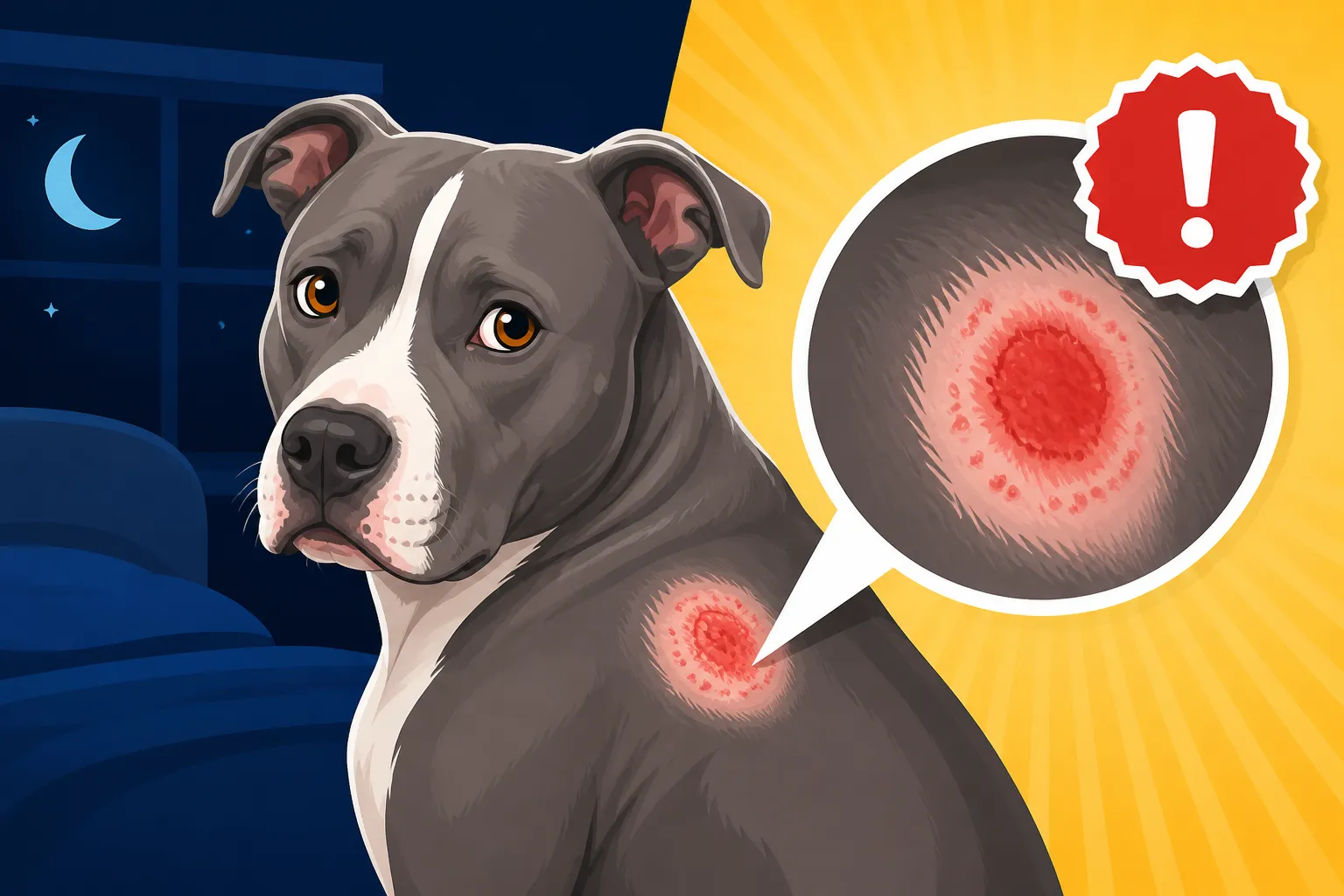
Pit Bull Hot Spots That Appear Overnight
It's incredibly frustrating, isn't it? You tuck your handsome Pit Bull into bed one night, everything seems perfectly normal, and then you wake up to find a red, raw, oozing patch of skin that seems to have appeared out of nowhere. These sudden, angry lesions, commonly known as hot spots, can truly pop up overnight, leaving you wondering what on earth happened and how to make your beloved companion comfortable again. This guide is here to walk you through understanding these irritating skin issues, what causes them to appear so rapidly, how to tackle them head-on, and most importantly, how to prevent them from becoming a recurring nightmare for your Pit Bull.
Understanding the Sudden Onset of Pit Bull Hot Spots
Hot spots, medically known as acute moist dermatitis, are aptly named because they are literally hot to the touch, often moist, and appear as painful, inflamed skin lesions. The "overnight" phenomenon isn't magic, but rather a rapid escalation of a minor irritation into a full-blown problem, often driven by your Pit Bull's relentless scratching, licking, or chewing at an itchy spot. What might start as a tiny flea bite, a patch of pollen irritation, or even a matted bit of fur can, within hours, be exacerbated by your dog into a much larger, more severe lesion.
The Cycle of Itch and Self-Trauma
Imagine a tiny, almost unnoticeable itch on your Pit Bull's skin. Maybe it's a mosquito bite or a stray piece of grass. For most dogs, they'd give it a quick scratch and move on. But for some Pit Bulls, especially those prone to allergies or anxiety, that minor itch becomes an obsession. They lick, chew, and scratch at it incessantly. This intense self-trauma quickly breaks the skin barrier, allowing bacteria normally living on the skin's surface to invade. Once bacteria are introduced, infection sets in, causing more inflammation, more itch, and a viscous cycle of discomfort and further self-mutilation.
The sheer power and determination of a Pit Bull can turn a small irritated area into a significant wound in mere hours. Their strong jaws and diligent licking can strip away fur and damage skin quicker than you'd believe possible. The area becomes swollen, red, and often oozes clear or yellowish fluid, matting the surrounding fur. It's a painful sight, and more importantly, it’s a painful experience for your dog. If you’ve ever wondered why Pit Bull skin allergies start on the feet or develop so quickly, it’s often due to this intense focus on an itchy spot, exacerbated by their natural predisposition.
What Makes Pit Bulls Prone to Rapid Hot Spots
While any dog can get hot spots, Pit Bulls seem particularly susceptible, and often experience severe, rapid onset cases. Part of this stems from their genetic predisposition to various skin sensitivities. Many Pit Bulls are prone to environmental allergies, known as atopy, which can manifest as incredibly itchy skin. You might find yourself dealing with Pit Bull Skin Allergies and the Atopy Pattern. When their immune system overreacts to common allergens like pollen, dust mites, or certain grasses, their skin becomes primed for intense itching.
Their short, dense coats can also play a role. While seemingly easy to care for, this coat type doesn't always offer the best ventilation, especially in humid conditions or if the dog gets wet and isn't thoroughly dried. Moisture trapped against the skin creates an ideal breeding ground for bacteria and yeast, which thrive in warm, damp environments. This can kick off an itch-scratch cycle without much initial external trigger beyond the environmental conditions.
Common Triggers for Overnight Hot Spots
Identifying the underlying trigger is crucial for both treating an existing hot spot and preventing future occurrences. Since hot spots are almost always a secondary issue to an initial irritation, pinpointing that original cause is key.
Fleas and Other External Parasites
Even a single flea bite can initiate a hot spot, especially if your Pit Bull has flea allergy dermatitis. The saliva from a flea bite contains proteins that can cause an intense allergic reaction in sensitive dogs, leading to extreme itching that quickly spirals into a hot spot. It’s not uncommon to find that a "sudden" hot spot was actually triggered by a single flea that managed to get past your regular parasite prevention.
Ticks, mites (like those causing Demodex or Sarcoptic mange), or even mosquito bites can also serve as the initial irritant. Always check your Pit Bull's coat thoroughly, especially after outdoor adventures, for any signs of these unwelcome guests. Consistent, year-round parasite control is your first line of defense here, regardless of whether you’ve seen a flea. This is why Year-Round Parasite Cover for a Pit Bull is so important.
Environmental and Food Allergies
Environmental allergies (atopy) are a huge culprit behind chronic itching in Pit Bulls. These allergies can be seasonal, flaring up with pollen counts, or year-round, caused by indoor allergens like dust mites. The intense itch often starts on the paws, belly, face, or ears, leading to furious licking and scratching. You might notice your Pit Bull paw licking and chewing, or rubbing its face on the carpet long before a full-blown hot spot appears. When this escalates, hot spots are a common outcome.
Food allergies are another common, though often trickier, cause of skin irritation. While typically presenting with more widespread itching, gut issues, or Pit Bull Food Allergy Signs Beyond the Skin, they can definitely contribute to the overall itchiness that makes a Pit Bull more prone to developing a hot spot from a minor trigger. Diagnosing food allergies often involves an eight-week food trial on an itchy Pit Bull, which requires strict adherence to a novel protein or hydrolyzed diet.
Moisture and Poor Air Circulation
Moisture trapped against the skin is a major breeding ground for bacterial and yeast infections, which in turn cause intense itching. This can happen after swimming, bathing without thorough drying, or even during prolonged periods of high humidity. Pit Bulls with skin folds, though less pronounced than some brachycephalic breeds, can develop irritation in those areas if moisture and debris accumulate. Similarly, if your Pit Bull has Pit Bull Ear Infections and What Drives Them, the discharge and moisture can lead to scratching around the ear and head, quickly creating a hot spot behind the ear or on the neck.
Imagine your Pit Bull takes a refreshing swim in the lake, but you don't manage to dry their coat completely around their neck or hindquarters. That dampness, combined with body heat, creates a perfect humid microclimate for bacteria. Your dog might start to feel a mild itch, then lick and chew at it, and boom—a hot spot by morning.
| Common Hot Spot Triggers | Initial Signs | How It Leads to Hot Spot | Prevention Strategies |
|---|---|---|---|
| Fleas/Parasites | Itching, small red bumps, restless | Intense itching leads to self-trauma (licking/chewing) | Year-round parasite control, regular inspection |
| Environmental Allergies | Paw licking, rubbing face, general itchiness | Allergic reaction causes widespread itch, leading to focused self-trauma | Allergy management (medication, bathing, wiping), limit exposure |
| Food Allergies | Generalized itching, GI upset, ear infections | Systemic itchiness makes dog more prone to over-licking any spot | Hypoallergenic diet trial, identify and avoid allergens |
| Moisture Trapping | Damp fur, mild skin irritation, mild odor | Trapped moisture creates bacterial/yeast overgrowth, intense itch | Thorough drying after baths/swimming, regular grooming |
| Minor Injuries | Small cut, scrape, insect bite, matting | Initial minor injury or irritation is then over-licked/chewed | Regular grooming, prompt cleaning of minor wounds, good hygiene |
First Aid and Initial Management for Hot Spots
Once you spot a hot spot, immediate action is crucial to stop the cycle of self-trauma and prevent the infection from spreading. Don't panic; while they look awful, most hot spots can be managed at home initially, with a vet visit scheduled soon after.
Clearing and Cleaning the Area
Your first step is to carefully trim the hair around the hot spot. This is incredibly important. Matted fur traps moisture and bacteria, making the problem worse and hindering healing. Use blunt-nosed scissors or electric clippers with caution to create a clean margin of at least an inch around the lesion. This allows air to circulate and makes it easier to clean and treat. Be extremely gentle, as the skin beneath will be very tender and painful.
Once the hair is cleared, gently clean the area. Use an antiseptic solution like diluted chlorhexidine (found in many pet-specific antiseptic wipes or sprays) or even a mild saline solution. Pat the area dry with a clean cloth or paper towel. Avoid harsh rubbing. The goal is to remove any crust, pus, or debris and leave the area clean and dry. Repeat this cleaning several times a day. For widespread issues, Medicated Baths for a Pit Bull With Atopy can be incredibly soothing and help reduce bacterial and yeast counts on the skin.
Preventing Further Self-Trauma
This is perhaps the most critical step. If your Pit Bull can continue to lick, chew, or scratch the hot spot, it will not heal, and will likely worsen. An Elizabethan collar (e-collar or "cone of shame") is your best friend here. While your dog might hate it, it's essential for their recovery. Keep it on diligently, especially when you can't directly supervise them. Soft cones or inflatable collars can be more comfortable for some dogs, so explore options if the traditional plastic cone is causing too much distress.
For persistent paw licking, consider protective booties or bandages, but ensure they are breathable and don't trap moisture, which could make the situation worse. Remember, the underlying problem won't resolve if the dog is constantly irritating the area.
When to Seek Veterinary Help and Long-Term Prevention
While initial home care is vital, hot spots often require professional veterinary attention, especially if they are large, rapidly spreading, intensely painful, or show signs of deep infection. Don't hesitate to contact your vet.
When to Consult Your Veterinarian
If, after 24-48 hours of diligent home care, the hot spot isn't improving, is growing larger, or your Pit Bull seems to be in more pain, it's time for a vet visit. Signs that warrant immediate veterinary attention include:
- The lesion is getting significantly larger.
- The skin is deeply red, swollen, or unusually firm.
- There's a foul odor coming from the hot spot, suggesting a deeper bacterial or yeast infection.
- Your dog is lethargic, has a fever, or shows other signs of systemic illness.
- The hot spot is located in a sensitive area, like near the eyes, ears, or genitals.
Your veterinarian will likely prescribe oral antibiotics to combat the bacterial infection, anti-inflammatory medications (like corticosteroids) to reduce the itching and swelling, and possibly stronger topical treatments. They might also recommend specific medicated shampoos or sprays. For severe cases, your vet may discuss conditions like Pit Bull Pyoderma and Antibiotic Courses or Yeast Infections in Pit Bull Skin Folds, which often require specific treatments beyond basic hot spot care. Many pet owners find that having comprehensive pet insurance, such as a plan from Healthy Paws, really helps manage these unexpected vet bills, ensuring you can always get your Pit Bull the best care without financial stress.
Long-Term Prevention Strategies
The best way to deal with hot spots is to prevent them from happening in the first place. This involves identifying and managing underlying causes.
1. Consistent Parasite Control: This is non-negotiable. Use veterinary-recommended flea, tick, and heartworm preventatives year-round. Products like Bravecto, NexGard, or Simparica are highly effective.
2. Allergy Management: If your Pit Bull suffers from environmental allergies, work with your vet on a management plan. This might include allergy shots (immunotherapy), oral medications like Apoquel or Cytopoint, regular bathing with soothing shampoos, and wiping down paws after outdoor walks to remove pollen. Managing your Pit Bull's overall allergen load can significantly reduce their itchiness. Regularly cleaning a Pit Bull ear properly can also prevent scratching around the head if allergies are causing ear infections.
3. Regular Grooming and Drying: Brush your Pit Bull's coat regularly to remove loose fur and debris, promoting air circulation. After baths or swimming, always ensure your dog is thoroughly dry, especially in warm, moist areas. Investing in a good pet dryer can be a game-changer. Maintaining a consistent Pit Bull Coat and Skin Care Week to Week routine can also help you spot minor irritations before they escalate.
4. Nutritional Support: A high-quality diet provides the building blocks for healthy skin and a strong immune system. Some owners find that adding Omega Oils for Pit Bull Skin and Coat can help reduce inflammation and improve skin barrier function. Consult your vet before adding any supplements to ensure they are appropriate for your dog. If your vet suspects food allergies, be prepared for An Eight Week Food Trial on an Itchy Pit Bull.
5. Stress and Boredom Management: Sometimes, excessive licking can be a behavioral response to stress, anxiety, or boredom. Ensure your Pit Bull gets adequate physical exercise and mental enrichment to reduce these behaviors. Puzzle toys, training sessions, and plenty of quality time can make a big difference.
By being proactive and attentive to your Pit Bull's skin health, you can often prevent those dreaded overnight hot spots from turning into a recurring issue. Remember, catching any minor itch early and addressing it quickly is your best defense. A robust pet insurance policy, like those offered by Healthy Paws, can provide peace of mind, knowing that if a hot spot or other skin issue does arise, you're covered for the necessary veterinary care.
Disclaimer
Please remember that this guide offers general information and cannot replace professional veterinary advice. If your Pit Bull develops a hot spot or any other health concern, always consult with a qualified veterinarian for an accurate diagnosis and personalized treatment plan.