Spay Timing for a Female Pit Bull
Deciding when to spay your female Pit Bull can feel like navigating a minefield of conflicting advice. You hear everything from "do it early!" to "wait as long as possible!" and it's frustrating because all you want is to do what's best for your beloved companion without risking her health or happiness. This guide is here to cut through the noise, exploring the different viewpoints and helping you understand the factors involved so you can make an informed decision with confidence.
Understanding the "Best" Time to Spay Your Pit Bull
For decades, the standard veterinary recommendation was to spay female dogs around six months of age, often before their first heat cycle. The reasoning was sound: preventing unwanted pregnancies, dramatically reducing the risk of mammary cancer, and avoiding the mess and inconvenience of a heat cycle. Many vets still adhere to this practice, and for good reason, as it offers clear benefits that can't be ignored. However, in recent years, a growing body of research has started to challenge this blanket recommendation, particularly for larger breeds and those prone to certain orthopedic conditions, like our powerful Pit Bulls.
The shift in thinking stems from a deeper understanding of canine development and the critical role hormones play in that process. While early spaying certainly has its advantages, removing the ovaries, which produce essential hormones, can have unintended consequences if done before a dog has fully matured. It's not about saying one timing is "right" and another is "wrong," but rather about recognizing that the "best" time can be much more nuanced and individual than we once thought. For a Pit Bull owner, this means taking a more considered approach, looking at the bigger picture of her long-term health, not just the immediate benefits.
Traditional Versus Modern Recommendations
The traditional view of spaying at six months old was largely driven by a desire to prevent accidental litters and to minimize the risks of mammary tumors, which are significantly reduced when a female is spayed before her first or second heat cycle. For many years, this was the undisputed gold standard, and countless dogs have lived long, healthy lives with this timing. The procedure is typically straightforward at this age, and recovery is often quicker for younger animals.
However, modern veterinary science, aided by extensive research and epidemiological studies, has begun to advocate for delaying spaying in certain breeds. This newer perspective suggests that allowing a dog to go through at least one heat cycle, or even waiting until they are fully mature, can be beneficial for their skeletal and overall development. The idea is that the natural hormones produced during puberty are vital for the proper closure of growth plates in bones and for the maturation of ligaments and joints. Without these hormones, growth plates can remain open longer, potentially leading to disproportionate bone growth and an increased risk of orthopedic issues down the line. It's a complex balancing act, weighing the proven benefits of early spaying against the emerging understanding of potential long-term musculoskeletal health concerns.
The Role of Hormones in Development
Let's talk about those all-important hormones. Estrogen and progesterone, produced by a female dog's ovaries, are not just about reproduction. They play a crucial role in orchestrating a wide range of developmental processes throughout her body. For a growing Pit Bull, these hormones are essential for the healthy development of her musculoskeletal system. They signal the growth plates in her bones to close at the appropriate time, ensuring that her bones develop to their intended length and strength. When these hormones are removed too early through spaying, these growth plates can stay open longer than they should.
This prolonged growth can lead to bones growing slightly longer than they would naturally, which can alter joint angles and biomechanics. Imagine the powerful, athletic build of a Pit Bull; every joint, every ligament, is designed to work in perfect harmony. Any subtle alteration in bone length or joint configuration can place abnormal stress on ligaments and cartilage. This isn't just theory; studies have shown a correlation between early spaying and an increased incidence of certain orthopedic problems. Therefore, for a breed like the Pit Bull, known for its muscular frame and activity levels, allowing these natural hormonal processes to complete their course could be a significant factor in promoting robust, long-term joint health.
Health Considerations and Risks of Spaying at Different Ages
When you're looking at spaying your female Pit Bull, it’s not just about when, but also about the potential health trade-offs at different stages of her life. There’s a lot of talk these days about allowing dogs to mature fully, and for good reason. The decision isn't as simple as it once was, especially when you consider the unique physiology of a Pit Bull. We’re talking about a strong, athletic dog, and ensuring her long-term health means looking at all the angles.
Orthopedic Health and Joint Development
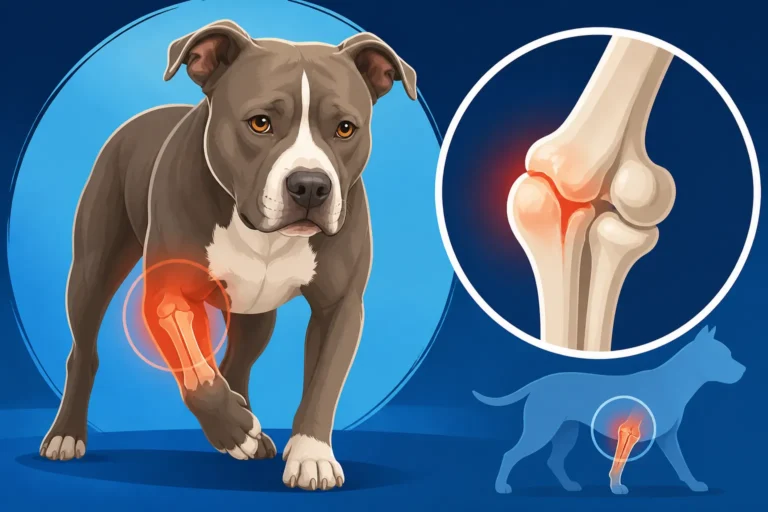
This is perhaps the most significant area where the timing of spaying has garnered intense scrutiny in recent years, particularly for breeds with a predisposition to joint issues, and Pit Bulls are no exception. The hormones released during a dog's natural maturation process, specifically estrogen, play a vital role in the closure of growth plates in their bones. These growth plates are areas of cartilage in growing bones where new bone is formed, eventually hardening and closing as the dog reaches maturity.
When a female Pit Bull is spayed before these growth plates have naturally closed, typically around 12-18 months of age, the absence of estrogen can cause them to remain open for a longer period. This can result in bones growing slightly longer than they otherwise would, leading to altered joint conformation. For example, some studies suggest that early spaying can increase the risk of Cruciate Ligament Tears in a Muscular Pit Bull because the changed geometry of the stifle (knee) joint places more strain on the anterior cruciate ligament. Similarly, while genetics play a huge role, early spaying has been implicated in exacerbating conditions like Pit Bull Hip Dysplasia Showing at One to Two Years by affecting the development of the hip joint. These are serious conditions that can require expensive surgeries and long recovery periods. It's why many owners are now advised to consider delaying spaying until their Pit Bull is closer to or has reached skeletal maturity, often around 18-24 months, to give her the best chance at solid joint health. This kind of preventative thinking can save a lot of heartache (and vet bills!) down the line, though if issues arise, pet insurance providers like Healthy Paws can be a real lifesaver, helping to manage unexpected surgical costs. While male dogs are typically discussed in relation to Whether Early Neutering Harms Pit Bull Joints, the underlying hormonal mechanisms impacting joint development are similar for females.
Cancer Risk and Reproductive Health
Now, let's talk about the big one that historically pushed for early spaying: cancer. There's no denying that spaying a female Pit Bull significantly reduces the risk of certain cancers and eliminates others entirely. The most notable is mammary cancer. Statistics show that females spayed before their first heat cycle have a drastically lower risk of developing mammary tumors – less than 0.5% compared to intact females. The risk increases with each subsequent heat cycle. Spaying also completely eliminates the possibility of ovarian and uterine cancers, which, while less common than mammary tumors, are still a concern.
Beyond cancer, spaying prevents pyometra, a life-threatening uterine infection that can affect unspayed females, particularly as they age. Pyometra is a severe, pus-filled infection that requires emergency surgery and can be fatal if not treated promptly. It’s a silent threat that many owners don't even know exists until their dog is critically ill. So, from the perspective of preventing these serious reproductive health issues, early spaying remains a very strong contender. The decision here becomes a careful weighing of the reduced risk of mammary cancer and pyometra versus the potential, albeit debated, increased risk of certain orthopedic problems or other cancers like osteosarcoma (bone cancer) and hemangiosarcoma, which some studies suggest may be slightly elevated in early-spayed dogs. It's a tough call, and there's no single "right" answer for every dog, emphasizing the importance of individualized veterinary advice. When considering the long-term health risks, it's also worth thinking about how Cancers That Show Up in an Older Pit Bull might impact quality of life and the financial burden, something pet insurance can alleviate.
Behavioral and Urinary Incontinence Considerations
While orthopedic and cancer risks often dominate the spay timing discussion, it’s worth touching on other aspects that can influence a female Pit Bull’s well-being: behavior and urinary incontinence. Hormones play a role in temperament and development, and removing them can, in some cases, have an impact. Anecdotally, some owners report that early spaying might lead to increased shyness or fearfulness in certain individuals, or a slight increase in noise phobias. However, the scientific evidence for a direct, significant link between spay timing and generalized behavioral issues like aggression or fear is still quite mixed and often overshadowed by individual genetics, early socialization, and training. It's less about hormones causing these issues directly and more about how their absence might subtly alter the overall developmental trajectory, potentially affecting how a dog responds to stress or new situations.
Another, more concrete, consideration is urinary incontinence. Studies indicate that early spaying can increase the risk of spay incontinence, where a dog, often a female of certain breeds including Pit Bulls, may leak urine involuntarily, especially when resting or sleeping. This is thought to be due to the lack of estrogen affecting the strength of the urethral sphincter. While manageable with medication, it's certainly an inconvenience and a potential quality-of-life concern. It's not a universal outcome, but it's a known, albeit less common, side effect that deserves consideration when you're weighing the pros and cons of spay timing for your Pit Bull.
Navigating the First Heat Cycle and Beyond
If you decide to delay spaying your female Pit Bull, even just past her traditional six-month mark, you'll need to be prepared for the possibility of her experiencing a heat cycle. This isn't something to dread, but it does require careful management and a solid understanding of what's happening with her body. It’s a natural process, but one that comes with responsibilities, primarily preventing an accidental pregnancy.
Recognizing and Managing a Pit Bull's First Heat
A female Pit Bull typically experiences her first heat cycle (also known as estrus) anywhere from 6 months to 18 months of age, though it can vary. For larger or more muscular breeds, it's not uncommon for them to mature a bit later, sometimes closer to The Age a Pit Bull Finishes Growing around 18-24 months. The signs can be subtle at first, but generally include swelling of the vulva, which might become noticeable, and a bloody discharge. This discharge can range from very light spotting to more significant drips. You might also notice her urinating more frequently or attracting more attention from male dogs, even before you see much discharge. Her behavior might change too; she could become a bit more restless, more affectionate, or even a little agitated.
Managing a Pit Bull in heat requires diligence. The most crucial step is to prevent unwanted pregnancy. This means absolutely no off-leash walks in public areas, even if your yard is fenced, male dogs are incredibly determined when a female is in heat and can find ways in. Consider using "period panties" or dog diapers to manage the mess inside the house. These are a lifesaver for keeping your home clean. You’ll also need to keep her away from intact male dogs for the entire cycle, which usually lasts about three weeks, but her fertile window is typically during the middle of that period. It's a temporary inconvenience, but it's essential for responsible pet ownership.
When to Spay After a Heat Cycle
If you've decided to let your Pit Bull go through one or more heat cycles, the next question is naturally, "When is it safe to spay her after that?" The general veterinary recommendation is to wait approximately two to three months after the end of a heat cycle before scheduling the spay surgery. There are a couple of important reasons for this waiting period.
Firstly, during and immediately after a heat cycle, the uterus is engorged with blood vessels, making the surgery riskier due to increased bleeding. Waiting a few months allows the uterus to return to its normal, non-estrus state, a process known as involution. This makes the surgery less complicated, reduces the risk of excessive bleeding, and can lead to a smoother recovery for your dog. Secondly, waiting allows her hormones to settle down. While the goal might have been to allow her to develop skeletally with the presence of natural hormones, you don't want to perform surgery when those hormones are at their peak or in a state of flux from the recent cycle. Your veterinarian will typically confirm that her uterus has involuted and she's no longer under hormonal influence before proceeding with the surgery, ensuring the safest possible procedure.
Making the Best Decision for Your Female Pit Bull
Ultimately, there's no single, universally "perfect" time to spay every single female Pit Bull. What's right for one dog might not be ideal for another, even within the same breed. It's a deeply personal decision that involves weighing various health factors, your lifestyle, and your dog's individual circumstances. The good news is that by being informed, you're already on the right track to making the best choice for your furry family member.
Consulting Your Veterinarian
This cannot be stressed enough: your veterinarian is your most valuable resource in making this decision. They know your Pit Bull's specific health history, her current condition, and can provide personalized advice based on her breed, size, and your local environment. Don't be afraid to have an open and frank discussion with them about your concerns regarding spay timing. Bring up the points about orthopedic development, cancer risks, and any other specific worries you have.
A good vet will discuss the pros and cons of early versus delayed spaying, taking into account factors like your dog's activity level, any genetic predispositions (if known), and your ability to manage a dog in heat. They can help you understand the specific risks and benefits tailored to your individual dog. For instance, if your Pit Bull is unusually prone to Pit Bull Hip Dysplasia Showing at One to Two Years due to known lineage issues, they might lean towards delaying spay. If your dog has a history of severe allergies that might complicate surgery or recovery, that could also factor into the timing. Remember, their goal is to ensure the healthiest life for your dog, and they have the medical expertise to guide you. Financial considerations for unexpected vet visits, diagnostics, or the surgery itself can also be daunting, so having pet insurance like Healthy Paws in place can provide peace of mind and allow you to focus on your dog's health without undue stress.
Weighing the Pros and Cons
To help you visualize the different aspects, here’s a table summarizing the general pros and cons of early versus later spaying for a female Pit Bull. Keep in mind that these are generalizations, and your veterinarian's specific advice should always take precedence.
| Feature / Timing | Spaying Before First Heat (e.g., 6 months) | Spaying After First Heat or Skeletal Maturity (e.g., 12-24 months) |
|---|---|---|
| Mammary Cancer Risk | Significantly reduced (nearly eliminated) | Reduced, but higher than pre-heat spay |
| Pyometra (Uterine Infection) | Eliminated | Eliminated |
| Unwanted Pregnancy | Eliminated | Requires careful management of heat cycles |
| Urinary Incontinence | Potentially increased risk | Potentially lower risk |
| Orthopedic Issues (e.g., CCL tears, Hip Dysplasia) | Potentially increased risk due to delayed growth plate closure | Potentially lower risk due to natural hormonal development |
| Surgical Risk/Recovery | Generally lower, faster recovery | Potentially slightly higher (larger incision, more blood vessels) |
| Behavioral Impact | Mixed evidence, some anecdotal reports of increased shyness/fear | Mixed evidence, often seen as less impactful on behavior development |
| Coat Changes | Possible "spay coat" (fluffy texture) | Less common or less dramatic |
Long-term Care and Considerations
Once your Pit Bull is spayed, regardless of timing, her care journey continues. You'll need to monitor her post-surgery recovery, ensuring she doesn't lick her incision and gets adequate rest. Beyond the immediate recovery, you'll want to adjust her diet and exercise routine to account for changes in her metabolism. Spayed dogs, without the regulating effects of reproductive hormones, can be more prone to weight gain. This isn’t a given, but it means you need to be more vigilant about her caloric intake and ensure she gets enough physical activity. Pit Bull Obesity and Joint Strain is a serious concern, as extra weight puts undue stress on joints that might already be susceptible to issues.
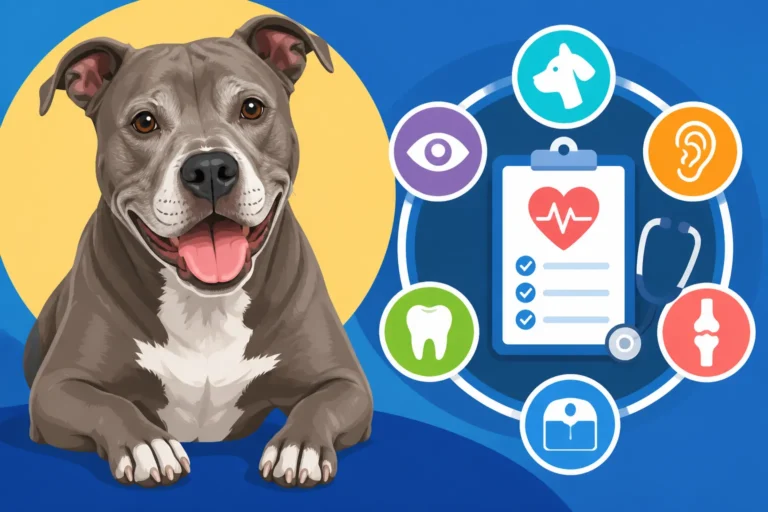
Regular exercise tailored to her age and physical condition is crucial for Getting a Pit Bull Back Into Condition and maintaining a healthy Pit Bull Weight and Muscle on a Working Frame. Keep up with routine vet check-ups; How Often a Ten Year Old Pit Bull Needs Checking will differ from a young adult, but annual exams are vital for detecting any subtle changes, like if A Pit Bull Gaining Weight on the Same Food indicates a metabolic shift. Continuing to provide high-quality nutrition, mental stimulation, and plenty of love will ensure she thrives for many years to come. Remember that even with the best care, unforeseen health issues can arise, and pet insurance from providers like Healthy Paws can continue to offer invaluable support for her ongoing health needs, from routine check-ups to potential specialized care.
Disclaimer
The information provided in this article is for educational purposes only and is not intended to be a substitute for professional veterinary advice, diagnosis, or treatment. Always seek the advice of your veterinarian or other qualified animal health provider with any questions you may have regarding a medical condition or treatment for your pet.