Keeping an Old Pit Bull Comfortable at the End
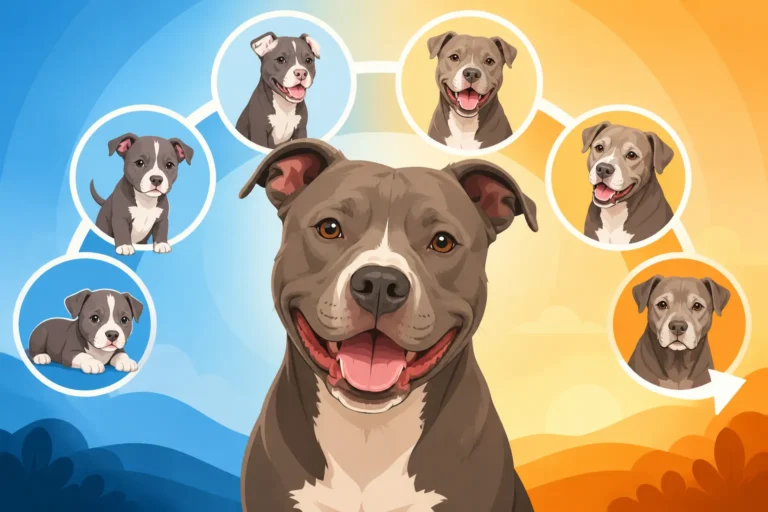
It's incredibly tough watching our beloved Pit Bulls slow down as they reach their golden years. The vibrant energy and zest for life that defined them can subtly fade, replaced by stiffness, confusion, or a dwindling appetite, leaving us heartbroken and unsure how best to help. This guide is here to offer practical, empathetic advice on making those final years as comfortable and joyful as possible for your senior Pit Bull.
Addressing Common Ailments and Pain Management
As our Pit Bulls age, just like us, they become more susceptible to certain health challenges. The key to keeping them comfortable is often early recognition and proactive management of these conditions.
Recognizing Signs of Discomfort
Pit Bulls are incredibly stoic animals, often masking pain until it becomes severe. This means we, as their guardians, need to be extra vigilant for subtle clues. Perhaps you notice your once agile dog hesitates before jumping onto the couch, or takes a little longer to get up after a nap. Maybe their gait is slightly off, a subtle limp that wasn't there before, or they're just not as enthusiastic about their daily walk. Sometimes, the discomfort manifests as irritability or a reluctance to be touched in certain areas. These aren't just "old age" quirks; they can be clear indicators of underlying pain, often stemming from conditions like arthritis or hip dysplasia, which are common in larger, active breeds. Regular veterinary check-ups, even if your dog seems fine, are crucial as they age, as vets can often spot these nascent issues before they become debilitating. Keep an eye out for any changes in their normal behavior, and don't dismiss them.
Medical Interventions for Pain Relief
Once discomfort is identified, there's a lot your veterinarian can do to help manage it. Non-Steroidal Anti-Inflammatory Drugs (NSAIDs) like carprofen or meloxicam are often a first line of defense against arthritic pain and inflammation. While incredibly effective, it's vital to discuss potential side effects and monitor your Pit Bull closely while they are on these medications. Beyond pharmaceuticals, many owners explore alternative therapies that can significantly improve comfort. Acupuncture, for instance, can help reduce pain and improve mobility, while therapeutic laser treatments can target inflammation at a cellular level. Hydrotherapy, or water therapy, can be fantastic for building and maintaining muscle mass without putting undue strain on painful joints, providing gentle exercise. Don't forget the power of good quality joint supplements, often containing ingredients like glucosamine, chondroitin, and omega-3 fatty acids, which can support cartilage health and reduce inflammation. For many Pit Bulls, a combination of these approaches yields the best results. You might also want to look into Joint Support for a Heavily Muscled Pit Bull specifically designed to help their powerful frames.
Managing Chronic Conditions
Senior Pit Bulls can develop a range of chronic health issues, from Pit Bull Heart and Thyroid Conditions to kidney disease or diabetes. Managing these conditions is a marathon, not a sprint, and it requires consistent commitment. Your vet might prescribe a regimen of daily medications, special diets, and regular monitoring through blood tests or ultrasounds. For example, a dog with chronic kidney disease will likely need a prescription diet formulated to reduce the workload on their kidneys, along with medications to manage symptoms and slow progression. It's an ongoing partnership with your veterinary team, and sometimes, seeking advice from a specialist in internal medicine can provide even more targeted strategies. Having a good pet insurance plan, like one from Healthy Paws, can be an absolute lifesaver when facing the recurring costs of managing chronic conditions, allowing you to focus on your Pit Bull's well-being rather than worrying about the bills. Understanding The Bloodwork an Old Pit Bull Should Have regularly can also give you a head start on detecting these issues.
Adapting the Home Environment for Senior Pit Bulls
Their world might be shrinking as their mobility declines, so making their home a haven of comfort and accessibility is paramount. Small changes can make a huge difference in their daily lives.
Enhancing Mobility and Accessibility
Imagine trying to navigate your home with stiff joints or failing eyesight – it would be a challenge, right? The same goes for our senior Pit Bulls. Helping them maintain their independence, even with reduced mobility, is key to their quality of life. Consider investing in sturdy ramps or steps to help them access their favorite couch, bed, or even the car for vet visits. Hardwood or tile floors can become treacherous as they lose grip, so lay down non-slip rugs or runners in high-traffic areas to prevent slips and falls. Elevated food and water bowls can make eating and drinking much more comfortable, as they won't have to bend down as far, which can alleviate strain on their neck and back. And perhaps most importantly, provide them with a truly supportive and comfortable bed. Orthopedic beds with memory foam can relieve pressure points and cushion aching joints, ensuring a restful sleep. These thoughtful additions can be instrumental in providing Pit Bull Mobility Aids in Old Age and preserving their comfort.
Maintaining Hygiene and Comfort
As senior Pit Bulls age, issues like incontinence can become more common. It's not their fault, and it can be a source of stress for both dog and owner. Doggy diapers or washable waterproof pads strategically placed can help manage accidents and keep your home cleaner. Regular, gentle grooming becomes even more important. While their coat might not need as much effort, their nails might not wear down naturally as much as they used to, leading to overgrowth which can make walking painful. Consistent, careful nail trims are essential. If your dog isn't as mobile, they might also need help staying clean, especially after bathroom breaks. Gentle wiping with pet-safe wipes can prevent skin irritation and keep them smelling fresh. It’s all about maintaining their dignity and comfort, even when their bodies aren’t cooperating as they once did.
Creating a Safe and Calm Space
A senior Pit Bull, particularly one with declining senses or cognitive changes, needs a safe and predictable environment. Designate a quiet, comfortable "den" for them away from the hustle and bustle of family life, perhaps a cozy corner with their orthopedic bed. This provides a sanctuary where they can retreat when they feel overwhelmed or just need to rest undisturbed. Be mindful of temperature changes; Whether a Pit Bull Feels Cold in Winter becomes a more pressing concern as they age, and their thinner coats might not offer enough protection. A warm blanket in winter or a cool, shaded spot in summer can make a big difference. If your Pit Bull is starting to experience An Old Pit Bull Losing Sight and Hearing, keep furniture in familiar places and use scents or gentle sounds to guide them. Their world can feel disorienting, and a stable, calm environment offers security and peace of mind.
Nourishment, Hydration, and Appetite Changes
What and how your senior Pit Bull eats and drinks can significantly impact their comfort, energy levels, and overall health. Their nutritional needs change, and their willingness to eat might fluctuate.
Tailoring Diet for Senior Needs
As Pit Bulls enter their senior years, their metabolism often slows down, and their activity levels decrease. This means their calorie requirements generally drop, and continuing to feed them the same amount of their adult food can lead to unwanted weight gain, putting extra strain on their joints. Switching to a senior-specific dog food, like Purina Pro Plan Vibrant Maturity 7+ or Hill's Science Diet Senior, is often a wise choice. These formulas are typically lower in calories but still provide essential nutrients, often with added joint support. However, some senior dogs might actually need more easily digestible protein if they're losing muscle mass, so discuss this balance with your vet. Dental issues are also prevalent in older dogs, and Pit Bull Dental Disease and Hard Chewing can make eating dry kibble painful. If this is the case, consider softening their kibble with water or switching to a softer, wet food that's easier on their teeth and gums. Offering palatable, easy-to-digest foods can also entice a picky senior. Finding the right Senior Pit Bull Food After Ten is a careful balancing act, and your vet is your best resource.
Encouraging Hydration
Hydration is critical for all dogs, but especially for seniors, whose kidney function might be declining, and who might not drink as readily due to discomfort or cognitive changes. Make sure fresh water is always available in multiple locations throughout the house. Consider adding a few drops of low-sodium chicken broth to their water bowl to make it more appealing, or offer pet-safe ice cubes as treats. Sometimes, simply adding a little warm water to their food can increase their fluid intake without them even realizing it. Keep an eye out for signs of dehydration, such as sunken eyes, lethargy, or sticky gums, and if you're concerned, consult your vet immediately. Dehydration can quickly exacerbate other health issues in older dogs.
Managing Decreased Appetite
It can be incredibly distressing when your once food-motivated Pit Bull starts turning up their nose at mealtime. A decreased appetite can be a symptom of various underlying health issues, from dental pain to nausea, or just a natural part of aging. Try offering smaller, more frequent meals throughout the day rather than two large ones. Sometimes, simply warming their food slightly can enhance its aroma and make it more appealing. You can also try adding bland, vet-approved additions like plain cooked chicken or rice to their regular food to spark their interest. If appetite loss is significant or prolonged, it's crucial to consult your veterinarian. They can rule out medical causes, and sometimes, prescribe appetite stimulants or anti-nausea medications to help get your Pit Bull eating again. Healthy Paws pet insurance can help cover the diagnostic tests and medications needed to get to the bottom of and treat appetite issues.
Emotional Support and Quality of Life Assessment
Beyond physical care, the emotional well-being of your aging Pit Bull is incredibly important. Providing continued affection, maintaining routines, and ultimately assessing their quality of life are crucial aspects of their end-of-life care.
The Importance of Continued Affection and Routine
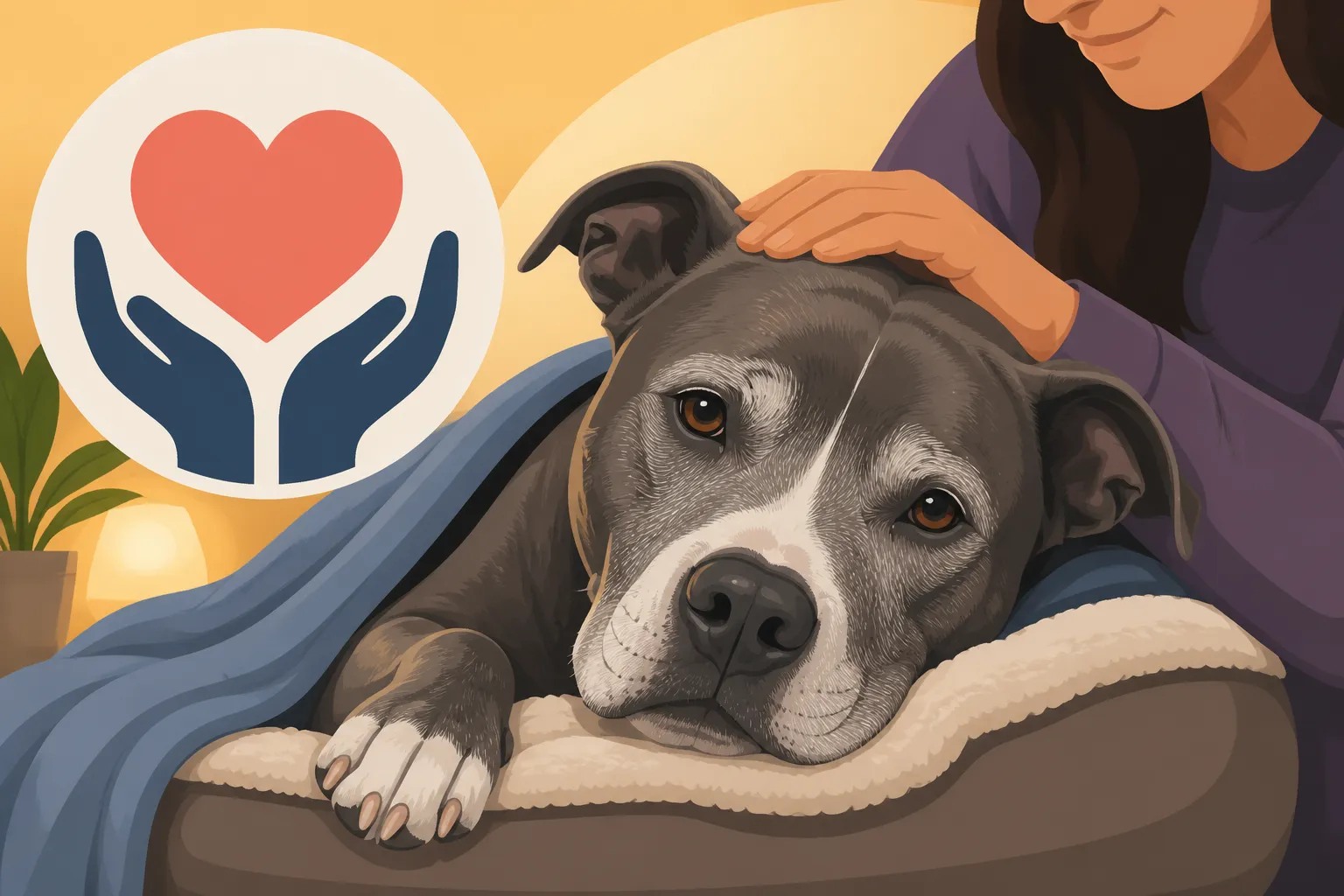
Even as their bodies slow down, your senior Pit Bull still craves your love and companionship. Gentle petting, quiet cuddles on the couch, or simply sitting near them can provide immense comfort and reassurance. Maintain as much of their regular daily schedule as possible; predictability can be very comforting for an aging dog, especially if they are experiencing some cognitive decline. While intense exercise might be out of the question, short, gentle walks tailored to their ability are still beneficial for their mental stimulation and physical well-being. A slow stroll around the block or some quiet time in the yard can be just what they need. Your presence and consistent routine remind them they are loved and secure, which can significantly boost their spirits during a challenging time.
Recognizing Cognitive Decline
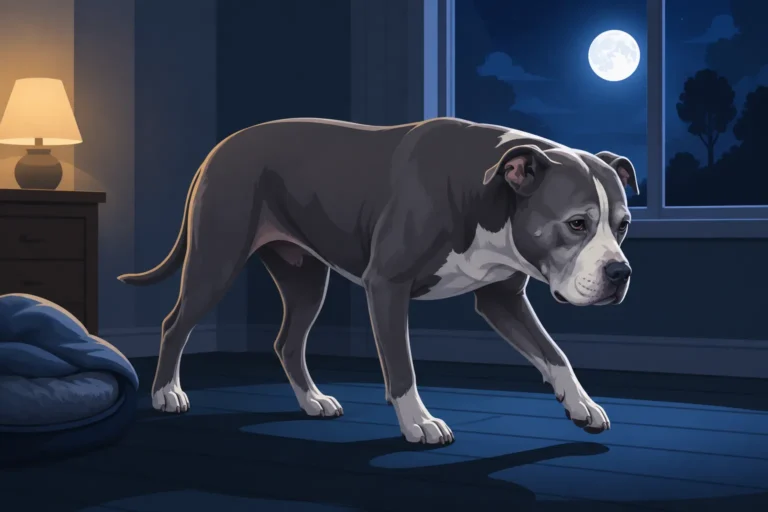
It's common for older dogs, including Pit Bulls, to experience some degree of cognitive dysfunction, often likened to canine dementia. Signs can range from mild to severe and might include A Pit Bull Confused in Rooms It Knows, staring blankly at walls, pacing aimlessly, altered sleep-wake cycles (like pacing at night), or house-soiling in previously clean dogs. While it's heartbreaking to witness, there are ways to help. Continue with gentle mental enrichment appropriate for their age, such as simple scent games or puzzle toys that don't require too much physical exertion. Keeping their environment consistent, as discussed earlier, can also reduce confusion. Your veterinarian might also suggest specific medications, such as selegiline, or supplements designed to support brain health and potentially slow the progression of cognitive decline.
Evaluating Quality of Life
This is arguably the hardest, most gut-wrenching part of caring for an aging pet. There comes a point where we have to honestly assess their quality of life, not just for ourselves, but for them. A common framework to help with this evaluation involves considering several key factors: Hurt (is their pain manageable?), Hunger (are they eating enough?), Hydration (are they drinking?), Hygiene (can they stay clean?), Happiness (do they still enjoy things?), Mobility (can they move around?), and finally, are there "More Good Days Than Bad?" It's a deeply personal decision, and there's no right or wrong answer, but it's one you should make in close consultation with your veterinarian, who can offer an objective medical perspective, and your trusted family and friends. When that difficult time inevitably comes, remember that making The Hardest Call a Pit Bull Owner Makes is an act of profound love and compassion, freeing them from suffering. Pet insurance, like Healthy Paws, can also provide peace of mind by covering the expenses of end-of-life care, allowing you to prioritize comfort. It's important to know How Often a Ten Year Old Pit Bull Needs Checking to keep on top of their health during this period.
Senior Pit Bull Comfort Checklist
Here's a quick overview of key areas to focus on for your aging Pit Bull's comfort:
| Area of Concern | Potential Signs | Comfort Solutions |
|---|---|---|
| Pain & Mobility | Stiffness, limping, reluctance to move | NSAIDs, joint supplements, ramps, orthopedic beds, non-slip rugs |
| Diet & Appetite | Weight loss/gain, difficulty eating, pickiness | Senior-specific food, wet food, elevated bowls, appetite stimulants |
| Hydration | Lethargy, sticky gums, infrequent drinking | Multiple water bowls, water in food, broths, vet check for kidney issues |
| Cognitive Function | Confusion, pacing, house-soiling, altered sleep | Consistent routine, safe space, mental enrichment, vet-prescribed medications |
| Hygiene | Accidents, matted fur, overgrown nails | Doggy diapers, waterproof pads, regular grooming, professional nail trims |
| Emotional State | Withdrawal, irritability, restlessness | Gentle affection, predictable routine, quiet den, warmth and security |
| Environmental | Slipping, struggling with stairs, temperature sensitivity | Ramps, rugs, cozy bedding, proper temperature control |
Disclaimer
This article is intended for informational purposes only and does not constitute veterinary advice. Always consult with a qualified veterinarian for any health concerns or before making any decisions about your Pit Bull's care.