Anesthesia and Muscle Mass in a Pit Bull
It’s a natural worry for any Pit Bull owner: what happens when your powerfully built, heavily muscled companion needs surgery or a procedure requiring anesthesia? Many of us fret about how their unique physique might affect everything from drug dosage to recovery. This guide aims to demystify anesthesia for Pit Bulls, explaining the specific considerations and empowering you to have informed conversations with your veterinarian to ensure the safest possible outcome for your beloved dog.
Understanding Why Muscle Mass Matters for Anesthesia
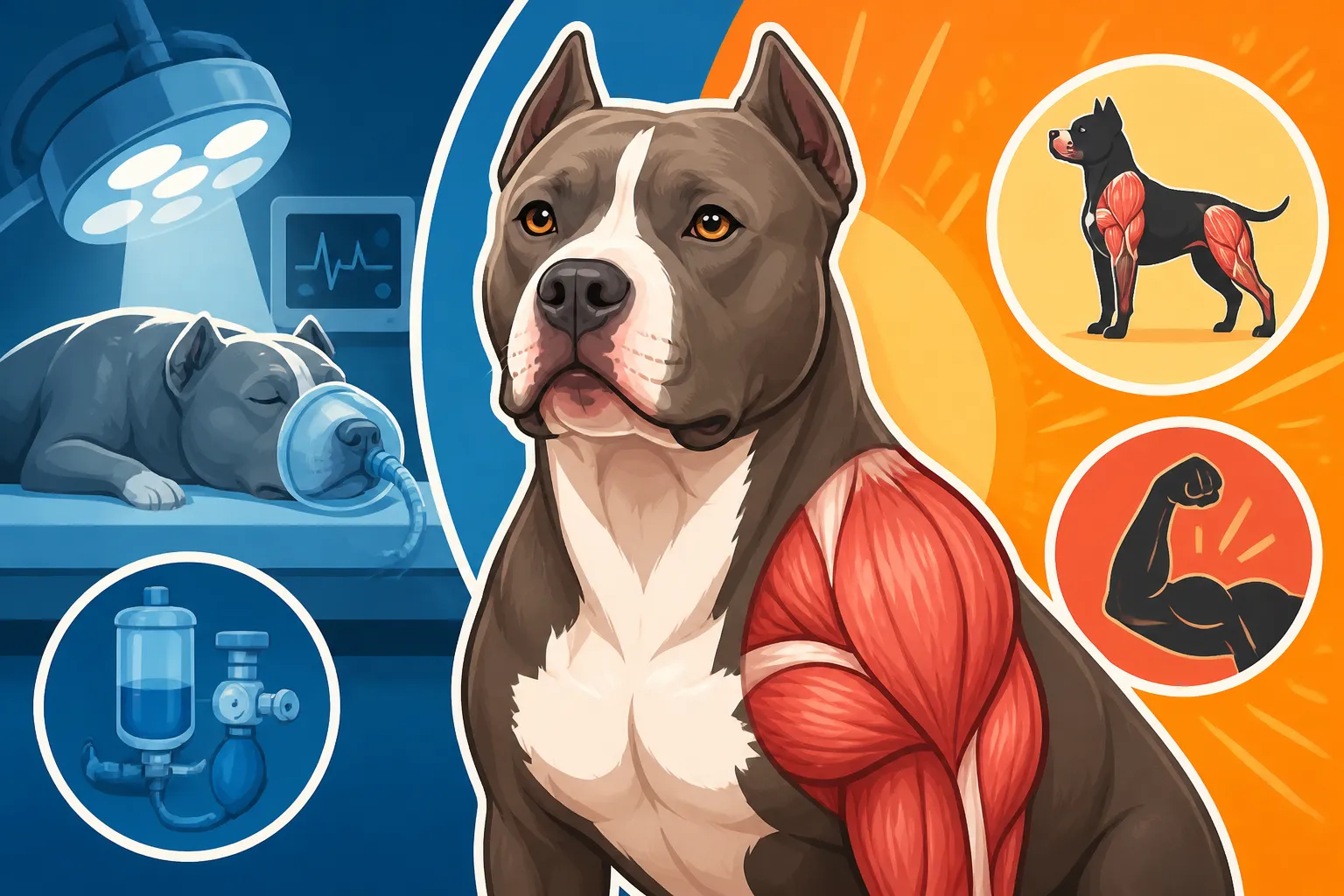
When your veterinarian talks about anesthesia, it’s not a one-size-fits-all approach. Every dog is an individual, and a Pit Bull’s distinct build – often characterized by significant lean muscle mass and relatively lower body fat compared to some other breeds – introduces specific factors that vets take into account. It's not just about their weight on the scale; it's about what that weight is composed of.
Drug Distribution and Metabolism in a Muscular Dog
Anesthetic drugs, once administered, travel through the bloodstream and are distributed throughout the body's tissues. The way these drugs are stored, metabolized, and eliminated can be profoundly influenced by a dog's body composition. For instance, many common anesthetic agents are lipid-soluble, meaning they tend to accumulate in fatty tissues. In an overweight dog, these drugs might linger in fat stores, leading to a slower wake-up process as the drugs slowly release back into the bloodstream. This can sometimes translate to a longer, groggier recovery period.
Conversely, a Pit Bull with high lean muscle mass and low body fat presents a different scenario. With less fat to act as a reservoir, the initial distribution of certain drugs to target tissues like the brain can be rapid. However, the elimination of these drugs, primarily through the liver and kidneys, might also be relatively efficient if those organs are healthy. This means a veterinarian might need to carefully adjust the initial dosage and subsequent maintenance doses, sometimes finding that a dose calculated purely on body weight might be higher than what a lean Pit Bull actually requires. The goal is always to achieve the desired level of anesthesia without over-sedation or prolonged effects. It highlights the importance of precise dosing and continuous monitoring, as every milligram matters for these powerful dogs.
Cardiovascular Considerations and Breathing
While Pit Bulls are generally known for their robust health and athletic capabilities, including strong cardiovascular systems, their muscular build can still impact breathing under the influence of sedatives and anesthesia. The sheer bulk of their chest and neck muscles can, in some cases, make breathing a bit more physically demanding when the dog is deeply relaxed and their muscles are flaccid. This isn't usually an issue when they're wide awake and in control, but under anesthesia, the muscles supporting respiration are depressed.
For longer procedures or those requiring deep anesthesia, adequate ventilation is paramount. Vets will often intubate Pit Bulls to ensure a clear, open airway and may use a ventilator to assist their breathing, particularly if the surgical position or length of the procedure might compromise respiratory function. It's a proactive measure to prevent any issues. Furthermore, some Pit Bull types might have shorter muzzles or narrower airways, which, while not typically problematic when alert, could pose a minor challenge during sedation. This makes vigilant monitoring of oxygen saturation and carbon dioxide levels absolutely critical. Understanding Pit Bull Heart and Thyroid Conditions can also be important, as any pre-existing issues could further complicate cardiovascular and respiratory responses to anesthesia.
Pre-Anesthetic Protocols for Your Pit Bull
The cornerstone of a safe anesthetic experience for any dog, and especially for a Pit Bull, is thorough preparation. This isn't just a formality; it’s a detailed assessment designed to identify any potential risks before anesthesia even begins, allowing the veterinary team to tailor their approach specifically for your dog.
Comprehensive Health Assessment
Before a Pit Bull goes under anesthesia, a comprehensive health assessment is absolutely non-negotiable. This process often starts with a detailed physical examination, where your vet will check everything from their heart and lung sounds to their overall body condition. It’s crucial to distinguish between a healthy, lean physique and an overweight condition, as even under a muscular exterior, a Pit Bull can be carrying excess fat, which would change the anesthetic plan. This is where topics like Pit Bull Weight and Muscle on a Working Frame become incredibly relevant.
Beyond the physical exam, pre-anesthetic blood work is a vital step. This typically includes a complete blood count (CBC) to check for anemia, infection, or other blood cell abnormalities, and a chemistry panel to assess organ function, particularly the liver and kidneys. These organs are responsible for metabolizing and eliminating anesthetic drugs from the body. If there are any underlying issues, the vet can adjust drug choices and dosages to minimize strain. For older Pit Bulls, or those with suspected heart conditions, additional diagnostics like chest X-rays, an electrocardiogram (EKG), or even an echocardiogram might be recommended to get a full picture of their cardiac health. Being transparent about What a Pit Bull Health History Should Cover with your vet provides invaluable context.
Tailoring the Anesthesia Plan
Armed with a complete health profile, your veterinary team can then craft an individualized anesthesia plan for your Pit Bull. This isn't about using a standard dose for a 60-pound dog; it’s about choosing the right combination of drugs at the right concentrations for your 60-pound Pit Bull. Many vets will opt for a multimodal approach, using a combination of pre-medications (sedatives and pain relievers administered before the main anesthetic) to relax the dog and reduce the amount of general anesthetic needed.
The choice of anesthetic agents will consider your Pit Bull’s specific health status. For instance, some drugs might be preferred for their rapid onset and offset, allowing for more precise control over the depth of anesthesia and a smoother recovery. Local anesthetic blocks are often used for surgical sites to provide targeted pain relief, meaning less systemic pain medication is required during and after the procedure. Intravenous fluid therapy is also routinely administered to maintain blood pressure and hydration, which is crucial for kidney function and drug elimination. This thoughtful, layered approach minimizes risks and enhances comfort, setting the stage for a smoother experience.
Monitoring and Recovery for Muscular Pit Bulls
Once your Pit Bull is under anesthesia, the real-time monitoring and careful management of their vital signs become the vet team’s top priority. Their muscular build and robust nature mean that subtle changes might not be immediately obvious, necessitating a vigilant approach to ensure safety and a smooth transition back to consciousness.
Vigilant Intraoperative Monitoring
During anesthesia, your Pit Bull will have a dedicated team member continuously monitoring their vital signs. This isn't just a quick glance; it's a constant, detailed assessment using sophisticated equipment. Parameters such as heart rate, respiratory rate, blood pressure, body temperature, and oxygen saturation (measured with a pulse oximeter) are tracked moment-by-moment. Many clinics also use capnography, which measures the carbon dioxide exhaled, providing direct insight into respiratory efficiency.
For a muscular dog like a Pit Bull, this vigilant monitoring is especially critical. Their powerful build can sometimes mean they're good at masking early signs of distress. For example, a slight drop in blood pressure might be harder to detect without a cuff, or subtle changes in breathing might be less obvious than in a smaller, frailer dog. Therefore, the veterinary team relies on a combination of technology and experienced observation to ensure the anesthesia is maintained at the correct depth, vital functions are supported, and any changes are addressed immediately. They'll also ensure your dog stays warm using warming blankets, as anesthesia can cause a drop in body temperature.
Below is a table summarizing key parameters monitored during anesthesia and their typical healthy ranges for adult dogs.
| Parameter | What it Measures | Normal Range (Adult Dog) | Why it's Important for Anesthesia |
|---|---|---|---|
| Heart Rate (HR) | Beats per minute | 60-120 bpm (under anesthesia) | Indicates cardiovascular function and depth of anesthesia |
| Respiratory Rate (RR) | Breaths per minute | 8-20 breaths/min | Reflects lung function and CO2 exchange |
| Oxygen Saturation (SpO2) | Percentage of hemoglobin saturated with oxygen | 95-100% | Ensures adequate oxygen delivery to tissues |
| Body Temperature | Core body temperature | 99.5-102.5°F (37.5-39.2°C) | Prevents hypothermia, which prolongs recovery |
| Blood Pressure (BP) | Force of blood against arterial walls | Systolic: 90-160 mmHg; Diastolic: 50-90 mmHg; Mean: 60-120 mmHg | Essential for organ perfusion and overall stability |
| End-tidal CO2 (ETCO2) | Carbon dioxide in exhaled breath | 35-45 mmHg | Direct measure of ventilation and respiratory health |
Post-Anesthesia Care and Managing Complications
The recovery phase after anesthesia is just as important as the preparation and the procedure itself. As your Pit Bull starts to wake up, they’ll be kept in a quiet, warm area where they can be continuously observed. The veterinary team will watch for signs of a smooth emergence – that means not waking up too quickly and becoming agitated, nor staying sedated for too long. They'll monitor for any residual effects of the drugs, such as dysphoria (a confused or distressed state), shivering, or delayed pain response.
For a muscular Pit Bull, ensuring comfort during recovery is key. While their strong build might make them seem resilient, they can still experience pain or discomfort just like any other dog, especially after procedures like Pit Bull Joint and Ligament Injuries. Pain management will continue, often with oral medications to take home. Your vet will provide specific instructions on how to manage their post-operative care, including feeding schedules, activity restrictions, and what signs to watch for that might indicate a complication. This might include excessive lethargy, vomiting, refusal to eat or drink, or discomfort at the incision site. Knowing the typical Aftercare Costs for a Fifty Pound Pit Bull can also help owners prepare for the full scope of their dog's recovery journey.
Working with Your Veterinarian for Best Outcomes
Ultimately, ensuring a safe anesthetic experience for your Pit Bull is a team effort. Your role as an advocate for your dog, combined with the expertise of a trusted veterinary team, is what will lead to the best possible outcome.
Open Communication and Advocate for Your Dog
One of the most powerful tools you have as a Pit Bull owner is open and honest communication with your veterinarian. Don't be afraid to ask questions, no matter how small they seem. Inquire about the specific anesthetic protocol they plan to use, what monitoring equipment will be employed, and who will be overseeing your dog's recovery. If your Pit Bull has ever had a reaction to sedation in the past, or if you have any concerns about specific health issues like Pit Bull Obesity and How to Spot It Under Muscle, share that information readily.
It's also worth seeking out a veterinarian or veterinary practice with extensive experience handling muscular breeds like Pit Bulls. While all vets are trained in anesthesia, some clinics might have more specialized equipment or protocols for larger, more athletic dogs. Finding a vet who is not only skilled but also comfortable and experienced with your dog's breed can make a significant difference. Remember, you know your Pit Bull best, and your insights into their normal behavior and temperament are invaluable to the veterinary team. A good starting point is to look for a vet comfortable with Finding a Vet Comfortable With Pit Bulls.
Financial Planning for Anesthetic Procedures
We all know that veterinary care can be costly, and procedures involving anesthesia, especially with the advanced monitoring and pre-anesthetic testing recommended for Pit Bulls, can add up quickly. It's an unfortunate reality that sometimes financial constraints can force difficult decisions about care. However, planning ahead can alleviate some of this stress.
Discussing the estimated costs with your vet beforehand will help you understand the financial commitment. Many clinics offer itemized estimates, breaking down the costs of exams, blood work, the anesthesia itself, monitoring, surgery, and post-operative medications. This is also where pet insurance can be a lifesaver. Companies like Healthy Paws offer various plans that can cover a significant portion of unexpected veterinary bills, including those for accidents, illnesses, and procedures requiring anesthesia. Having a good pet insurance policy like those discussed under Pit Bull Pet Insurance and Breed Exclusions can give you peace of mind, allowing you to focus on getting your Pit Bull the best care without worrying solely about the price tag. Exploring options like vet credit cards or payment plans offered by your clinic can also be beneficial when facing expenses such as Pit Bull Surgery Costs From Hips to Teeth. Being prepared financially ensures that when your Pit Bull needs critical care, you can choose the best options available without hesitation.
Disclaimer
The information provided in this article is for general informational purposes only and is not a substitute for professional veterinary advice. Always consult with a qualified veterinarian for any health concerns or before making any decisions related to your pet's health and treatment.