Whether a Pit Bull Feels Cold in Winter
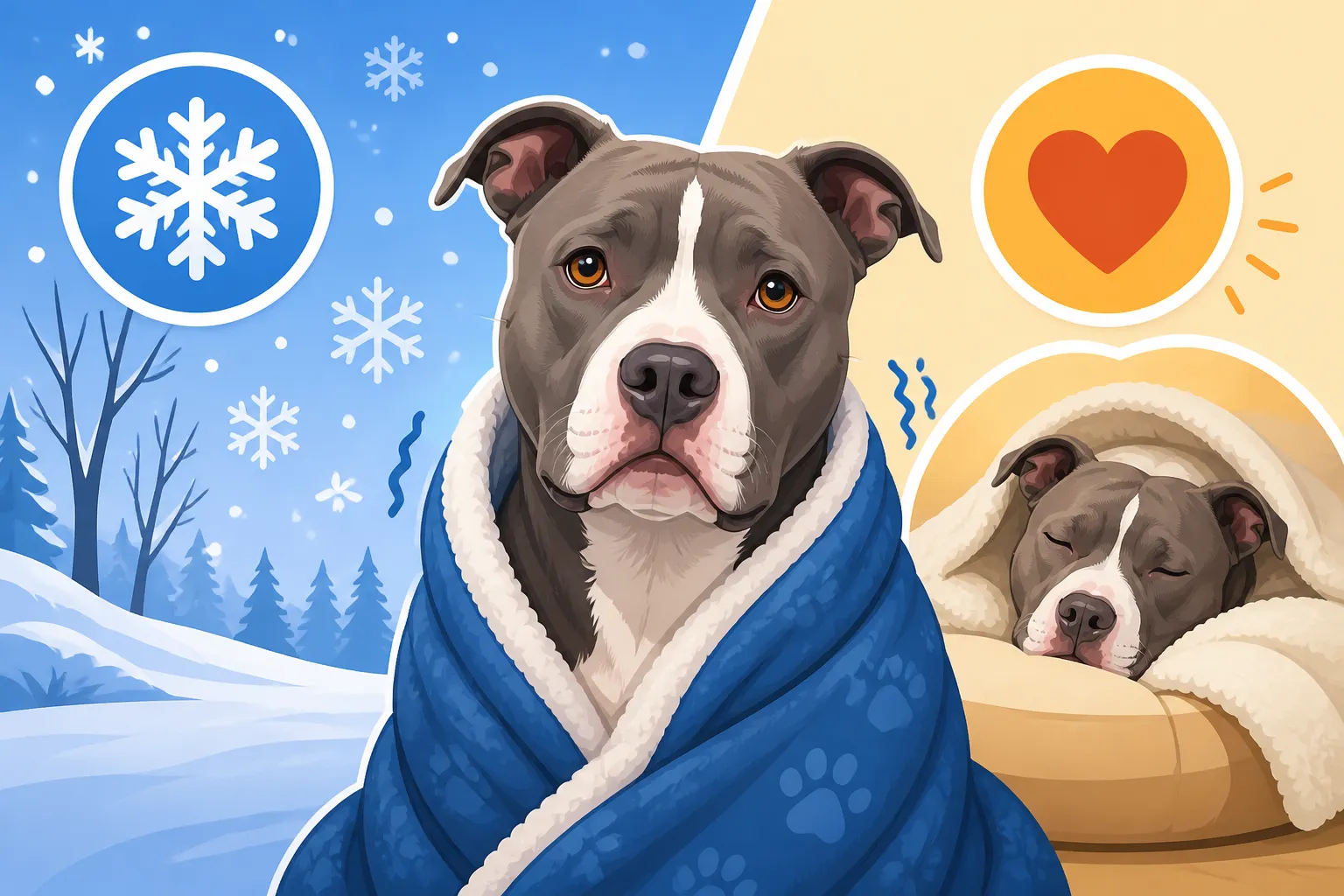
It’s a common sight: you’re bundled up in your thickest jacket, scarf, and gloves, and you look down at your short-coated Pit Bull, shivering slightly and maybe even lifting a paw. It makes you wonder, does my strong, muscular companion really get cold? The answer is a resounding yes, and it’s a valid concern for any Pit Bull owner. Unlike some breeds, Pit Bulls aren't naturally equipped for harsh winter conditions, and understanding their unique vulnerabilities is key to keeping them safe and comfortable when temperatures drop.
Understanding Why Your Pit Bull Feels the Chill
Many people assume that because Pit Bulls are so robust and powerful, they must be impervious to cold. But the truth is, their physical characteristics, which we often admire, actually make them quite susceptible to chilly weather. It's not just about looking tough; it's about actual physiological insulation.
The Short Coat and Lack of Undercoat
One of the biggest factors in a Pit Bull's vulnerability to cold is their coat. They typically have a single layer of short, stiff hair that lies close to their body. This might feel sleek and smooth to the touch, but it offers minimal insulation. Think about wearing a thin t-shirt versus a thick wool sweater in winter – the difference is enormous. Breeds like Huskies or German Shepherds have thick, double coats with a dense undercoat designed to trap warm air and repel moisture, acting like a natural down jacket. Your Pit Bull, on the other hand, lacks this crucial underlayer.
This absence means that cold air and moisture can penetrate directly to their skin, making them lose body heat much more rapidly. On a blustery day, that short coat might as well be nonexistent for all the protection it provides against biting winds. Even on days that feel only slightly cool to you, your Pit Bull might be experiencing a significant chill.
Body Fat, Metabolism, and Muscle Mass
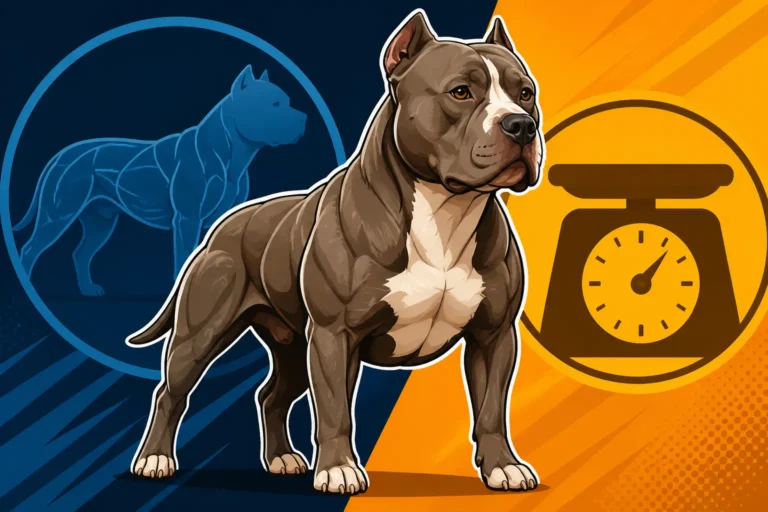
While Pit Bulls are known for their impressive musculature and often appear lean and athletic, this doesn't automatically equate to superior cold tolerance. Body fat, specifically subcutaneous fat, acts as an insulator. While a very lean Pit Bull in peak condition, as we discuss in Pit Bull Weight and Muscle on a Working Frame, might have less insulating fat, an overweight Pit Bull might also struggle due to other health issues despite carrying more fat.
Their metabolism also plays a role. A dog’s body generates heat as it processes food and maintains bodily functions. However, if the external temperature is too low, the body struggles to keep up, and core temperature can begin to drop. While active movement helps generate heat, a Pit Bull standing or sitting in the cold for extended periods will expend more energy just trying to stay warm. This is especially true for older dogs or those with underlying health conditions, where their metabolic efficiency might be compromised.
Recognizing the Signs Your Pit Bull is Too Cold
Knowing why your Pit Bull gets cold is one thing, but being able to spot the signs is absolutely critical. Our dogs can't tell us in words that they're freezing, so we need to be vigilant and interpret their body language and physical cues. Catching these early can prevent more serious problems like hypothermia.
Subtle Indicators of Discomfort
Often, the first signs your Pit Bull is getting too cold are subtle and easy to miss if you’re not paying close attention. They might start to shiver, even if it's just a slight tremble at first. This is their body’s natural attempt to generate heat through muscle contractions. You might also notice them hunching their back, tucking their tail tightly, or holding their paws up off the cold ground, trying to minimize contact.
They may become reluctant to continue a walk, slow their pace, or actively try to turn back towards home. Some Pit Bulls might seek shelter behind your legs or try to burrow into you, looking for warmth. Their ears, if floppy, might feel colder than usual to the touch, and their nose might feel drier. If your Pit Bull starts exhibiting any of these behaviors, it's a clear signal that it's time to get them indoors or provide more warmth. Don't push them to stay out longer just because you feel okay.
When It Becomes Dangerous: Hypothermia
If the cold exposure continues and your Pit Bull’s body temperature drops too low, they can develop hypothermia – a serious and potentially life-threatening condition. This isn't just "being cold"; it's when their body's systems start to shut down due to extreme cold.
Signs of mild hypothermia include persistent shivering, lethargy, and a general lack of coordination. As it progresses to moderate hypothermia, shivering may stop altogether, their muscles will become stiff, breathing might become shallow and slow, and their heart rate can decrease. Their gums might appear pale or bluish. In severe cases, they may become unresponsive, collapse, and lose consciousness. This is an absolute emergency. If you suspect your Pit Bull is suffering from hypothermia, wrap them in warm blankets (not hot, as rapid warming can cause shock), apply warm (not hot) water bottles to their chest and belly, and get them to an emergency veterinarian immediately. Prompt action can be the difference between life and death. Having pet insurance from a provider like Healthy Paws can help cover the unexpected costs of such emergencies.
Practical Strategies for Keeping Your Pit Bull Warm
Once you understand your Pit Bull's susceptibility and can recognize the signs of cold, the next step is to implement practical strategies to keep them warm and safe throughout the winter months. This goes beyond just throwing a blanket on them when they shiver.
Choosing the Right Winter Gear
Investing in appropriate winter gear is one of the most effective ways to protect your short-coated Pit Bull from the cold. It’s not about fashion; it’s about function and necessity.
- Coats and Sweaters: For milder cold or indoor wear, a sweater can add a layer of warmth. However, for outdoor excursions in truly cold or wet weather, a well-fitting, insulated, and waterproof coat is essential. Look for coats that cover your Pit Bull's chest and belly, as these areas are particularly vulnerable to cold. Brands like Hurtta, Ruffwear, and Gold Paw Series offer excellent options designed for durability and warmth. A proper coat should allow full range of motion without restricting their powerful stride. We talk more about whether a Pit Bull needs clothing in winter in Whether a Pit Bull Needs Clothing in Winter.
- Booties: The pads of a Pit Bull's paws are tough, but they are still vulnerable to extreme cold, ice, snow, and de-icing chemicals. Booties provide a protective barrier. They might take some getting used to, so start with short wear sessions indoors before heading outside. Ensure they fit snugly but aren't too tight, and check for rubbing. Good paw care is vital year-round, as discussed in Pit Bull Paw Pad Injuries on Hard Ground.
Here’s a quick comparison of common winter gear options:
| Gear Type | Best Use | Key Features | Pros | Cons |
|---|---|---|---|---|
| Sweater | Mild cold, indoor warmth | Soft fabric, pullover style | Comfortable, good for minor chills | Offers minimal outdoor protection, not waterproof |
| Coat | Moderate to severe cold, wet conditions | Insulated, waterproof/water-resistant outer layer, often has belly coverage | Excellent warmth and weather protection | Can be bulky, some dogs resist wearing them |
| Booties | Cold ground, ice, snow, salt | Durable sole, waterproof materials, secure fasteners | Protects paws from frostbite and chemicals | Can be tricky to fit, some dogs refuse to wear them |
| Snood/Scarf | Very cold or windy conditions | Fleece or knitted fabric, covers neck and ears | Adds extra warmth to vulnerable areas | Can be easily pulled off or become a choking hazard if not secured |
Safe Indoor and Outdoor Management
Managing your Pit Bull's environment during winter is just as important as their wardrobe.
- Limit Outdoor Exposure: On extremely cold days, especially when temperatures dip below freezing or wind chill is significant, keep outdoor potty breaks brief. Avoid prolonged walks or playtime outside. If it’s too cold for you to stand outside comfortably, it’s too cold for your Pit Bull.
- Warm Bedding: Ensure your Pit Bull has a warm, comfortable place to sleep indoors, away from drafts. Elevated beds can help keep them off cold floors, and a thick, soft blanket or a self-warming dog bed can provide extra coziness.
- Check for Drafts: Walk around your home and feel for drafts coming from windows or doors. Cold air seeping in can make even an indoor space uncomfortable for your dog, especially if their bed is in a drafty spot.
- Supervised Outdoor Play: If your Pit Bull is eager to play outside, opt for shorter, more frequent sessions rather than one long outing. Keep them moving to generate body heat, but always monitor for signs of cold.
Nutritional Adjustments and Hydration
While not a replacement for proper warmth, nutrition plays a supporting role in your Pit Bull’s ability to withstand cold.
- Calorie Needs: Highly active Pit Bulls who spend more time outdoors might burn extra calories trying to stay warm. If your dog is particularly active in winter, you might consider a slight increase in their food intake, but only after consulting with your vet to avoid unhealthy weight gain, especially considering potential issues like Pit Bull Obesity and Joint Strain. For most indoor Pit Bulls, no significant change is needed.
- Hydration: Always ensure your Pit Bull has access to fresh, unfrozen water, both indoors and out. Dehydration can exacerbate the effects of cold. If they spend any time outside, consider a heated water bowl to prevent freezing.
Tailoring Winter Care for All Life Stages
The general guidelines for keeping Pit Bulls warm apply across the board, but specific age groups – puppies and seniors – have heightened vulnerabilities and require extra vigilance. Their ability to regulate body temperature isn't as robust as that of a healthy adult Pit Bull.
Puppies and Seniors
- Pit Bull Puppies: Just like human infants, puppies are not as efficient at regulating their body temperature. They have less body fat, and their internal systems are still developing. A Pit Bull puppy should have very limited outdoor exposure in cold weather. Potty breaks should be quick and supervised, and they should wear appropriate clothing even for short stints outside. Indoor warmth, soft bedding, and consistent feeding are paramount for their health and development. Owners should be extra cautious, as cold exposure can make them more susceptible to illnesses.
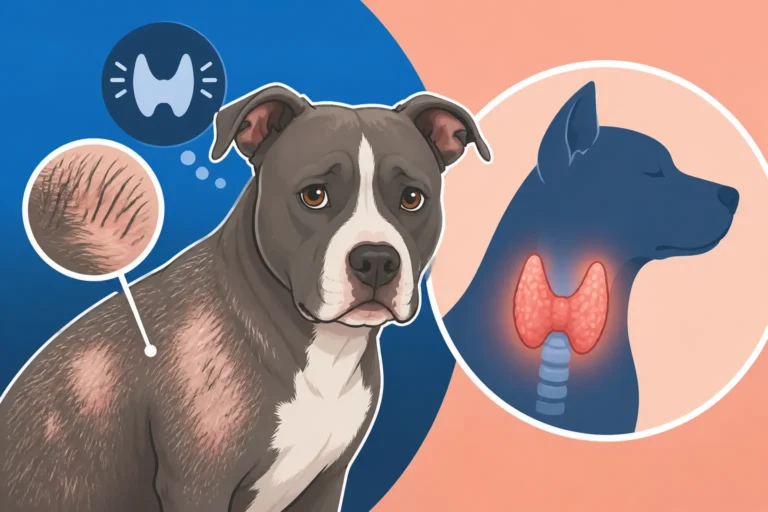
- Senior Pit Bulls: Older Pit Bulls, especially those entering their second decade as discussed in Caring for a Pit Bull in Its Second Decade, often have compromised immune systems, reduced muscle mass, and chronic conditions like arthritis, which can be made significantly worse by cold and damp weather. Joint pain can become more severe, making them reluctant to move, which further reduces their ability to generate heat. Keep senior Pit Bulls in warm, draft-free areas with orthopedic bedding. Short, gentle walks in warm clothing are usually better than extended outdoor activity. Discuss with your vet if any medication adjustments or supplements, like those for joint health, might be beneficial in colder months. Underlying conditions such as Pit Bull Heart and Thyroid Conditions can also impact an older dog's ability to tolerate cold.
Exercising Safely in Winter
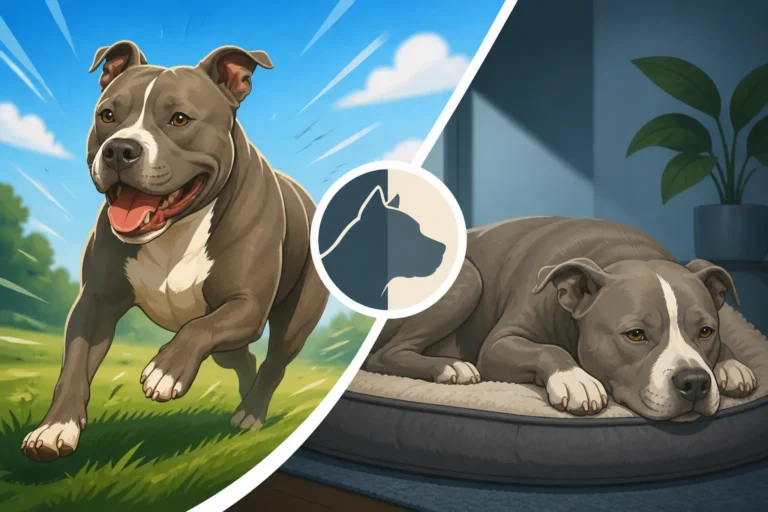
Exercise is vital for a Pit Bull’s physical and mental health, as detailed in Pit Bull Exercise for a Powerful Athletic Dog, but winter requires a thoughtful approach to ensure safety and comfort.
- Shorter, More Frequent Walks: Instead of one long walk, consider multiple shorter walks throughout the day. This reduces prolonged exposure to cold while still allowing them to stretch their legs and relieve themselves.
- Avoid Icy and Slippery Surfaces: Ice and packed snow can lead to slips, falls, and potential injuries like cruciate tears (a common concern for muscular breeds, as noted in Cruciate Ligament Tears in a Muscular Pit Bull). Stick to cleared paths as much as possible.
- Check Paw Pads: Even with booties, always inspect your Pit Bull's paw pads after walks. Ice can accumulate between their toes, leading to irritation or frostbite. Rock salt and other de-icing chemicals can also cause burns or be toxic if ingested, so wipe their paws thoroughly with a warm, damp cloth.
- Indoor Enrichment: On days when it’s simply too cold or stormy to go outside, engage your Pit Bull with indoor games and puzzle toys. Scent work, fetch in a hallway, or learning new tricks can provide mental and physical stimulation without the risk of cold exposure. This is also a good time to ensure your pet is up to date on their annual check-ups, so if anything unexpected arises, like a sudden illness due to the cold, you can rely on your Healthy Paws pet insurance policy.
Taking these proactive steps will ensure your beloved Pit Bull remains happy, healthy, and warm, even when winter shows its coldest bite.
Disclaimer
Please remember that this article is intended for informational purposes only and is not a substitute for professional veterinary advice. Always consult with a qualified veterinarian regarding your Pit Bull's specific health concerns, especially in emergencies or if you suspect they are suffering from hypothermia or other serious conditions.