Heat Tolerance in a Short-Coated Pit Bull
It’s a sweltering summer day, and you're looking at your energetic Pit Bull, wondering just how much heat they can really handle before it becomes dangerous. Despite their tough-guy image and short, seemingly low-maintenance coats, Pit Bulls can be surprisingly susceptible to overheating. This guide is here to walk you through everything you need to know about your short-coated Pit Bull's heat tolerance, helping you understand the risks, recognize the signs of trouble, and implement practical strategies to keep your beloved companion safe and cool when the temperatures soar.
Understanding Your Pit Bull's Natural Heat Regulation
When the mercury climbs, our Pit Bulls don't exactly have the luxury of stripping off a layer or sweating like we do. Their primary way of cooling down is through panting, which releases heat and evaporates moisture from their tongues and respiratory tracts. But there's more to their heat tolerance than just their panting mechanism and coat length.
The Role of Their Short Coat and Skin
While it might seem like a short coat would be an advantage in hot weather, it’s not always as simple as that. Unlike breeds with thick double coats that can actually provide insulation against both cold and heat, a Pit Bull's sleek, single coat offers minimal protection from intense sun exposure.
Think about it: that beautiful, close-lying coat, especially on dogs with lighter pigmentation, can leave their skin quite vulnerable. Just like us, Pit Bulls can get sunburned, particularly on sensitive areas like their nose, ear tips, and belly. Sunburn not only causes discomfort but can also lead to more serious skin issues over time. Moreover, with less fur to trap a layer of cooler air close to their body, radiant heat from the environment can transfer more directly to their skin. It's a bit of a double-edged sword; while they might not carry a heavy insulating layer, they also lack the protective barrier that denser coats provide against direct sun.
Factors Beyond the Coat: Build and Snout Length
Beyond their coat, a Pit Bull's unique physical characteristics play a significant role in how well they handle heat. Their muscular, often stocky build means they generate a lot of internal heat during exercise, and that dense muscle mass also retains heat more readily than a leaner, less muscled frame. Imagine a heavily muscled athlete working out in the heat – they'll often overheat faster than someone with a lighter build, even if their clothes are the same. This is particularly relevant when considering the kind of exercise they get. If you’re pushing your dog during a run, you need to be extra mindful of Building Pit Bull Fitness Safely to prevent overheating.
While Pit Bulls are generally considered mesocephalic (medium-nosed), some lines or individual dogs might have slightly shorter snouts, which can impact their ability to cool down efficiently. Breeds with very short muzzles, like Bulldogs, struggle immensely in the heat because their respiratory passages are compressed, making panting less effective. While Pit Bulls aren't typically in this extreme category, any compromise in their breathing ability, even subtle, can reduce their heat dissipation.
Age and underlying health conditions also weigh heavily on heat tolerance. A spry, healthy young Pit Bull will generally handle heat better than a senior dog who might have a Heart Disease in a Pit Bull or other age-related issues. Dogs with conditions like Pit Bull Obesity and Joint Strain will also struggle more, as carrying extra weight increases their exertion and internal heat production. Even something as common as Pit Bull Skin Allergies and the Atopy Pattern can make them more irritable and less tolerant of discomfort in the heat, compounding the stress. It’s crucial to consider the whole picture of your dog’s health when planning activities in warm weather.
Recognizing the Early Warning Signs of Heat Stress
It’s easy to think a dog is just "tired" or "lazy" when they slow down in the heat, but often, these are critical early warnings that their body is struggling to cope. Being able to spot these signs quickly can be the difference between a minor cool-down and an emergency vet visit.
Subtle Indicators You Might Miss
The earliest signs of heat stress are often subtle, easily brushed off if you’re not paying close attention to your Pit Bull's specific behaviors and energy levels. One of the most common initial indicators is excessive panting. Of course, dogs pant when they're hot, but pay attention to the intensity and duration. Is it faster, deeper, and more persistent than typical post-exercise panting? Is their tongue hanging out further than usual, perhaps appearing wider and more flattened?
Another tell-tale sign is increased drooling. As they pant more, they produce more saliva, which might appear thicker or stringier. Their gums might also look redder than their usual healthy pink, indicating increased blood flow as their body tries to dissipate heat. A dog that is starting to overheat will often seek out shade or try to lie down on a cool surface, even refusing to continue a walk or play session. They might seem a bit lethargic or less responsive than usual. It’s important to acknowledge these changes immediately; don’t push them to "just finish the walk" or "one more throw of the ball."
Table: Recognizing Early vs. Urgent Heat Stress Signs
| Indicator | Early / Mild Heat Stress | Urgent / Severe Heatstroke |
|---|---|---|
| Panting | Persistent, heavy, louder than normal | Extremely rapid, shallow, distressed panting, gasping |
| Gums | Brighter red, slightly tacky | Bright red initially, then purple/grey (cyanotic), dry |
| Drooling | Increased, thicker saliva | Profuse, foamy saliva |
| Energy/Behavior | Lethargy, seeking shade, slowing down, reluctance to move | Stumbling, disorientation, muscle tremors, collapse, seizure |
| Body Temperature | Elevated (often 103-104°F) | Dangerously high (105°F+) |
| Other Symptoms | Mild weakness | Vomiting, diarrhea (possibly bloody), rapid heart rate |
Urgent Symptoms Requiring Immediate Action
If those subtle signs are missed, or if the heat exposure is severe, your Pit Bull can quickly progress to full-blown heatstroke, which is a medical emergency. At this stage, the symptoms become much more alarming and demand immediate veterinary intervention.
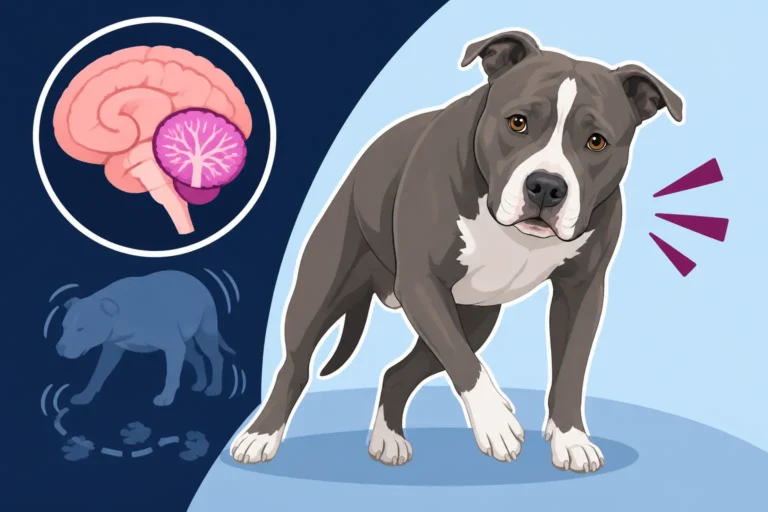
You might notice your Pit Bull stumbling, staggering, or appearing disoriented, bumping into things or looking generally confused. Muscle tremors can start, and their coordination might completely fail, leading to collapse. Their panting will become extremely labored, almost like gasping for air, and their eyes might appear glazed over. Vomiting and diarrhea are also common in severe cases, sometimes even containing blood as their internal organs begin to shut down. In the most critical situations, they might have seizures or lose consciousness entirely.
If you observe any of these urgent symptoms, you need to act fast. Get your dog into the coolest possible environment immediately – an air-conditioned car, a cool basement. Begin cooling them down with cool (not ice-cold) water, focusing on their paw pads, armpits, and groin area. Use wet towels if available. And most importantly, get them to an emergency veterinary clinic right away. Time is of the essence. Don't waste precious minutes trying to get their temperature perfectly normal at home; the goal is to start cooling and get professional help. Many pet owners find that having pet insurance, like a policy from Healthy Paws, can be a huge relief in these stressful situations, helping cover the often substantial costs of emergency care. The speed of response is critical, and knowing you’re financially supported can remove a significant barrier to getting immediate help. For more about critical situations, refer to Emergency Signs That Cannot Wait in a Pit Bull.
Practical Strategies for Keeping Your Pit Bull Cool
Once you understand the risks and can spot the signs, the next step is proactive prevention. Keeping your Pit Bull safe in the heat involves smart planning, adjusting routines, and utilizing effective cooling methods.
Adjusting Exercise Routines and Outdoor Play
One of the most straightforward ways to protect your Pit Bull is to be smart about when and how they exercise. Those intense midday walks or rigorous fetch sessions in the park need to be completely off the table when temperatures are high.
Instead, shift your outdoor activities to the coolest parts of the day. This usually means very early in the morning, right as the sun comes up, or late in the evening after the sun has set and the pavement has had a chance to cool down. Remember, asphalt and concrete can get scorching hot, reaching temperatures that can burn Pit Bull Paw Pad Injuries on Hard Ground long before the air temperature feels truly oppressive to us. A good rule of thumb is if it's too hot for you to comfortably hold your hand on the pavement for five seconds, it's too hot for your dog's paws. Consider taking your dog for The Daily Exercise a Pit Bull Actually Needs during these cooler periods.
During peak heat, keep outdoor activities short and low-intensity. A quick potty break is fine, but avoid anything that encourages them to run or exert themselves heavily. If your Pit Bull is usually very active, this might mean finding alternatives for Indoor Enrichment for a Pit Bull. Puzzle toys, indoor training sessions, or scent work can burn mental energy and provide stimulation without risking overheating. Remember that Working a Pit Bull Through a Hot Summer requires careful thought about conditioning and heat acclimation.
Providing Hydration and Cooling Aids
Constant access to fresh, cool water is non-negotiable. Always have a full bowl available inside, and if you're out and about, bring a portable water bottle and collapsible bowl. Even a short walk can necessitate a water break. Hydration is key to their body's ability to regulate temperature.
Beyond just drinking, there are many tools available to help cool your Pit Bull:
- Cooling Vests and Bandanas: These typically contain gels or materials that absorb and slowly release coolness. They can be particularly effective because they target areas with major blood vessels, helping to cool the blood circulating through their body.
- Cooling Mats: These mats are often gel-filled and activated by pressure, providing a cool spot for your dog to lie down on indoors or in a shaded outdoor area.
- Wading Pools: For Pit Bulls who enjoy water, a shallow kiddie pool filled with cool water can be a fantastic way to beat the heat. Supervise them closely, especially if they are new to water, but many love to splash and lie down in the refreshing water. Just make sure to introduce it gently and never force them. If you’re interested in specific products, look for Cooling Gear for a Short-Coated Pit Bull to find the best options.
If an emergency vet visit becomes necessary due to heatstroke, having pet insurance from a reputable provider like Healthy Paws can significantly alleviate financial stress, allowing you to focus purely on your dog's recovery. These unexpected medical bills can be astronomical, and insurance offers a vital safety net.
Creating a Safe Indoor Environment
Your home should be a sanctuary from the heat, especially for your Pit Bull. If you have air conditioning, keep it running on warm days. If not, strategically placed fans can help circulate air and create a breeze, but remember that fans primarily cool by moving air over a wet surface (like our sweating skin). They're less effective for dogs who cool primarily through panting, but they can still make a difference in comfort.
Ensure your Pit Bull always has access to cool, shady spots, whether that's a tiled floor in the bathroom or a designated corner away from windows where the sun streams in. Closing blinds or curtains on the sunniest side of the house can also help keep indoor temperatures down.
Perhaps the most crucial rule: Never, ever leave your Pit Bull in a parked car, even for "just a few minutes" with the windows cracked. The temperature inside a car can skyrocket to deadly levels in a matter of minutes, even on a seemingly mild day. It’s a tragic, preventable situation that happens far too often. Even on days that seem only moderately warm, the greenhouse effect in a car is incredibly powerful and dangerous. This absolute rule is paramount for their safety.
Common Misconceptions and Proactive Measures
The strong, resilient image of a Pit Bull can sometimes lead to misunderstandings about their vulnerability, especially when it comes to environmental factors like heat. Let's debunk some myths and focus on ongoing care.
Debunking Myths About Pit Bulls and Heat
It's common to hear things like, "Oh, their short coat means they're fine in the heat!" or "Pit Bulls are tough dogs, they can handle anything." These beliefs, while well-intentioned, can be dangerous. As we've discussed, a short coat offers little protection against direct sun and doesn't magically enhance their ability to pant away excessive heat. In fact, their dense muscle mass and often darker coat colors can make them more susceptible to overheating during exertion.
Another misconception is that if they aren't complaining, they must be fine. Dogs are masters at hiding discomfort and pain, and sometimes by the time they show obvious signs of distress, they are already well into a dangerous stage of heatstroke. This is why proactive measures and constant vigilance are so important. Don't wait for your Pit Bull to tell you they're too hot; anticipate it based on the weather conditions and their activity level. For instance, if your Pit Bull has a Hypothyroidism and a Thinning Pit Bull Coat, their ability to regulate temperature might also be affected, making them more vulnerable. It’s important to treat your Pit Bull like the individual they are, with their own unique physiology and health considerations, rather than relying on generalized breed stereotypes.
Health Checks and Preventative Care
Staying on top of your Pit Bull's overall health is a vital preventative measure against heat-related illnesses. Regular vet check-ups ensure that any underlying conditions that could impact their heat tolerance – such as heart conditions, respiratory issues, or being overweight – are identified and managed. Your vet can provide tailored advice based on your dog’s specific health profile.
Maintaining a healthy weight is also crucial. An overweight Pit Bull, while still looking muscular, will struggle significantly more in the heat. Extra fat acts as an insulating layer, trapping heat in their body and making cooling more difficult. Discuss Pit Bull Obesity and How to Spot It Under Muscle with your vet to ensure your dog is at an ideal body condition. Proper nutrition, like understanding How Often a Pit Bull Should Eat and getting the right balance, plays a big part in this.
Being prepared for emergencies is another key part of preventative care. This includes knowing the location of your nearest 24-hour emergency vet clinic and having their number readily available. As mentioned before, pet insurance, such as a comprehensive plan from Healthy Paws, can be an invaluable asset. It provides peace of mind, knowing that if your Pit Bull experiences a serious heat-related illness or any other unexpected health crisis, the financial burden won't prevent them from getting the best possible care. Many owners find that having this type of coverage allows them to make health decisions based on what's best for their dog, rather than what they can afford in a crisis. Knowing your dog's baseline behavior and health, and being proactive, will give your short-coated Pit Bull the best chance to thrive, even when the temperatures climb.
Disclaimer
The information provided in this article is for general informational purposes only and is not a substitute for professional veterinary advice. Always consult with a qualified veterinarian for any health concerns or before making any decisions related to your pet's health and treatment.