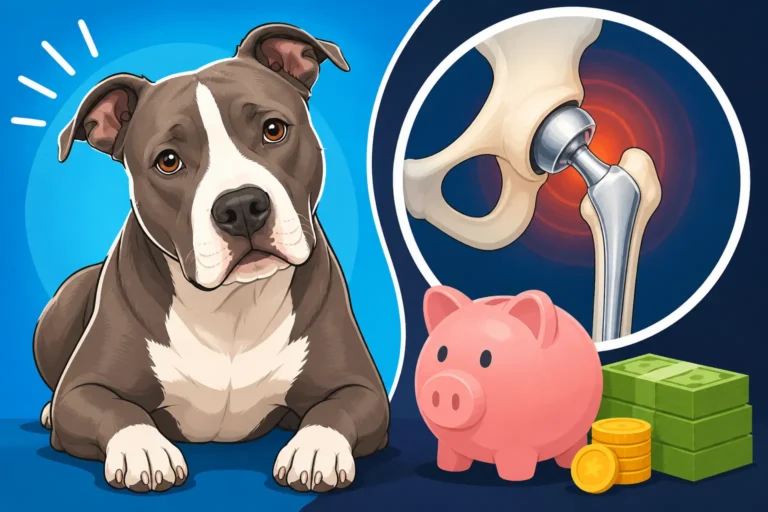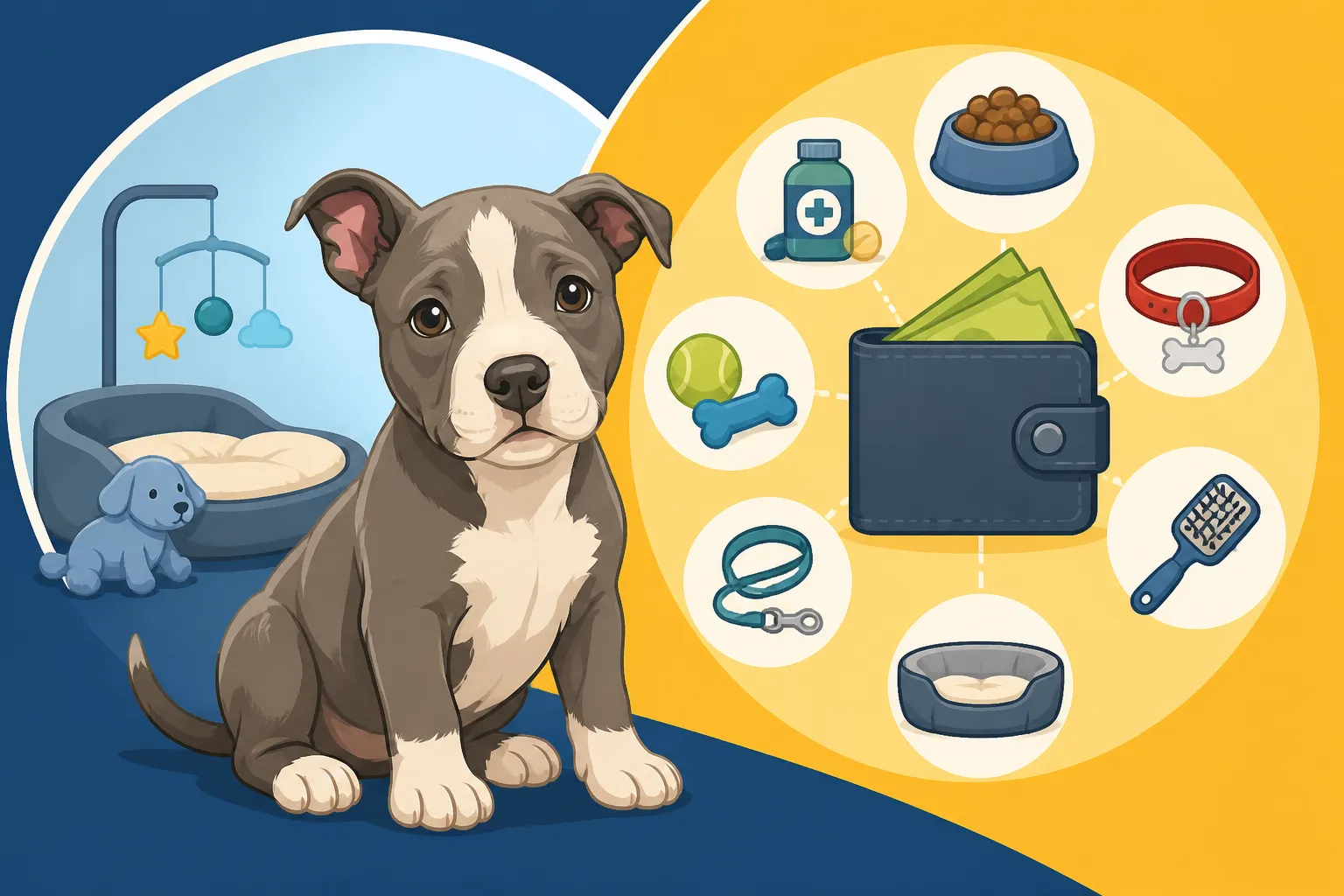
What One Pit Bull Costs From Eight Weeks On
Bringing a Pit Bull into your life is an incredibly rewarding experience, but let's be honest, the excitement often overshadows the practical realities of pet ownership, especially when it comes to the costs involved. Many new owners, full of love and good intentions, find themselves blindsided by expenses they hadn't anticipated, leading to stress and difficult choices down the line. This comprehensive guide is here to shed light on every financial aspect of owning a Pit Bull, from the moment you bring them home at eight weeks old through their golden years, ensuring you can budget effectively and provide the best life possible for your beloved companion.
The Initial Investment: Bringing Your Pit Bull Home
The moment you decide to welcome a Pit Bull into your family, the financial journey truly begins. This initial phase involves more than just the adoption fee or purchase price; it includes all the immediate necessities, from setting up their living space to their first critical veterinary visits. Understanding these upfront costs is crucial for a smooth transition for both you and your new furry family member.
Adoption Versus Breeder Costs
One of the first big decisions you'll make is where your Pit Bull will come from, and this significantly impacts your initial outlay. If you choose to adopt from a shelter or rescue, like the ASPCA or a local humane society, the fees can range anywhere from $150 to $500, sometimes even higher in certain regions. These fees often include a significant amount of value, such as spaying or neutering, initial vaccinations, microchipping, and sometimes even a starter bag of food or a basic leash and collar. While it might seem like a substantial sum, it's actually a fantastic deal when you consider the cost of these services if paid for individually at a veterinary clinic.
On the other hand, purchasing from a reputable breeder, particularly for a well-bred American Pit Bull Terrier or American Staffordshire Terrier with health clearances and a strong lineage, will be a much more significant investment. Prices can easily start from $1,000 and go upwards of $3,000 or even more, depending on the breeder's reputation, the dog's pedigree, and the region. While some might scoff at these prices, a responsible breeder invests heavily in health testing their breeding stock for genetic conditions common in the breed, providing early socialization, and ensuring the puppies are raised in a clean, stimulating environment. They often provide extensive support and a health guarantee, which can offer peace of mind, though it comes at a premium. Before you commit, it's always wise to research What a Pit Bull Costs to Adopt or Buy thoroughly.
First-Month Essentials and Setup
Once your Pit Bull is on their way home, you'll need to have a whole host of essentials ready to go. Think about a sturdy crate for house-training and safety; a good quality, escape-proof crate for a growing Pit Bull can easily cost $100-$300. You'll need food and water bowls, a comfortable bed (preferably one that can withstand enthusiastic chewing!), a leash and collar or harness, and plenty of toys. Since Pit Bulls are strong chewers, investing in durable toys that won't be destroyed in five minutes is key, and these can run $10-$30 each. You might also want to pick up some grooming tools like a brush, nail clippers, and dog-specific shampoo.
Beyond the physical items, consider safety measures. Puppy-proofing your home by securing electrical cords, removing toxic plants, and blocking off dangerous areas will involve some initial setup. This might mean baby gates ($20-$80 each) or specific storage solutions. Don't forget training treats, potty pads (especially for young puppies), and enzymatic cleaners for inevitable accidents. This initial shopping spree for all the new gear can quickly add up to another $300-$700 in your first month alone, depending on your choices and how much you already have on hand. Many people turn to online retailers like Chewy for their wide selection and competitive prices on these types of supplies.
Initial Vet Care and Vaccinations
Bringing home a new puppy means a series of crucial veterinary visits that are non-negotiable for their health and your peace of mind. For a young Pit Bull puppy, you're looking at multiple rounds of vaccinations, deworming treatments, and a microchip. The initial vet visit will typically involve a thorough physical exam to ensure your puppy is healthy, and this alone can be $50-$150. Then come the vaccine series for distemper, parvovirus, adenovirus, parainfluenza, and rabies. Each set of shots usually costs between $20-$60, and puppies typically need 2-3 rounds, often spread a few weeks apart.
If your puppy hasn't been spayed or neutered yet, that's another significant cost to factor in, usually ranging from $200-$500, although some rescues include this in their adoption fee. Microchipping, which is vital for identification if your dog ever gets lost, can cost an additional $30-$70. Factor in the cost of initial flea, tick, and heartworm prevention, which often starts around $15-$30 per month. All told, these first few months of veterinary care can easily set you back $400-$800, even if your adoption fee covered some of it. It’s worth reading up on Pit Bull Puppy Vaccination and Parvovirus to understand the full schedule and why each shot is so important.
Ongoing Monthly and Annual Expenses: Keeping Your Pit Bull Healthy and Happy
Once the initial flurry of bringing your Pit Bull home settles, you'll enter the phase of regular, predictable expenses. These are the costs that continue throughout your dog's life, covering everything from what they eat to how often they visit the vet for routine check-ups. Staying on top of these will ensure your Pit Bull maintains optimal health and happiness.
Food and Nutrition
The largest recurring cost for most Pit Bull owners is food. These are muscular, active dogs, and they need a high-quality diet to maintain their physique and energy levels. The cost can vary dramatically based on the brand, ingredients, and whether you choose kibble, wet food, or a fresh-food diet. A good quality dry kibble can cost anywhere from $40-$80 per 30-pound bag, and a large Pit Bull might go through one bag every 3-5 weeks. This means you could spend $500-$1000 annually on kibble alone. When considering Feeding a Muscular Fifty Pound Pit Bull, remember that not all foods are created equal, and price often reflects ingredient quality.
If your Pit Bull develops allergies or sensitivities, you might need to invest in limited ingredient diets or prescription foods, which can be significantly more expensive, sometimes running over $100 per bag. Fresh food delivery services, like Ollie, have gained popularity for their perceived health benefits, but these often come with a premium price tag, potentially $70-$150 per week, or even more, depending on your dog's size and caloric needs. Don't forget treats for training and enrichment; while small, these can add up to $10-$30 per month. Given the breed's propensity for specific health issues, investing in good nutrition from the start can pay dividends in fewer vet bills down the line.
Routine Veterinary Care and Preventatives
Even the healthiest Pit Bull needs regular veterinary care. An annual wellness exam, typically costing $50-$150, is essential to catch any potential issues early. During this visit, your vet will likely recommend annual booster vaccinations for certain diseases, which can add another $20-$60 per vaccine. A fecal exam to check for intestinal parasites and a heartworm test are also standard, usually costing $25-$50 each. These routine check-ups are paramount, even if your dog seems perfectly healthy, as they help ensure their long-term well-being.
Year-round parasite prevention is non-negotiable in most climates. Heartworm medication, often combined with flea and tick prevention, typically costs $15-$40 per month, depending on your dog's weight and the specific product. This comes out to $180-$480 annually. Remember that skipping these preventatives, even for a few months, can expose your Pit Bull to serious and potentially life-threatening diseases that are far more expensive to treat than they are to prevent. It's truly an investment in their health. Learn more about Year-Round Parasite Cover for a Pit Bull to make an informed decision about the best protection for your dog.
Grooming and Basic Supplies
Pit Bulls generally have short coats and don't require extensive professional grooming, which can save you a fair bit compared to owners of long-haired breeds. However, regular home care is still necessary. You'll need dog shampoo and conditioner (if desired), a soft brush, nail clippers or a grinder, and ear cleaner. These supplies might cost $5-$20 each, but they last a while, so expect to replenish them every few months or annually for around $50-$100 per year. Routine bathing every few weeks helps keep their skin healthy and reduces shedding, while regular nail trims prevent painful overgrowth and potential paw issues.
Beyond grooming, basic supplies like replacement leashes, collars, or harnesses will be needed over time. Pit Bulls are strong, and their gear takes a beating, so anticipate needing new ones every year or two, costing $20-$70 each. Beds often need replacing, especially if your Pit Bull is a chewer or just loves to burrow, so factor in another $50-$150 annually for a durable, comfortable bed. And of course, toys! While you might buy a few durable ones upfront, they will eventually wear out or get lost, requiring replacements. These ongoing minor expenses often get overlooked but collectively contribute to your annual budget.
Training and Socialization: Investing in a Well-Adjusted Pit Bull
Training and socialization are not just "nice-to-haves" for a Pit Bull; they are absolutely essential investments in their future well-being and your peace of mind. Due to breed stereotypes and their inherent strength, Pit Bulls benefit immensely from consistent, positive training and broad exposure to the world around them. These efforts translate into a confident, polite companion and can head off behavioral issues that might otherwise lead to costly interventions.
Puppy Classes and Advanced Training
Starting with puppy classes is one of the best investments you can make. These classes, typically for puppies aged 8-16 weeks, focus on basic obedience, bite inhibition, and crucial early socialization with other puppies and people. A typical puppy class runs for 4-6 weeks and can cost $150-$250. This isn't just about teaching your dog to sit; it's about building a strong foundation of communication and trust, and helping your puppy develop into a well-adjusted adult. For a Pit Bull, whose early experiences profoundly shape their temperament, this is invaluable.
As your Pit Bull grows, you might consider intermediate or advanced obedience classes, private training sessions, or specialized classes like Canine Good Citizen (CGC) prep. These can range from $150-$300 for a group class series or $75-$200 per hour for private, one-on-one instruction. For Pit Bulls, who often need to defy public perceptions, earning titles like the CGC can be a powerful tool, demonstrating their excellent manners and making them more welcome in certain public spaces or rental properties. While the costs of Pit Bull Training and Certification Costs can add up, the return on investment in a well-behaved dog is immeasurable. A well-trained Pit Bull is a joy to live with and a wonderful ambassador for the breed.
Socialization Opportunities
Beyond formal classes, intentional socialization experiences are vital. This means safely exposing your Pit Bull to a wide variety of sights, sounds, people, and appropriate dog interactions from a young age. While many of these experiences, like walks in a bustling park or calm interactions with friends, are free, some might involve a cost. For example, enrolling your Pit Bull in a reputable dog daycare a few times a month can provide excellent supervised play and socialization, especially if you work long hours. Daycare typically costs $20-$50 per full day.
Attending structured "socials" or meet-ups for dog-friendly breeds (if your dog is dog-social) can also be beneficial, sometimes with a small fee. The key is controlled, positive exposure. Avoiding dog parks, especially during peak hours, is often recommended for Pit Bulls due to their strong play style and the potential for misunderstandings with other breeds. Instead, focus on individual playdates with known, stable dogs. The goal isn't just to make them "friendly" but to make them resilient and calm in various situations. This ongoing investment in positive experiences is crucial for their mental well-being and helps them navigate the world confidently.
Enrichment and Toys
Pit Bulls are intelligent and strong-willed dogs that thrive on mental and physical challenges. Providing adequate enrichment is not just for fun; it's crucial for preventing boredom, which can lead to destructive behaviors like excessive chewing or digging. High-quality, durable chew toys are essential. Think Kongs, Nylabones, or West Paw Zogoflex toys; these can range from $10-$40 each but are designed to withstand a Pit Bull's powerful jaws. Puzzle feeders and snuffle mats, costing $15-$50, are excellent for mental stimulation, turning mealtime into a brain game.
While these might seem like small purchases, replacing destroyed toys and consistently providing new challenges adds up over the year. Consider subscribing to a monthly dog box, like those offered by Chewy, which can provide a curated selection of toys and treats for around $30-$50 per month. Beyond physical items, enrichment also includes activities like scent work games, trick training, or even just rotating their toy selection to keep things interesting. Investing in these items and activities helps channel your Pit Bull's energy positively, preventing frustration and potentially saving you from costly repairs to your furniture or home.
Healthcare Contingencies: When Things Go Wrong
Even with the best preventative care and nutrition, unforeseen health issues can arise with any dog, and Pit Bulls are no exception. Being prepared for these unexpected costs is a critical part of responsible ownership and can mean the difference between getting your dog the care they need and facing heartbreaking financial decisions.
Pet Insurance Considerations
Pet insurance has become an increasingly popular way for owners to manage the costs of unexpected illnesses, accidents, and even chronic conditions. For a Pit Bull, who can be prone to certain issues like allergies, hip and elbow dysplasia, or cruciate ligament tears, pet insurance can be a lifesaver. Monthly premiums typically range from $30-$70, depending on your dog's age, your location, the deductible you choose, and the reimbursement percentage. It's an additional monthly expense, but it can provide significant financial relief when a major health issue occurs.
However, it's crucial to understand the nuances of pet insurance. Most policies do not cover pre-existing conditions, so enrolling your Pit Bull when they are young and healthy is often the best strategy. Different companies, like Healthy Paws, offer various plans, with some focusing solely on accidents and illnesses, while others include wellness add-ons for routine care. Always read the fine print and understand what is covered, what the deductibles are, and what reimbursement percentage you can expect. For a deeper dive into what to expect, refer to Pit Bull Pet Insurance and Breed Exclusions.
Managing Chronic Conditions
Pit Bulls, like many breeds, can be susceptible to chronic conditions that require ongoing management. Skin allergies, such as atopy or food allergies, are particularly common in the breed, often leading to recurring ear infections, skin irritation, and paw licking. Managing these conditions can be a continuous drain on your wallet. Treatments might include prescription medications like Apoquel or Cytopoint, specialized diets, medicated shampoos, and frequent vet visits. The monthly cost for allergy management alone can range from $50 to several hundred dollars, depending on the severity and specific medications required. Over a year, Pit Bull Allergy Treatment as a Recurring Bill can easily run into thousands.
Other potential chronic issues include joint problems like arthritis, especially in older Pit Bulls or those with a history of injuries. This can necessitate supplements, pain medication, physical therapy, or even specialized veterinary care like acupuncture. While these interventions significantly improve your dog's quality of life, they come at a cost. Planning for these potential long-term health needs, either through a dedicated savings fund or a robust pet insurance plan, is vital for providing consistent care.
Emergency Care Funds
No one wants to think about their dog needing emergency care, but accidents and sudden illnesses happen. A severe injury, ingestion of a toxic substance, or conditions like bloat (gastric dilatation-volvulus), which can affect deep-cheested breeds like some Pit Bulls, require immediate and often expensive veterinary intervention. An emergency vet visit can quickly escalate into bills ranging from $800 to several thousand dollars, especially if surgery or an overnight stay is required. For instance, emergency surgery for something like bloat could easily be $3,000-$7,000. It's a terrifying scenario, and having a financial safety net is critical.
This is where a dedicated emergency fund comes into play. Ideally, you should aim to have at least $1,000-$5,000 set aside specifically for pet emergencies, separate from your regular savings. If pet insurance is not an option for you, or if your policy has high deductibles, this fund becomes even more critical. There are also veterinary credit cards, like CareCredit, that offer deferred interest payment plans, which can be a valuable resource in a crisis. However, these are still loans and need to be repaid. Understanding the risks, like Recognizing Bloat in a Deep-Chested Pit Bull, can help you act quickly, but the financial preparedness is just as important.
Housing and Lifestyle Considerations: Beyond the Basics
Owning a Pit Bull often comes with unique housing and lifestyle challenges that translate into specific costs. Due to lingering breed stereotypes and breed-specific legislation, securing housing, insurance, and even certain services can be more difficult and, consequently, more expensive.
Renters and Homeowners Insurance Challenges
One of the most frustrating and often overlooked costs for Pit Bull owners is related to insurance. Many homeowners and renters insurance companies have breed restrictions and may deny coverage or charge significantly higher premiums if you own a Pit Bull or a "Pit Bull type" dog. This is a widespread issue, and it can be incredibly stressful when trying to find or maintain housing. Some insurers, like State Farm or USAA, are known for being more breed-neutral, but it varies by state and specific policy. You might find yourself paying an additional $100-$500 per year on your premium or even needing to purchase a separate liability policy.
If you're a renter, the challenges multiply. Landlords often have their own breed restrictions, and even if your insurer covers your Pit Bull, finding a rental that allows them can be a difficult and time-consuming process. Many landlords charge a non-refundable pet fee (often $200-$500), monthly pet rent ($25-$75 per month), or a higher security deposit. These costs can significantly increase your annual housing expenses. It's a complex landscape, and it's always best to research Getting Home Insurance With a Pit Bull and Finding a Rental That Takes a Pit Bull well in advance of moving or getting a dog.
Breed-Specific Legislation and Associated Costs
Beyond insurance, many cities and counties across the United States still have Breed-Specific Legislation (BSL) targeting Pit Bulls. These laws can range from outright bans on owning the breed to strict regulations that require specific actions from owners. Common requirements under BSL might include mandatory microchipping (if not already done), special licensing fees (often higher than for other breeds), secure enclosure requirements, liability insurance, muzzling in public, and even spay/neuter mandates.
The costs associated with complying with BSL can add up. Special permits or licenses might be $50-$200 annually. Ensuring your yard has a secure, escape-proof fence that meets local requirements could be a significant investment, potentially thousands of dollars. Muzzles, while a valuable training tool, might become a mandatory purchase for public outings. Furthermore, if you live in an area with a ban and wish to move, you might incur relocation costs or even face the heartbreaking decision of rehoming your dog. While support for BSL has decreased in recent years, it's still a reality in many places, making it vital to check Where Pit Bull Legislation Still Applies before you commit to ownership.
Boarding, Daycare, and Travel Expenses
Even the most devoted Pit Bull owner needs to travel, whether for vacation or work. Finding boarding facilities or pet sitters that accept Pit Bulls can sometimes be a challenge due to breed restrictions. Many kennels or daycares that do accept them might charge a slightly higher rate or require an temperament assessment. Standard boarding fees can range from $30-$70 per night, while a reputable dog sitter visiting your home might charge $50-$100 per day. If you travel frequently, these costs can quickly add up to hundreds or even thousands annually.
Traveling with your Pit Bull also comes with its own set of expenses. If flying, you'll need an airline-approved crate, and airline pet fees can be hundreds of dollars per one-way trip. Driving long distances might require a crash-tested car harness or crate for safety, an investment of $100-$400. Hotels often charge pet fees, ranging from $20-$100 per night, and some have weight or breed restrictions. Even short outings, like to a dog-friendly cafe, might require a sturdy muzzle for public perception, regardless of your dog's temperament. These lifestyle costs, while not daily, are important to factor into your long-term budget.
The Long-Term Picture: Senior Care and End-of-Life Planning
As your Pit Bull transitions from a boisterous puppy to a distinguished senior, their needs and the associated costs will change. Senior dogs often require more frequent veterinary attention, specialized diets, and accommodations to maintain their comfort and quality of life. Thinking about these eventualities from the outset can help you prepare emotionally and financially.
Specialized Senior Care Needs
Once your Pit Bull reaches about 7-8 years old, they are generally considered a senior, and their bodies start to show the signs of aging. This often means more frequent vet visits – sometimes twice a year instead of once – to monitor for age-related conditions. These visits will typically include routine bloodwork and urine tests, which can cost $100-$300 per visit, to screen for common senior ailments like kidney disease, liver issues, or thyroid problems. Joint supplements, such as glucosamine and chondroitin, become more common recommendations, adding $20-$60 to your monthly expenses.
You might also need to switch to a senior-specific diet, which can sometimes be slightly more expensive than regular adult food, or a prescription diet if your vet identifies a specific health concern. Mobility aids, like orthopedic beds ($70-$200), ramps for cars or furniture ($50-$200), or even specialized harnesses to help support weakened hind legs ($40-$150), may become necessary. While Caring for a Pit Bull in Its Second Decade is incredibly rewarding, it definitely requires a higher level of financial commitment to ensure their comfort and dignity.
Unexpected Senior Health Issues
Beyond routine senior care, older Pit Bulls are more susceptible to a range of serious health conditions that can incur substantial veterinary bills. Arthritis is a very common issue, and while supplements can help, severe cases might require ongoing pain management with prescription medications, potentially physical therapy, or even surgical interventions in some cases. The costs can quickly add up to hundreds or thousands of dollars annually. Cancers, unfortunately, are also more prevalent in older dogs, and diagnosis and treatment (surgery, chemotherapy, radiation) can be incredibly expensive, often ranging from $2,000 to $10,000 or more.
Other potential issues include dental disease, which often worsens with age and may require more frequent cleanings or extractions under anesthesia, costing $300-$800 per procedure. Vision or hearing loss might necessitate home modifications or specialized training to help your dog adapt. The emotional toll of these diagnoses is heavy, and the financial burden can be overwhelming without prior planning. This is where a strong emergency fund or a comprehensive pet insurance policy obtained when your dog was younger truly proves its worth, helping you focus on your dog's care rather than the crushing cost.
End-of-Life Costs
This is perhaps the hardest cost to consider, but it's an important part of responsible pet ownership. Eventually, every pet owner faces the difficult decision of humane euthanasia when their beloved companion's quality of life diminishes beyond what can be comfortably managed. The cost of euthanasia itself can range from $50-$300, depending on whether it's performed at the vet's office or at home (which is often more expensive but provides a peaceful, familiar setting).
Beyond the procedure, you'll need to decide on aftercare. Cremation is a common choice, with options for communal cremation (where ashes are not returned) costing $100-$300, or private cremation (where you receive your pet's ashes back in an urn) costing $200-$500 or more, depending on the size of your dog and the type of urn. Burial, either at home (where permitted by local ordinances) or at a pet cemetery, also incurs costs for plots and headstones. While these are painful expenses to contemplate, preparing for them emotionally and financially can help you focus on grieving and honoring your Pit Bull's life when the time comes.
Budgeting and Financial Planning for Your Pit Bull
Now that we've covered the spectrum of costs, let's talk about practical strategies for managing them. Responsible Pit Bull ownership isn't just about love; it's about financial foresight and careful planning to ensure you can provide for your dog throughout their entire life.
Creating a Realistic Pet Budget
The first step in financial preparedness is creating a detailed budget. Start by tracking your current spending for a few months, if you already own a dog, or research estimated costs if you're planning to get one. Categorize expenses like food, treats, toys, routine vet care, preventatives, grooming supplies, and training classes. Many online resources and apps can help you create and stick to a pet budget. Be honest with yourself about what you can comfortably afford, not just now, but for the next 10-15 years.
Don't forget to include those less frequent but significant expenses, like annual license fees, potential pet insurance premiums, and a realistic estimate for emergency or specialized care. It can be helpful to divide your anticipated annual costs by 12 and set aside that amount monthly into a dedicated "pet fund." This way, when the annual vet visit or a new bag of food rolls around, the money is already there, preventing financial strain. Remember, the true cost of a Pit Bull often extends far beyond the basics, so comprehensive budgeting is key.
Saving for the Unexpected
Even with pet insurance, there will likely be out-of-pocket costs, whether it's deductibles, co-pays, or uncovered conditions. This is why having a separate savings account specifically for pet emergencies is so crucial. Start small if you need to, perhaps $25-$50 a month, and watch it grow. The goal is to build a fund that can cover a substantial unexpected vet bill, typically aiming for $1,000-$5,000. This fund acts as your personal safety net, giving you peace of mind that you can afford necessary medical interventions without going into debt.
Consider setting up an automatic transfer from your checking account to your pet savings account each payday. This "set it and forget it" approach makes saving consistent and less daunting. If you're struggling to build this fund, look for areas in your personal budget where you can cut back, even temporarily. Your Pit Bull relies on you for their care, and being financially prepared for the unexpected is one of the most loving things you can do for them.
Resources for Financial Assistance
Despite the best planning, life happens, and sometimes unexpected financial hardships can impact your ability to pay for your Pit Bull's care. It's important to know that resources are available. Many national and local organizations offer financial assistance for pet owners facing veterinary bills. The Humane Society and ASPCA websites have extensive lists of organizations that provide aid for various conditions or for owners in specific financial situations. For example, some charities focus specifically on cancer treatment costs, while others assist with emergency surgeries.
Veterinary clinics often work with programs like CareCredit or Scratchpay, which provide credit lines specifically for veterinary expenses with low or no-interest payment plans. Don't be afraid to speak openly with your veterinarian about your financial concerns; they may be able to suggest alternative treatment plans, connect you with local assistance programs, or offer payment arrangements. Asking for help is not a sign of failure; it's a responsible step to ensure your Pit Bull gets the care they need.
Comparing Pit Bull Ownership Costs Over Time
To give you a clearer picture, here's a table summarizing estimated annual costs for a Pit Bull at different life stages, excluding initial one-time purchases like crates or adoption fees, and assuming moderate health needs.
| Category | Puppy (0-1 year) | Adult (1-7 years) | Senior (8+ years) | Notes |
|---|---|---|---|---|
| Food & Treats | $600 – $1,200 | $500 – $1,000 | $550 – $1,100 | Puppy food more expensive, senior diets can be specialized. |
| Routine Vet Care | $400 – $800 | $150 – $300 | $300 – $700 | Multiple vaccinations for puppies, bi-annual for seniors. |
| Preventatives | $180 – $480 | $180 – $480 | $180 – $480 | Heartworm, flea, tick meds consistently needed. |
| Grooming/Supplies | $100 – $200 | $100 – $200 | $100 – $250 | Beds, toys, leashes, shampoo, nail care. |
| Training/Enrichment | $200 – $500 | $50 – $200 | $25 – $100 | Puppy classes are significant upfront. |
| Pet Insurance | $360 – $840 | $360 – $840 | $480 – $1,000+ | Premiums often increase with age. |
| Misc./Emergency Fund | $200 – $500 | $200 – $500 | $300 – $800 | Build emergency fund, account for unexpected repairs. |
| Total Annual Cost | $2,040 – $4,120 | $1,540 – $3,520 | $1,945 – $4,430+ | Excludes one-time initial costs and major emergencies. |
Please note these are estimates and can vary significantly based on location, brand choices, specific health needs, and individual circumstances. This table demonstrates how costs shift over your Pit Bull's life, with puppyhood and senior years often being the most expensive due to initial health needs and then age-related care.
Disclaimer
The information provided in this article is for general informational purposes only and does not constitute professional veterinary or financial advice. While we strive to provide accurate and up-to-date information, costs can vary significantly based on location, individual pet needs, market fluctuations, and specific service providers. Always consult with a qualified veterinarian for any health concerns regarding your pet and a financial advisor for personalized financial planning.