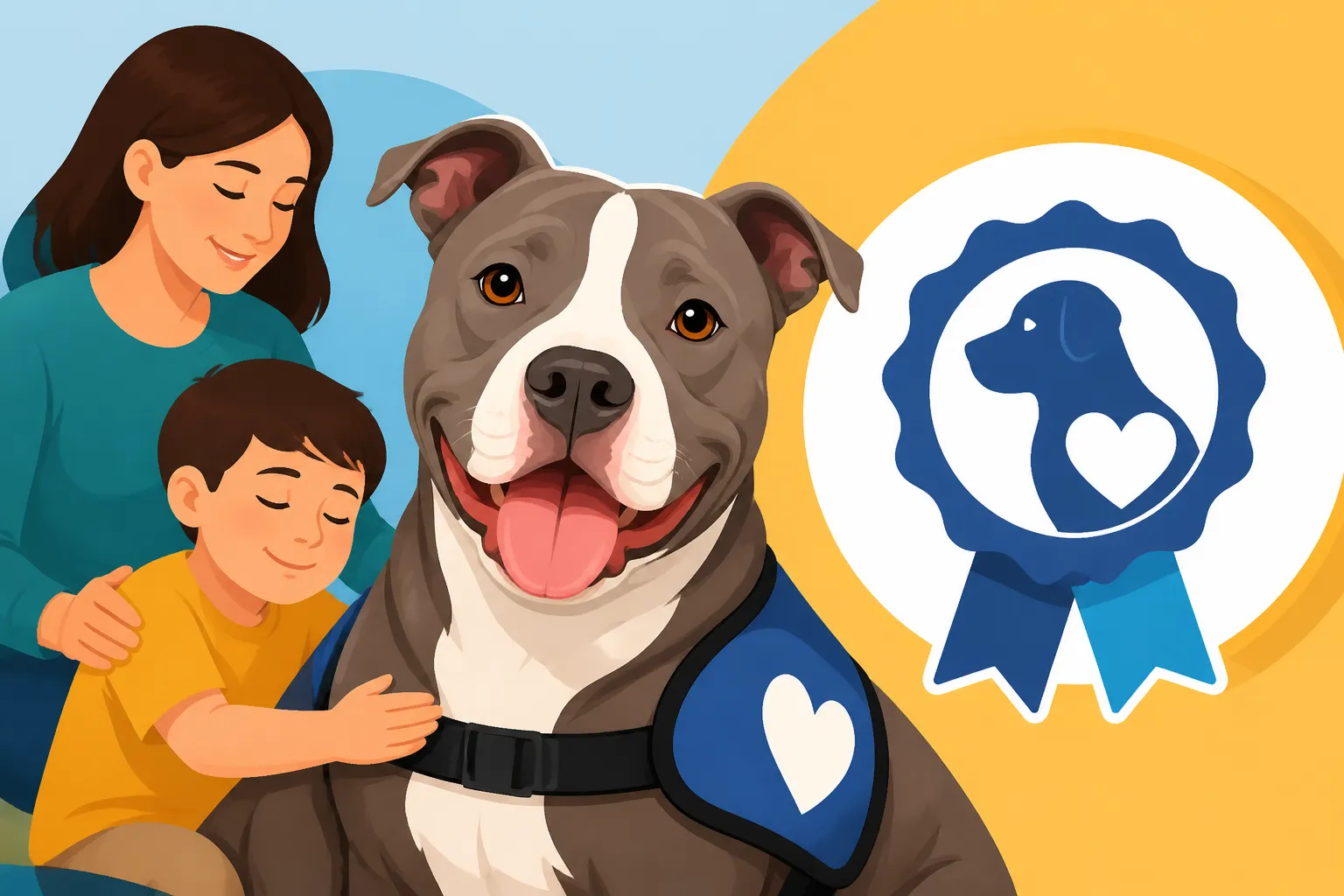
Certifying a Pit Bull as a Therapy Dog
It can feel incredibly frustrating when you know your Pit Bull has a heart of gold, a gentle spirit, and an innate ability to connect with people, yet the world often sees them through a lens of fear and misunderstanding. For many of us, showing the true, loving nature of these incredible dogs isn't just a desire, it's a mission. Certifying your Pit Bull as a therapy dog is a powerful, tangible way to shatter those unfair stereotypes and let your dog's true personality shine, bringing comfort and joy to those who need it most. This guide will walk you through what it takes to get your beloved Pit Bull certified, from the temperament essentials to navigating the training and evaluation process.
Understanding What a Therapy Dog Actually Does
Before we dive into the nitty-gritty of certification, it’s really important to understand what a therapy dog is and what their role entails. There's often a lot of confusion between service dogs, emotional support animals, and therapy dogs, and it’s critical to get this clear from the start.
A service dog is specifically trained to perform tasks for an individual with a disability. Think guide dogs for the visually impaired or mobility assistance dogs. These dogs have public access rights under laws like the Americans with Disabilities Act (ADA) and are essential medical equipment for their handlers. Their training is highly specialized and often incredibly intensive, focused on one specific person's needs.
Emotional support animals (ESAs) provide comfort and companionship, reducing anxiety or depression, but they are not trained to perform specific tasks related to a disability. While they can be invaluable to their owners, ESAs generally do not have the same public access rights as service dogs and are primarily for the owner's personal benefit.
A therapy dog, on the other hand, is owned by a volunteer and works with their handler to provide comfort, affection, and emotional support to many different people in various facilities. These dogs visit hospitals, nursing homes, schools, rehabilitation centers, and even disaster zones to bring smiles and a sense of calm. They might interact with patients, students, or residents, offering a gentle paw, a soft head to pet, or just a comforting presence. The focus is on others, not just the handler. This distinction is crucial because the training and temperament requirements for therapy work are very specific, emphasizing stability, friendliness, and a robust ability to handle diverse environments and interactions with grace.
Essential Temperament and Training for a Pit Bull Therapy Dog
Let's be honest, getting any dog certified as a therapy dog requires a lot of dedication, but with a Pit Bull, there's an undeniable truth: you often have to train and present them to a higher standard than other dogs. It's an unfortunate reality that we, as Pit Bull owners, are constantly working to overcome societal biases. Your dog will be under more scrutiny, and their behavior needs to be absolutely impeccable. But the good news is, Pit Bulls are incredibly intelligent, eager to please, and often thrive on having a job to do, which makes them fantastic candidates when given the right guidance. This is where Training a Pit Bull to a Higher Standard Than Other Dogs really comes into play.
Rock-Solid Obedience and Manners
The foundation of any good therapy dog is unwavering obedience. Your Pit Bull needs to be responsive and reliable, even amidst chaos or distraction. This isn't just about showing off; it's about safety for everyone involved, including your dog. Commands like "sit," "stay," "down," and "come" must be second nature. More importantly, your dog needs excellent leash manners. A therapy dog should walk politely beside you without pulling, even if exciting things are happening around them. If your Pit Bull tends to drag you down the street, focusing on Pit Bull Leash Manners and Physical Strength will be a priority before pursuing therapy work.
Beyond the basic commands, calm greetings are paramount. A therapy dog should approach people gently, without jumping up, nipping, or excessive licking. They need to understand the command "leave it" to ignore dropped food, medical equipment, or other distractions that might be unsafe or inappropriate to investigate. Patience is also key; they might need to wait quietly for extended periods while you chat with patients or staff. Remember, these visits are for the people your dog is comforting, and any disruptive behavior detracts from that experience. Using positive reinforcement training methods will build a strong bond and make learning enjoyable for your Pit Bull.
Exposure and Socialization
A therapy dog needs to be unflappable. Think about the environments they'll visit: hospitals with beeping machines, wheelchairs rolling by, people with unusual gaits or appearances, and strange smells. Nursing homes have different sounds, sometimes loud televisions, or residents who might make sudden movements. Schools have energetic children, loud noises, and lots of unpredictable activity. Your Pit Bull needs to be comfortable with all of it.
This means extensive, thoughtful socialization from a young age is beneficial, but it's never too late to work on it. Expose your Pit Bull to a wide variety of sights, sounds, people of all ages and appearances, and even different types of medical equipment if possible. Practice having people approach slowly, pet them gently, and even handle their paws or ears. They need to genuinely enjoy interacting with strangers, not just tolerate it. This helps build the confidence and resilience necessary for the job. Socializing a Pit Bull Around Strangers is an excellent resource to help prepare your dog for diverse interactions.
Furthermore, a therapy dog must be completely non-reactive to other dogs. While therapy dogs don't typically interact with other animals during visits, they might encounter them in hallways or public areas. A calm, neutral demeanor towards other canines is essential.
Navigating the Certification Process for Your Pit Bull
Certifying your Pit Bull isn't a single event; it's a journey that typically involves several steps, culminating in an evaluation by a recognized therapy dog organization. These organizations set the standards for temperament, obedience, and public conduct to ensure the safety and effectiveness of therapy dog teams.
Step 1: Basic Obedience and the Canine Good Citizen Test
Before even thinking about a therapy dog evaluation, your Pit Bull should have a solid foundation in basic obedience. Many therapy organizations require dogs to first pass the American Kennel Club's (AKC) Canine Good Citizen (CGC) test. The CGC is a fantastic benchmark for responsible dog ownership and covers 10 practical skills that demonstrate a dog's good manners and obedience in everyday situations. This includes walking on a loose leash, sitting politely for petting, coming when called, and reacting appropriately to distractions.
Passing the CGC is a huge accomplishment for any dog, and for a Pit Bull, it's a powerful statement that they are well-behaved, manageable, and a credit to their breed. You can find more details on what this entails in our guide to Canine Good Citizen and Why It Matters for a Pit Bull. Many local dog training clubs or private trainers offer CGC preparation classes, and it’s a great way to fine-tune your dog's skills.
Step 2: Choosing a Therapy Dog Organization
Once your Pit Bull has demonstrated stellar basic obedience, the next step is to choose a reputable therapy dog organization. These organizations provide the structure, insurance, and guidelines for therapy animal teams. Some of the most widely recognized include:
- Therapy Dogs International (TDI): One of the oldest and largest therapy dog organizations. They have strict requirements and a thorough evaluation process.
- Pet Partners: Another highly respected organization that certifies a wide range of therapy animals, including dogs, cats, rabbits, and more. They emphasize the human-animal bond and offer robust training resources.
- Alliance of Therapy Dogs (ATD): Known for a slightly less formal but still rigorous evaluation and a focus on mentoring new teams.
Each organization will have specific age requirements (often at least one year old), health requirements (up-to-date vaccinations, annual vet checks), and temperament standards. It's important to research each one and choose the organization that best fits your goals and your dog's personality. They will have all the details on their specific evaluation process and what you need to prepare. Keeping your Pit Bull in prime health, with a nutritious diet from a brand like Ollie, can ensure they're feeling their best for these demanding evaluations.
Step 3: The Therapy Dog Evaluation
This is the big day! The therapy dog evaluation will assess your Pit Bull's temperament and your handling skills in scenarios similar to those you'd encounter during actual therapy visits. Evaluators are looking for a dog that is:
- Calm and confident: Not easily startled, fearful, or overly excitable.
- Friendly and gentle: Enjoys being petted by strangers, including those with different movements or voices.
- Tolerant of handling: Allows strangers to touch their paws, ears, tail, and body without showing aggression or discomfort.
- Responsive to commands: Obeys commands consistently, even with distractions.
- Non-reactive to distractions: Ignores loud noises, dropped objects, medical equipment (like walkers or wheelchairs), and other dogs.
Evaluations often involve a simulated hospital or nursing home environment. Your Pit Bull might be exposed to someone in a wheelchair, a person using crutches, or a sudden loud noise. They might have to "leave" a tempting treat on the floor or walk politely through a group of people. The evaluator will also assess your ability to read your dog's body language and advocate for them if they need a break or are feeling overwhelmed. Passing this evaluation confirms that your Pit Bull has the right stuff to be a safe and effective therapy dog. For peace of mind, consider pet insurance from providers like Healthy Paws to cover unexpected vet visits, especially as your active Pit Bull might face minor scrapes during training or visits.
Step 4: Maintaining Certification and Ongoing Health
Certification isn't a one-and-done deal. Most organizations require teams to re-certify periodically, usually every one or two years. This ensures that the dog's temperament and the handler's skills remain up to standard. Regular vet check-ups are also a must to keep your Pit Bull healthy and fit for duty. A healthy dog is a happy and effective therapy dog. Ensuring they have high-quality food, perhaps from Chewy, and any necessary supplements helps maintain their well-being. Keeping up with a good diet, consistent exercise, and regular grooming also contributes to their overall health and readiness for therapy work. This also reduces the risk of issues like Pit Bull Skin Allergies and the Atopy Pattern or other health concerns that could sideline them.
Therapy Dog Temperament Checklist
| Trait | Description | Readiness Level |
|---|---|---|
| Calm Demeanor | Remains relaxed and settled in new and noisy environments. | Essential |
| Friendly Disposition | Enthusiastically (but gently) greets and enjoys interaction with strangers of all ages and types. | Essential |
| Tolerance to Handling | Accepts being touched all over their body, including paws, ears, tail, and muzzle, by multiple unfamiliar people. | Essential |
| Non-Reactivity | Ignores loud noises (e.g., dropped items, shouting), strange equipment (e.g., wheelchairs, IV poles), and other animals without distress or aggression. | Essential |
| Reliable Obedience | Consistently responds to basic commands (sit, stay, down, come, leave it) even with distractions. | Essential |
| Leash Manners | Walks politely on a loose leash, without pulling, in crowded or stimulating environments. | Essential |
| Patience | Can wait calmly and quietly for periods while the handler interacts with others. | Important |
| Adaptability | Adjusts well to different types of flooring, lighting, and room sizes. | Important |
| No Resource Guarding | Shows no possessiveness over toys, food, or handler. | Essential |
| Handler Focus | Remains attentive to their handler's cues and presence even when engaging with others. | Essential |
The Impact and Rewards of Pit Bull Therapy Work
Certifying your Pit Bull as a therapy dog is far more than just getting a piece of paper; it's about opening doors to incredible experiences and changing hearts and minds, one wagging tail at a time. The rewards, both for you and your dog, are immense.
Breaking Down Barriers
Pit Bulls often face an uphill battle against negative stereotypes, fueled by sensational media and misinformation. When your well-trained, gentle Pit Bull enters a hospital room and brings a smile to someone who hasn't felt joy in days, or calms a child during a stressful medical procedure, they aren't just doing therapy work—they're acting as ambassadors for their entire type. Each positive interaction chips away at the prejudice and helps people see the breed for what they truly are: affectionate, intelligent, and deeply loyal companions. This contributes to a broader shift in Pit Bulls in Culture and Public Perception.
It's a powerful counter-narrative to the outdated "nanny dog" myth, which, while well-intentioned, often misrepresented the breed's historical role. Instead of relying on a romanticized past, therapy Pit Bulls forge a new, real legacy of compassion and service. For more on the history of this phrase, you can look into What the Pit Bull Nanny Dog Story Rests On.
The Bond and Purpose
Engaging in therapy work deepens the bond you share with your Pit Bull. You'll work as a team, communicating silently, reading each other's cues, and navigating new situations together. Your dog will thrive on the purpose and attention, often blooming into an even more confident and joyful companion. This shared experience creates an incredible connection that is truly special. Imagine the pride you'll feel when you see your Pit Bull bringing comfort to someone in distress or eliciting laughter from a quiet patient. That feeling is priceless.
However, it's also important to remember the commitment. Therapy work isn't just a casual stroll. It requires consistent Positive Reinforcement Training With a Pit Bull, managing their health proactively (especially for common Pit Bull issues like Pit Bull Allergy Treatment as a Recurring Bill), and preparing them physically. Ensuring your Pit Bull is Feeding a Pit Bull to Keep Muscle Without Fat is also key to their endurance and overall well-being during visits.
Unique Challenges, Greater Rewards
Yes, you might encounter initial skepticism from some facility staff or members of the public when you arrive with your Pit Bull. There might be extra questions or a need for you to educate people. But these moments also present opportunities. By demonstrating your Pit Bull's impeccable Pit Bull Temperament and the ATTS Results and your responsible handling, you become a powerful advocate. Over time, many of these initial skeptics become your biggest fans, witnessing firsthand the incredible capacity for good that these dogs possess.
The journey to certifying your Pit Bull as a therapy dog is a testament to your dedication and your dog's inherent good nature. It’s challenging, it requires significant effort, and sometimes it can feel like an uphill battle against outdated perceptions. But the moments of connection, the smiles you’ll bring, and the lives you’ll touch make every step of that journey profoundly worthwhile. You'll not only be helping others but also showcasing the very best of what Pit Bulls have to offer the world. Don't forget, having the right gear, from sturdy harnesses to appropriate crates, is also part of the preparation, so looking into Pit Bull Crates, Harnesses and Chew-Proof Gear can be a helpful step.
Disclaimer
This article is for general informational purposes only and does not constitute professional advice. Laws, prices and regulations vary by location and change over time. Consult a qualified professional for guidance on your specific situation.