Recall Training a Pit Bull From Scratch
The moment your Pit Bull spots that tantalizing squirrel across the park, or catches the scent of something utterly irresistible, your heart can leap into your throat. You might shout "Come!" with all the conviction you can muster, only to watch your powerful, focused companion continue its determined pursuit, seemingly deaf to your pleas. This guide is here to walk you through building a rock-solid recall for your Pit Bull, ensuring their safety and your peace of mind, starting completely from scratch.
Understanding the "Why" Behind Pit Bull Recall Challenges
Let's be honest, getting any dog to reliably "come" when called is a feat, but with a Pit Bull, it often feels like the stakes are inherently higher. There are very real, understandable reasons why recall can be such a hurdle, and acknowledging them is the first step towards overcoming them. It's not about your dog being stubborn; it's about understanding their unique blend of genetics and societal pressures.
The Power and Prey Drive of a Pit Bull
Pit Bulls, as a type of dog, are bred for power, athleticism, and an incredibly strong work ethic. They possess an impressive physical build, capable of bursts of speed and remarkable agility. This isn't just about looking good; it translates to serious drive and focus when they lock onto something. That squirrel darting up a tree isn't just a fleeting distraction; it taps into centuries of selective breeding for pursuits that require intense concentration and physical prowess. Their lineage often includes traits from terriers, known for their tenacity and single-mindedness in a chase, and bulldogs, celebrated for their strength and determination.
When that prey drive kicks in, it's like a tunnel vision descends. The world narrows to the object of their interest, whether it's a rabbit, another dog playing rambunctiously, or even a child running by with a squeaky toy. Their powerful legs can cover ground astonishingly fast, and their focused attention means your voice can become just background noise. It's not personal, it's instinct, and it’s an instinct that requires thoughtful, consistent training to manage and redirect.
The Weight of Public Perception and Responsibility
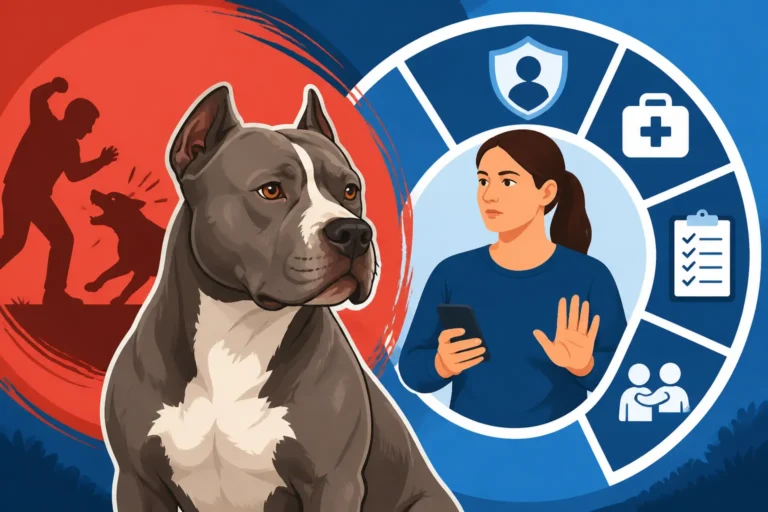
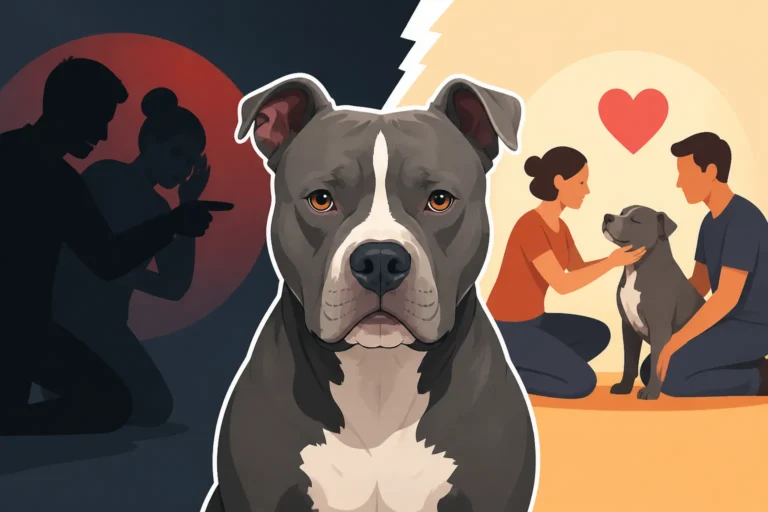
For Pit Bull owners, the stakes associated with a failed recall are unfortunately amplified by public perception. While responsible owners know their dogs are individuals, deeply loved family members, the general public often views dogs identified as Pit Bulls through a different lens. A harmless chase of a squirrel by a Labrador might elicit a chuckle, but the same scenario with a Pit Bull can trigger fear or alarm in onlookers, even if no harm is intended or done. This added layer of scrutiny places immense pressure on us as owners to ensure our dogs are under impeccable control at all times, especially in public spaces.
A slip in recall, even an accidental one, can lead to serious consequences far beyond what other breeds might face. It can result in complaints, fines, breed-specific legislation being enforced, or even the dog being deemed dangerous. The last thing any of us want is for our beloved companion to become a statistic or to reinforce negative stereotypes. Therefore, when we train a Pit Bull's recall, we're not just training for convenience; we're training for their safety, our peace of mind, and to be ambassadors for the breed. It's a heavy responsibility, but one that is absolutely achievable with dedication and the right methods.
Beyond "Come": What a Reliable Recall Truly Means
When we talk about recall training, many people think of simply getting their dog to return when called. But for a Pit Bull, especially given their strength and the external pressures, a truly reliable recall means so much more than just a casual saunter back to your side. It's about an immediate, enthusiastic, and consistent response to your cue, no matter the distraction, no matter the distance, and no matter what exciting thing might be happening around them.
A truly reliable recall means your Pit Bull will disengage from that fascinating smell, that running child, or even another dog, and orient back to you as if you are the most interesting thing in the universe. It means they won't play "keep away" or run just out of reach, forcing you to chase. It's their safety net, and yours. This level of reliability allows for safe off-leash excursions in appropriate, permitted areas, and provides an essential emergency command that could literally save their life by preventing them from running into traffic or confronting an unexpected danger. It’s an investment in their freedom and safety, and it's a skill that requires absolute clarity and consistency in training.
Laying the Foundation: Essential Pre-Recall Training Steps
Before you even dream of letting your Pit Bull off-leash in a big, open field, you need to establish a rock-solid foundation for recall. Think of it like building a house – you wouldn't start with the roof, would you? These initial steps are crucial for creating a positive association with the "come" cue and ensuring your dog wants to return to you.
Building a Strong Relationship and Trust
At the heart of any successful training, especially recall, is a strong, trusting relationship between you and your Pit Bull. Your dog needs to see you as the source of all good things, the safest harbor, and the most fun they can have. If your dog doesn't trust you or finds you boring, why would they choose you over a captivating squirrel? This bond isn't built overnight, but through consistent positive interactions. Spend quality time together, playing games, going on adventures, and just chilling out.
Positive reinforcement is key here. Every interaction, every training session, should be a positive one. When your Pit Bull looks at you, offers a polite sit, or checks in during a walk, reward it! Use high-value treats, enthusiastic praise, and playful engagement. This builds a mental bank account of positive experiences associated with you, making you far more appealing than any fleeting distraction. A dog that feels safe and happy with its human is far more likely to respond to a recall than one that feels pressured or ignored. The goal is to make returning to you the best option available, every single time. Positive Reinforcement Training With a Pit Bull is the way to go.
Introducing the "Come" Cue in a Low-Distraction Environment
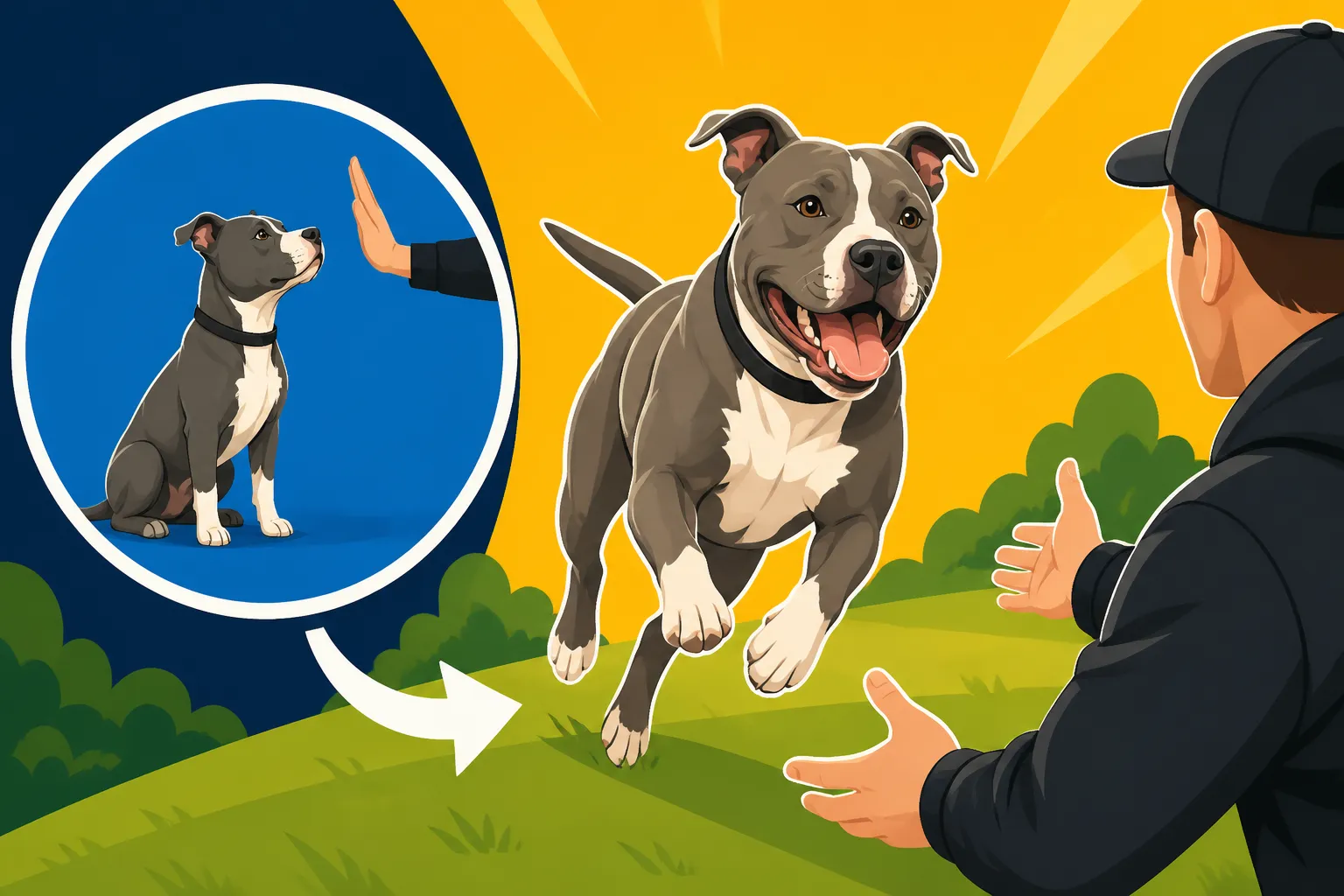
Okay, you've got a great bond, now let's introduce the word itself. This phase is all about making "come" mean "party time!" Start indoors, in a quiet room with absolutely zero distractions. No other pets, no loud noises, no open windows looking out onto a bustling street. Get down on their level, make yourself exciting, and say your chosen recall cue (e.g., "Come!", "Here!", or their name). As soon as they take even a step toward you, shower them with praise and a truly high-value treat. Don't wait for them to reach you; reward the intent to come.
Repeat this many, many times, but keep sessions short and fun. Play a little game where you say "come," they take a step, you reward, then you run a few steps away and repeat. Make it a chase game to you. Don't ever use your recall cue for something negative, like calling them to give them a bath they hate or to end a fun play session. The word "come" must always, without exception, predict something fantastic happening. If you consistently make coming back to you the most wonderful thing in their world, they'll start to generalize that feeling.
Mastering Name Recognition and Attention
Before your Pit Bull can reliably "come," they first need to reliably orient towards you when you speak. This might sound obvious, but many dogs learn to tune out their names if it's only used for commands or scolding. Your Pit Bull's name needs to be a signal that something good is about to happen, and that your attention is valuable. Practice calling their name in various tones (happy, playful, excited) and immediately rewarding them with a treat or toy the moment they look at you.
Games like "Watch Me" are incredibly helpful here. Hold a treat near your nose and say "Watch me." The instant your Pit Bull makes eye contact, even for a split second, mark it with a verbal cue like "Yes!" or a clicker, and give them the treat. Gradually increase the duration of eye contact before the reward. This teaches them to focus their attention on you, a critical skill when you eventually need to break their focus from a distraction. You can find excellent training tools, including clickers and High-Value Treats That Hold a Pit Bull's Focus, easily on platforms like Amazon. Building this foundation ensures that when you finally use your recall cue, your Pit Bull will already be accustomed to quickly shifting their focus back to you.
Escalating Difficulty: Gradually Adding Distractions and Distance
Once your Pit Bull is a rockstar at recall indoors, it's time to slowly and carefully introduce the real world. This is where most people rush, and then get frustrated. Remember, patience and small steps are your best friends here.
The Power of the Long Line: Safety and Practice
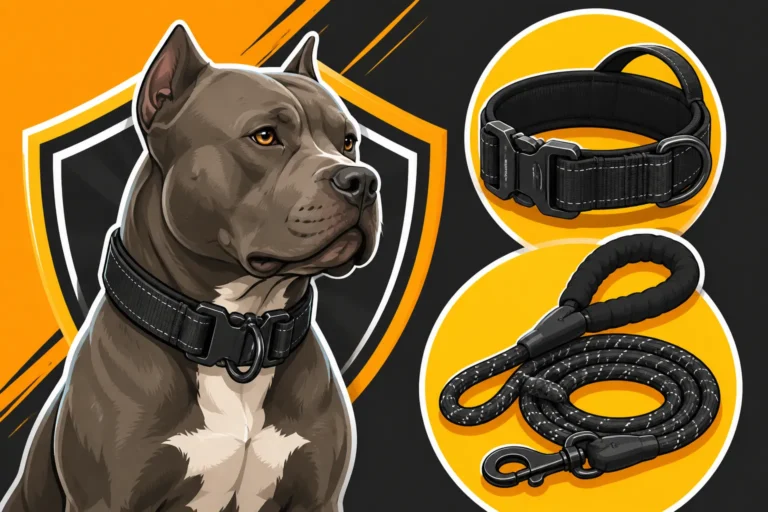
As you move outdoors, the number one tool for safe recall training is a long line. This isn't just a convenience; it's a safety device that allows you to practice recall with increasing distance and distractions without losing your dog. Imagine trying to teach a child to ride a bike without training wheels – it's a recipe for disaster. A long line is your Pit Bull's training wheels for off-leash freedom. Look for lines that are 15 to 30 feet long, made of durable material like Biothane or nylon, and ensure the hardware is strong enough for your Pit Bull's strength. You can find a wide selection of Long Line Hardware That Holds a Pit Bull on sites like Amazon.
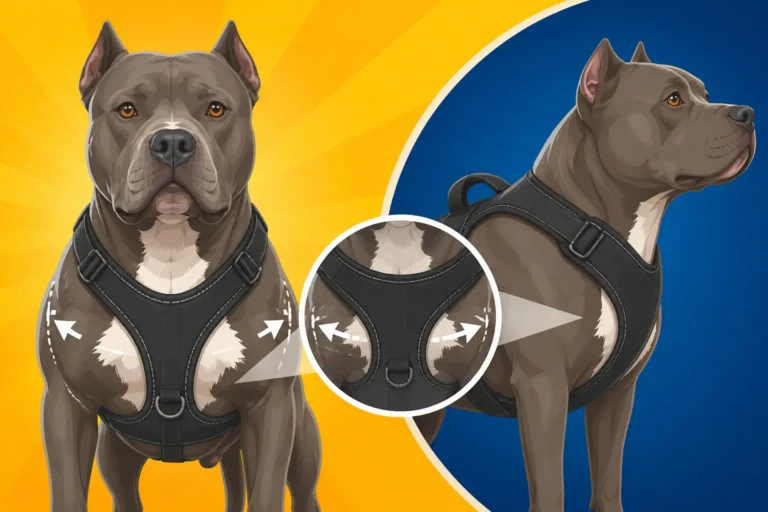
Start in a fenced yard or a very quiet park at an off-peak time. Attach the long line to a well-fitting harness (never just a collar for long line work, as it can cause neck injury if they hit the end of the line). Let your Pit Bull explore, but keep hold of the line. Periodically, when they are a short distance away but not completely fixated on something, call your recall cue. As they come, reeling them in gently if needed, reward enthusiastically. If they don't respond, gently guide them in with the line, and then reward them. The goal is to make them associate coming when called with positive outcomes, even if you need to prompt them physically. Never yank or punish them for not coming, as this will poison the recall cue.
Introducing Environmental Distractions
With the long line secure, you can slowly begin to introduce environmental distractions. The key word here is slowly. Don't jump from a quiet backyard to a bustling dog park. Think of a hierarchy of distractions:
- Low-level: A few leaves blowing, a distant bird, a person walking quietly in the distance.
- Medium-level: A person walking a dog far away, children playing quietly, a bicycle going by.
- High-level: Another dog actively playing nearby, a jogger, a squirrel running up a tree directly in front of you.
Start with the lowest level of distraction you can find. Let your Pit Bull notice the distraction, then call them back before they become fully fixated. The moment they break focus and turn towards you, mark and reward. If they ignore you, gently reel them in with the long line, then reward. The idea is to build success by setting them up to win. If you consistently call them when they're too distracted to possibly succeed, you're teaching them that "come" is optional. This gradual approach reinforces the idea that you are more rewarding than any distraction, no matter how tempting.
Practicing with Other People and Dogs
Eventually, you'll need to practice recall around the ultimate distractions: other dogs and people. Again, start small and controlled. Enlist a trusted friend or family member who knows how to be calm and predictable. Have them stand a good distance away while your Pit Bull is on the long line. As your friend slowly walks by, call your Pit Bull. If they come, mega reward! If not, gently guide them. Gradually, you can reduce the distance.
When introducing other dogs, always start with a calm, known canine companion. Have your Pit Bull on the long line and the other dog on a leash. Let them briefly greet or play, then separate them and call your Pit Bull back for a high-value reward. The goal is to teach your Pit Bull that playing with friends is great, but coming back to you is even better. Never allow uncontrolled interactions where your Pit Bull might get over-stimulated or practice rude behaviors. Pit Bull Dog Selectivity and Multi-Dog Homes can be a factor here, so choosing calm, tolerant playmates is crucial. Structured social interactions, whether through a reputable trainer or a well-regarded program like BAXTER & Bella, can provide excellent opportunities to practice recall in a controlled setting with other dogs present, offering guidance from experienced professionals.
| Recall Training Stage | Environment | Distraction Level | Key Tools & Tactics | Expected Outcome |
|---|---|---|---|---|
| Foundation | Indoors, Quiet | None | High-value treats, Clicker, Short leash/no leash | Immediate, enthusiastic response indoors |
| Stage 1: Prep | Fenced yard, Quiet park | Very low (distant sounds) | Long line (15-20ft), Harness, High-value treats | Responds consistently to cue when slightly distracted |
| Stage 2: Build | Quieter park/trail | Moderate (passers-by) | Long line (20-30ft), Harness, Varying rewards | Disengages from moderate distractions, returns readily |
| Stage 3: Proof | Busy park, New places | High (other dogs, squirrels) | Long line (30ft+), Emergency recall word, Super treats | Reliable recall even with significant temptations |
| Maintenance | Daily walks, All environments | Varied | Random rewards, Short bursts of practice, Fun games | Sustained, eager recall throughout life |
Troubleshooting Common Recall Problems with a Pit Bull
Even with the best intentions and consistent training, you might hit some snags. Pit Bulls are smart, powerful, and sometimes, they just decide the world is more interesting than you. It happens! The key is understanding why they're not coming and adjusting your approach, not getting frustrated.
The "Selective Hearing" Pit Bull
Ah, the classic "selective hearing" syndrome! Your Pit Bull hears the crinkle of a treat bag from two rooms away, but suddenly goes deaf when you call "come" in the park. This usually boils down to a few core issues: either your rewards aren't high-value enough for the level of distraction, your training hasn't been proofed sufficiently in that environment, or you've inadvertently taught them that "come" is optional. If your Pit Bull starts acting like they didn't hear you, it's a clear sign you've moved too fast.
First, reassess your rewards. Is that dry kibble really going to compete with the scent of a fresh rabbit trail? Probably not. Bring out the big guns: cheese, cooked chicken, hot dogs, or whatever truly makes your Pit Bull's eyes light up. Second, go back a step in your training. If they're failing in the park, return to a less distracting environment, like a quiet cul-de-sac or a large, empty field, and build up again. Ensure every call to "come" is followed by a reward. If they hesitate, gently guide them in with the long line and then reward. Avoid repeating the cue multiple times; if they don't respond to the first call, it means you need to intervene (with the long line) or move to a less distracting environment. Repetition without response teaches them to ignore you.
When Your Pit Bull Plays "Keep Away"
This is another common and frustrating scenario: your Pit Bull comes almost all the way back, then veers off, perhaps running just out of reach, tail wagging, thinking it's a fun game of chase. While it might seem cute, it's actually dangerous and undermines your recall. They're learning that coming all the way to you isn't always necessary, and that keeping you at arm's length (or paw's length) is a fun challenge. This usually happens because the "ending" of the recall isn't rewarding enough, or because you've inadvertently chased them in the past.
The absolute golden rule here is: never chase your Pit Bull. If they play keep away, calmly turn your back, walk in the opposite direction, or even drop to the ground and act super excited, calling their name in a playful tone. Make yourself the most interesting thing. When they finally do come back to you, even if it took some maneuvering, celebrate like they've won the lottery. Reward them, then immediately release them back to play for a few seconds before calling them again. This teaches them that coming to you doesn't mean the fun ends; it means a quick, rewarding pit stop before more fun. Always vary the "end" of the recall – sometimes they go back to play, sometimes they get a leash on for a moment, sometimes it's time to go home. Keep them guessing and always make it a positive interaction.
What to Do When Recall Fails in a High-Stakes Moment
We've all been there – that heart-stopping moment when your Pit Bull bolts, and your recall cue falls on truly deaf ears. Maybe a deer just crossed the path, or a loose dog suddenly appeared. In these high-stakes scenarios, the worst thing you can do is panic or chase. Panicking will only escalate your dog's excitement or fear, and chasing will turn it into a game. The long line is your absolute best friend in preventing these scenarios in the first place, ensuring you always have a physical connection.
If you find yourself in a situation where your Pit Bull is off-leash and not responding:
- Stay Calm: Take a deep breath. Your dog will pick up on your stress.
- Make Yourself Exciting: Drop to the ground, clap your hands, use an excited voice, offer high-value treats you've saved for emergencies, or throw a favorite toy away from the distraction and call them.
- Run the Other Way: Sometimes, running away from them (while keeping them in sight) can trigger their chase instinct to come to you.
- Enlist Help: If there are trusted people around, ask them to form a wide, slow-moving circle to gently guide your dog towards you, rather than cornering them.
- Re-evaluate: Once you've safely re-secured your Pit Bull, take a mental note. What was the distraction? Was it too much for their current training level? Where did the training break down? This isn't a time for punishment, but for analysis and a return to basics in a less distracting environment. Every failed recall is a lesson for you, the trainer, on where your dog needs more practice. Why a Pit Bull Should Not Be Off Leash in Public for general safety reasons, especially if recall isn't proofed.
Advanced Recall Techniques and Maintenance
Achieving a reliable recall with your Pit Bull isn't just about the initial training; it's about making it a lifelong skill. Just like any muscle, if you don't use it, you lose it. These advanced techniques and maintenance strategies will help you keep your Pit Bull's recall sharp and effective for years to come.
The Emergency Recall: A Different Cue for Different Stakes
For those truly high-stakes moments, it’s incredibly beneficial to have an "emergency recall" cue. This is a separate word or sound (e.g., a specific whistle, "NOW!", or "CODE RED!") that is used only for dire situations, and never for routine calls. The idea is that it retains its power because it's rarely used and always associated with the absolute highest reward imaginable. Think of it as your dog's "break glass in case of emergency" button.
To train this, choose a word or sound you won't accidentally use in daily conversation. Practice it in very short, intense sessions, even if your dog is already next to you. Say the cue, immediately shove a handful of their absolute favorite, highest-value treats (like boiled chicken liver or steak pieces) into their mouth, and lavish them with praise. Do this only a few times, then stop. The emergency recall cue should predict such an overwhelming shower of fantastic rewards that your Pit Bull can't help but respond instantly, even if a squirrel is doing a tap dance in front of them. Never overuse it, and always make the reward proportional to the urgency. This is not for when you just want them to come in from the yard; it’s for when their life might genuinely be on the line.
Proofing Recall in Diverse Environments
A common mistake in recall training is practicing only in familiar places. Your Pit Bull might have a perfect recall in your neighborhood park, but when you take them to a new trail or a friend's sprawling backyard, suddenly they're "broken." This is because dogs don't generalize skills easily. They learn that "come" means "come to me in this park, with these smells, and these distractions." To make it truly reliable, you need to proof recall in a wide variety of environments.
Make it a point to practice recall in as many different locations as possible. Visit new parks, explore different hiking trails, go to quiet beaches, or even practice in the parking lot of a local store during off-peak hours (always with a long line, of course!). Each new environment presents unique sights, sounds, and smells that will challenge your Pit Bull's focus. Start with low distractions in each new place, slowly building up. The more diverse the settings where they successfully respond to your cue, the stronger and more generalized their recall will become. This also ties into Training a Pit Bull to a Higher Standard Than Other Dogs because you need to ensure their training holds up everywhere, given public scrutiny.
Maintaining Recall Skills Throughout Your Pit Bull's Life
Recall is not a skill you train once and then forget. It's like a language; if you don't speak it regularly, you get rusty. To keep your Pit Bull's recall razor-sharp, you need to incorporate it into your daily routine and treat it as an ongoing practice. This doesn't mean endless, formal training sessions every day, but rather short, fun, and unpredictable bursts of practice.
During walks, randomly call your Pit Bull when they're sniffing something interesting or just trotting along. Reward them generously for coming. Occasionally, switch up the reward – sometimes it's a treat, sometimes a favorite toy, sometimes a quick game of tug. Don't always make "come" mean "leash on" or "time to go home." Sometimes call them, reward, and then immediately tell them "Go play!" This keeps them guessing and ensures they don't associate coming back with the end of their fun. Even if your Pit Bull is always on a leash in public (which is often the safest and most responsible choice for Pit Bulls), practicing recall in a securely fenced area or on a long line is crucial. It keeps their muscles toned, both physically and mentally, and ensures that if an unforeseen event ever leads to them being off-leash, their ingrained response will be to return to you. What to Teach a Pit Bull Puppy and When covers foundational skills that build into this advanced work.
Disclaimer
This article is for general informational purposes only and does not constitute professional advice. Laws, prices and regulations vary by location and change over time. Consult a qualified professional for guidance on your specific situation.