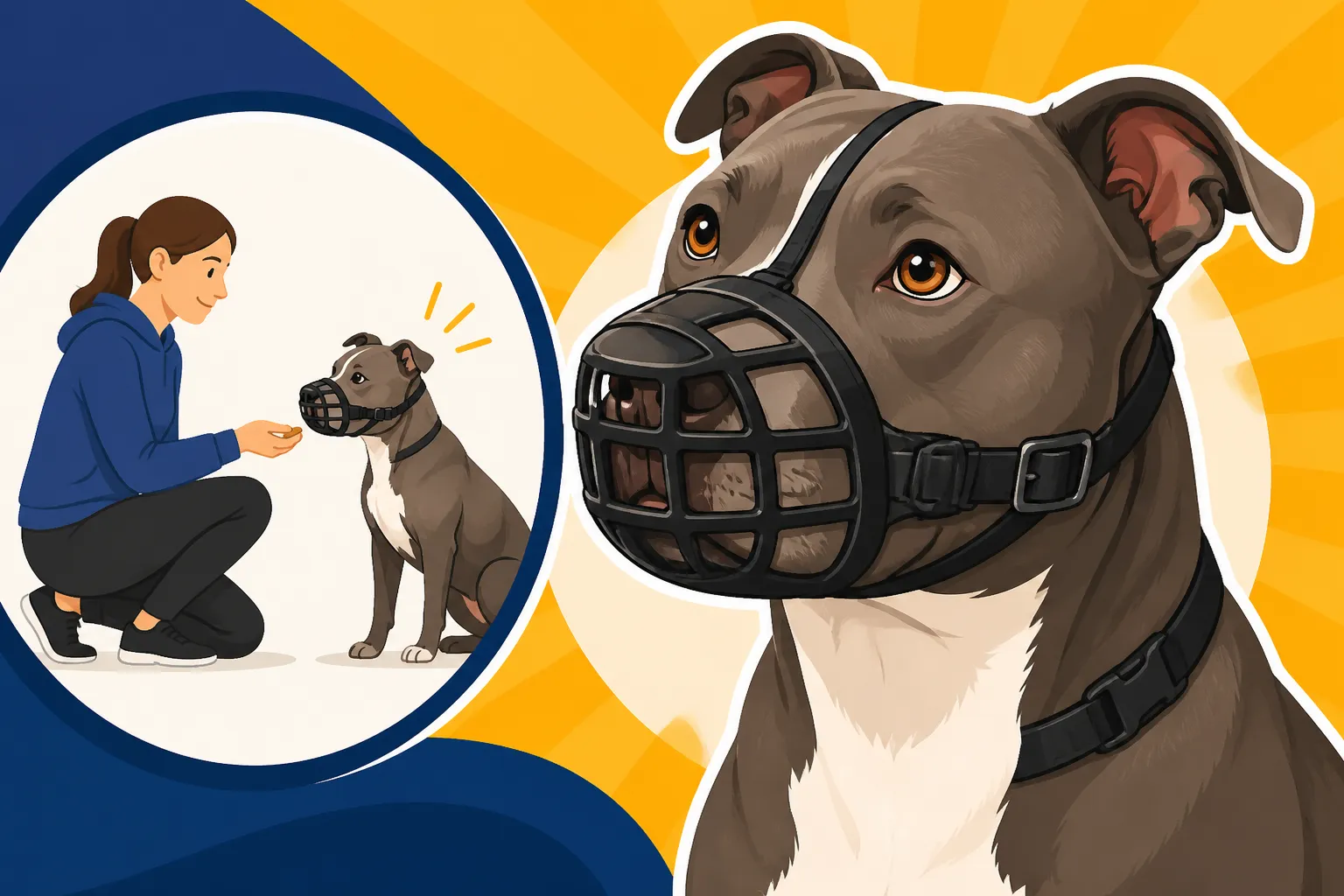
Muzzle Training Every Pit Bull Should Have
Many Pit Bull owners understand the often-unfair scrutiny their dogs face in public spaces. Even the most loving, well-behaved Pit Bull can draw wary glances, and in certain situations, an owner's diligence is questioned regardless of their dog's actual temperament. This pressure to constantly manage public perception, coupled with legitimate concerns for safety and responsible pet ownership, makes muzzle training an incredibly valuable skill for any Pit Bull. This guide isn't about hiding your dog or admitting a fault; it's about proactively empowering you and your Pit Bull with a tool that enhances safety, manages anxieties, and provides peace of mind, allowing both of you to navigate the world with greater confidence and understanding.
Why Muzzle Training Is a Responsible Choice for Pit Bull Owners
Let's be honest, the word "muzzle" often conjures up images of aggressive dogs, or perhaps, dogs that have somehow failed their owners. But for Pit Bull owners, the reality is far more nuanced. Muzzle training isn't a sign of failure; it's a testament to responsible ownership, a proactive step that can protect your dog, other animals, and people, all while challenging persistent, unfair stereotypes. It’s about being prepared, not about fear.
Addressing Public Perception and Breed Stereotypes
The sad truth is that Pit Bulls, as a type, often carry a heavy burden of public misconception. Many people have preconceived notions based on sensationalized media reports or outdated ideas, leading to fear or suspicion when they see a Pit Bull. This can be incredibly frustrating when you know your dog is a gentle giant at home, but the reality is that perception matters in public. Muzzle training can serve as a visual cue to others that you are a responsible owner, taking extra precautions. It signals that you are thoughtful about your dog's presence and prepared for any situation, which can, in turn, subtly shift the narrative and help onlookers feel more at ease. This isn't about catering to ignorance, but about mitigating potential negative interactions and ensuring your dog's safety and continued access to public spaces. For more on this, you might find our article Pit Bulls in Culture and Public Perception insightful.
Moreover, for those rare instances where your Pit Bull might indeed be reactive to certain triggers—whether it's other dogs, specific sounds, or even sudden movements—a muzzle acts as an essential safety net. It allows you to continue working on behavior modification in public settings, such as walking past a trigger at a safe distance, without the heightened anxiety of a potential incident. This means you can keep training and improving your dog's confidence and social skills, rather than being forced to retreat entirely from certain environments. It provides a layer of security that empowers you to train rather than just manage.
Practical Safety and Veterinary Needs
Beyond public perception, there are concrete, practical reasons why a muzzle is a truly valuable tool. Think about unexpected emergencies: a car accident, a sudden injury on a hike, or a frightening incident that leaves your dog in pain and disoriented. In such high-stress situations, even the most docile dog might snap or bite out of fear, pain, or confusion. A properly conditioned muzzle can prevent accidental bites to first responders, veterinarians, or even yourself, ensuring that your dog can receive critical care safely and without added complications. It’s a safety measure for everyone involved during a crisis.
Routine veterinary visits also present scenarios where a muzzle can be beneficial. Some dogs, despite loving their vet, become anxious or defensive during procedures like nail trims, injections, or wound cleanings. Rather than resorting to heavy sedation or multiple people holding your dog down, a well-fitting, comfortable muzzle allows the vet team to work more efficiently and safely, reducing stress for everyone. It shows immense foresight and care on your part to prepare for these moments, making what could be a traumatic experience much smoother. This preparedness reflects the kind of dedication highlighted in Training a Pit Bull to a Higher Standard Than Other Dogs.
Peace of Mind for You and Your Dog
Ultimately, muzzle training offers you, the owner, immense peace of mind. Knowing that you have a tool at your disposal that can prevent unintended bites in various scenarios—whether it's an accidental bump from a child, an overly enthusiastic greeting that goes awry with another dog, or a moment of pain-induced reactivity—can significantly reduce your anxiety when out and about. This reduced stress on your part will naturally translate to a calmer, more confident dog, as they often mirror our emotions.
Furthermore, it opens up opportunities. Perhaps you've avoided certain hiking trails because of encounters with off-leash dogs, or hesitated to visit friends with small children or pets. With a muzzle-trained Pit Bull, you can approach these situations with renewed confidence, knowing you have an extra layer of safety. This isn't about restraining your dog unnecessarily, but about broadening their world and yours, allowing for more experiences without constant worry. This proactive step helps you to truly embody Handling a Pit Bull in Public Without Incident.
Choosing the Right Muzzle for Your Pit Bull
Selecting the correct muzzle isn't about grabbing the first one you see. It’s a critical decision that impacts your dog’s comfort, safety, and your ability to effectively train them. A poorly fitting or inappropriate muzzle can cause chafing, restrict breathing, or even fail to prevent bites, defeating its entire purpose. You need to consider functionality, fit, and material.
Basket Muzzles Versus Fabric Muzzles
When it comes to muzzle types, there's a clear winner for most training and prolonged wear scenarios: the basket muzzle. Basket muzzles, often made of durable plastic, wire, or a flexible rubber like the Baskerville Ultra, allow your dog to pant freely, drink water, and even accept treats through the front opening. This is absolutely crucial for your Pit Bull's comfort and safety, especially during exercise or warmer weather, as panting is how dogs regulate their body temperature. The ability to give treats through the muzzle is also invaluable for positive reinforcement during the conditioning process. Many excellent options can be found on online retailers like Amazon, offering a wide range of sizes and styles to suit different Pit Bull head shapes. We recommend exploring Choosing a Basket Muzzle for a Pit Bull for an in-depth look.
On the other hand, fabric muzzles, sometimes called "grooming muzzles" or "sleeper muzzles," are designed to keep a dog's mouth clamped shut. While they might seem like a quick fix, they severely restrict panting and drinking, making them unsuitable for anything but very brief, supervised use (e.g., a quick nail trim at the vet that lasts only a minute or two). Never use a fabric muzzle for walks, training, or any situation where your dog might need to pant to cool down or relieve stress. They are a temporary restraint, not a long-term solution, and their misuse can quickly lead to overheating and distress for your dog.
Sizing and Fit for Comfort and Effectiveness
Getting the right size and fit is paramount. A muzzle that's too tight will chafe, cause discomfort, and prevent panting, potentially leading to panic or overheating. One that's too loose can easily be pawed off or, worse, allow your dog to still bite. You'll need to accurately measure your Pit Bull's snout length (from the tip of the nose to the stop between the eyes) and circumference (around the widest part of the snout, usually just below the eyes), as well as their neck circumference. Remember that Pit Bulls often have broad heads and strong jaws, so a muzzle designed for a slender-nosed breed might not fit properly.
When trying on a basket muzzle, ensure there's enough space in front of your dog's nose (about a half-inch to an inch) for them to open their mouth slightly and pant comfortably. The straps should be snug but not tight, preventing the muzzle from being easily dislodged. Most quality basket muzzles have adjustable straps over the top of the head and behind the ears. If you're unsure, many manufacturers provide detailed sizing guides, and a reputable pet store or your veterinarian can often assist with fitting. Don't compromise on fit, as it directly impacts your dog's willingness to wear the muzzle and its effectiveness as a safety tool.
Where to Find Quality Muzzles
Once you've determined the right type and size, sourcing a quality muzzle is the next step. Online retailers like Amazon offer a vast selection, including popular brands such as Baskerville, Leerburg, and Dean & Tyler. These platforms often have customer reviews and sizing charts that can be very helpful. Remember to read reviews specifically from other Pit Bull owners, if available, to get insights into how certain muzzles fit broad-headed dogs.
Pet supply stores can also be a good option, as they allow you to try on different sizes and styles in person, ensuring a proper fit before purchase. Your veterinarian might also carry or recommend specific brands, especially if your dog has unique facial anatomy or needs. Investing in a durable, well-made muzzle is crucial, as it will be a tool you rely on for your dog's safety and comfort for years to come. Avoid cheap, flimsy options that could break or fail when you need them most.
The Step-by-Step Muzzle Conditioning Process
Muzzle training is a gradual process that relies heavily on positive reinforcement and patience. The goal is for your Pit Bull to associate the muzzle with positive experiences, not punishment or fear. Rushing the process will only create negative associations and make future muzzle use much harder. Think of it as teaching any other new trick, but with an extra layer of understanding about comfort and trust. This is a perfect application of Positive Reinforcement Training With a Pit Bull.
Introducing the Muzzle Positively
Start by simply presenting the muzzle to your dog. Don't try to put it on yet. Let them sniff it, explore it at their own pace. As soon as they show any interest in it – a sniff, a glance – offer a high-value treat. Repeat this several times, making the muzzle a predictor of good things. The treat should appear after they acknowledge the muzzle, teaching them that the muzzle brings rewards. You might hold the muzzle in one hand and deliver the treat with the other, just touching the muzzle with their nose before getting the treat.
The next step is to make the muzzle a treat dispenser. Put a dollop of peanut butter, cream cheese, or a soft, delicious treat inside the muzzle, allowing your dog to lick it out. This encourages them to voluntarily put their snout into the muzzle opening. Do this several times a day for a few days, always making it a fun, rewarding game. The moment their nose goes in, even for a second, say "yes!" and let them lick. This phase is all about building a happy, voluntary association. For a more detailed daily plan, see Muzzle Conditioning a Pit Bull in Two Weeks.
Gradually Increasing Wear Time
Once your Pit Bull is happily sticking their nose into the muzzle to get treats, you can start introducing the straps. While they are licking the treat inside, gently bring the straps over their head and buckle them, only for a second or two, then unbuckle and remove the muzzle, immediately followed by another high-value treat. The key here is brevity and reward. If they show any discomfort, you've gone too fast; go back a step. Slowly increase the time the muzzle is buckled, starting with a few seconds, then working up to a minute, two minutes, and so on.
During these short wear sessions, keep your dog engaged with treats, praise, or a favorite toy. The idea is that good things happen while the muzzle is on. If your dog tries to paw at it or rub it off, distract them gently, but don't force them. If they are truly distressed, remove the muzzle and shorten the duration of the next session. Always end on a positive note, with a treat and praise as you remove the muzzle. This slow and steady approach builds resilience and positive associations.
Building Association with Positive Experiences
Once your Pit Bull is comfortable wearing the muzzle for a few minutes at a time, start incorporating it into activities they enjoy. Put the muzzle on for a few minutes before you play their favorite game, go for a short walk, or before they get their meal. The muzzle should become a signal that something fun is about to happen. For example, if you're working on Pit Bull Leash Manners and Physical Strength, have them wear the muzzle for the start of the walk. Always provide treats and praise while the muzzle is on and just after you remove it.
You can also practice having them wear the muzzle for slightly longer durations while you're simply relaxing at home, perhaps during a cuddle session or when they're chewing on a favorite safe chew toy (ensure treats can still be delivered through the muzzle, or save that for when it's off). The more varied and positive experiences they have with the muzzle, the more normalized it becomes. Remember, consistency is key, and every interaction should reinforce the idea that the muzzle is a neutral, or even positive, part of their routine.
Overcoming Common Muzzle Training Challenges
Even with the best intentions and a solid plan, muzzle training can present its own set of hurdles. Your Pit Bull might resist, show discomfort, or simply take longer than expected to adjust. It's crucial to approach these challenges with empathy, understanding, and a willingness to adapt your strategy.
Dealing with Resistance and Discomfort
If your Pit Bull is actively resisting the muzzle – backing away, shaking their head, trying to paw it off, or even showing signs of anxiety like yawning or lip licking – it's a clear signal that you've progressed too quickly. The most common mistake is forcing the muzzle on or extending wear time before the dog is truly comfortable. This can instantly create negative associations that are hard to undo. When you encounter resistance, take a step back in the training process. Go back to simply presenting the muzzle for a treat, or putting treats inside for them to lick out without buckling the straps.
Sometimes, resistance can also stem from an ill-fitting muzzle. Double-check your measurements against the manufacturer's guide. Is it rubbing anywhere? Is it too tight or too loose? Can they pant comfortably? If you suspect the fit is off, it might be worth investing in a different size or brand. Remember, the goal is comfort and acceptance, not just compliance. If the muzzle is uncomfortable, they will fight it.
Maintaining Consistency and Patience
Muzzle training is not a race; it's a marathon. Some Pit Bulls may take to it quickly, while others might need weeks or even months of consistent, short, positive sessions. Impatience on your part can easily derail progress. Short, daily sessions of 5-10 minutes are far more effective than sporadic, longer, and potentially frustrating sessions. Consistency helps to build routine and predictability, which dogs thrive on.
Avoid using the muzzle only in negative contexts (e.g., only when going to the vet for an unpleasant procedure). If the muzzle only ever appears when something scary or unpleasant is about to happen, your dog will quickly learn to dread it. Mix in positive experiences – wear it for a fun game in the yard, a short sniffy walk, or a puzzle toy session. This balance is vital for maintaining a neutral or positive association. Remember that the muzzle is a tool that enhances life, not restricts it.
When to Seek Professional Guidance
There might come a point where you feel stuck, or your Pit Bull is showing significant stress or aggression towards the muzzle despite your best efforts. This is absolutely no reflection on you or your dog, and it's precisely when professional guidance can make all the difference. A certified professional dog trainer or a veterinary behaviorist experienced with Pit Bulls can assess your specific situation, identify underlying anxieties, and develop a tailored training plan. They can also observe your technique and offer hands-on adjustments.
Organizations like BAXTER & Bella, which offer online training programs and coaching, can be an excellent resource for personalized advice and guidance from certified professionals. They can help troubleshoot specific issues and provide structured support that might be difficult to achieve on your own. Investing in professional help ensures that you and your Pit Bull navigate this important training journey safely and effectively, fostering a positive relationship with the muzzle for years to come.
Integrating Muzzle Use into Everyday Life
Once your Pit Bull is fully conditioned and comfortable wearing their muzzle for extended periods, the next step is to seamlessly integrate it into various aspects of their daily life. This isn't about making them wear it constantly, but about having it as a ready-to-use tool for specific situations where it enhances safety and promotes positive interactions.
Public Outings and Social Gatherings
For many Pit Bull owners, public outings are where the muzzle truly shines as a confidence-booster. Whether you're heading to a busy park, walking through a crowded street, or visiting a pet-friendly patio, having your Pit Bull comfortably wearing a muzzle can alleviate stress both for you and for the public you encounter. It allows your dog to experience new environments and expand their world, all while providing that crucial layer of safety. This makes those important socialization opportunities, even with dogs you're introducing, much less stressful. Our guide on Socializing a Pit Bull Around Strangers underscores the importance of positive exposure.
Consider using the muzzle for initial greetings with unfamiliar people or other dogs, especially if your Pit Bull tends to be overly enthusiastic or if you're unsure of the other dog's temperament. Even a well-meaning nudge from a Pit Bull can sometimes be misinterpreted, and the muzzle eliminates any potential for accidental nips during excited play or rough-and-tumble greetings. It's a proactive measure that prevents issues before they start, ensuring smooth interactions and setting your dog up for success.
Emergency Preparedness and Veterinary Visits
As discussed earlier, emergency preparedness is a significant reason for muzzle training. Having your Pit Bull accustomed to a muzzle means that if an unexpected injury or fright occurs, you can quickly and calmly apply the muzzle, enabling safe handling by yourself or emergency personnel. This could be a life-saving skill, ensuring your dog receives immediate medical attention without anyone being at risk of a fear-induced bite.
Similarly, for veterinary visits, a muzzle-trained Pit Bull can have a far less stressful experience. If your dog is anxious or prone to snapping during specific procedures, a muzzle allows the vet and techs to perform their duties efficiently and safely, often without the need for heavy sedation or multiple restraints. This fosters a better relationship with their veterinary team over time, as they associate their visits with less struggle and more calm, respectful handling. This foresight shows truly responsible care.
Muzzles in Multi-Dog Households or Introductions
In multi-dog households, particularly those with Pit Bulls that might display Pit Bull Dog Selectivity Explained, a muzzle can be an indispensable management tool. While careful introductions and supervision are always key, a muzzle can provide an extra layer of safety during mealtimes, resource guarding training, or when introducing new dogs to the household. It allows you to supervise interactions with reduced risk, giving you time to intervene if necessary without immediate danger of a bite.
| Muzzle Usage Scenario | Benefit | Best Practice |
|---|---|---|
| Public Walks/Parks | Reduces public anxiety, prevents accidental nips, allows continued exposure to triggers during training. | Ensure proper fit (basket muzzle), keep sessions positive, reward calm behavior. |
| Veterinary Visits | Prevents fear-based bites during exams or painful procedures, allows safe handling by vet staff, reduces need for sedation. | Practice short wear times at home before visits, bring high-value treats for distraction. |
| Emergency Situations | Protects handlers/rescuers if dog is injured or disoriented, enables safe medical assessment. | Keep muzzle accessible in emergency kit, ensure dog is comfortable with quick application. |
| New Dog Introductions | Provides safety barrier during initial supervised meetings, allows focus on body language without bite risk. | Use basket muzzles on both dogs if appropriate, supervise closely, keep interactions brief and positive. |
| Nail Trims/Grooming | Prevents nips from sensitive or fearful dogs during handling, reduces stress for both dog and groomer. | Condition positively for this specific context, reward heavily after successful sessions. |
| Resource Guarding Mgmt. | Allows owner to safely manage situations involving guarded items (e.g., food, toys), provides time to intervene without direct risk. | Consult a professional trainer, never use as punishment, pair with specific training protocols. |
When bringing a new dog into a home with an existing Pit Bull, especially if the new dog is smaller or more sensitive, a muzzle on the resident Pit Bull during initial supervised interactions can create a safer environment. It allows both dogs to read each other's body language without the immediate threat of physical contact beyond sniffing. This controlled exposure is vital for successful integration and ensures that initial meetings are as positive and stress-free as possible. If an incident ever does occur, having a muzzle-trained dog makes navigating the aftermath much more manageable, as described in What to Do If a Pit Bull Is Involved in an Incident.
Debunking Muzzle Myths and Fostering Acceptance
The perception of muzzles is often steeped in misunderstanding and outdated notions. For Pit Bull owners, in particular, embracing muzzle training also means being prepared to educate others and lead by example, transforming a stigmatized tool into a symbol of responsible and caring ownership.
The Muzzle as a Tool, Not a Judgment
One of the biggest hurdles in promoting muzzle training is the deeply ingrained myth that a dog in a muzzle is inherently "bad" or "aggressive." This couldn't be further from the truth. A muzzle, particularly a well-fitted basket muzzle, is simply a piece of safety equipment, no different than a car seat belt, a bicycle helmet, or a leash. It's a management tool that allows dogs to safely participate in activities they might otherwise be excluded from, or prevents unintended harm in specific situations.
Consider competitive dog sports: many sports require dogs to wear muzzles during certain phases of training or competition for safety, regardless of their temperament. No one judges a racehorse for wearing a bit or a muzzle in the paddock. The same perspective should apply to our companion dogs. It demonstrates foresight, not a flaw. A muzzle can be a temporary safeguard during a rehabilitation period, a preventative measure for a scavenger, or simply a way to manage interactions with strangers in public. It frees a dog to enjoy the world, rather than confining them to the backyard out of fear of what might happen. The article Whether a Muzzle Makes a Pit Bull Look Worse delves deeper into these perceptions.
Educating Others and Leading by Example
As a Pit Bull owner who chooses to muzzle train, you have a unique opportunity to educate others and challenge stereotypes. When people stare or ask questions, instead of getting defensive, calmly explain why your dog wears a muzzle. You might say, "My dog loves people, but this gives me peace of mind when we're in busy areas," or "She's wearing it because we're practicing polite greetings with new dogs." Focus on the positive aspects: safety, responsibility, and the fact that it allows your dog to participate more fully in life.
By consistently presenting your muzzle-trained Pit Bull as a calm, well-adjusted companion, you become an ambassador for both muzzle use and the breed itself. People will see a responsible owner and a well-managed dog, which can gradually shift their perceptions. Your confident, positive demeanor will also reassure your dog, reinforcing their comfort with the muzzle and proving to them that it’s nothing to be ashamed of. This takes courage and patience, but it's a powerful way to advocate for your dog and others like them.
Promoting Responsible Pit Bull Ownership
Ultimately, muzzle training is a cornerstone of responsible Pit Bull ownership. It shows a commitment to your dog's safety, the safety of the public, and a proactive approach to potential challenges. In a world where Pit Bulls are often judged harshly, taking these extra steps demonstrates your dedication and careful consideration. It aligns perfectly with the ethos of Why Every Pit Bull Should Be Muzzle Trained.
It also encourages other Pit Bull owners to consider similar responsible practices. When they see you confidently and calmly managing your muzzle-trained dog, it normalizes the practice and perhaps inspires them to explore it for their own companions. This collective effort to prioritize safety and responsible management can only benefit the breed as a whole, helping to dismantle negative stereotypes one positive interaction at a time. It's about empowering your dog to live their best life, safely and happily, by equipping them with the tools and training they need to thrive.
Disclaimer
This article is for general informational purposes only and does not constitute professional advice. Laws, prices and regulations vary by location and change over time. Consult a qualified professional for guidance on your specific situation.