Finding a Trainer Experienced With Pit Bulls
Many Pit Bull owners face the unique challenge of finding a trainer who truly understands their dog, navigating not just general obedience but also the specific breed traits and the unfair public perception that often comes with them. It can feel like an uphill battle to find someone who gets your dog's strength, drive, and sensitive nature, without resorting to outdated or harsh methods that can actually make things worse. This comprehensive guide will walk you through exactly how to identify, vet, and hire a trainer who is experienced, knowledgeable, and genuinely equipped to help your Pit Bull thrive, ensuring a positive and effective training journey for both of you.
Why a Pit Bull Needs a Specific Kind of Trainer
It's easy to think "a dog is a dog," and that any trainer can handle any breed. While fundamental principles of learning apply to all dogs, Pit Bulls often benefit immensely from a trainer who understands their unique characteristics, history, and the societal lens through which they are viewed. This isn't about coddling or special treatment; it's about intelligent, effective training that considers the whole dog and their place in the world.
The Public Perception Challenge
Let's be honest: Pit Bulls face a public perception that no other breed truly grapples with. From media portrayals to lingering breed-specific legislation, these dogs are often judged before they've even had a chance to wag their tail. As an owner, this means you're often holding your dog to a higher standard, always aware that one misstep could confirm someone's prejudice. A trainer who understands this can be an invaluable ally. They won't just teach your dog commands; they'll help you build a dog who is a shining ambassador for their breed, able to confidently navigate public spaces with impeccable manners. They'll also help you build the confidence to handle those awkward stares or unsolicited comments. It's about empowering both ends of the leash to be the best team possible, demonstrating that your dog is a well-adjusted, beloved family member, not a stereotype. This often means focusing on Training a Pit Bull to a Higher Standard Than Other Dogs.
Pit Bull Specific Traits and Drive
Pit Bulls are powerful, athletic dogs with immense drive. They were originally bred for strength and tenacity, traits that, when misunderstood or misdirected, can lead to frustration for both dog and owner. Think about their incredible physical strength – a trainer needs to know how to teach polite leash walking without resorting to constant physical corrections that only serve to make a strong dog stronger in their pulling. They also need to understand that many Pit Bulls develop what's often called "dog selectivity" as they mature, meaning they might not be the type to happily greet every dog at the dog park. This isn't aggression; it's a nuanced trait that requires careful management and understanding, something a generalist trainer might mistake for simple reactivity. A good trainer will help you channel that boundless energy and drive into positive outlets like fetch, tug, or even agility, rather than letting it manifest in less desirable ways. Effective training for these dogs often delves into topics like Pit Bull Leash Manners and Physical Strength and Pit Bull Dog Selectivity and Multi-Dog Homes.
Mitigating Risk and Building Trust
Given the scrutiny Pit Bulls often face, a robust foundation of obedience and good manners isn't just nice to have; it's essential for their safety and acceptance. An experienced trainer focuses on building a strong relationship between you and your dog, based on mutual trust and clear communication. They understand that a dog who trusts their handler is more likely to listen and respond, even in distracting or stressful situations. This foundation is key to preventing misunderstandings in public and ensuring your dog is seen as a valued member of the community. They can teach you strategies for Handling a Pit Bull in Public Without Incident, helping you to proactively manage situations and showcase your dog's true, friendly nature. This proactive approach not only builds public confidence but also deepens the bond you share with your Pit Bull, making everyday life more enjoyable and less stressful for everyone involved.
What to Look for in a Pit Bull Trainer
When you're searching for a trainer, you're essentially looking for a partner in your dog's education. This partnership is even more critical when you have a Pit Bull, as the right approach can make all the difference in helping your dog reach their full potential.
Experience with Powerful Breeds
First and foremost, you need a trainer who isn't intimidated by a dog with a powerful build and a strong will. This doesn't necessarily mean they only train Pit Bulls, but they should have a demonstrable history of working with other robust, driven breeds like Rottweilers, German Shepherds, or even working-line Labs. Someone who primarily works with smaller, less physically demanding breeds might struggle with the sheer strength and tenacity a Pit Bull can bring to the training session, especially if they haven't learned to use appropriate management tools or techniques. Ask about their past clients, the breeds they've worked with, and specific challenges they've encountered and overcome with strong dogs. You want someone who understands the physical dynamics involved in handling a fifty-pound Pit Bull who's excited to see a squirrel, and who can teach you how to manage that without a battle of wills.
A Focus on Positive Reinforcement
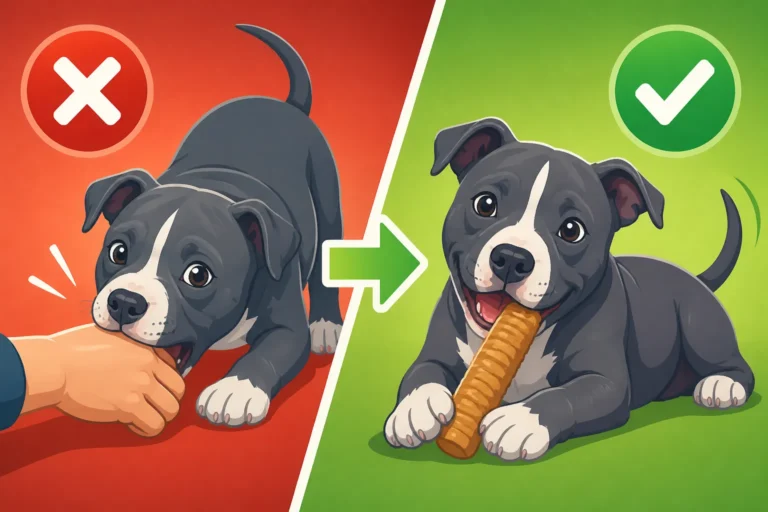
For Pit Bulls, and frankly, for most dogs, positive reinforcement is the gold standard. This approach focuses on rewarding desired behaviors, making training a fun and engaging experience that strengthens your bond with your dog. A trainer committed to positive reinforcement will use treats, toys, praise, and play to motivate your Pit Bull, helping them understand what you want them to do, rather than punishing them for what you don't want. This method is particularly effective for Pit Bulls because they are eager to please and highly food-motivated. It also avoids the potential for fear, stress, or aggression that can arise from aversive methods, which can be especially detrimental to a breed already battling a negative image. When done correctly, positive reinforcement builds a dog's confidence and willingness to learn, fostering a cheerful, enthusiastic training partner. For more on this, check out Positive Reinforcement Training With a Pit Bull. Many online platforms, like BAXTER & Bella, offer comprehensive, positive-reinforcement based curricula that can complement in-person training by giving you a wealth of exercises and support.
Understanding Dog Body Language
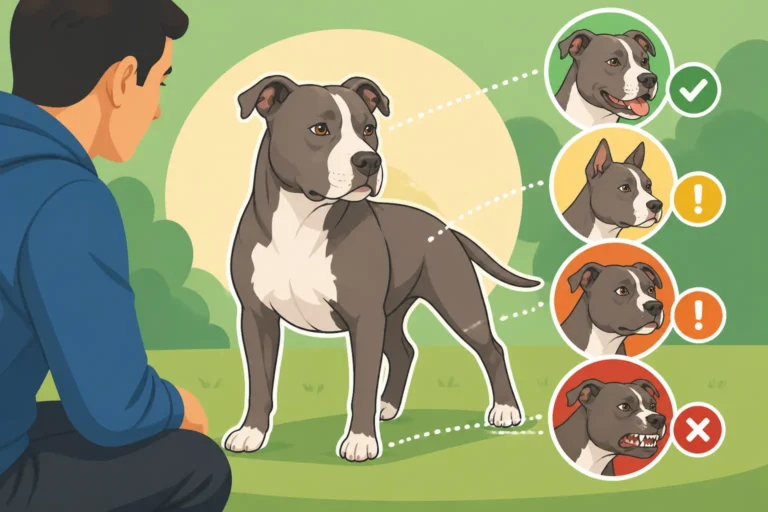
A truly skilled dog trainer has an almost uncanny ability to read a dog's body language. They can spot the subtle signs of stress, confusion, excitement, or fear that an untrained eye might miss. For Pit Bulls, this skill is paramount. Due to their stoic nature or sometimes misread expressions, a Pit Bull's signals can be overlooked, leading to escalation if their discomfort isn't addressed. A trainer who understands body language can intervene before a problem arises, adjusting their approach to ensure your dog is comfortable and learning effectively. They'll also teach you how to read your Pit Bull's cues, empowering you to better understand your dog and communicate with them more clearly. This fundamental skill helps you identify when your Pit Bull is becoming overstimulated, stressed, or uncomfortable in a situation, enabling you to step in and advocate for them. Understanding cues is crucial for interactions, as detailed in Reading Pit Bull Body Language Before a Greeting.
Different Training Philosophies and How They Apply to Pit Bulls
Navigating the world of dog training philosophies can feel like learning a new language. There are varying approaches, and understanding them is crucial, especially when choosing a trainer for a Pit Bull. Each philosophy carries different implications for your dog's well-being and your relationship with them.
Force-Free and Relationship-Based Methods
Force-free, often called "positive-only" or "choice-based," training is rooted in the belief that dogs should never be subjected to physical or psychological intimidation. Instead, it focuses entirely on motivating the dog through rewards and ensuring the dog feels safe and has agency in their learning. This means no choke chains, prong collars, shock collars, or any method that relies on pain or fear to suppress behavior. For a Pit Bull, this approach is often highly recommended. These dogs thrive on strong, trusting relationships, and force-free methods build exactly that. When a Pit Bull learns that engaging with you is always a positive experience, they become an eager and enthusiastic participant in training. This deepens your bond and helps them learn coping mechanisms without the added stress of punishment. For example, if your Pit Bull is leash-reactive, a force-free trainer won't yank on their collar; they'll work on counter-conditioning and desensitization, changing your dog's emotional response to the trigger over time through positive associations.
Balanced Training Approaches and Their Caveats
Balanced training, as the name suggests, aims to use a mix of positive reinforcement for desired behaviors and aversive techniques (like corrections or leash pops) for unwanted behaviors. Proponents argue that dogs live in a balanced world, and therefore need to understand both rewards and consequences. However, the term "balanced" covers a wide spectrum. Some balanced trainers lean heavily towards positive methods and use mild corrections only as a last resort, explained thoroughly. Others might be much more liberal with their use of aversive tools, believing it's the fastest way to get results. For a powerful breed like a Pit Bull, the latter approach can be particularly risky. Harsh corrections can erode trust, increase anxiety, or even lead to reactivity or aggression, especially if misapplied or if the dog doesn't understand why they are being corrected. While some owners find success with balanced methods, it's vital to deeply scrutinize the trainer's specific techniques and ensure they align with your comfort level and your dog's temperament. Remember, what one trainer considers a "mild" correction, another might see as unduly harsh. This distinction is vital when considering Balanced Against Positive Training for a Pit Bull.
The Dangers of Aversive Tools for Pit Bulls
There's a strong argument to be made that certain aversive tools and methods are simply inappropriate for Pit Bulls, given their physical power and the public scrutiny they face. Tools like prong collars, electronic collars (e-collars/shock collars), and choke chains work by creating discomfort or pain to stop an unwanted behavior. While they might suppress a behavior in the short term, they don't teach the dog what to do instead. More critically, for a Pit Bull, these methods can have serious negative consequences. Imagine a Pit Bull who is already feeling anxious or overstimulated in a new environment, and then receives a harsh correction from a prong collar. This can easily escalate their stress, leading to a fear-based reaction or even aggression. Instead of building confidence and trust, it builds fear and resentment. Furthermore, if a Pit Bull develops reactivity or aggression as a result of aversive training, the public perception challenges they already face can intensify, making their lives and yours significantly harder. It's important to understand the discussions around Prong Collars and the Pit Bull Argument and why many experienced Pit Bull handlers advocate against them. There are effective, humane alternatives for almost every training challenge, often involving simply redirecting the dog or managing the environment. If a trainer immediately suggests these tools without first exploring positive reinforcement, it’s a significant red flag.
Where to Find Experienced Pit Bull Trainers
Finding the right trainer for your Pit Bull can sometimes feel like searching for a needle in a haystack, especially with so many options out there. However, focusing your search in specific areas can significantly increase your chances of connecting with someone truly qualified.
Leveraging Breed-Specific Rescues and Communities
One of the absolute best resources for finding an experienced Pit Bull trainer is through breed-specific rescues and online communities dedicated to Pit Bull advocacy. These organizations are typically run by individuals who live and breathe Pit Bulls; they intimately understand the breed's nuances, challenges, and training needs. They often have established relationships with local trainers who have proven success with Pit Bulls, often having rehabilitated dogs with complex behavioral histories. Reaching out to your local Pit Bull rescue group, or joining reputable online forums and social media groups, can provide invaluable recommendations. These communities often share candid experiences and can point you towards trainers who not only have the right methodology but also a deep empathy for the breed. They can also share insights into what to teach a What to Teach a Pit Bull Puppy and When for the best start.
Professional Organizations and Certifications
When seeking a professional, always look for certifications. Reputable dog trainers invest in their education and adhere to ethical standards. Look for certifications from organizations such as:
- CPDT-KA (Certified Professional Dog Trainer – Knowledge Assessed): This credential signifies that a trainer has a certain amount of hands-on experience and has passed an examination on canine behavior, learning theory, and teaching skills.
- KPA-CTP (Karen Pryor Academy Certified Training Partner): These trainers specialize in clicker training and are deeply committed to positive reinforcement and force-free methods.
- IAABC (International Association of Animal Behavior Consultants): This organization certifies trainers and behavior consultants who focus on science-based, humane methods.
These certifications indicate a commitment to modern, humane training techniques. Many of these organizations have online directories where you can search for certified trainers in your area. While certification doesn't guarantee experience with Pit Bulls specifically, it certainly ensures a baseline level of knowledge and adherence to ethical practices, which you can then combine with specific inquiries about their experience with strong, driven breeds.
Online Resources and Directories
Beyond breed-specific groups, general online directories for dog trainers can also be useful, provided you apply your vetting criteria carefully. Websites like the Association of Professional Dog Trainers (APDT) or the Pet Professional Guild (PPG – which is force-free only) allow you to search for trainers by location.
While you won't typically find trainers for hire directly on broad e-commerce platforms like Amazon, you can certainly find highly recommended training books, specialized harnesses, or enrichment toys that a professional trainer might suggest, which you could then purchase easily. For instance, a trainer might recommend a specific brand of puzzle feeder or a durable harness designed for powerful pullers, and Amazon would be a convenient place to find such items. Similarly, online programs such as BAXTER & Bella offer structured, positive reinforcement-based training courses that can be an excellent supplementary resource, providing foundational knowledge and exercises you can practice at home between sessions with an in-person trainer. This can be especially helpful for consistent practice and learning. Always remember to check individual trainer websites, read client testimonials, and cross-reference information found online with your other research.
Here's a quick comparison of training philosophies:
| Philosophy | Core Belief | Primary Tools/Methods | Potential Outcomes for Pit Bulls |
|---|---|---|---|
| Force-Free | Dogs learn best through positive reinforcement and choice. | Treats, toys, praise, clickers, environmental management. | Strong bond, confident dog, enthusiastic learner, reduced risk of fear/aggression. |
| Balanced | Combines rewards for desired behaviors with corrections for unwanted ones. | Treats, praise, various collars (flat, prong, e-collar), leash pops. | Can be effective if corrections are mild and well-timed; high risk of fear/anxiety if corrections are harsh or misunderstood. |
| Aversive-Heavy | Behavior is best suppressed through punishment and physical correction. | Prong collars, choke chains, e-collars, physical intimidation. | Quick suppression of behavior, but high risk of fear, anxiety, aggression, damaged relationship, suppression of natural dog behaviors. |
Interviewing Potential Trainers
Once you’ve identified a few potential candidates, the next crucial step is to interview them. This isn't just a casual chat; it's your opportunity to gauge their expertise, philosophy, and suitability for working with your Pit Bull. Don't be afraid to ask tough questions and trust your gut feelings.
Key Questions to Ask About Their Approach
Prepare a list of specific, open-ended questions that delve into their methodology. You want to understand their philosophy, not just hear buzzwords. Here are some examples:
- "How do you handle leash pulling in a strong, energetic dog like a Pit Bull? What specific tools or techniques do you recommend?"
- "What is your approach to addressing reactivity or dog-selectivity? Can you walk me through a typical exercise you'd use?" This is especially important if your Pit Bull shows traits described in Pit Bull Dog Selectivity Explained.
- "What kind of challenges have you encountered when training Pit Bulls or similar powerful breeds, and how did you resolve them?"
- "What's your stance on using tools like prong collars or e-collars? Under what circumstances, if any, do you recommend them, and what alternatives do you offer?"
- "How do you measure success in your training programs? What can I expect in terms of timeline and results?"
- "How do you involve the owner in the training process? What kind of homework or practice will be expected of me?"
- "Can you provide examples of how you've helped owners prepare their Pit Bulls for tests like the Canine Good Citizen Testing With a Pit Bull?"
- "What happens if my dog isn't responding well to a particular method? How do you adapt your approach?"
A good trainer will welcome these questions and provide clear, thoughtful answers, demonstrating a nuanced understanding of canine behavior and learning.
Observing a Training Session
Words on a website or over the phone are one thing; seeing a trainer in action is another. Most reputable trainers will offer or allow you to observe a group class or a private session with another client (with their permission, of course). This is an invaluable opportunity to see their methods firsthand. Pay close attention to:
- Their interaction with the dogs: Are they calm, patient, and clear? Do the dogs seem engaged and happy, or stressed and shut down?
- Their interaction with the owners: Are they good communicators? Do they explain things clearly and provide constructive feedback?
- The overall atmosphere: Is it positive, productive, and respectful of both dogs and humans?
- The tools they use: Do they align with what they told you in your interview?
If a trainer is hesitant or outright refuses to let you observe a session, that's a significant red flag. You want transparency in their work, especially when it comes to entrusting them with your beloved Pit Bull.
Checking References and Credentials
Just as you would for any professional, always check a trainer's references. Ask them for contact information for previous clients, particularly those with Pit Bulls or similar breeds, and actually call them. Ask those references about their experience, the results they saw, and whether they would recommend the trainer. Inquire about how the trainer handled difficult situations or if they felt supported throughout the process.
Furthermore, verify any certifications or affiliations they claim. Visit the websites of the certifying bodies (e.g., CCPDT, KPA, IAABC) to confirm that the trainer is listed and their credentials are current. This due diligence can save you a lot of heartache and expense down the road, ensuring you're working with a genuinely qualified professional. You want a trainer who has a solid track record, not just someone with a slick website.
Red Flags to Watch Out For
While finding a great trainer is empowering, it's equally important to be aware of the warning signs that indicate a trainer might not be the right fit, or worse, could be detrimental to your Pit Bull's well-being. Knowing these red flags can help you steer clear of ineffective or harmful approaches.
Guarantees of Success and Quick Fixes
Be extremely wary of any trainer who guarantees immediate results or promises to "fix" your Pit Bull's complex behavioral issues in just a few sessions. Dog training, especially for behaviors that have been ingrained or are rooted in fear or anxiety, is a process, not a magic trick. It requires consistent effort from both the trainer and, crucially, from you, the owner. Promises of overnight transformations often rely on quick suppression of behavior through aversive methods, which, as discussed, can have severe negative consequences for a Pit Bull. A responsible trainer will be realistic about timelines, acknowledging that every dog learns at their own pace and that progress can ebb and flow. They'll emphasize building foundational skills and addressing the root cause of behaviors, rather than just patching over symptoms. If it sounds too good to be true, it probably is.
Lack of Transparency and Communication
A good trainer operates with complete transparency. They should be willing and able to explain their methods, the science behind them, and what you can expect at every stage. If a trainer is vague about their techniques, uses jargon without explaining it, or seems uncomfortable answering your questions, consider that a major red flag. Similarly, poor communication is a deal-breaker. You should expect clear instructions, timely responses to your inquiries, and consistent feedback on your Pit Bull's progress. If a trainer dismisses your concerns, blames your dog, or makes you feel uncomfortable or inadequate, it’s not a healthy partnership. This is particularly important for Pit Bulls, who often need their owners to be strong advocates for them. You need to feel empowered, not belittled, by your trainer.
Over-Reliance on Aversive Methods
This is perhaps the biggest red flag, especially for Pit Bulls. If a trainer's primary tools are prong collars, choke chains, electronic shock collars, or if they advocate for physical intimidation (like alpha rolls, scruff shakes, or harsh verbal reprimands), walk away immediately. While some trainers label themselves "balanced," an over-reliance on these tools, particularly as a first resort rather than a carefully considered last option, is concerning. For a powerful and often sensitive breed like a Pit Bull, these methods can suppress behavior out of fear, rather than fostering genuine learning and a positive emotional state. This can damage the crucial bond between you and your dog, lead to increased anxiety, or even trigger defensive aggression. Instead of addressing the underlying reasons for a behavior, such methods simply shut it down, often with unintended and dangerous side effects. Remember, a trainer should be teaching you and your Pit Bull; they should not be coercing either of you. You want a trainer who understands Why Harsh Handling Backfires on a Pit Bull and prioritizes your dog's welfare and your relationship.
Disclaimer
This article is for general informational purposes only and does not constitute professional advice. Laws, prices and regulations vary by location and change over time. Consult a qualified professional for guidance on your specific situation.