When a Pit Bull’s Manners Slip Because It Itches
It’s incredibly frustrating when your otherwise well-behaved Pit Bull suddenly starts acting out, perhaps becoming nippy, restless, or disobedient, and you just can’t pinpoint why. Often, what looks like a training regression or a new behavioral problem can actually be a direct result of chronic itching or discomfort. This guide will help you understand the deep connection between skin irritation and behavior in Pit Bulls, providing actionable steps to identify the root cause and restore both your dog's comfort and its good manners.
The Unseen Link Between Skin Irritation and Pit Bull Behavior
When your Pit Bull is constantly battling an itch, it’s not just an inconvenience; it’s a pervasive, irritating sensation that can severely impact their mood and ability to cope with everyday life. Imagine trying to concentrate or be polite when you’re plagued by an unbearable itch that never truly goes away. Our dogs experience something similar, and it manifests in ways that are often mistaken for defiance or poor training. Understanding this fundamental connection is the first step toward effective management.
The Constant Distraction of an Itch
A persistent itch acts like a relentless distraction, making it incredibly difficult for your Pit Bull to focus on commands, engage calmly with family members, or relax in their own home. It’s not that they’re choosing to ignore you; their brain is simply overwhelmed by the sensation of discomfort. They might be trying to scratch, lick, or rub themselves, and any attempt to interrupt this behavior can be met with frustration, leading to snappiness or withdrawal. This constant internal battle can erode their patience and make them seem much more high-strung than they truly are.
Think about a time you had a bad sunburn or a mosquito bite that just wouldn't quit. Every small thing became an annoyance. Now imagine that feeling, amplified, and lasting for days or weeks. This mental toll makes it incredibly hard for your Pit Bull to process information, follow cues, or even tolerate routine handling. When a normally bombproof dog starts A Pit Bull Snapping During a Skin Flare or acting grumpy, a deep dive into their physical comfort is always warranted.
How Discomfort Drives Behavioral Changes
Beyond simple distraction, chronic itching creates genuine physical discomfort, and sometimes pain, that can profoundly alter a Pit Bull’s disposition. Their skin might be inflamed, cracked, or secondarily infected, making even light touches painful. This can lead to increased irritability, a lowered tolerance for social interaction, and even guarding behaviors around their affected areas. What looks like aggression might actually be a defensive reaction to anticipated pain when approached.
For instance, a dog might previously have loved belly rubs, but if their belly is a mass of red, irritated skin, that same touch could now be incredibly uncomfortable, leading them to growl or snap. This isn't malice; it's self-preservation. Identifying where the itch is most severe can give you clues about potential behavioral hotspots. They might become wary of being handled around their ears if they have a constant ear infection or flinch when their paws are touched if they're Pit Bull Paw Licking and Chewing incessantly.
Common Causes of Pit Bull Itching
Pit Bulls, with their often sensitive skin and genetic predispositions, are unfortunately prone to a variety of conditions that can lead to chronic itching. Pinpointing the exact cause is crucial for effective treatment and, by extension, for resolving any associated behavioral issues. It's rarely a single, simple thing; often, multiple factors contribute to a full-blown flare-up.
Environmental Allergies Atopy
One of the most frequent culprits behind itching in Pit Bulls is environmental allergies, often referred to as atopy. Just like humans can suffer from hay fever, Pit Bulls can react to common allergens like pollen, dust mites, and molds. These airborne particles settle on their skin, triggering an immune response that manifests as intense itching, redness, and inflammation. The itching tends to be seasonal if it's pollen-related, but can be year-round if dust mites are the primary allergen.
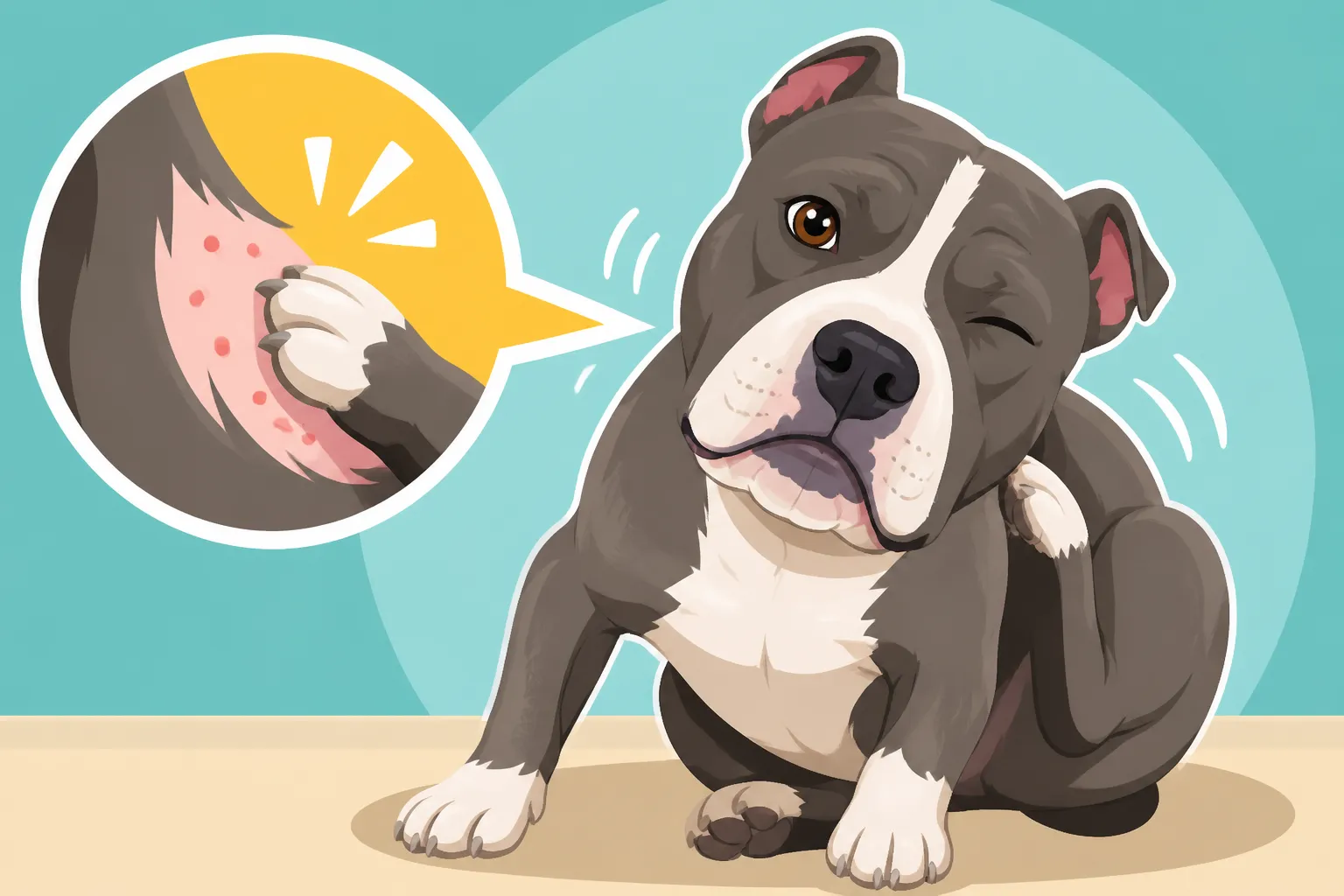
You might notice your Pit Bull developing Pit Bull Atopy and Seasonal Itching, especially on their paws, belly, armpits, and face. They'll lick their paws incessantly, rub their face on the carpet, or scratch their sides with a frantic energy that seems almost obsessive. This isn't just a minor annoyance for them; it's a profound, systemic reaction that makes their skin incredibly uncomfortable. Without intervention, these areas can become raw and infected, exacerbating the problem.
Food Sensitivities and Allergies
While environmental allergies are quite common, food allergies and sensitivities can also be a significant source of chronic itching in Pit Bulls. Unlike environmental allergies, food-related issues often cause year-round itching and can be accompanied by gastrointestinal upset like diarrhea or vomiting, though sometimes skin signs are the only clue. Common allergens include proteins like chicken, beef, dairy, or grains, but any ingredient can theoretically trigger a reaction.
If you suspect food is the issue, your vet might recommend an elimination diet, which involves feeding a novel protein and carbohydrate source for an extended period, typically eight weeks, to see if symptoms resolve. This takes dedication, but it's often the most reliable way to identify a dietary trigger. Ignoring this possibility can mean prolonged suffering for your dog and persistent behavioral struggles. When Food Allergies Behind Pit Bull Itching are at play, finding the right diet can be a game-changer for their comfort and demeanor.
Parasites and Other Skin Conditions
Beyond allergies, various other skin conditions and external parasites can cause intense itching. Fleas are a classic example; even a single flea bite can trigger a massive allergic reaction in a flea-allergic Pit Bull, leading to widespread itching and scratching. Mites, such as those causing sarcoptic or demodectic mange, can also cause severe skin irritation, hair loss, and relentless itching.
Bacterial or yeast infections are also very common, often occurring as secondary issues once the skin barrier is compromised by allergies or scratching. These infections create their own intense itch and contribute to a vicious cycle of scratching, inflammation, and further infection. It's why vets often prescribe antibiotics or antifungals in addition to allergy medications. Don't overlook the obvious; ensure your Pit Bull is on year-round parasite prevention, and get any persistent rashes or lesions checked out promptly. Demodex Mange in a Pit Bull can be particularly uncomfortable and certainly impact a dog's general happiness.
Recognizing the Signs of Itch-Related Behavioral Changes
It's easy to dismiss a Pit Bull's sudden grumpiness or refusal to engage as a training issue, especially if their skin doesn't look overtly terrible. However, subtle behavioral shifts can often be the earliest indicators that your dog is struggling with an itch. Learning to "read" these cues can help you intervene before the problem escalates.
Increased Irritability and Low Tolerance
One of the most common behavioral changes you'll notice in an itchy Pit Bull is a generalized increase in irritability and a much lower tolerance for everyday interactions. They might snap at family members for minor transgressions, growl when a child approaches, or seem more on edge around other pets. What once was a gentle nudge might now be met with a sharp reaction. This isn't aggression for aggression's sake, but rather a manifestation of their discomfort.
A dog that is constantly battling an itch has less "bandwidth" for patience. Their nervous system is on high alert, and small stimuli that they would normally ignore can now feel overwhelming. If your typically tolerant Pit Bull suddenly seems to have a short fuse, especially when being touched or disturbed during rest, it's a strong signal to investigate potential underlying physical discomfort. They might also shy away from being petted or groomed, even if they previously enjoyed it. If you’ve observed A Pit Bull Snapping Because Its Skin Hurts, you’re already witnessing this link directly.
Restlessness, Pacing, and Difficulty Settling
An itchy Pit Bull will often struggle to settle down, exhibiting restlessness, pacing, and difficulty finding a comfortable position. They might constantly shift, lick, scratch, or rub against furniture, trying to alleviate the relentless sensation. This can be particularly noticeable at night, leading to disturbed sleep for both dog and owner. The constant urge to itch makes true relaxation impossible, disrupting their natural rhythms and contributing to overall stress.
This inability to settle can look like hyperactivity or anxiety, but it’s rooted in their physical state. You might find them pacing the house when they should be sleeping, or getting up and down repeatedly from their bed. This constant movement, while seemingly energetic, is actually a sign of distress and a desperate attempt to find relief. For a normally calm dog, this shift in energy levels is a significant red flag.
Withdrawal, Lethargy, and Loss of Interest
On the flip side of irritability and restlessness, some Pit Bulls may react to chronic itching by withdrawing, becoming lethargic, or losing interest in activities they once loved. The constant discomfort and lack of quality sleep can simply exhaust them, draining their energy and desire to play, train, or interact. They might spend more time sleeping (or trying to sleep) and less time engaging with their family.
This withdrawal isn't always obvious; it can be subtle, like a slightly slower response to a favorite toy or a less enthusiastic greeting at the door. They might also hide away more, seeking quiet spots where they can scratch in peace. It's a clear sign that their overall well-being is compromised. If your energetic Pit Bull suddenly seems subdued and uninterested, it's worth considering if an underlying itch is stealing their joy and vitality, perhaps even leading to A Pit Bull That Refuses Food for a Day.
Here's a quick reference table to help identify these shifts:
| Behavioral Change | Common Manifestations | Underlying Itch-Related Cause |
|---|---|---|
| Increased Irritability | Growling, snapping, short temper, flinching when touched | Pain/discomfort from inflamed skin, low patience, defensive reaction |
| Restlessness | Pacing, inability to settle, frequent scratching/licking | Constant urge to relieve itch, discomfort, disrupted sleep |
| Withdrawal/Lethargy | Hiding, decreased play, less enthusiastic greetings | Exhaustion from chronic itching, general malaise, depression |
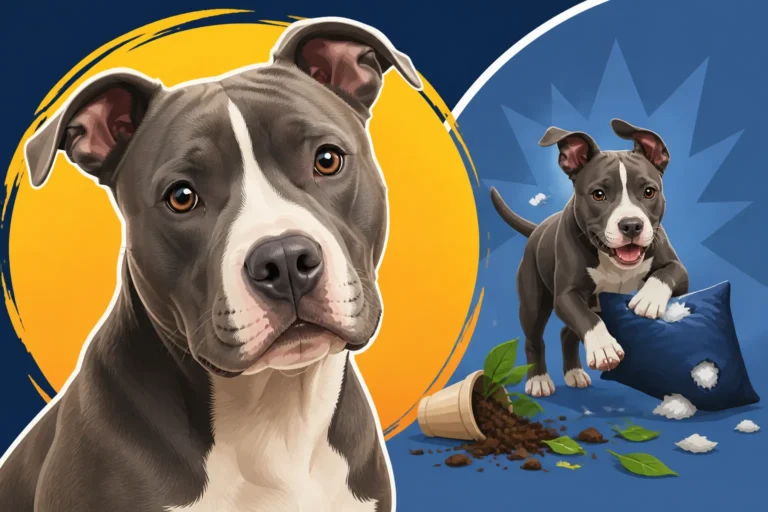
| Destructive Chewing | Chewing furniture, bedding, self-mutilation | Redirected frustration, desperate attempt to relieve deep itch |
| "Nipping" at Handlers | Mouthiness during petting or collar grabs | Pain response, communication of discomfort, startle reflex |
Immediate Steps to Manage an Itchy Pit Bull's Behavior
When you notice these behavioral changes, the first priority is to alleviate your Pit Bull's immediate discomfort. While a vet visit is essential for diagnosis and long-term treatment, there are things you can do right now to make your dog more comfortable and de-escalate behavioral issues.
Soothing Baths and Topical Treatments
One of the quickest ways to provide relief for an itchy Pit Bull is a soothing bath. Specialized medicated shampoos, often containing ingredients like chlorhexidine, miconazole, or colloidal oatmeal, can help calm irritated skin, reduce inflammation, and address secondary bacterial or yeast infections. Follow your vet's instructions on specific products and contact times, as many medicated shampoos require a good 10-15 minutes on the skin to be effective.
After the bath, ensure your Pit Bull is thoroughly dried, especially in skin folds, to prevent further irritation. Your vet might also prescribe topical sprays, creams, or mousse for localized hotspots or areas of intense itching. You can often find a good selection of these products, recommended by your vet, on platforms like Amazon for convenient delivery. Remember, these are temporary fixes designed to bring comfort while you work on a long-term solution. Medicated Baths for a Pit Bull With Atopy can be a lifeline during a severe flare-up.
Managing Environmental Triggers
If environmental allergies are suspected, taking steps to reduce exposure to allergens can offer immediate relief. This might include wiping your Pit Bull's paws and belly after outdoor excursions with a damp cloth to remove pollen, especially during peak allergy season. Running a HEPA air filter in your home can help reduce dust mites and airborne allergens indoors. Regularly washing your dog's bedding in hot water can also significantly cut down on dust mite populations.
While you can't eliminate all allergens, reducing the load can make a noticeable difference in your dog's comfort level and, consequently, their demeanor. Consider scheduling walks during times when pollen counts are lower, or exploring different routes if certain areas seem to trigger more intense itching. Every small reduction in allergen exposure helps.
Short-Term Comfort and Enrichment
While your Pit Bull is itchy and uncomfortable, focus on providing extra comfort and low-stress enrichment. This might mean offering a soft, clean bed, providing gentle attention (avoiding overly sensitive areas), and engaging in calm, distracting activities. Puzzle toys, snuffle mats, or a frozen Kong can provide mental stimulation and redirect their focus away from the itch for a period.
During this time, it's also crucial to maintain a calm and predictable household environment. Avoid loud noises, sudden movements, or anything that could add to their stress levels. If their manners have slipped, avoid situations that might set them up for failure. Instead of a bustling dog park, opt for quiet, solo walks. Offer high-value treats for calm behavior, even if it's just lying quietly, to reinforce desirable actions. This period is about empathy and managing their environment to support their well-being.
Long-Term Strategies for Itch and Behavior Management
Addressing the immediate discomfort is vital, but sustainable relief and consistent good behavior require a comprehensive, long-term approach. This involves working closely with your veterinarian to diagnose and treat the underlying medical condition, alongside adapting your training and management strategies.
Veterinary Diagnosis and Treatment Plans
The cornerstone of long-term management is a thorough veterinary diagnosis. Your vet may recommend allergy testing (blood or intradermal skin testing), skin scrapings to check for mites, fungal cultures, or a restricted diet trial to pinpoint the cause of the itching. Once the cause is identified, a tailored treatment plan can be developed. This might include prescription medications like Apoquel or Cytopoint for allergy relief, antibiotics or antifungals for secondary infections, or even allergen-specific immunotherapy (allergy shots) to desensitize your Pit Bull over time.
It's important to understand that many chronic skin conditions, especially allergies, require ongoing management, not a one-time cure. Stick diligently to your vet's treatment schedule, even if your dog seems better, as discontinuing medication prematurely can lead to relapses. Regular follow-up appointments are crucial to monitor progress and adjust the treatment plan as needed. This dedicated approach not only alleviates the itch but also helps stabilize your Pit Bull's mood and behavior. For Pit Bull Ear Infections and Allergy Links, long-term management might involve regular cleaning with specific solutions as well as addressing the underlying allergy.
Dietary Adjustments and Supplements
Nutrition plays a significant role in skin health. If food allergies are identified, switching to a prescription hydrolyzed protein diet or a novel protein diet is essential. Even if allergies aren't food-related, a high-quality diet rich in omega-3 and omega-6 fatty acids can support a healthy skin barrier and reduce inflammation. These fatty acids can often be supplemented in capsule or liquid form, and you can find many reputable options on Amazon after consulting your vet.
Avoid making dietary changes without veterinary guidance, as incorrectly formulated home-cooked meals or unproven "allergy" foods can actually worsen the problem or lead to nutritional deficiencies. Managing Pit Bull Skin Through Diet and Bathing is a holistic approach that often yields the best results, improving skin integrity from the inside out.
Consistent Training and Positive Reinforcement
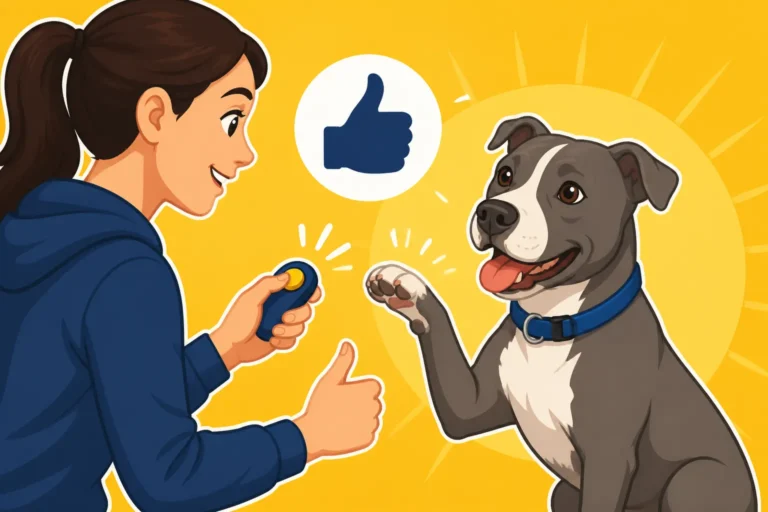
Even when your Pit Bull is dealing with an itch, maintaining consistent training with positive reinforcement is key, though you might need to adjust your expectations and approach. Focus on short, engaging sessions that don't add stress. Reward calm behavior heavily. If your dog is too distracted or uncomfortable to focus, keep the sessions very brief or postpone them until they are more comfortable.
During periods of discomfort, it’s even more vital to build a strong foundation of Positive Reinforcement Training With a Pit Bull. This fosters trust and a positive relationship, which your dog will lean on when they're feeling vulnerable. Training resources like those offered by BAXTER & Bella can provide guidance on maintaining consistency and finding creative ways to engage your dog, even when they're not at their best. Reinforce good manners whenever possible, and use management strategies (like leashes, gates, or crates) to prevent problematic behaviors from occurring if their tolerance is low.
When to Seek Professional Help
While general tips can help, there are times when an itchy Pit Bull's behavioral changes warrant immediate professional intervention. Knowing when to escalate your concerns can prevent prolonged suffering for your dog and more serious behavioral fallout.
Persistent Symptoms Despite Home Care
If you've been diligently applying home remedies, trying soothing baths, and managing environmental triggers, but your Pit Bull's itching and associated behavioral issues persist or worsen, it's time for a professional veterinary consultation. Persistent, uncontrolled itching often indicates a deeper underlying medical problem that requires prescription medication or a more advanced diagnostic workup.
Don't wait until the skin is raw, bleeding, or severely infected. Early intervention can prevent secondary infections and chronic changes to the skin that are much harder to treat. Moreover, prolonged discomfort takes a toll on your dog's mental health. If you feel like you're constantly battling the itch and seeing no real improvement, your vet is your best ally in finding a targeted solution.
Aggression or Severe Behavioral Changes
Any escalation to aggression, such as growling, snapping, or biting, even if seemingly provoked by touch, is a serious sign that requires immediate professional attention. While these behaviors might be rooted in pain or discomfort, they still need to be addressed safely and effectively. A dog who is A Pit Bull Snapping Because Its Skin Hurts needs immediate help to manage both the pain and the associated behavioral risk.
Beyond your regular veterinarian, consider consulting a board-certified veterinary dermatologist for skin issues and a certified professional dog trainer or veterinary behaviorist for behavioral concerns, especially if the changes are severe or if you feel unsafe. These specialists can work in tandem to create a holistic treatment and management plan that addresses both the physical and psychological aspects of your Pit Bull's condition. Never attempt to "train away" pain-induced aggression; you must address the underlying pain first.
Impact on Quality of Life for Dog and Owner
Finally, if the chronic itching and its associated behavioral problems are significantly impacting your Pit Bull's quality of life, or your own, it's a clear signal to seek professional help. A dog who is constantly miserable, unable to sleep, or withdrawn isn't living their best life. Similarly, if you are stressed, frustrated, or feeling overwhelmed by managing your dog's constant itching and unpredictable behavior, you both deserve support.
A professional can help assess the situation objectively, offer solutions you might not have considered, and provide a clear path forward. They can help you determine if the current treatment is effective, explore new options, and even guide you on managing your dog's environment to minimize stress for everyone involved. Sometimes, simply having a plan and professional guidance can bring immense relief to owners who feel lost in the struggle.
Disclaimer
This article is for general informational purposes only and does not constitute professional advice. Laws, prices and regulations vary by location and change over time. Consult a qualified professional for guidance on your specific situation.