A Pit Bull Snapping Because Its Skin Hurts
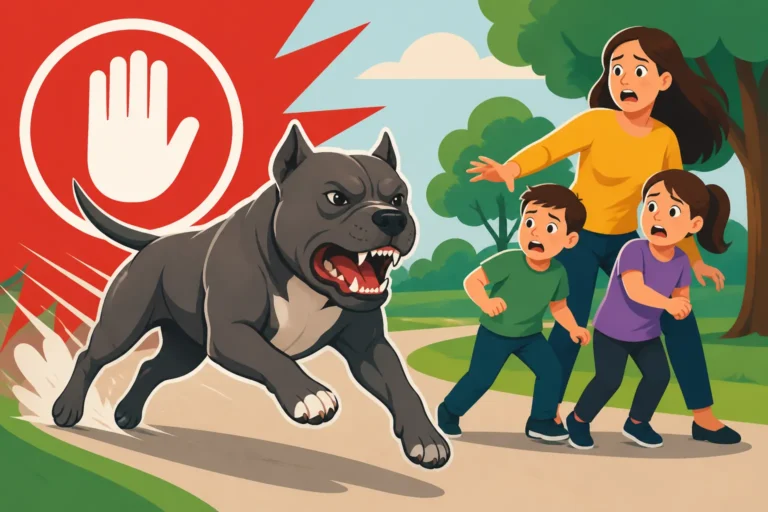
It's absolutely heartbreaking and incredibly confusing when your usually sweet, goofy Pit Bull suddenly snaps or growls, especially if it seems to come out of nowhere. You expect loyalty and affection, and when that bond feels threatened by an unexpected display of aggression, it can leave you feeling worried, guilty, and even a little afraid. Often, these sudden behavioral shifts aren't about aggression at all, but rather a desperate cry for help: your dog is in pain, and their skin might be the culprit. This guide will help you understand why a Pit Bull might snap due to skin discomfort and what you can do about it.
The Hidden Language of Pain: Why Skin Hurts Enough to Make a Pit Bull Snap
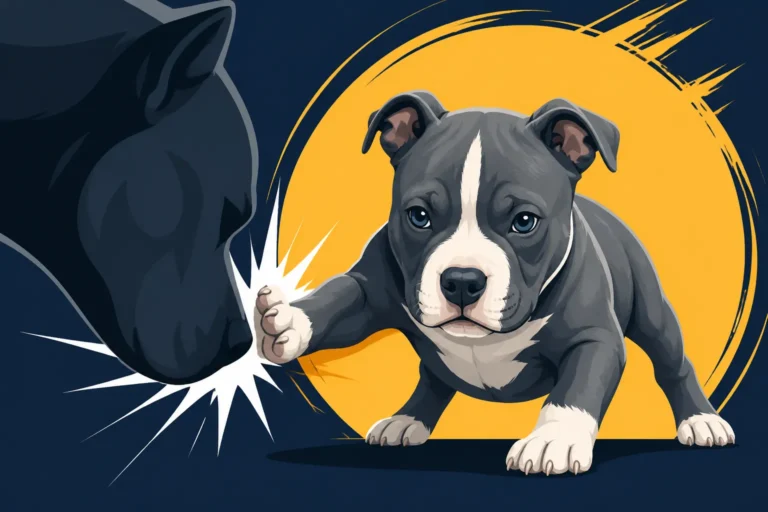
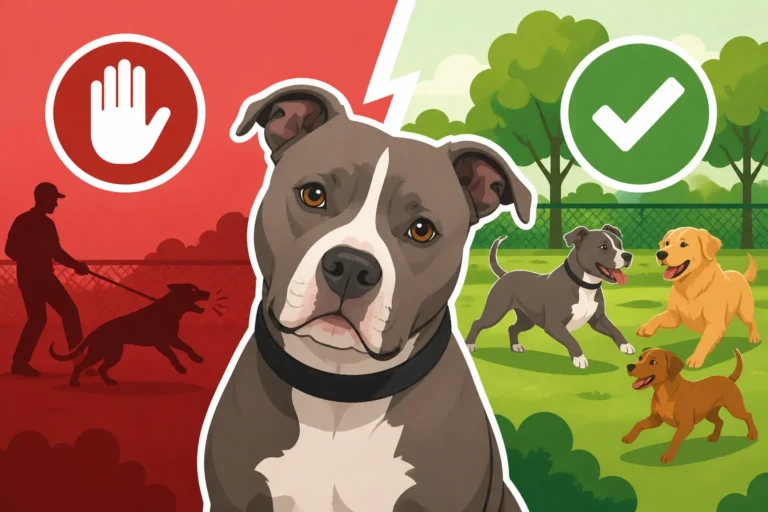
Pit Bulls, with their resilient nature and sometimes undeserved tough reputation, can be incredibly stoic when it comes to pain. They often won't yelp or limp until discomfort becomes truly unbearable. This means that subtle, chronic pain, especially from widespread skin irritation, can build up silently until it erupts in a snap or growl when they feel vulnerable or are inadvertently touched in a sensitive spot. It’s not an act of malice; it’s a self-preservation instinct when their personal boundaries are being violated by pain.
Understanding the Pit Bull's Pain Threshold
Our Pit Bulls are strong, muscular dogs, and they’re often bred with a high pain tolerance. This trait, while sometimes useful for working dogs, can make it incredibly difficult for owners to spot early signs of discomfort. They might endure intense itching, burning, or throbbing pain from skin conditions for days, even weeks, before showing overt symptoms. By the time they snap, they’ve likely been suffering in silence for a while. Imagine having a constant, irritating itch or a burning rash that you can't properly scratch or soothe, and then someone accidentally brushes against that tender spot. Your reaction might be sharp, too. For a Pit Bull, this instinct to guard their painful area can manifest as a quick, uncharacteristic warning snap.
When Affection Turns to Aggression
One of the most distressing aspects of pain-induced snapping is when it occurs during moments that should be joyful and loving, like petting, grooming, or even just cuddling on the couch. You reach out to scratch behind their ears, or perhaps brush their coat, and suddenly, you're met with a growl or a quick lunge. This isn't your dog being mean; it's their primal brain screaming "stop!" because that touch, intended as love, just sent a jolt of pain through their inflamed skin. It can shatter trust, both yours and theirs, if not understood for what it is. Recognizing that this behavior stems from pain, rather than aggression, is the first critical step in addressing the issue and rebuilding that bond.
Identifying the Physical Signs of Skin Pain in Your Pit Bull
Before a snap, there are almost always more subtle indicators that your Pit Bull is experiencing skin discomfort. Learning to recognize these earlier signs can help you intervene before the situation escalates to reactive behavior. These signs might be easy to miss, especially if you’re not looking for them, but they’re your Pit Bull’s way of communicating distress.
Subtle Behavioral Shifts Linked to Skin Irritation
Beyond the obvious scratching, your Pit Bull might exhibit a range of behavioral changes when dealing with painful skin. Pay close attention to these nuances:
- Excessive Licking or Chewing: This is often the first clue. They might lick their paws relentlessly, chew at their legs or flanks, or rub their face against furniture or the carpet. This isn't just grooming; it's an attempt to soothe an intense itch or alleviate a burning sensation. Consistent licking can lead to secondary infections and hot spots, which then become even more painful. If you notice your Pit Bull frequently performing A Pit Bull Chewing Its Feet Through the Night or A Pit Bull Rubbing Its Face on the Carpet, it's a strong indicator of underlying skin issues.
- Restlessness and Difficulty Settling: A dog in constant discomfort struggles to relax. They might pace, shift positions frequently, or wake themselves up scratching. You might notice them unable to get comfortable in their favorite sleeping spots, constantly getting up and moving.
- Changes in Play or Interaction: A Pit Bull in pain might become less interested in play, or if they do play, they might stop suddenly. They might also pull away when you try to pet them in certain areas, or even flinch before you touch them, anticipating pain. This isn't a loss of affection but a desperate attempt to avoid worsening their discomfort.
- Increased Irritability or Guarding: They might become more easily startled, less tolerant of other pets or children, and generally grumpier. They may start to guard specific areas of their body, like a hot spot on their flank, turning their head or growling if you approach it too quickly. This guarding instinct is a defense mechanism.
Visual Clues on Your Pit Bull's Skin and Coat
A thorough visual inspection of your Pit Bull’s skin can reveal a lot. Their short coats often make it easier to see changes, but you need to know what to look for.
- Redness and Inflammation: Check for areas of redness, especially in skin folds, armpits, groin, or between their toes. This often indicates inflammation.
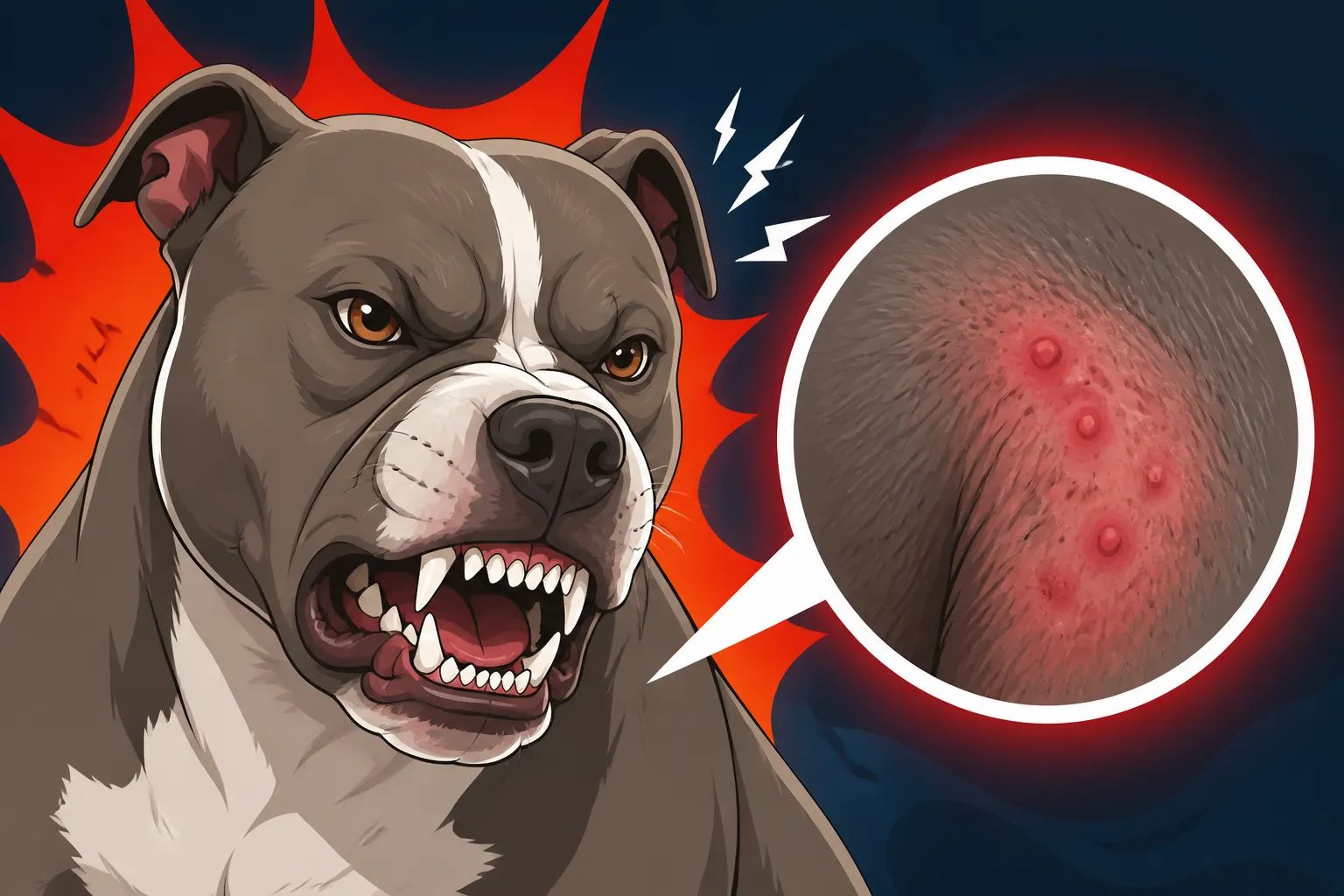
- Rashes, Bumps, or Pustules: Small red bumps, pus-filled pustules, or crusty patches are all signs of infection, often secondary to an initial irritation.
- Hair Loss or Thinning Coat: Patchy hair loss, particularly around the ears, eyes, flanks, or tail base, can point to allergies, parasites, or mange. In some cases, chronic licking and chewing can also lead to self-inflicted hair loss.
- Thickened, Leathery Skin (Lichenification): Long-term irritation causes the skin to thicken and darken, sometimes resembling elephant hide. This is a sign of chronic inflammation and discomfort.
- Greasy Skin or Unpleasant Odor: A greasy coat texture or a yeasty, pungent smell often accompanies secondary yeast infections, which can be very itchy and uncomfortable.
- Open Sores or Scabs: These are clear indicators of trauma, either from self-mutilation (scratching, biting) or a primary skin issue. Open sores are prone to infection and are acutely painful.
By paying close attention to both your Pit Bull’s behavior and their physical condition, you can often identify skin pain before it escalates to a warning snap. Early detection means faster relief and a happier dog.
Common Skin Conditions Causing Severe Pain in Pit Bulls
Several skin conditions are particularly common in Pit Bulls and can cause intense discomfort leading to behavioral changes. Understanding these conditions is key to seeking appropriate veterinary care.
Allergies: The Root of Many Pit Bull Skin Woes
Pit Bulls are notorious for their sensitive skin and propensity for allergies. Both environmental (atopic dermatitis) and food allergies can cause relentless itching and inflammation, turning their skin into a battleground.
- Environmental Allergies (Atopy): Pollen, dust mites, mold spores – these common environmental allergens can trigger an immune response in susceptible Pit Bulls. The itching can be seasonal or year-round, affecting their paws, ears, belly, and armpits. Constant scratching and licking break the skin barrier, allowing bacteria and yeast to move in, creating secondary infections that amplify the pain. A dog suffering from Pit Bull Skin Allergies and the Atopy Pattern is often in a constant state of low-grade discomfort, which can make them touch-averse. Over time, this chronic itching can lead to raw, bleeding skin that is excruciatingly tender.
- Food Allergies: Less common than environmental allergies, but equally frustrating, food allergies in Pit Bulls often manifest as intense itching, particularly around the face, ears, and paws, sometimes accompanied by gastrointestinal upset. Certain protein sources, like chicken or beef, are common culprits. An Eight Week Food Trial on an Itchy Pit Bull might be necessary to identify triggers. The continuous itch from food allergies can make a Pit Bull desperate for relief, leading to frantic scratching, chewing, and the development of painful hot spots or infections. When their skin is perpetually irritated by something they're eating, their patience for being touched can wear incredibly thin.
Hot Spots and Secondary Infections: Acute Pain Overnight
Hot spots, or acute moist dermatitis, are painful, rapidly spreading skin infections that can appear almost overnight. They are often triggered by an initial itch – a flea bite, an allergy flare, or even a matted patch of fur – that the dog then licks, chews, and scratches excessively.
- Rapid Progression and Intense Pain: A hot spot starts as a small red patch but quickly becomes a raw, oozing, painful lesion because the dog won't leave it alone. The moist environment is a breeding ground for bacteria, making the infection worse. Pit Bulls, with their strong drive to "fix" an itch, can turn a minor irritation into a serious problem in hours. Pit Bull Hot Spots That Appear Overnight are a common sight for owners of allergic dogs.
- Why They Cause Snapping: Imagine a raw, weeping wound on your skin. Even the gentlest touch would be agonizing. Hot spots are incredibly tender, and if you accidentally brush against one, or if your dog anticipates you might, a snap is a very understandable, albeit unwelcome, response. These lesions cause acute, throbbing pain, making the dog extremely guarded about the affected area.
Mange and Other Parasitic Irritations
While less common than allergies, parasitic infestations can also cause severe skin irritation and pain.
- Demodectic Mange: This type of mange is caused by microscopic mites that live in the hair follicles. While most dogs have these mites, an overgrowth can occur, especially in puppies or immunocompromised adult Pit Bulls. It leads to patchy hair loss, redness, and sometimes secondary infections. While not always intensely itchy, the skin can become very inflamed and painful, making grooming or handling difficult. If you notice Demodex Patches on a Pit Bull Face, it's important to get a diagnosis.
- Sarcoptic Mange (Scabies): This highly contagious mite causes excruciating, relentless itching that can drive a dog to distraction. The itching is often so severe that dogs will chew and scratch themselves raw, leading to widespread skin damage, crusting, and infection. The constant, maddening itch and resulting pain can make a Pit Bull extremely agitated and reactive to touch, as even light contact can trigger an intense urge to scratch.
| Skin Condition | Primary Cause | Key Symptoms | Pain/Discomfort Level | Snapping Risk |
|---|---|---|---|---|
| Allergic Dermatitis | Environmental or Food | Intense itching, redness, paw licking, ear issues | Moderate to High | High, especially during flare-ups or if skin is raw |
| Hot Spots | Self-trauma (licking/chewing) | Red, moist, oozing, painful lesions, rapid onset | High | Very High, due to acute pain in localized area |
| Demodex Mange | Mite overgrowth | Patchy hair loss, redness, scaling, thickened skin | Moderate | Moderate, if skin is inflamed and sensitive |
| Sarcoptic Mange | Contagious mites | Extreme itching, hair loss, scabs, crusting | Very High | High, due to relentless, maddening itch and discomfort |
| Pyoderma (Bacterial) | Bacterial infection | Pustules, crusts, red bumps, odor | Moderate to High | Moderate, if skin is sore or infection is deep |
| Yeast Infections | Yeast overgrowth | Greasy skin, odor, redness, dark patches in folds | Moderate | Moderate, due to chronic itch and irritation |
Understanding these specific conditions helps explain why your Pit Bull might be reacting so strongly. It's not personal; it's pain.
What to Do When Your Pit Bull Snaps Due to Skin Pain
Witnessing your Pit Bull snap, especially when you know it's due to pain, is distressing. Your immediate priorities are ensuring safety for everyone and getting your dog the professional help they need.
Ensuring Safety and Minimizing Stress
When your Pit Bull is in pain and reactive, approach with extreme caution. Your goal is to alleviate their distress without putting yourself or others at risk.
- Stop All Interaction Immediately: If your dog snaps or growls, immediately back away. Do not punish or scold them. This will only increase their stress and fear, potentially escalating the situation. They are telling you they are hurting and need space.
- Assess the Situation from a Distance: Try to observe which areas of their body they are guarding or showing discomfort in. Are they licking a specific spot? Is there visible redness or a lesion?
- Create a Safe, Quiet Space: Gently guide your Pit Bull to a calm area where they can be alone and not feel threatened. This might be their crate, a separate room, or a quiet corner of the house. Offer a high-value chew or toy to distract them if they are amenable.
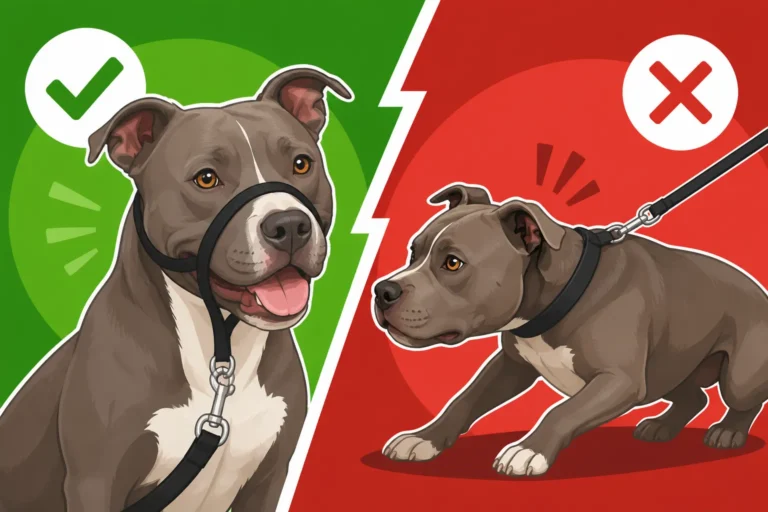
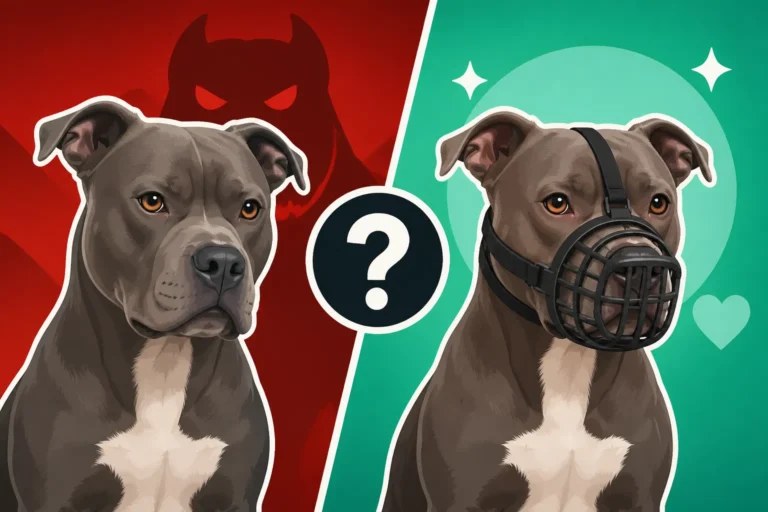
- Use a Muzzle if Necessary for Examination: If you must examine your dog or transport them to the vet and you anticipate reactivity, a muzzle can be a crucial safety tool. This isn't punishment; it's responsible management. If your Pit Bull isn't already Muzzle Training Every Pit Bull Should Have, now is the time to start teaching it positively for future vet visits or grooming. This tool allows professionals to safely treat your dog without fear of being bitten, which ultimately benefits your Pit Bull. You can find comfortable basket muzzles that allow panting and drinking on sites like Amazon.
- Avoid Triggers: If you know certain touches or movements cause pain, avoid them. If grooming is the issue, postpone it until you’ve seen a vet. If a family member or another pet is inadvertently causing discomfort, keep them separated temporarily.
Seeking Veterinary Diagnosis and Treatment
Self-diagnosing skin conditions is a recipe for frustration and prolonged suffering for your Pit Bull. A professional veterinary examination is essential.
- Schedule an Appointment Promptly: Contact your veterinarian as soon as possible. Explain the behavioral changes and your suspicion of skin pain. Be specific about when the snapping started and what triggers it.
- Provide a Detailed History: When you see the vet, be prepared to discuss:
- Onset and Progression: When did you first notice skin issues or behavioral changes? How have they evolved?
- Symptoms: What exactly are you seeing (redness, itching, licking, hair loss, odor) and where?
- Diet: What do they eat, including treats and table scraps? This is crucial for Pit Bull Food Allergy Signs Beyond the Skin.
- Environment: Any new plants, cleaning products, laundry detergents, or changes in routine?
- Parasite Prevention: Are they on year-round flea, tick, and heartworm prevention? Year-Round Parasite Cover for a Pit Bull is vital.
- Past Medical History: Any previous skin issues, allergies, or other health problems?
- Diagnostic Tests: Your vet will likely perform several tests:
- Skin Scrapes: To look for mites like Demodex or Sarcoptes.
- Cytology: Examining skin cells under a microscope to identify yeast or bacterial infections.
- Fungal Culture: To check for ringworm.
- Blood Tests: To check for underlying systemic issues or allergies.
- Allergy Testing: If allergies are suspected, your vet may recommend skin (intradermal) or blood tests. Pit Bull Skin Allergy Testing can help pinpoint specific environmental triggers.
- Treatment Plan: Based on the diagnosis, your vet will create a treatment plan that may include:
- Medications: Antibiotics for bacterial infections, antifungals for yeast, anti-parasitics for mange or fleas, anti-inflammatory medications (steroids) or anti-itch drugs (like Apoquel or Cytopoint) for allergies.
- Topical Treatments: Medicated shampoos, sprays, or creams to soothe the skin, reduce inflammation, and kill microbes. Medicated Baths for a Pit Bull With Atopy can be a lifesaver for itchy skin.
- Dietary Changes: If food allergies are suspected, a strict novel protein or hydrolyzed protein diet trial will be prescribed.
- Pain Management: For acute pain, specific pain relief medication might be given to make your dog more comfortable as other treatments take effect.
Managing Pain and Preventing Future Incidents
Once treatment begins, consistent management is key to preventing a recurrence of pain and reactive behavior.
- Follow Veterinary Instructions Meticulously: Administer all medications exactly as prescribed, complete antibiotic courses even if symptoms improve, and stick to the bathing schedule. Consistency is crucial for healing.
- Create a Low-Stress Environment: During recovery, minimize anything that might inadvertently cause your Pit Bull pain or anxiety. Gentle handling is paramount. Avoid rough play, especially if their skin is still tender.
- Invest in Gentle Grooming Tools: Soft brushes, hypoallergenic wipes, and appropriate medicated shampoos are essential. For ongoing care, look for grooming supplies on Amazon designed for sensitive skin.
- Rebuild Trust Through Positive Reinforcement: As your Pit Bull heals, reintroduce positive interactions slowly. Offer treats and praise for calm behavior during gentle petting in non-painful areas. Use Consent Based Handling With a Pit Bull techniques, where you ask your dog if they're comfortable with a touch before proceeding, giving them agency in the interaction. Resources from training platforms like BAXTER & Bella can offer guidance on building this trust and cooperative care.
Long-Term Skin Health and Behavioral Management
Addressing acute skin pain is just the beginning. For many Pit Bulls, managing skin health is a lifelong commitment. Proactive care and ongoing behavioral support are crucial to prevent future flare-ups and ensure your dog remains comfortable and confident.
Establishing a Proactive Skin Care Routine
A consistent routine is the best defense against recurring skin problems that lead to pain and reactivity.
- Regular Skin Checks: Make it a habit to examine your Pit Bull’s skin weekly. Look for any new redness, bumps, scabs, or hair loss. Pay special attention to common problem areas like ears, paw pads, armpits, and skin folds. Early detection allows for quicker intervention. Pit Bull Skin Checks During Weekly Grooming can become a bonding experience rather than a struggle.
- Consistent Bathing and Grooming: Depending on your Pit Bull's needs, regular bathing with a veterinarian-recommended shampoo can help manage allergies, remove allergens, and prevent secondary infections. For extremely itchy dogs, Medicated Baths for a Pit Bull With Atopy might be a regular part of their care. Ensure you're using products that are appropriate for sensitive skin. After walks, especially during allergy season, wiping down their paws and belly can remove environmental allergens before they have a chance to irritate the skin.
- Nail Care and Ear Cleaning: Long nails can scratch and damage already irritated skin, exacerbating problems. Keep your Pit Bull’s nails trimmed. Similarly, ears are often affected by allergies and can become painful. Regular, gentle cleaning with a vet-approved solution can prevent infections. Learn to Cleaning a Pit Bull Ear Properly to avoid causing further discomfort.
Environmental and Dietary Controls for Allergy Management
If allergies are the root cause, managing their environment and diet is paramount. This can significantly reduce the frequency and severity of skin flare-ups.
- Identify and Minimize Allergens: If allergy testing has identified specific environmental triggers, do your best to minimize exposure. This might involve using air purifiers, frequent vacuuming (with a HEPA filter), washing bedding regularly, or wiping down your Pit Bull after outdoor adventures. For dust mite allergies, special covers for their dog bed can help.
- Strict Dietary Management: If a food allergy was diagnosed, adhering strictly to the prescribed diet is non-negotiable. Even small amounts of the trigger ingredient can cause a flare-up. Be mindful of treats, chews, and even medications that might contain hidden allergens. Many specialty hypoallergenic foods and treats are available on platforms like Amazon.
- Supplements for Skin Health: Your vet might recommend supplements such as omega-3 fatty acids, which can support skin barrier health and reduce inflammation. Probiotics can also contribute to overall immune health, which plays a role in managing allergies. Discuss appropriate supplements with your vet to ensure they're beneficial and won't interfere with other treatments.
Continued Training for Cooperative Care and Confidence
Living with a Pit Bull that has a history of pain-related reactivity requires ongoing attention to their emotional and behavioral well-being.
- Reinforce Positive Associations with Handling: Continue using positive reinforcement for cooperative behavior during grooming, medication administration, and veterinary exams. Make these experiences as pleasant as possible with treats and praise. The BAXTER & Bella online puppy school, for example, emphasizes positive training for cooperative care, which can be adapted for adult dogs.
- Recognize Early Warning Signs: Stay vigilant for those subtle behavioral and physical changes that indicate discomfort. The earlier you spot a potential problem, the sooner you can address it, preventing the pain from escalating to the point of a snap.
- Build a Strong Support Team: Have a veterinarian who is knowledgeable and empathetic to your Pit Bull's needs. Consider working with a certified professional dog trainer who specializes in positive reinforcement and fear-free techniques if you need help rebuilding confidence or managing specific reactive behaviors. Finding a Trainer Experienced With Pit Bulls is crucial for effective results.
Remember, a Pit Bull snapping due to skin pain is a scared dog trying to protect itself. With understanding, diligent veterinary care, and a consistent proactive approach to skin health and cooperative training, you can help your beloved companion live a comfortable, pain-free life, free from the distress of hidden skin agony. This commitment to their well-being strengthens your bond and reminds everyone what incredible, sensitive dogs Pit Bulls truly are.
Disclaimer
This article is for general informational purposes only and does not constitute professional advice. Laws, prices and regulations vary by location and change over time. Consult a qualified professional for guidance on your specific situation.