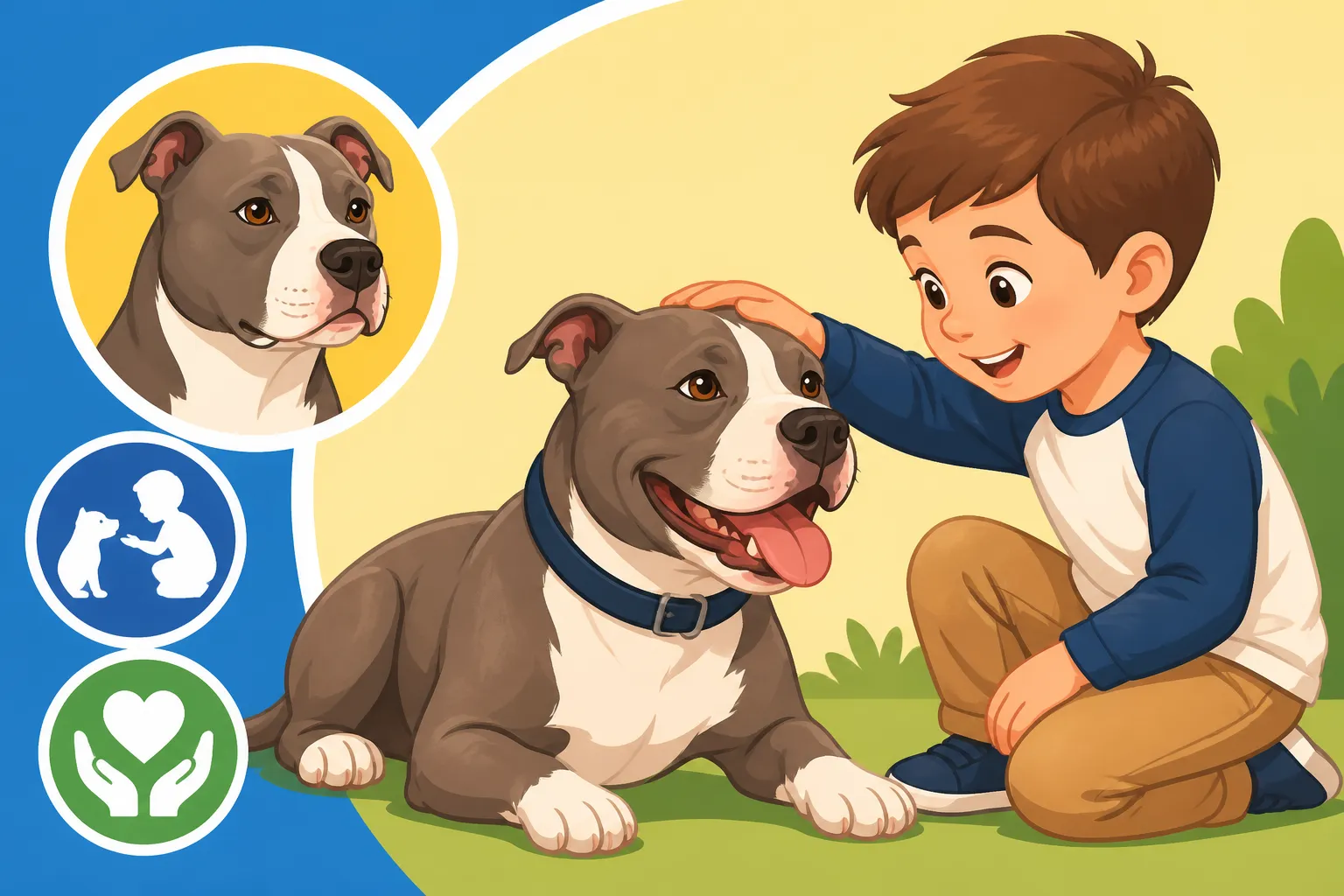
Socializing a Pit Bull Around Children
Bringing a Pit Bull into a home with children, or introducing children to an existing Pit Bull, can stir up a lot of anxiety and questions for owners. Given the unfair stereotypes surrounding these wonderful dogs, many of us feel an immense pressure to ensure every interaction is not just safe, but exemplary. This guide aims to provide practical, empathetic advice on how to responsibly socialize your Pit Bull around children, focusing on proactive training, vigilant supervision, and creating a harmonious household for everyone.
Understanding Your Pit Bull's Baseline Temperament Around Children
Before we even talk about specific interactions, it’s vital to truly understand your individual Pit Bull. Every dog, regardless of breed, has its own personality, history, and comfort levels. Blanket statements about "all Pit Bulls" are not helpful when you're dealing with the real, furry individual lying at your feet. For many owners, the challenge isn't just managing the dog, but also managing the pervasive public perception that can make things feel heavier than they are.
Assessing Your Dog's Individual Comfort Level
Think about your Pit Bull's past experiences. Was your dog raised around children from a young age in a positive environment? Did they have limited or negative experiences? A puppy, generally speaking, is a blank slate, but even then, early experiences shape their comfort. An adult rescue dog, on the other hand, might come with an unknown history, making a careful assessment even more critical. Observe how your dog reacts to children from a distance – do they show curiosity, avoidance, or tension? These subtle cues are your dog's way of telling you how they feel.
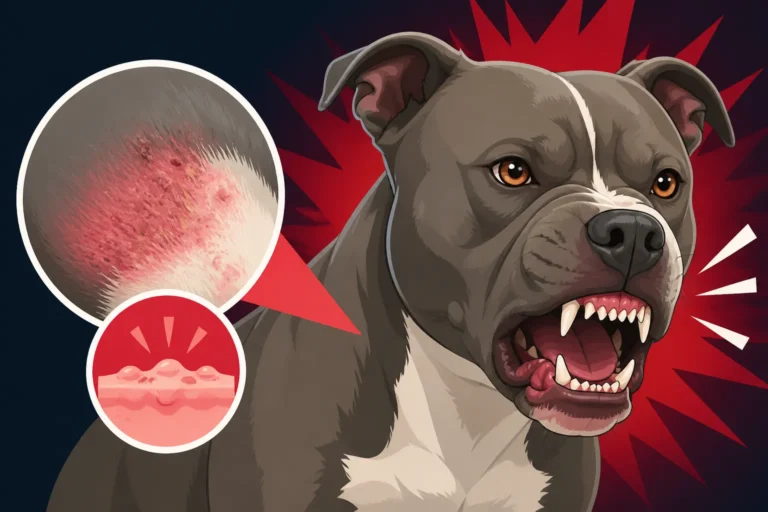
It’s crucial to understand that even the most loving, gentle Pit Bull is still a dog with natural instincts. They might tolerate a certain amount of child behavior, but every dog has a threshold. Signs of stress, like lip-licking, yawning when not tired, turning their head away, stiffening, or a low growl, are not necessarily aggression, but important communication that they are uncomfortable. Ignoring these early warnings is how problems begin. Your job as an owner is to advocate for your dog and remove them from situations before they escalate, rather than waiting for a stronger signal.
Dispelling the "Nanny Dog" Myth
You might have heard the old tale of Pit Bulls being "nanny dogs," devoted protectors of children. While it’s a lovely sentiment, and many Pit Bulls are incredibly gentle with kids, relying on this myth is dangerous. Why No Pit Bull Should Be Left With a Child delves into this more, but the bottom line is no dog, regardless of breed, should ever be left unsupervised with children. Children can be unpredictable – they grab, they pull, they invade personal space, and they don't always understand canine body language. A Pit Bull's strength and play style, while often goofy and loving, can be overwhelming for a small child, even if not intended maliciously.
This myth creates a false sense of security, which is the exact opposite of what responsible Pit Bull ownership demands. We must hold our dogs, and ourselves, to a higher standard of management and training precisely because of their power and public scrutiny. It's about being proactive and realistic, not relying on romanticized notions that put both dog and child at risk.
Proactive Socialization Strategies for Pit Bull Puppies and Children
For those bringing a Pit Bull puppy into a home with children, or anticipating children in the future, the early socialization period is absolutely golden. This is when puppies are most impressionable, soaking up experiences like sponges. However, "socialization" doesn't mean just throwing them into a chaotic environment; it means carefully curated, positive exposures.
Structured, Positive Puppy Introductions
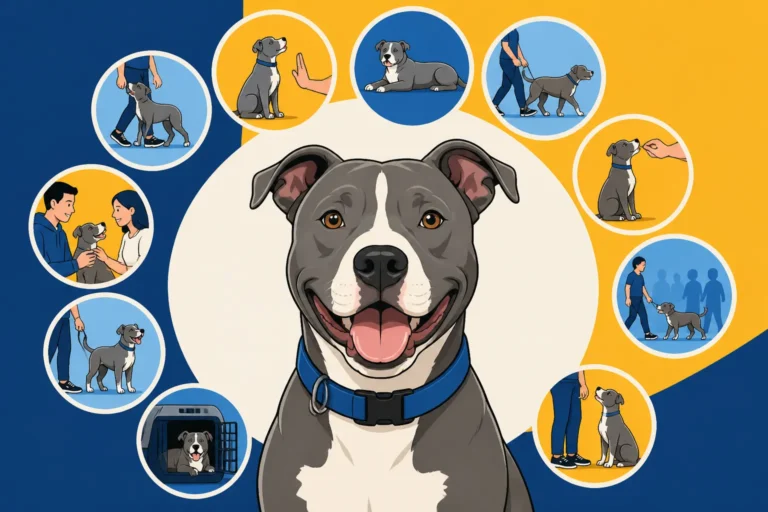
Start early, but keep it controlled. The Weeks That Shape a Pit Bull Puppy highlights how critical the first few months are. For puppies, introductions to children should always be brief, calm, and positive. This isn't about letting a child run wild with the puppy, but about teaching the puppy that children mean good things – gentle pets, treats, and calm interactions. Think of it as exposure therapy with a positive spin. Have the child sit quietly and offer a treat, then disengage. This teaches the puppy that children are a source of good things, not just overwhelming noise and motion.
Always supervise these interactions intensely. Keep a leash on your puppy to manage their enthusiasm, and guide the child on appropriate ways to interact. Teach children to offer a hand for sniffing, to pet gently on the back or chest, and to respect when the puppy walks away. Never force an interaction. If your puppy seems overwhelmed, end the session and try again another time. The goal is positive associations, not endurance. Online training programs, like those offered by BAXTER & Bella, can be invaluable here, offering structured lessons that guide you through puppy socialization, including interactions with children in a safe, controlled manner.
Teaching Bite Inhibition and Impulse Control
Pit Bull puppies, like all puppies, explore the world with their mouths. Those sharp little teeth can be painful, especially to sensitive child skin. Teaching bite inhibition is paramount. When your puppy mouths too hard, a sharp "yelp!" or "ouch!" followed by immediately disengaging from play for a few seconds can teach them to soften their bite. If they continue to bite hard, end the play session entirely. Consistency is key. You'll want to read more about Pit Bull Puppy Biting That Draws Blood if this is a serious concern, but generally, early redirection is most effective.
Beyond mouthing, Building a Pit Bull's Impulse Control is a foundational skill. Teach your puppy to "wait" before going through a door, to "leave it" when a toy or food drops, and to "settle" on command. These exercises build mental discipline, which is essential when children are running around. A dog with good impulse control is less likely to react impulsively to sudden movements or noises from children. Reward calm behavior frequently, even if it's just a quiet moment.
Managing Interactions Between an Adult Pit Bull and Children
When dealing with an adult Pit Bull and children, particularly if the dog wasn't raised with kids or you're bringing an adopted adult into the home, the focus shifts even more heavily towards management and careful, gradual introduction. There's less "shaping" of foundational temperament and more "managing" existing behaviors and comfort levels.
Establishing Clear Boundaries and Safe Spaces
Every Pit Bull, especially one sharing a home with children, needs a designated safe space where they can retreat and be undisturbed. This might be a crate, a dog bed in a quiet room, or a designated "place" command spot. Teach children that this is the dog's special zone and they are absolutely not to disturb the dog there. This concept is explored more deeply in Supervision Rules for a Pit Bull and a Child. A sturdy, escape-proof crate, perhaps one found on Amazon, can be an invaluable tool for ensuring your dog has a secure, calm retreat when things get hectic.
Boundaries also extend to rules for children. Teach children to always ask permission before interacting with the dog, even if it's "their" dog. Teach them to approach calmly, never to run screaming at the dog, and to avoid pulling ears, tails, or riding on the dog's back. These might seem like common sense, but young children need constant reminders and supervision to truly internalize these rules. Think of it as teaching two different species how to respectfully coexist.
Supervised Greetings and Interactions
All interactions between children and an adult Pit Bull must be 100% supervised, every single time. There’s no such thing as "I'll just step out for a minute." Active supervision means you are present, engaged, and ready to intervene if needed. For initial greetings or when children are around, keep your Pit Bull on a leash. This gives you immediate control and allows you to calmly redirect if the dog becomes overly excited or uncomfortable.
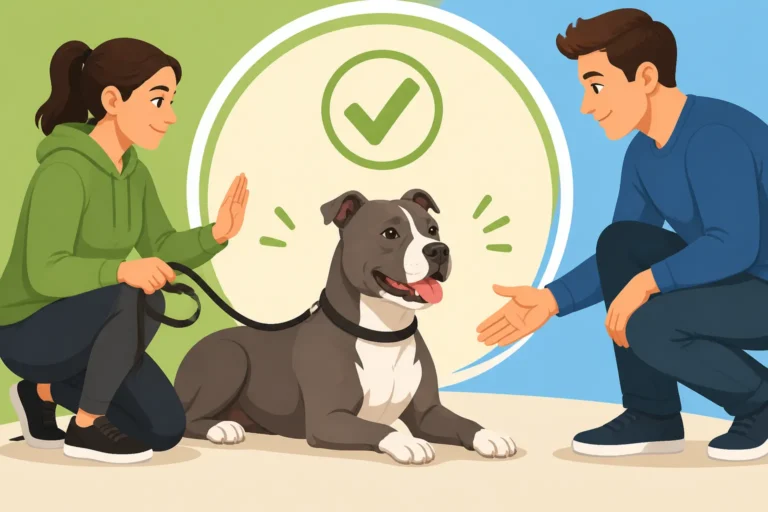
Practice structured greetings. Getting a Pit Bull Used to Handling by Strangers can provide some guidance here. Have the child sit calmly, and you hold the leash. Ask the child to offer a treat gently, then allow a few gentle pets on the dog's chest or shoulder. Keep these interactions short and positive. If the Pit Bull shows any signs of stress – stiff body, lip-licking, turning away, whale eye – calmly remove them from the situation. Never punish a growl; a growl is a warning, and punishing it can teach a dog to bite without warning. Instead, thank your dog for communicating and remove them from the source of stress.
Here’s a helpful table outlining some key body language signals to watch for in your Pit Bull around children:
| Signal | What It Might Mean | Action to Take |
|---|---|---|
| Relaxed Body, Loose Tail Wag | Happy, comfortable, interested in interaction. | Allow brief, supervised interaction. |
| Lip Licking, Yawning (not tired) | Stress, anxiety, "I'm uncomfortable." | Create space, remove dog or child from the situation. |
| Turning Head Away, Avoiding Eye Contact | Discomfort, trying to de-escalate, "Please stop." | Remove dog or child, respect the dog's need for space. |
| Stiff Body, Hard Stare | Alert, potentially wary, preparing to react. | Immediately intervene, calmly separate dog and child. |
| Low Growl | "I am very uncomfortable and need space immediately." | Remove dog from the situation; never punish the growl. Seek professional help. |
| Pinned Ears, Tucked Tail | Fear, insecurity, "I'm scared." | Provide a safe retreat, avoid forcing interaction. |
| "Soft" Blinking Eyes | Relaxed, appeasing, comfortable. | Positive sign, continue with calm, supervised interaction. |
Setting Up a Safe Environment and Supervision
Ultimately, the responsibility for safe interactions lies with the adults in the home. It’s not fair to expect a child to always know how to behave perfectly, nor is it fair to expect a dog to simply endure any and all interactions. Your role is to be the ultimate protector and manager for both.
Physical Barriers and Management Tools
Physical barriers are your best friends in a home with children and a Pit Bull. Baby gates, closed doors, and secure crates create necessary separation and peace of mind. Use gates to separate areas of the house, allowing your Pit Bull to have quiet time away from the bustle of children's play. If your dog is prone to jumping, Teaching a Pit Bull Not to Jump on Guests can offer guidance, but physical barriers are a reliable fail-safe. Think about high-quality, sturdy gates that your Pit Bull cannot easily push through or jump over. You can find many robust options on Amazon that can withstand the enthusiasm of a Pit Bull.
Consider a rotational schedule if you have multiple dogs or if your Pit Bull needs consistent breaks from child activity. This means one dog might be with you while the children are active, then swap them out to a quiet space. This isn’t about punishment; it’s about managing energy levels and ensuring everyone gets the space and calm they need.
Teaching Children Appropriate Dog Etiquette
This is a continuous, ongoing process that requires patience and consistency. Children need to be taught how to interact with dogs safely and respectfully. This includes:
- "Ask, then pet": Always ask an adult if it's okay to pet the dog.
- "Pet gently": Teach them to use a flat hand and pet on the back or shoulder, avoiding the head, tail, or feet.
- "Respect space": If the dog walks away, let them. Never chase a dog.
- "Quiet voices": Encourage calm interactions, avoiding screaming or sudden loud noises.
- "No disturbing": Never disturb a dog that is eating, sleeping, or in their crate/bed.
Make these lessons fun and rewarding for the child. Use analogies, role-play, and celebrate good behavior. Remember, what seems obvious to an adult is a learned behavior for a child. This is just as important as the training you put into your Pit Bull. Consistent supervision combined with clear rules for both children and dogs creates the safest environment for a harmonious home.
Disclaimer
This article is for general informational purposes only and does not constitute professional advice. Laws, prices and regulations vary by location and change over time. Consult a qualified professional for guidance on your specific situation.