A Steady Pit Bull That Turns Sharp
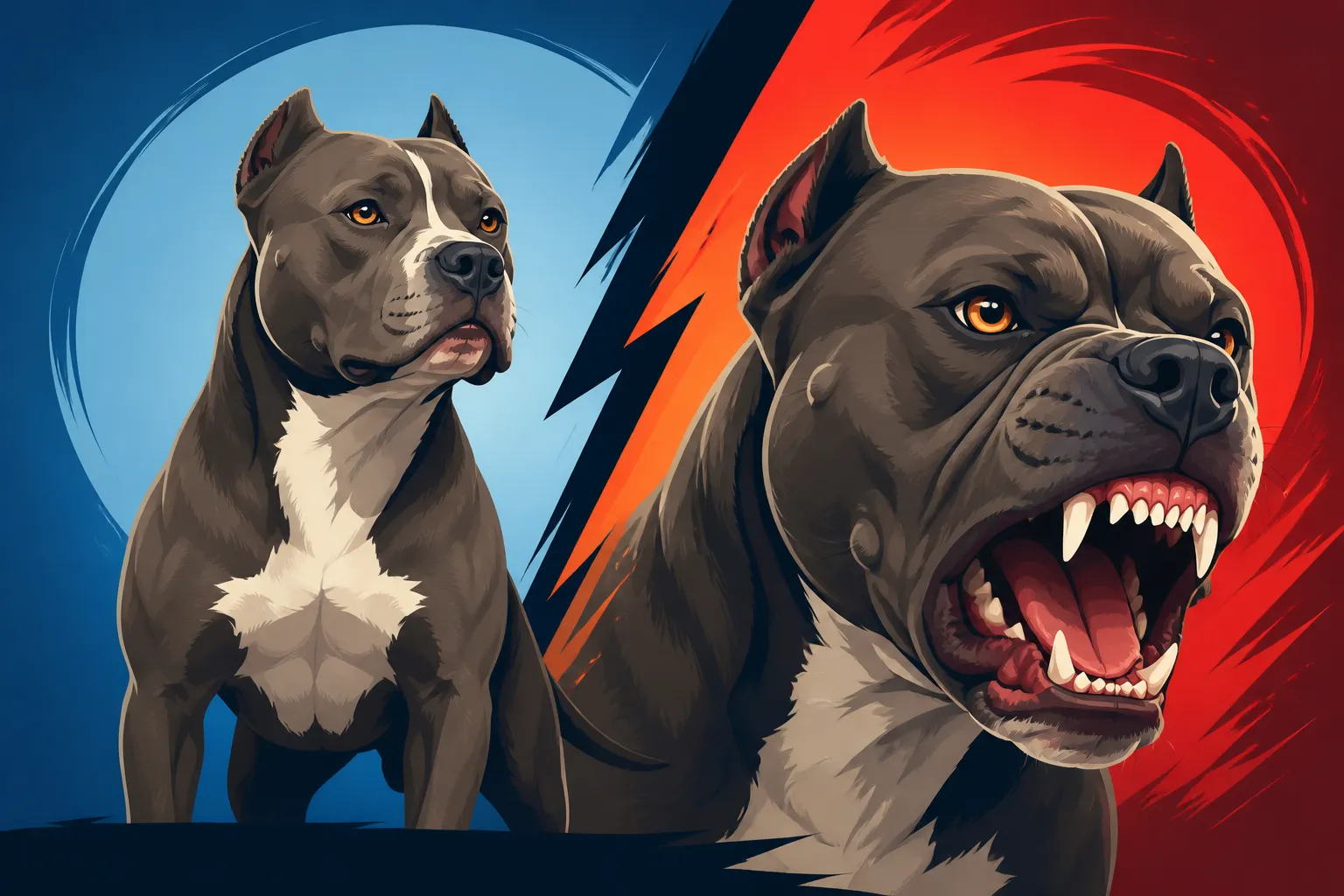
It's incredibly unsettling, isn't it? One day, your beloved Pit Bull is the picture of calm, a stable, predictable presence in your home, often the goofball you know and love. The next, you're seeing unexpected snaps, growls, or a sudden fear of something that never bothered them before. This guide is all about understanding why a steady Pit Bull might suddenly "turn sharp," what factors could be at play, and how you can navigate these challenging shifts with empathy, realistic expectations, and effective strategies to help your best friend.
The Disconcerting Reality of Sudden Behavioral Changes
When your Pit Bull, a dog known for its resilience and often its unwavering loyalty, suddenly alters their behavior, it can shake the very foundation of your relationship. You know your dog better than anyone, so when something feels "off," it's natural to be worried and confused. This isn't just a minor personality tweak; a "sharp turn" indicates a significant shift that demands your attention.
What "Turning Sharp" Looks Like in a Pit Bull
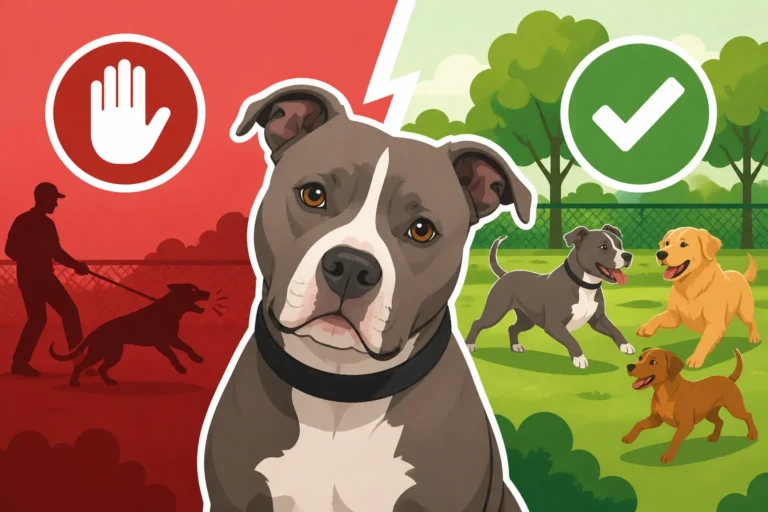
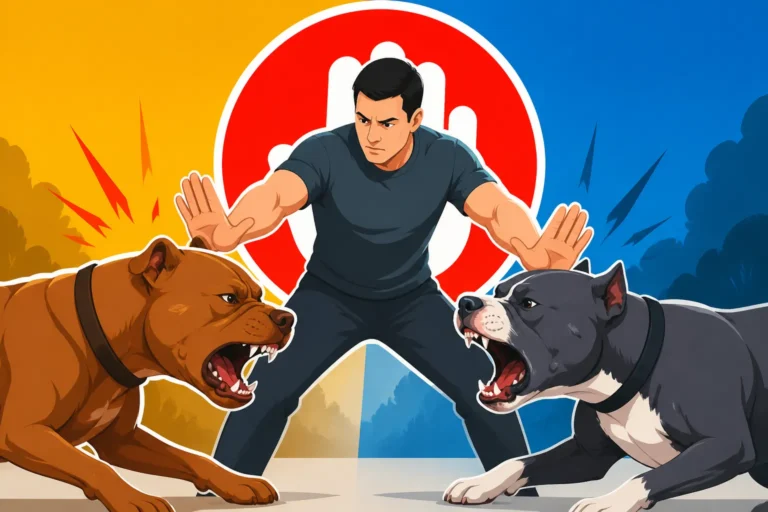
A sudden change in temperament isn't always a dramatic, aggressive outburst. Sometimes, it's a subtle yet consistent shift that accumulates over days or weeks, making you wonder what happened to your once-predictable companion. Perhaps your normally boisterous greeter now offers a low growl when a familiar friend approaches, or your dog, who once loved the dog park, now lunges and barks at other dogs on leash, seemingly out of nowhere.
This might manifest as increased reactivity on walks, where they suddenly become hyper-focused and vocal towards triggers they previously ignored. It could be a new, inexplicable fear of objects in the home, like the vacuum cleaner that used to be a non-issue, or a specific sound that now sends them scrambling. Resource guarding, which means showing aggression over food, toys, or even a favorite sleeping spot, could emerge when it was never an issue before. Owners might notice less tolerance for routine handling, like nail trims or ear cleaning, or a reluctance to engage in once-loved activities. The key is that these are new behaviors, or old behaviors suddenly escalating dramatically, creating a sense of unease and a stark contrast to their usual stable nature. This unexpected shift often leaves owners feeling completely baffled.
Why These Shifts Are So Alarming for Owners
For Pit Bull owners, a sudden negative behavioral change carries a heavier weight than it might for owners of other breeds. There's an underlying societal stigma that already leads people to judge these dogs more harshly. So, when your stable, loving Pit Bull suddenly displays challenging behaviors, the fear isn't just for your family's safety, but also for the reputation of your dog and the potential ramifications this could have on your living situation, your relationships, and your peace of mind. You might worry about how visitors will react, if your dog can still be trusted around children or other pets, or if a minor incident could lead to serious consequences.
This can feel like a profound betrayal of trust, not from the dog, but from the situation itself. You’ve invested time, love, and effort into raising a well-adjusted dog, and to see that stability crumble can evoke feelings of failure, anxiety, and even heartbreak. It's a stressful predicament that forces you to confront difficult questions and often isolate yourself and your dog to prevent further incidents. You might question everything you thought you knew about your dog, and the future can suddenly seem uncertain. Understanding that these feelings are valid is the first step in addressing the underlying issues without adding guilt to an already difficult situation.
Unearthing the Roots of a Pit Bull's Behavioral Shift
When a Pit Bull suddenly changes their behavior, it’s rarely out of malice or spite. Dogs, just like us, react to their internal and external worlds. A "sharp turn" is almost always a symptom of something deeper, a communication that something in their world or body has changed. Your job, as their devoted owner, is to become a detective and figure out what that message is.
The Critical Role of Physical Health and Pain
This cannot be stressed enough: when a dog, particularly a Pit Bull, exhibits a sudden behavioral change, especially increased irritability, fear, or reactivity, the absolute first step is a comprehensive veterinary check-up. Many behavioral shifts, particularly those that appear quickly, are rooted in pain or an underlying medical condition. Imagine if you had a constant headache or a throbbing toothache; wouldn't you be less tolerant, more easily annoyed, and quicker to snap? Dogs are no different.
Hidden joint pain, such as from arthritis or developing conditions like Pit Bull Hip Dysplasia Showing at One to Two Years or elbow dysplasia, can make movement uncomfortable, leading to grumpiness when touched or when trying to get up. Dental issues, including fractured teeth or severe gum disease, can cause significant discomfort, making a dog reluctant to eat or sensitive around their face, leading to unexpected growls or snaps. I’ve seen countless cases where chronic ear infections, like those explored in Pit Bull Ear Infections and What Drives Them, can make a dog head-shy and reactive, especially if they’ve been dealing with Pit Bull Ear Infections Every Few Months. Even seemingly unrelated issues like thyroid problems, which can sometimes manifest as a Hypothyroidism and a Thinning Pit Bull Coat or A Pit Bull Gaining Weight on the Same Food, can impact mood and energy levels. Neurological conditions, although less common, can also cause profound personality changes. Your vet needs to rule out every possible medical cause before you assume the problem is "just" behavioral.
Environmental Stressors and Traumatic Experiences
Even the most confident Pit Bull can be deeply affected by changes in their environment or a single traumatic event. They might project an image of being tough, but beneath that muscular exterior lies a sensitive soul. A new baby, another pet joining the household, or even significant changes to your home like renovations or moving can create immense stress, disrupting their routine and sense of security. Loud, unexpected noises – think ongoing construction, frequent fireworks, or even a new noisy appliance – can trigger anxiety or fear that spills over into other interactions.
A frightening encounter with another dog, a startling experience with a stranger, or an accidental fall or injury can profoundly impact a Pit Bull's perception of the world. This is often referred to as "single incident trauma," where one bad event can permanently alter how a dog reacts to a specific trigger or even to the world in general. For example, a Pit Bull who was previously fine with strangers might become wary after being startled by an unexpected loud noise or an overly enthusiastic child. These experiences don't just disappear; they can build up, eroding a dog's confidence and making them quicker to react defensively when they feel threatened or overwhelmed.
Age-Related Changes and Cognitive Decline
As our beloved Pit Bulls reach their senior years, their bodies and minds inevitably start to change, and these changes can certainly lead to a "sharp turn" in behavior. What might seem like sudden grumpiness could actually be your dog struggling with declining senses or cognitive function. An older Pit Bull losing their sight or hearing, discussed further in An Old Pit Bull Losing Sight and Hearing, can become more easily startled, leading to reactive snaps simply because they didn't hear you approach or couldn't see you clearly. Imagine living in a world that’s becoming increasingly blurry and silent; it would make anyone a bit more on edge.
Beyond sensory decline, many older dogs experience Canine Cognitive Dysfunction (CCD), a condition akin to Alzheimer's in humans. This can manifest as confusion, disorientation (even in familiar rooms, sometimes leading to A Pit Bull Pacing at Night in Old Age), changes in sleep-wake cycles, and increased irritability. A dog with CCD might forget house training, struggle to remember commands, or simply become more sensitive and less tolerant of handling. What appears to be a sudden aggression might actually be a moment of confusion or discomfort from a dog whose brain is no longer functioning as it once did. It's heartbreaking to witness, but recognizing these signs as symptoms of aging rather than willful defiance is crucial for providing compassionate care.
Practical Steps to Manage and Support Your Changing Pit Bull
Once you've diligently explored potential medical causes with your veterinarian, it's time to focus on managing the new behaviors and supporting your Pit Bull through this challenging period. This requires a combination of immediate safety measures, thoughtful training adjustments, and, often, professional guidance.
Prioritizing Safety Through Management
Your absolute first priority when a Pit Bull exhibits a sudden behavioral shift is safety. This means preventing incidents before they happen, not just for the well-being of others, but also to prevent your dog from practicing and reinforcing the unwanted behavior. Start by immediately implementing management strategies. This might involve double-leashing on walks, using a secure harness (you can find many sturdy options on Amazon built for a powerful dog) or even a head halter if needed, to give you better control. For dogs showing reactivity towards other dogs or people, consider walking them at off-peak hours or in less populated areas.
Muzzle training is another critical tool, and frankly, it's something every Pit Bull owner should consider, as highlighted in Muzzle Training Every Pit Bull Should Have. It's not a punishment; it's a safety device that allows your dog to still experience the world while you work on their behavior, without the risk of a bite. Learning how to Choose a Basket Muzzle for a Pit Bull and properly condition your dog to wear it can be a game-changer. Within the home, restrict access to potential triggers. This could mean using baby gates, crate training The Crate a Pit Bull Cannot Break Out Of for unsupervised times, or creating designated safe spaces where your dog can retreat from stressors. The goal here is to set everyone up for success by minimizing opportunities for the "sharp" behavior to occur, giving you breathing room to address the root causes.
Re-evaluating Training and Enrichment
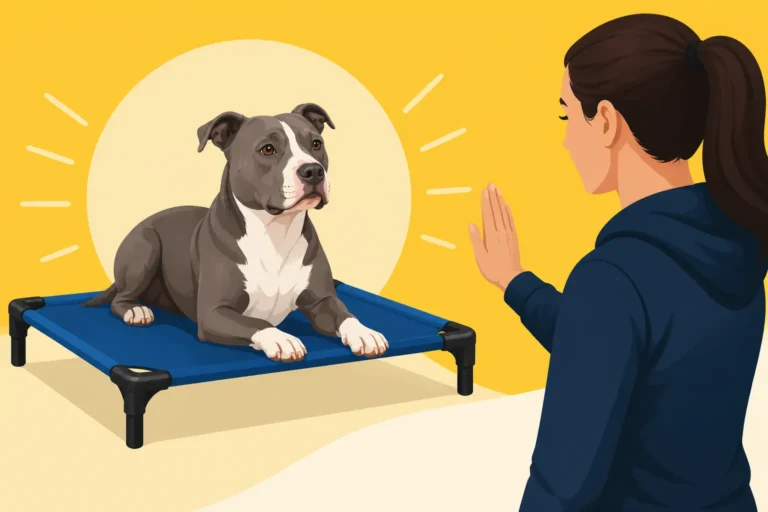
With safety measures in place, it’s time to revisit your training approach. If your Pit Bull has "turned sharp," it often indicates a lapse in confidence, an increase in anxiety, or simply unmet needs. Going back to basics with positive reinforcement is key, focusing on building your dog's confidence and reducing their stress levels. Instead of punishing unwanted behaviors, which can often exacerbate fear and anxiety, reward desired ones. Gentle, consistent positive reinforcement, like that discussed in Positive Reinforcement Training With a Pit Bull, helps your dog associate you with good things and builds a stronger bond.
For specific triggers, techniques like counter-conditioning and desensitization can be very effective. This involves slowly exposing your dog to the trigger at a low intensity while simultaneously pairing it with something positive, like high-value treats. For example, if your dog is reactive to other dogs, you might start by rewarding them for simply looking calmly at another dog from a safe distance, gradually decreasing the distance over time. Beyond formal training, consider increasing mental stimulation and appropriate physical exercise. Puzzle feeders (you can find durable ones on Amazon designed for strong chewers), engaging chew toys, and activities like Scent Work as Indoor Pit Bull Exercise can help burn off mental energy and reduce frustration, which can often underlie reactive or anxious behaviors. An under-exercised or under-stimulated Pit Bull, especially one with a powerful working drive, is much more likely to develop undesirable behaviors.
Seeking Expert Veterinary and Behavioral Guidance
After your initial vet visit, if medical causes are ruled out or are being managed, the next crucial step is to seek expert guidance from a certified professional dog trainer or a veterinary behaviorist. While I can offer general advice, these professionals have the specialized knowledge and experience to assess your specific situation, understand the nuances of Pit Bull behavior, and develop a tailored behavior modification plan. Given the strength and public perception of Pit Bulls, getting professional help is not just beneficial, it's often essential for long-term success and peace of mind.
A certified professional dog trainer can help you implement management strategies, refine your positive reinforcement techniques, and guide you through counter-conditioning and desensitization protocols. If the issues are more severe, involving significant fear, anxiety, or aggression, a veterinary behaviorist, who is a veterinarian with specialized training in animal behavior, can offer a more in-depth diagnosis and may prescribe medication to help manage anxiety or reactivity while behavior modification is underway. This can be a significant investment, but it’s an investment in your dog’s well-being and your family’s safety. Programs like BAXTER & Bella offer comprehensive online training resources and sometimes personalized coaching that can be a valuable starting point for owners seeking structured guidance and support for a variety of behavioral challenges. Don't feel like you have to navigate this alone; there are professionals ready to help.
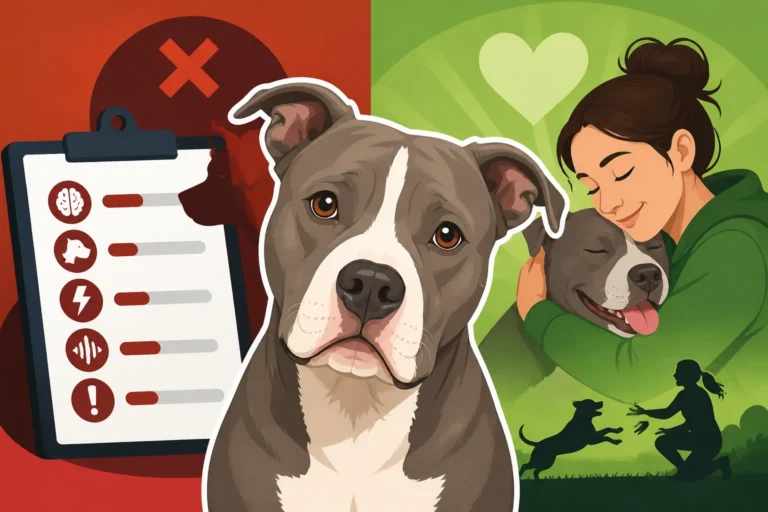
Remember, a sudden change in your Pit Bull’s behavior is a call for help, not a sign of a bad dog. With patience, thorough investigation, and the right support, you can help your steady Pit Bull find their calm footing again.
| Potential Cause | Signs to Look For | Initial Action |
|---|---|---|
| Pain/Medical Condition | Limping, reluctance to move, sensitivity to touch, changes in appetite/thirst, excessive licking, guarding a body part, sudden aggression when handled. | Immediate vet visit for a thorough physical exam, bloodwork, and possibly imaging (X-rays). |
| Fear/Trauma | Startling easily, hiding, trembling, growling/snapping at specific triggers (people, dogs, objects, sounds), reluctance to go outside, house soiling. | Identify and avoid triggers, create safe spaces, gentle counter-conditioning, consider a certified professional dog trainer. |
| Age-Related Decline | Confusion in familiar places, pacing, altered sleep cycles, loss of house training, decreased response to commands, vision/hearing loss, irritability. | Vet check-up for senior care, environmental adjustments (ramps, softer beds), enrichment for mental stimulation, patience. |
| Environmental Stressors | Increased reactivity, barking, destructiveness, anxiety behaviors (panting, drooling, clinginess) after a change in routine or home. | Identify the stressor, provide calming routine, increase predictability, desensitization to new stimuli, consider a certified professional dog trainer. |
Disclaimer
This article is for general informational purposes only and does not constitute professional advice. Laws, prices and regulations vary by location and change over time. Consult a qualified professional for guidance on your specific situation.