Pit Bull Ear Care and Cleaning
Many Pit Bull owners struggle with keeping their dog's ears clean and healthy, often battling recurrent infections or just feeling unsure how to properly care for them. It can be incredibly frustrating to see your beloved Pibble constantly shaking their head, scratching at their ears, or rubbing them on the carpet, knowing they're uncomfortable and potentially in pain. This comprehensive guide will walk you through everything you need to know about Pit Bull ear care and cleaning, from understanding their unique anatomy to effective cleaning techniques and recognizing when to call the vet, helping you keep those ears in tip-top shape.
Understanding Your Pit Bull's Ears
Pit Bulls, like all dogs, have ear structures that are quite different from our own, and understanding these differences is the first step in providing proper care. Their ears, whether naturally dropped or cropped, are an area that can be prone to various issues if not maintained diligently. It's not just about what you can see; a lot is going on beneath the surface that impacts their ear health.
The Unique Anatomy of a Pit Bull Ear
A dog's ear canal is more vertical than a human's, making it shaped like an "L" rather than a straight tube. This bend in the ear canal can act as a trap for moisture, debris, and wax, creating a warm, dark, and humid environment that is a perfect breeding ground for bacteria and yeast. For Pit Bulls, who often have strong heads and sometimes smaller, rose, or semi-pricked ears (if uncropped), this deep canal can be even more of a challenge to keep dry and aerated. If your Pit Bull has cropped ears, the external shape might look different, but the internal canal structure remains the same, requiring the same careful attention.
Furthermore, many Pit Bulls have a thicker ear flap, or pinna, which can reduce airflow even further. This isn't usually an issue for breeds with large, open, erect ears, but for those with folded ears, it's a significant factor. It’s why you might notice a distinct smell coming from their ears if they haven't been cleaned in a while, or if an infection has started to brew deep inside. The skin lining the ear canal is also quite delicate and can become easily inflamed or irritated by allergens, foreign bodies, or overzealous cleaning.
Common Ear Problems Pit Bulls Face
Pit Bulls are susceptible to a range of ear problems, some more common than others. One of the most frequent culprits is otitis externa, which is an inflammation of the external ear canal. This can be caused by allergies, parasites (like ear mites), bacteria, yeast, or even foreign objects such as grass seeds. You might notice your Pit Bull shaking their head vigorously, pawing at their ears, or rubbing them against furniture or your leg.
Another common issue, often linked to allergies, is recurrent ear infections. If your Pit Bull has Pit Bull Ear Infections and What Drives Them, you know how frustrating and relentless these can be. The underlying cause often needs to be addressed for true resolution. Beyond infections, some Pit Bulls can develop aural hematomas, which are blood blisters that form on the ear flap due to excessive shaking or scratching, usually in response to an underlying itch or pain. These look like swollen, squishy pockets on the inside or outside of the ear flap and almost always require veterinary intervention. Finally, even though less common, tumors or polyps can sometimes develop in the ear canal, especially in older dogs, leading to chronic irritation and blockage.
The Importance of Routine Ear Care
Ignoring ear care is like ignoring dental hygiene for yourself – eventually, problems will arise, and they can be painful and expensive to fix. For a Pit Bull, whose active lifestyle and potential predispositions can make them more prone to ear issues, a consistent routine is not just helpful, it's absolutely crucial. Think of it as preventative maintenance for their hearing and comfort.
Preventing Infections Before They Start
Regular ear cleaning helps to remove accumulated wax, dirt, and moisture that can trap pathogens and lead to infections. By keeping the ear canal clean and dry, you're making it a much less hospitable environment for bacteria and yeast to multiply. This is especially vital for Pit Bulls who love to swim or spend a lot of time outdoors exploring damp environments, as moisture is a huge contributing factor to ear woes. Even a seemingly minor amount of trapped water can kickstart a bacterial party.
Proactive cleaning also helps eliminate potential irritants like pollen or dust, which can trigger allergic reactions in sensitive dogs. If your Pit Bull tends to get itchy paws and skin, it's highly likely their ears are also part of that allergic picture. Addressing these irritants regularly can significantly reduce the frequency and severity of ear flare-ups, saving your dog discomfort and you multiple trips to the vet for medication. It's about staying one step ahead.
Early Detection of Issues
A consistent ear care routine isn't just about cleaning; it's also about observation. When you regularly handle your Pit Bull's ears, you become intimately familiar with how a healthy ear looks and smells. This familiarity makes you much more likely to spot subtle changes that could indicate an emerging problem. Perhaps you notice a slight increase in redness, a bit more discharge than usual, or a faint, unusual odor. These early signs might be missed if you only check their ears when they're already showing obvious symptoms of discomfort.
Catching problems early means you can intervene sooner, often with less invasive treatments, before a full-blown infection takes hold. This could mean a simple course of medicated ear drops or a single vet visit, rather than prolonged treatment or more serious interventions like surgery for an advanced ear condition. Think of it as your weekly health check for their ears, a vital part of their overall well-being, especially for a breed known for its robust health and activity levels.
Essential Tools for Pit Bull Ear Cleaning
Before you embark on your ear cleaning journey, gathering the right supplies is essential. Having everything at hand makes the process smoother, less stressful for your Pit Bull, and more effective. You wouldn't try to bake a cake without the right ingredients, and ear cleaning is no different.
Choosing the Right Ear Cleaning Solution
This is arguably the most critical component of your ear care kit. You need a veterinary-approved ear cleaning solution specifically designed for dogs. These solutions typically contain ingredients that help break down wax, dry out the ear canal, and create an acidic environment that inhibits the growth of bacteria and yeast. Avoid using harsh chemicals, alcohol, hydrogen peroxide, or witch hazel, as these can irritate the delicate skin of the ear canal and cause more harm than good. Your vet can recommend a suitable product, especially if your Pit Bull has known allergies or sensitivities. Many reputable pet retailers, such as Chewy, offer a wide variety of these solutions, and a quick search on Amazon will also show you plenty of options, often with customer reviews that can help guide your choice, though always prioritize vet advice.
If your Pit Bull is prone to allergies, you might need a specific type of cleaner. Some solutions are formulated with soothing ingredients like aloe or ceramides, while others might focus on antifungal or antibacterial properties. Discuss with your veterinarian which solution would best suit your dog's individual needs. For a Pit Bull with persistent issues, they might even prescribe a medicated cleaner that's stronger than over-the-counter options.
Swabs, Cotton Balls, and Gauze
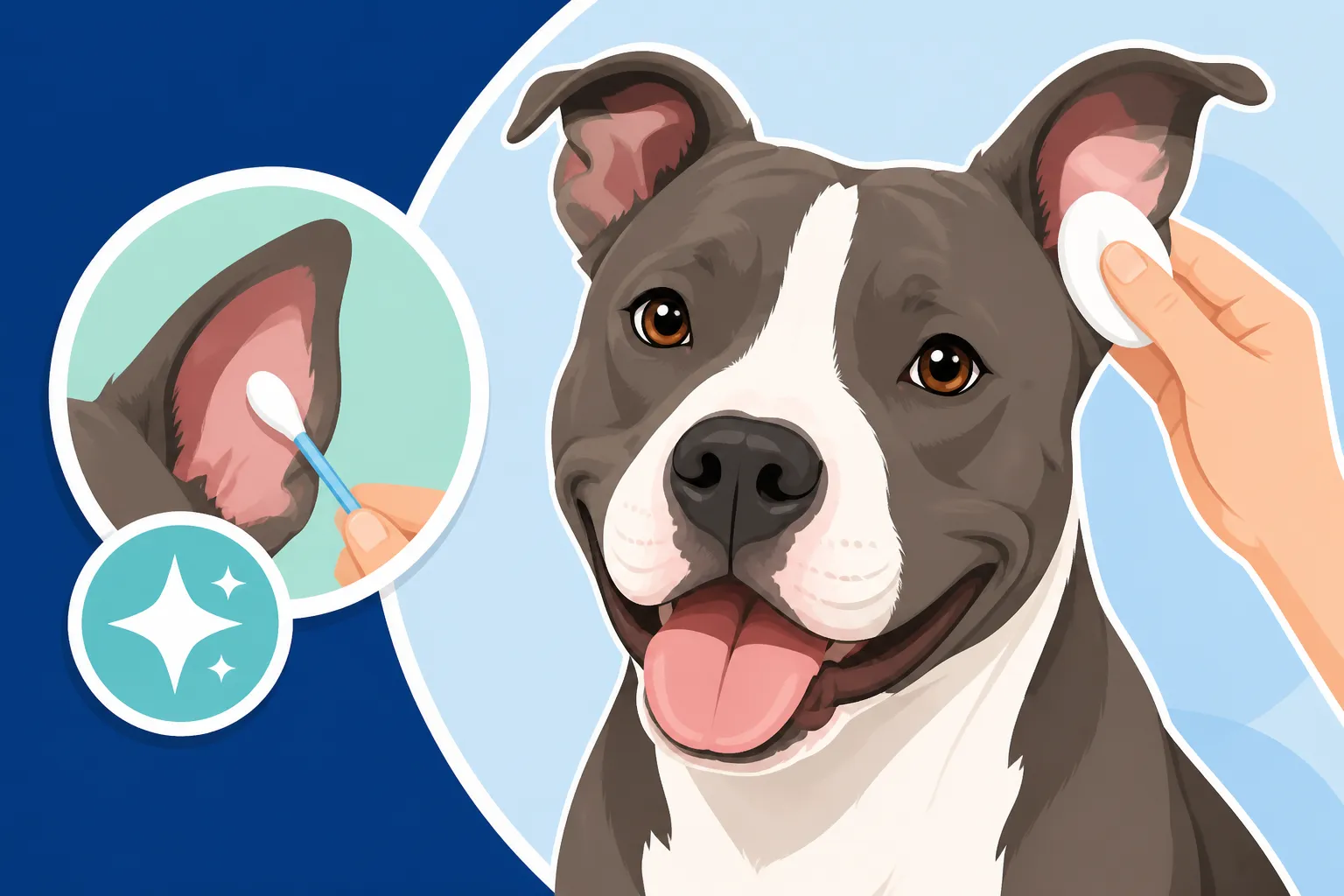
When it comes to the actual cleaning, you'll need soft, absorbent materials. Cotton balls or gauze pads are ideal for wiping the visible parts of the ear and the entrance to the ear canal. You'll want plenty of these on hand, as you should use a fresh piece for each wipe to avoid spreading debris or infection. What you absolutely should not use are cotton swabs (Q-tips) to go inside the ear canal. This is a common mistake that can push debris further down, potentially damage the eardrum, or irritate the delicate lining of the canal.
For any visible crevices or folds in the outer ear, a cotton swab can be used very carefully and only on the parts you can see. However, generally, sticking to cotton balls or gauze wrapped around your finger is the safest approach for cleaning a Pit Bull's ear. If your Pit Bull has cropped ears, you might find that the contours of the outer ear are different, but the same principle applies: only clean what you can clearly see and reach without forcing anything.
Optional Grooming Aids
While not strictly necessary for every cleaning session, a few additional items can make the process easier or more effective. A headlamp or a small, bright flashlight can be incredibly helpful for illuminating the ear canal, allowing you to get a better view of what's inside and ensuring you don't miss any dirty spots or signs of irritation. For Pit Bulls who are particularly squirmy or sensitive about their ears, having a helper to gently hold them steady can be invaluable.
Additionally, some owners find that having a soft towel dedicated to ear cleaning is useful to protect clothing from splashes or to comfort the dog during the process. Treats, of course, are not optional – they are essential! Positive reinforcement is key to making ear cleaning a positive or at least tolerable experience for your Pit Bull. Having their favorite high-value treats readily available will help create a cooperative environment and build positive associations with ear care. High-Value Treats That Hold a Pit Bull's Focus can make a huge difference here.
A Step-by-Step Guide to Cleaning Pit Bull Ears
Now that you have your tools ready, it's time to put them into action. Approaching ear cleaning with a calm demeanor and a clear plan will make it a more pleasant experience for both you and your Pit Bull. Remember, consistency and patience are your best friends here.
Preparing for the Cleaning Session
First, choose a quiet time and a comfortable location where you won't be interrupted. A bathroom or kitchen with easy-to-clean surfaces is often ideal. Gather all your supplies: ear cleaner, cotton balls/gauze, treats, and perhaps that flashlight. If your Pit Bull is new to ear cleaning, or if they've had painful ear infections in the past, they might be hesitant. Start slowly and calmly. Give them praise and a few treats just for sitting still next to you.
Position your Pit Bull in a way that is secure but not restrictive. You might have them sit or lie down, depending on what they're most comfortable with. Some dogs do better with a gentle hug or having their head rested in your lap. If you have a second person available, having them gently hold your dog and provide continuous praise and treats can be incredibly helpful. Talk to your Pit Bull in a soothing voice throughout the process, reassuring them that everything is okay.
The Cleaning Process Itself
Once your dog is comfortable, gently pull back their ear flap to expose the opening of the ear canal. Take your ear cleaning solution and, following the instructions on the bottle (usually a generous amount), fill the ear canal until it's visibly full. Don't be shy – you need enough solution to reach deep into the canal. Hold the ear flap up to prevent the solution from sloshing out immediately.
Now, gently but firmly massage the base of your Pit Bull's ear for about 20-30 seconds. You should hear a squishy sound as the solution moves around inside, breaking up wax and debris. This part is crucial for loosening everything up. After massaging, release the ear flap and allow your Pit Bull to shake their head. This is instinctual and helps bring the loosened gunk to the surface. Be prepared for some spray – this is where having that towel or being in an easy-to-clean area comes in handy!
After they shake, take a fresh cotton ball or gauze pad and gently wipe out the visible parts of the ear and the entrance to the ear canal. Don't go deep with the cotton ball; just clean what you can see. Repeat this wiping step with fresh cotton until no more visible debris or dirt comes out. If the first ear was particularly dirty, let your Pit Bull rest for a moment, offer a treat, then proceed to the second ear. Remember, Cleaning a Pit Bull Ear Properly means being thorough without being invasive.
Rewarding Good Behavior
The final, and perhaps most important, step is rewarding your Pit Bull generously. Even if they were a little fussy, acknowledge their effort and patience. Offer plenty of high-value treats, lavish praise, and perhaps a quick game of tug or a belly rub. The goal is to create a positive association with ear cleaning. If every cleaning session ends with a reward, they'll be more cooperative next time.
For young Pit Bull puppies, start this routine early and make it a super positive experience. Even if their ears are perfectly clean, go through the motions quickly and reward heavily. This desensitization can save you a lot of trouble down the line when they're older and might be more prone to actual ear issues. Consistency is key, whether it's weekly, bi-weekly, or monthly, depending on your dog's individual needs.
When to Seek Veterinary Attention
While routine cleaning is vital, it's equally important to know when a situation is beyond home care and requires professional veterinary intervention. Ignoring warning signs can lead to more severe problems, prolonged discomfort for your Pit Bull, and more complex treatments.
Recognizing Signs of Infection or Injury
There are several red flags that indicate your Pit Bull's ears might be infected or injured and need a vet's assessment. Look out for:
- Excessive scratching or head shaking: More than usual, or very persistent.
- Redness or swelling: The ear flap or inside the canal looks inflamed.
- Foul odor: A strong, yeasty, or pus-like smell coming from the ear.
- Discharge: Yellow, green, black, or thick waxy discharge. A little brown wax is normal, but excessive amounts or changes in consistency can be concerning.
- Pain or sensitivity: Your Pit Bull cries out, flinches, or pulls away when you touch their ear.
- Crusts, scabs, or hair loss: Around the ear opening or on the ear flap.
- Aural hematoma: A swollen, fluid-filled pouch on the ear flap, often caused by vigorous head shaking.
- Changes in behavior: Lethargy, loss of appetite, or general irritability, which could indicate pain.
If you observe any of these symptoms, even after a recent cleaning, it's time to schedule a vet appointment. Attempting to treat a full-blown infection at home with over-the-counter remedies without a proper diagnosis can delay effective treatment and potentially worsen the condition.
What to Expect at the Vet
When you bring your Pit Bull to the vet for an ear problem, they will start with a thorough physical examination, paying close attention to both ears. They will likely use an otoscope, a special instrument with a light, to look deep into the ear canal and assess the eardrum. This allows them to identify the extent of inflammation, presence of foreign bodies, mites, or other abnormalities.
Often, the vet will take a swab of the ear discharge for cytology – a microscopic examination. This allows them to identify whether the infection is bacterial, yeast, or a combination, and sometimes even the specific type of bacteria or yeast. This diagnostic step is incredibly important as it guides the choice of medication. Different infections require different treatments; what works for yeast won't work for certain bacteria, and vice-versa. They may also discuss potential underlying causes, such as Pit Bull Skin Allergies and the Atopy Pattern or Food Allergies Behind Pit Bull Itching, if recurrent issues are suspected. Based on their findings, the vet will prescribe appropriate ear drops, oral antibiotics, antifungal medications, or anti-inflammatory drugs. They will also likely demonstrate how to properly administer the medication and advise on follow-up care.
Addressing Specific Pit Bull Ear Concerns
While general ear care is a good baseline, some Pit Bulls face specific challenges that require more targeted approaches. Understanding these common issues can help you work with your vet to develop the most effective long-term strategy for your dog.
Dealing with Ear Allergies and Irritation
Many Pit Bulls are unfortunately prone to environmental allergies (atopy) or food allergies, and often, the ears are the first or most affected body part. If your Pit Bull frequently shakes their head, scratches their ears, or has red, waxy, or yeasty-smelling ears, especially seasonally, allergies are a strong suspect. Whether Allergies Cause Pit Bull Ear Infections is a common question, and the answer is a resounding yes! The inflammation and itch caused by allergies create the perfect environment for secondary infections.
For Pit Bulls with known allergies, routine cleaning becomes even more critical. You might need to clean their ears more frequently, perhaps every few days during peak allergy seasons. Your vet might recommend specific ear cleaners designed to soothe irritated skin and reduce yeast growth. Beyond cleaning, managing the underlying allergy is key. This could involve allergy testing, immunotherapy (allergy shots), prescription diets, or medications like Apoquel or Cytopoint. Apoquel and Cytopoint for an Itchy Pit Bull can bring significant relief, and your vet will help you integrate these into a comprehensive management plan. It's often a multi-faceted approach to keep those allergic ears comfortable.
Managing Chronic Ear Infections
Chronic ear infections are a nightmare for both dogs and their owners. They're painful, disruptive, and can seem impossible to get rid of. If your Pit Bull is constantly battling ear infections, it's essential to dig deeper with your veterinarian to identify the root cause. This often involves more advanced diagnostics than a simple ear swab. Sometimes, deep-seated infections or even polyps (benign growths) can make treatment challenging.
Your vet might recommend sedated ear flushing to thoroughly clean the ear canal, especially if it's packed with debris or if the eardrum is ruptured. In severe, chronic cases that don't respond to medical management, surgery might be considered. Procedures like a total ear canal ablation (TECA) remove the entire diseased ear canal, which, while drastic, can offer immense relief for a dog living with constant pain. This is typically a last resort, but it's important to know the options. Ongoing communication and partnership with your vet are absolutely essential when managing chronic ear issues. Pit Bull Ear Infections Every Few Months should not be the norm; there's usually an underlying issue that needs to be uncovered.
Post-Swimming Ear Care
Pit Bulls, being active and often water-loving dogs, might enjoy a dip in a lake, pool, or even a backyard kiddie pool. While swimming is great exercise and fun, it’s also a leading cause of ear problems due to moisture getting trapped in the ear canal. That warm, dark, wet environment is precisely what yeast and bacteria dream of.
After any swim or bath, immediate and thorough ear drying is paramount. Use a soft towel to gently dry the outer ear flap and the entrance to the ear canal. You can also use a small amount of a veterinary-approved ear drying solution or a gentle, alcohol-free ear cleaner designed to evaporate quickly. Instill a few drops into each ear and gently massage the base of the ear to help distribute it. This helps to change the pH and dry out the canal, significantly reducing the risk of a post-swim infection. Never try to force air into the ear canal with a hairdryer, as this can cause burns or push debris deeper. Drying a Pit Bull Ear After Swimming is a simple yet effective preventative measure.
Lifestyle Factors Affecting Ear Health
Beyond direct cleaning, several other factors in your Pit Bull's life can influence their ear health. From what they eat to where they live, a holistic approach to their well-being will always yield the best results for preventing ear problems.
The Role of Diet in Ear Health
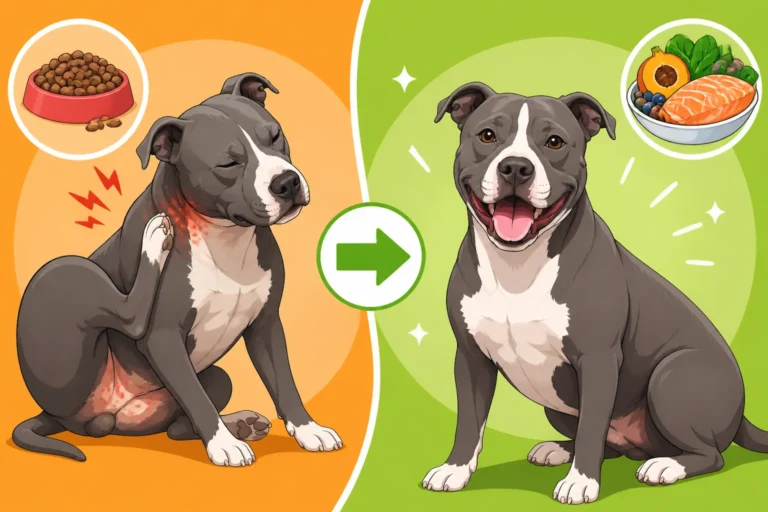
Believe it or not, your Pit Bull's diet can play a significant role in the health of their skin and, by extension, their ears. For dogs with food sensitivities or allergies, certain ingredients can trigger widespread inflammation, which often manifests as itchy skin, gastrointestinal upset, and, yes, chronic ear infections. If your Pit Bull experiences recurrent ear issues without an obvious environmental cause, your vet might recommend a dietary elimination trial using a novel protein or hydrolyzed protein diet. This means feeding a very specific, limited ingredient diet for several weeks to see if symptoms improve. An Eight Week Food Trial on an Itchy Pit Bull is a common diagnostic tool.
Beyond allergies, a diet rich in high-quality ingredients, omega-3 fatty acids, and essential nutrients supports overall skin barrier health and a robust immune system. Some owners explore specialized dog foods or even fresh food options from brands like Ollie, hoping to reduce inflammatory responses that could contribute to ear issues. Always discuss any significant dietary changes with your vet to ensure your Pit Bull is receiving balanced nutrition. Supplements like Omega Oils for Pit Bull Skin and Coat can also be beneficial in reducing inflammation and promoting a healthy skin barrier, which directly impacts ear health.
Environmental Triggers and Prevention
The environment your Pit Bull lives and plays in can also be a major source of ear irritation and infection. Common environmental allergens like pollen, dust mites, and certain grasses can trigger allergic reactions in sensitive Pit Bulls, leading to itchy, inflamed ears. If you notice your Pit Bull's ear problems are worse during specific seasons, environmental allergies are a strong indicator. Pit Bull Atopy and Seasonal Itching is a common scenario.
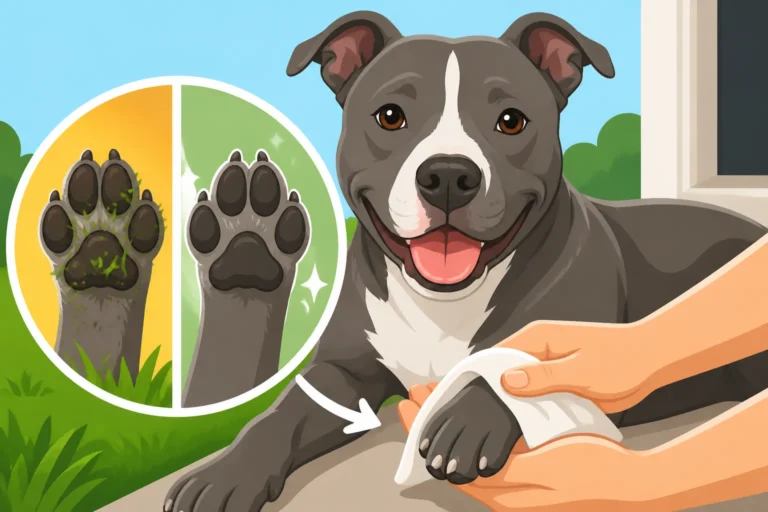
To minimize exposure to environmental triggers, consider wiping down your Pit Bull's paws and ears after outdoor walks, especially during high pollen seasons. You can use pet-safe wipes or a damp cloth. Regular vacuuming and cleaning in your home can reduce dust mite populations. If your Pit Bull sleeps on your bed, frequent washing of bedding can also help. For those who spend a lot of time outdoors in tall grasses or wooded areas, a quick check of the ears for foreign bodies like grass awns or burrs after each outing is a good habit to develop. Rinsing Pollen Off a Pit Bull After Walks can be a simple, effective step to reduce allergen load.
Remember, a healthy lifestyle encompassing good nutrition, regular exercise, and a clean environment, combined with consistent ear care, forms the best defense against ear problems for your beloved Pit Bull.
| Symptom | Possible Cause(s) | Action Required |
|---|---|---|
| Excessive Head Shaking | Infection, Ear Mites, Foreign Body, Allergies | Vet visit for diagnosis and treatment |
| Redness/Swelling | Infection, Inflammation, Trauma, Allergies | Vet visit for diagnosis and medication |
| Foul Odor | Bacterial or Yeast Infection | Vet visit, likely medicated treatment |
| Yellow/Green Discharge | Bacterial Infection, Pus | Urgent vet visit, antibiotics likely |
| Black/Brown Waxy | Yeast Infection, Ear Mites, Allergies | Vet visit, specific anti-yeast/mite treatment |
| Pain/Sensitivity | Infection, Injury, Hematoma | Vet visit, pain management and treatment |
| Aural Hematoma | Trauma from shaking/scratching | Urgent vet visit, often surgical drainage needed |
| Crusts/Scabs | Infection, Allergic reaction, Mites | Vet visit for diagnosis and topical/oral treatment |
Disclaimer
This article is for general informational purposes only and does not constitute professional advice. Laws, prices and regulations vary by location and change over time. Consult a qualified professional for guidance on your specific situation.