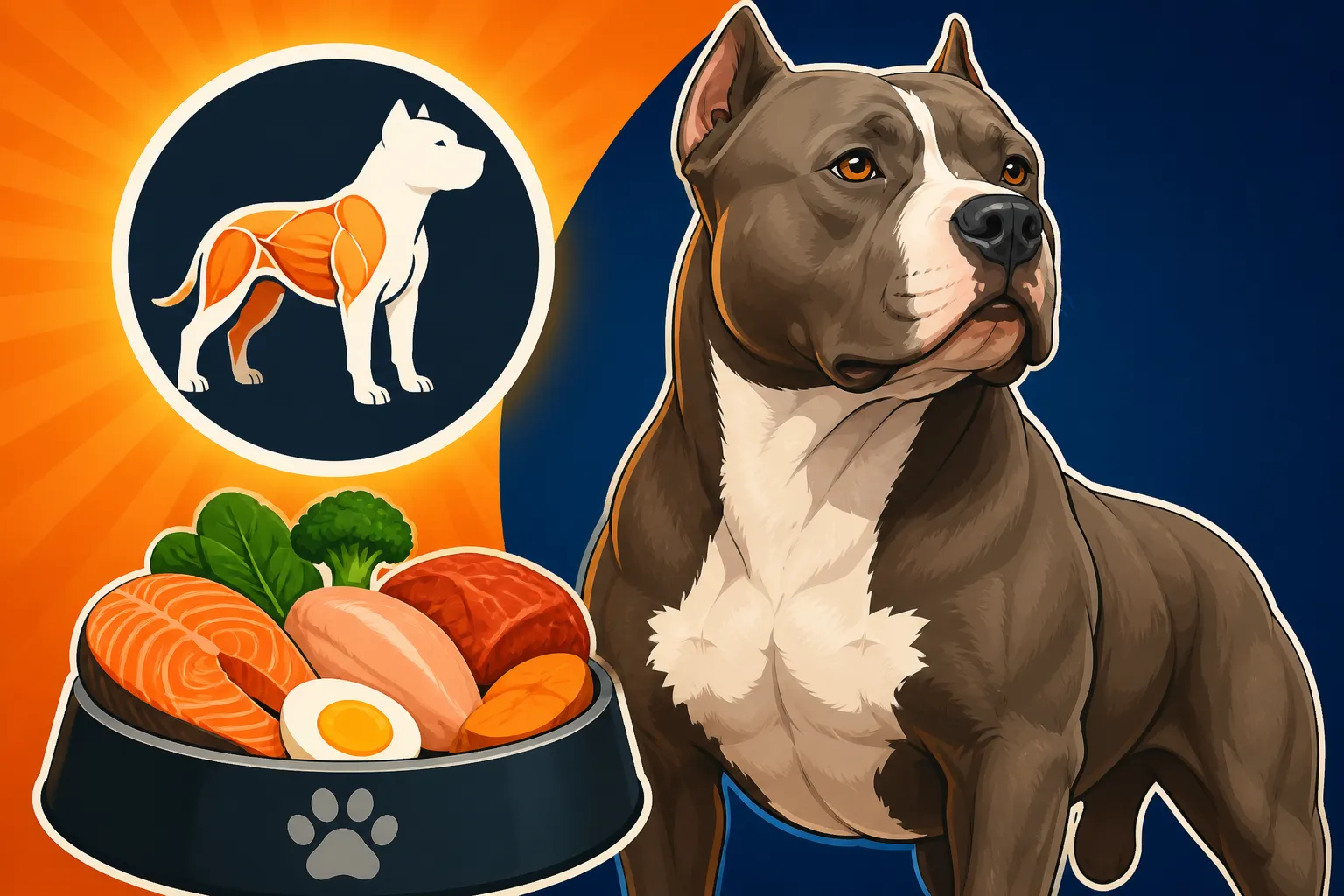
Feeding a Pit Bull for Lean Muscle
One of the biggest concerns for many Pit Bull owners, especially those with active, powerful dogs, is how to feed them in a way that supports their incredible musculature without packing on unwanted fat. It’s a common frustration to see a dog that looks robust but might actually be carrying extra weight, or to struggle with finding a food that truly fuels their strength and endurance. This guide is here to break down the science and practicalities of feeding your Pit Bull for that impressive, lean muscle definition and overall vitality.
Understanding Your Pit Bull's Nutritional Needs for Muscle
When you look at a healthy Pit Bull, you see a picture of compact power and athleticism. This physical prowess isn't accidental; it's a testament to generations of working heritage. To maintain that, their diet needs to be more than just "enough food." It needs to be the right kind of fuel, precisely balanced to support their energetic metabolism and significant muscle mass. We're talking about macronutrients – proteins, fats, and carbohydrates – each playing a critical role in keeping your Pit Bull in peak condition.
The Protein Powerhouse: Why It Matters for Pit Bulls
Protein is absolutely non-negotiable for a Pit Bull. Think of protein as the building blocks for every single muscle fiber, every tissue, every enzyme in their body. Without adequate, high-quality protein, their muscles simply can't repair themselves after exercise, let alone grow stronger. For an active Pit Bull, especially one that engages in regular, strenuous exercise like running, hiking, or even just robust play sessions, their protein requirements are higher than a more sedentary dog. You’re not just feeding a dog; you’re feeding an athlete.
When you're scrutinizing dog food labels, you'll want to look for named meat sources as the first ingredient, and ideally, several in the top few. Chicken meal, beef, lamb, turkey, fish – these are excellent sources of highly digestible amino acids that your Pit Bull's body craves. Avoid generic "meat meal" or "poultry by-product" if possible, as the quality can be inconsistent. The percentage of crude protein in a good quality food for an active adult Pit Bull should typically be in the range of 25-35%, sometimes even higher for extremely active individuals, but always balanced with other nutrients. Too much protein without enough fat can also lead to issues, so it's a careful balance. High Protein Food and a Working Pit Bull can delve deeper into this.
Balancing Fats for Energy and Coat Health
Fats often get a bad rap, but for a Pit Bull, they are an incredibly dense and efficient energy source. They provide more than double the calories per gram compared to protein or carbohydrates, which means a little goes a long way in fueling their high-energy activities. Healthy fats are crucial not just for sustained energy, preventing that mid-afternoon slump, but also for maintaining that characteristic shiny, healthy Pit Bull coat and skin. They carry fat-soluble vitamins (A, D, E, K) throughout the body, support organ function, and are vital for cellular health.
Look for healthy fat sources like chicken fat, salmon oil, flaxseed, or sunflower oil on the ingredient list. The crude fat content in your Pit Bull's food should generally sit between 12-20%, depending on their activity level. For a dog that's constantly on the go, a slightly higher fat content can be beneficial. Omega-3 and Omega-6 fatty acids, often found in fish oils, are particularly important. Omega-3s, like EPA and DHA, are potent anti-inflammatories that can help with joint health and reduce skin irritation, which Pit Bulls can be prone to. A deficiency here can often lead to dull coats, dry skin, and even increased itching.
Carbohydrates: Fueling Their Active Lifestyle
While protein and fat are stars of the show for muscle and energy, carbohydrates play a crucial supporting role. They provide readily available glucose, which is the preferred fuel source for the brain and essential for short bursts of energy during intense play or training sessions. Complex carbohydrates, like those found in sweet potatoes, brown rice, barley, and peas, are digested slowly, offering a sustained release of energy rather than a quick spike and crash. They also provide dietary fiber, which is important for digestive health and maintaining a healthy gut microbiome.
It's tempting to think that a "meat-only" diet is best, but a balanced approach is key. Simple carbohydrates, like corn or wheat, can sometimes be less digestible for some dogs and may be linked to allergies or sensitivities in others. For a Pit Bull aiming for lean muscle, you want carbs that provide nutritional value beyond just filler. The total carbohydrate percentage isn't always listed on dog food labels, but you can estimate it by subtracting the percentages of protein, fat, moisture, and ash (if listed) from 100%. Aim for complex carbohydrates that support consistent energy levels without contributing to excess weight. Pit Bull Obesity and Joint Strain is a valuable read if you're concerned about weight management.
Choosing the Right Food for Lean Muscle Development
Navigating the overwhelming aisles of pet food can feel like a maze, especially when you're trying to achieve a specific goal like lean muscle for your Pit Bull. There are so many brands, types, and claims out there. The key is to become an educated consumer, understanding what the labels truly mean and how different food formats might benefit your unique dog. It's not about finding the cheapest bag or the trendiest diet, but the one that consistently delivers optimal nutrition for your powerful companion.
Deciphering Dog Food Labels: What to Look For
Dog food labels are a wealth of information, but they're often written in a language that can be hard to understand at first glance. The guaranteed analysis tells you the minimum percentages of crude protein and crude fat, and the maximum percentages of crude fiber and moisture. For a Pit Bull building muscle, you want to see those protein numbers on the higher end, as discussed, and fat in that healthy moderate range.
The ingredient list is where you become a detective. Ingredients are listed by weight, so the first few ingredients make up the bulk of the food. As mentioned, look for multiple named meat proteins (e.g., chicken, lamb, beef) at the top. Grains like whole barley or brown rice, or starchy vegetables like sweet potatoes, are good carbohydrate sources. Avoid artificial colors, flavors, and excessive fillers. Brands available on platforms like Chewy or Amazon often provide detailed ingredient lists and guaranteed analyses, making it easier to compare before you buy. Remember that "grain-free" doesn't automatically mean "better," as some grain-free foods can be very high in certain starches. Focus on the overall quality of ingredients.
Dry Kibble vs. Wet Food vs. Fresh Food Options
Each type of dog food has its pros and cons, and what works best often comes down to individual preference, budget, and your Pit Bull's specific needs.
-
Dry Kibble: This is the most common and often the most economical option. High-quality kibbles are formulated to be nutritionally complete and balanced. The crunch can also help scrape tartar from teeth, though it's no substitute for regular dental care. For a Pit Bull, choosing a kibble with appropriate protein and fat levels is essential. Many excellent brands offer performance-oriented formulas that are perfect for muscular, active dogs. You might find great deals and a wide selection on sites like Amazon, making it easy to keep a steady supply.
-
Wet Food: Canned or wet food is highly palatable and can be a great way to increase a dog's moisture intake. It can also be very helpful for picky eaters or dogs with dental issues. However, wet food is typically much lower in calories per serving compared to kibble due to its high water content, meaning you'd need to feed a significantly larger volume to meet the energy needs of an active Pit Bull. It can also be more expensive. Some owners use wet food as a topper to make kibble more appealing or as a way to hide medication.
-
Fresh Food (Cooked or Raw): The popularity of fresh food, whether commercially prepared cooked meals (like those from Ollie) or DIY raw diets, has surged. Proponents argue that these diets offer highly digestible, natural ingredients without processing. For a Pit Bull, fresh food can provide excellent protein sources and can sometimes lead to improved coat condition and digestion. However, commercially prepared fresh food can be significantly more expensive, and homemade diets require meticulous research and precise balancing of nutrients to avoid deficiencies. Working with a veterinary nutritionist is highly recommended if you choose to go the homemade route to ensure it's truly complete and balanced for your powerful Pit Bull.
Considerations for Sensitive Stomachs or Allergies
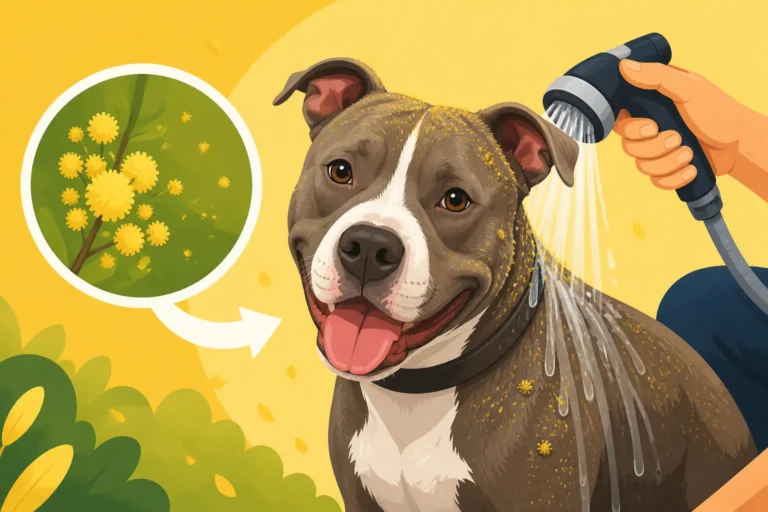
Pit Bulls, unfortunately, can be prone to certain sensitivities and allergies, often manifesting as skin issues or digestive upset. If your Pit Bull frequently experiences itching, paw licking, ear infections, or chronic diarrhea, their food could be a culprit. In these cases, choosing a specialized diet becomes critical. Pit Bull Skin Allergies and the Atopy Pattern is a prime example of a condition often linked to diet.
-
Limited Ingredient Diets (LID): These foods are formulated with a minimal number of ingredients, usually a single novel protein source (like duck, venison, or rabbit) and a single carbohydrate source (like sweet potato). The idea is to reduce the chances of encountering an allergen. If you suspect a food allergy, your vet might recommend an eight-week food trial on an LID to see if symptoms improve. Eight Weeks of Nothing Else for an Itchy Pit Bull explains this process in detail.
-
Hydrolyzed Protein Diets: These prescription diets contain proteins that have been broken down into such tiny pieces that the immune system doesn't recognize them as allergens. They are often used for diagnostic food trials and for managing confirmed food allergies.
-
Novel Protein Diets: Similar to LIDs, these foods use protein sources your dog is unlikely to have encountered before, such as kangaroo or alligator. The goal is to avoid common allergens like chicken or beef, which are prevalent in many commercial dog foods. Always consult with your veterinarian before making significant dietary changes, especially if you suspect allergies, to ensure your Pit Bull is getting all the necessary nutrients while addressing their sensitivities.
Portion Control and Feeding Schedules for Optimal Condition
It's not just what you feed your Pit Bull; it's how much and when. These powerful dogs have a tendency to look solid and muscular even when they're carrying a few extra pounds, making it tricky to spot obesity. But extra weight puts undue strain on their joints, heart, and overall health. Precise portion control and a consistent feeding schedule are foundational to maintaining that lean, athletic build we all admire.
Calculating Calories for a Lean, Muscular Build
This is where the rubber meets the road. Every bag of dog food provides a feeding guideline, but these are just guidelines. They're often based on an average dog of a certain weight with an average activity level. Your Pit Bull is anything but average! Factors like age, activity level, metabolism, and whether they're spayed/neutered all impact their caloric needs. A heavily muscled Pit Bull training daily will need significantly more calories than a senior Pit Bull enjoying leisurely walks. The Calorie Target for a Lean Pit Bull dives into this even further.
Start with the manufacturer's recommendation for your dog's ideal adult weight, not their current weight if they need to gain or lose. Then, adjust based on their energy output. Are they burning through those calories, maintaining their lean physique? Or are they starting to soften around the middle? It’s often best to slightly underfeed and assess, then increase, rather than overfeed and have to cut back. A great way to manage this is to use a kitchen scale to weigh your dog's food. Scoops can vary wildly, but weighing ensures accuracy every single time. Why a Pit Bull Ration Should Be Weighed highlights the importance of this simple step.
The Importance of Consistent Meal Times
Just like us, dogs thrive on routine. Feeding your Pit Bull at consistent times each day helps regulate their metabolism, aids digestion, and can even reduce anxiety around meal times. Most adult Pit Bulls do well on two meals a day – once in the morning and once in the evening. This breaks their daily caloric intake into manageable portions and prevents them from getting overly hungry, which can lead to rapid eating and digestive upset.
A consistent schedule also helps with house training and predicting potty breaks. For high-energy dogs, allowing some time to digest before strenuous exercise is also important to prevent issues like bloat, which Pit Bulls with their deep chests can be prone to. A general rule of thumb is to avoid intense exercise for at least an hour before and after meals. Resting a Pit Bull Between Meal and Exercise provides more insight into this.
Monitoring Body Condition: Beyond the Scale
The bathroom scale doesn't always tell the full story for a Pit Bull. Their dense muscle mass can make them weigh more than a dog of similar size, yet they can still be lean. This is why learning to assess their body condition score (BCS) is far more important than just a number on a scale.
You should be able to:
- Feel, but not necessarily see, their ribs: Gently run your hands along their sides. You should feel the ribs distinctively under a thin layer of fat and muscle. If you have to press hard, they're likely overweight. If you can clearly see every rib, they might be too thin.
- See an abdominal tuck: When viewed from the side, their belly should tuck up from their rib cage to their hind legs, not hang straight down.
- Notice a visible waist: When viewed from above, there should be a clear indentation behind their ribs, before their hips. This is often the first place to soften when they start gaining weight.
Regularly performing this "hands-on" check is invaluable. Take pictures of your Pit Bull from the side and above every few weeks to track changes. If you notice them getting a bit "soft," gently reduce their food intake slightly and increase their exercise. If they seem too lean, increase their food by a small amount. Your vet can also help you accurately assess their BCS at routine check-ups. Reading Pit Bull Body Condition Under Muscle gives a more detailed guide to this essential skill.
Here's a quick reference table for body condition:
| Score | Description | Pit Bull Appearance & Feel |
|---|---|---|
| 1 | Emaciated | Ribs, vertebrae, pelvic bones easily visible; no discernible fat. Severe waist. |
| 2 | Very Thin | Ribs easily palpable and visible; clear abdominal tuck. Minimal fat. |
| 3 | Ideal (Lean Muscle) | Ribs palpable without excess fat covering; waist observed; abdominal tuck. |
| 4 | Overweight | Ribs palpable with slight difficulty; waist is absent or barely visible. Slight fat deposits. |
| 5 | Obese | Ribs not palpable under thick fat cover; no waist or abdominal tuck; obvious abdominal distention. |
This table is a simplified guide. Consult your veterinarian for precise body condition assessment.
Supplements and Extras: Are They Necessary for Muscle?
The world of pet supplements is vast, tempting, and sometimes confusing. For a Pit Bull owner aiming for lean muscle, it's natural to wonder if there's an extra edge you can give your dog beyond a high-quality diet. While a balanced diet is always the foundation, certain supplements can offer targeted support, especially for breeds with unique physical demands or common predispositions. However, it's crucial to approach supplements with a critical eye and always, always consult your vet.
Joint Support for a Powerful Frame
Pit Bulls are robust dogs, but their power and athleticism mean their joints endure a lot of impact and stress over their lifetime. Conditions like hip and elbow dysplasia, while not exclusive to Pit Bulls, can become more apparent in a heavily muscled, active dog. Supporting joint health proactively, especially as they age or if they're particularly active, is a smart move. Joint Support for a Heavily Muscled Pit Bull delves into this topic more.
Common joint supplements include:
- Glucosamine and Chondroitin: These are natural compounds found in healthy cartilage. Supplementing can help support cartilage health, reduce inflammation, and improve joint lubrication.
- MSM (Methylsulfonylmethane): An organic sulfur compound with anti-inflammatory properties that can help reduce joint pain and stiffness.
- Green-Lipped Mussel (GLM): A natural source of omega fatty acids, glucosamine, and chondroitin, often praised for its potent anti-inflammatory effects.
These supplements won't "build" muscle, but by keeping joints healthy and comfortable, they enable your Pit Bull to train and exercise consistently, which in turn supports muscle maintenance and growth. Look for reputable brands; sometimes your vet will have specific recommendations for their efficacy.
Omega Fatty Acids for Skin and Muscle Recovery
We touched on omega fatty acids earlier, but they deserve a special mention in the context of muscle and overall health. Beyond their role in coat health, Omega-3s (EPA and DHA, primarily from fish oil) are powerful anti-inflammatory agents. This is crucial for active Pit Bulls because intense exercise causes microscopic tears in muscle fibers, leading to inflammation and soreness. Omega-3s can help reduce this inflammation, promoting faster muscle recovery and potentially reducing post-exercise stiffness.
For Pit Bulls prone to skin allergies, a common issue, these fatty acids are also a cornerstone of management. They help strengthen the skin barrier, making it less reactive to environmental allergens and reducing dryness and itchiness. Many good quality dog foods include some omega fatty acids, but a separate supplement, especially a high-quality fish oil, can provide a more concentrated dose. Brands like Nordic Naturals or Grizzly Salmon Oil are popular choices, often available from stores like Chewy. Always check the EPA and DHA content, as these are the active components.
When to Be Wary of "Muscle Building" Supplements
This is where caution is key. The market is flooded with products claiming to build muscle, increase bulk, or rapidly transform your dog's physique. Many of these claims are unsubstantiated, and some ingredients can even be harmful. For a Pit Bull, lean muscle comes from three things: genetics, appropriate nutrition (high-quality protein, balanced fats and carbs), and consistent, appropriate exercise. There are no shortcuts.
- Avoid unregulated products: Be extremely wary of products that make outlandish claims or don't list all ingredients clearly. The pet supplement industry is not as tightly regulated as human pharmaceuticals, so quality control can vary wildly.
- Focus on food first: Before considering any "muscle-building" supplement, ensure your Pit Bull is on an excellent, balanced diet. Often, issues attributed to a lack of muscle are actually due to insufficient quality protein or calories in their base diet.
- Consult your vet: This cannot be stressed enough. Before adding any supplement, discuss it with your veterinarian. They can advise whether a particular supplement is safe, necessary, and won't interact negatively with any other medications or conditions your Pit Bull might have. They can also help you distinguish between genuine support and marketing hype. Which Pit Bull Supplements Are Marketing provides more detail on distinguishing hype from genuine help.
Hydration and Healthy Habits Beyond the Bowl
Feeding your Pit Bull for lean muscle goes beyond just the food in their bowl. It’s about creating a holistic environment that supports their overall health, energy, and physical prowess. Hydration is often overlooked, as are the crucial roles of appropriate treats and, of course, a well-planned exercise regimen. These elements work in synergy with nutrition to ensure your Pit Bull isn't just surviving, but truly thriving.
The Critical Role of Water Intake
Water is the most essential nutrient for any living creature, and your active Pit Bull is no exception. It plays a vital role in virtually every bodily function: regulating body temperature, lubricating joints, transporting nutrients, and aiding digestion. Dehydration can quickly lead to fatigue, reduced performance, and serious health issues. For a muscular dog that expends a lot of energy, their water needs are significant.
Always ensure your Pit Bull has access to fresh, clean water, 24/7. This means multiple water bowls around the house, especially if you have a large home, and certainly always outdoors. During exercise, carry water for them, especially on warmer days. A good rule of thumb is that a dog needs approximately one ounce of water per pound of body weight per day, but this can increase dramatically with activity and temperature. Monitor their water intake, especially after hard exercise, and consider adding a splash of low-sodium broth to their water or feeding wet food to boost hydration if they're not drinking enough. Pit Bull Water Intake After Hard Exercise offers more advice.
Treats and Training: Keeping Them Healthy
Treats are an invaluable tool for training and bonding with your Pit Bull, but they can quickly derail efforts to maintain a lean physique if not managed properly. Those extra calories add up fast, especially for a dog with a hearty appetite.
- Choose wisely: Opt for low-calorie, healthy treats. Small pieces of cooked chicken, carrots, green beans, or commercially available training treats with minimal ingredients are excellent choices. Many brands on Amazon offer smaller, softer training treats that are perfect for repeated rewards.
- Portion control for treats: Break larger treats into tiny pieces. Your Pit Bull cares more about the frequency of reward than the size of the piece.
- Account for treat calories: If you're giving a lot of treats during training, reduce their main meal portion slightly to compensate. Remember, treats should be no more than 10% of their daily caloric intake. This is crucial for preventing unwanted weight gain. Treat Costs Through Pit Bull Training might give you ideas for budget-friendly treat options.
Exercise as a Partner to Nutrition
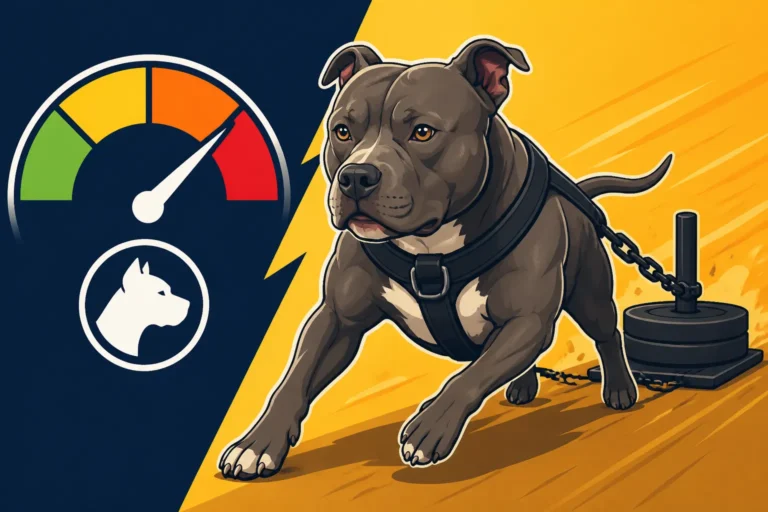
You can feed the best diet in the world, but without appropriate exercise, your Pit Bull will never achieve or maintain lean muscle. Nutrition provides the fuel and building blocks, but exercise is what stimulates muscle growth, burns fat, and develops cardiovascular health. Pit Bulls are powerful athletes, and they need an outlet for that energy.
- Consistent activity: Aim for at least 60-90 minutes of vigorous exercise daily, broken into sessions. This could include fast-paced walks, running, hiking, fetch, or tug-of-war. The Daily Exercise a Pit Bull Actually Needs offers a deeper dive into this.
- Variety is key: Mix up their routine to work different muscle groups and keep them mentally engaged. Incorporate short bursts of high-intensity activity with longer, steady-state cardio.
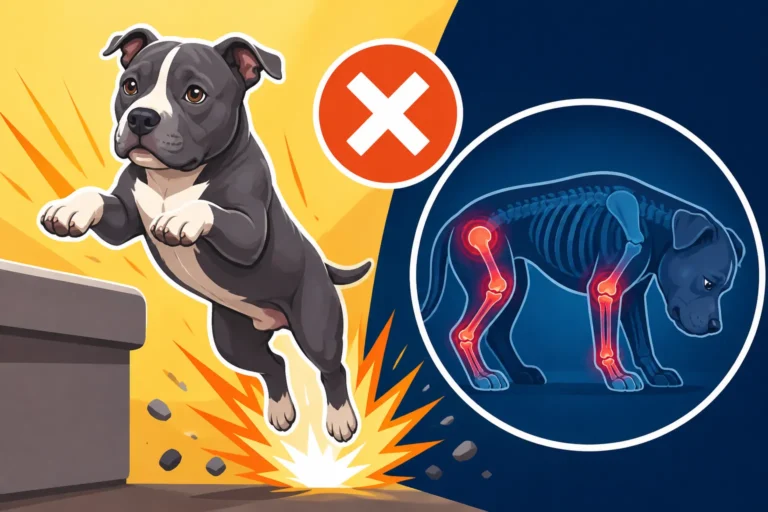
- Strength training: Activities like hill sprints, swimming, or even controlled tug games can help build and maintain powerful muscle. Always ensure these activities are safe and appropriate for your dog's age and physical condition. For younger dogs, avoid high-impact activities that could damage growing joints. Why a Growing Pit Bull Should Not Jump Hard provides essential safety advice.
- Listen to your dog: Pay attention to their energy levels, enthusiasm, and any signs of discomfort. On hotter days, adjust exercise intensity and time to prevent overheating. Spotting Heat Trouble in a Working Pit Bull is crucial for summer safety.
By integrating thoughtful nutrition with consistent hydration and appropriate exercise, you’re setting your Pit Bull up for a lifetime of lean muscle, vibrant health, and endless enjoyment. It’s a commitment, but one that truly pays off in the well-being of your beloved companion.
Disclaimer
This article is for general informational purposes only and does not constitute professional advice. Laws, prices and regulations vary by location and change over time. Consult a qualified professional for guidance on your specific situation.