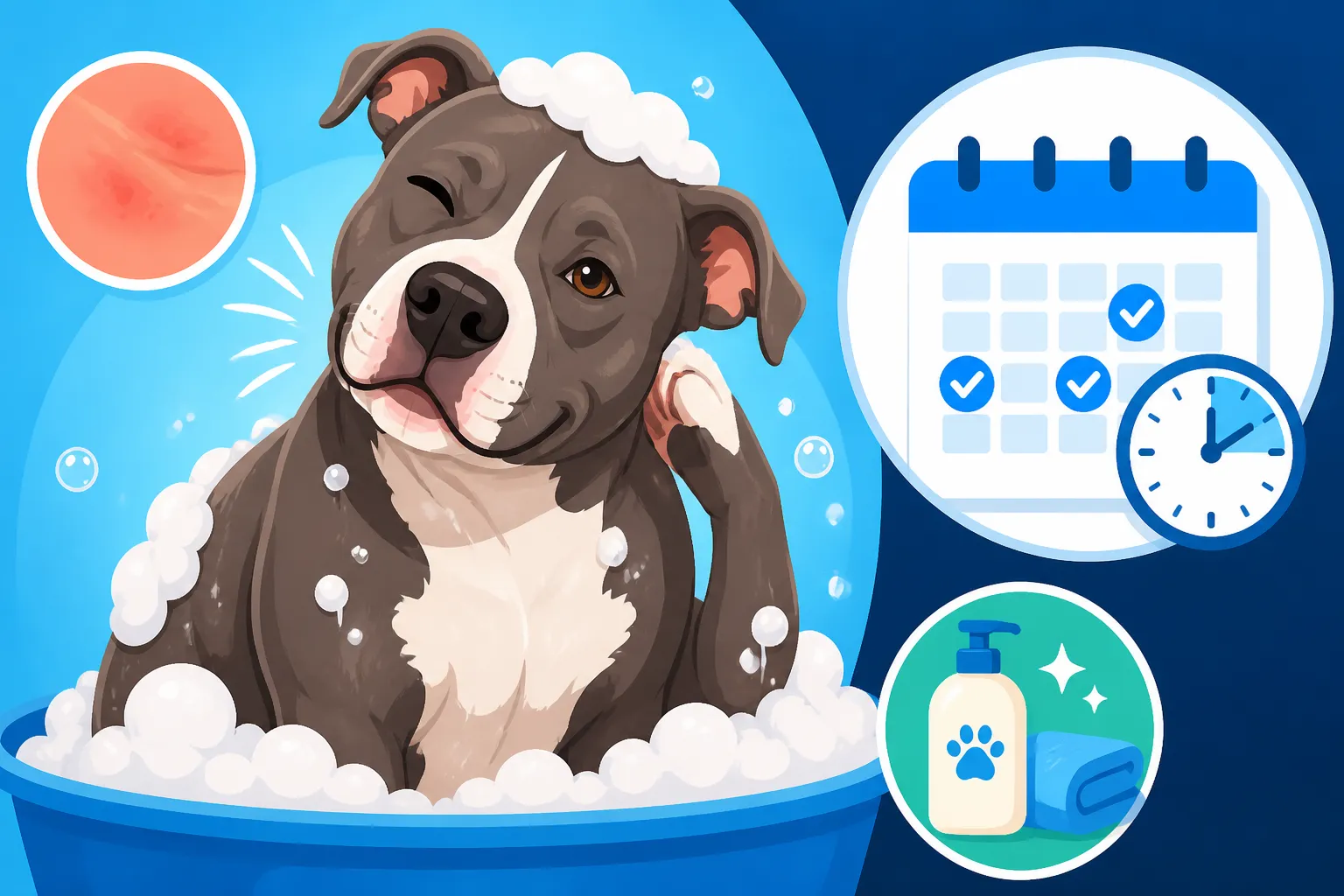
Bathing an Itchy Pit Bull on Schedule
It’s a frustrating, heartbreaking cycle: you watch your beloved Pit Bull scratch, chew, and rub themselves raw, day in and day out. Their beautiful, often short coat can hide a multitude of skin issues, and when that itching starts, it feels like an endless battle to find relief. This guide is all about giving you the tools to break that cycle, focusing on how a consistent, well-planned bathing schedule can become one of your most powerful allies in managing your Pit Bull’s itchy skin, bringing them much-needed comfort and improving their overall well-being.
Understanding Why Your Pit Bull Itches So Much
Before we dive into the nitty-gritty of bath time, it’s really important to get a handle on why your Pit Bull is so itchy in the first place. It’s not just "dry skin" or a passing phase for many of these dogs; often, there are underlying issues that need a consistent, multi-faceted approach, and bathing plays a huge role in that.
Common Triggers for Pit Bull Itching
Our Pit Bulls are fantastic, robust dogs, but many lines are also prone to certain sensitivities, especially when it comes to their skin. One of the biggest culprits we see is environmental allergies, often referred to as atopy. Think about it like hay fever for humans, but instead of sneezing, they get itchy skin. Pollen from trees, grasses, and weeds, dust mites in your home, even molds can set off a serious reaction. This often manifests as intense itching around their paws, belly, face, and ears. You might notice them rubbing their face on the carpet with gusto, or A Pit Bull Chewing Its Feet Through the Night, making their paws red and inflamed. It’s a classic presentation of Pit Bull Atopy and Seasonal Itching, and it can be truly miserable for them, and for you to watch.
Beyond environmental factors, diet can also play a sneaky role. While not as common as environmental allergies, some Pit Bulls do develop Food Allergies Behind Pit Bull Itching. This isn’t always obvious; it can present as general itchiness, ear infections, or even gastrointestinal upset. It’s a frustrating thing to pinpoint because it requires dedication, often involving strict food trials to identify the offending protein. Sometimes, the itching isn't directly an allergy but a secondary issue, like a yeast or bacterial infection that thrives on irritated skin. These microscopic invaders can quickly take hold once the skin's natural barrier is compromised by constant scratching, creating a vicious cycle of itch-scratch-infection. Understanding these triggers is the first step in tackling the problem, because simply bathing without knowing what you're up against can feel like bailing water with a sieve.
How Bathing Intervenes in the Itch Cycle
So, how does a simple bath help with such complex issues? Well, it’s actually quite powerful. For environmental allergies, regular bathing literally washes away those irritating allergens from their coat and skin. Imagine walking through a field of pollen and then not showering for a week – you'd be miserable! Your Pit Bull feels the same way. A good bath, especially after outdoor activities, can remove pollen, dander, and dust that cling to their fur, reducing the overall allergen load on their system. This immediate physical removal can provide significant relief, breaking that direct contact with the irritants.
Beyond just physical removal, many therapeutic shampoos are designed to soothe inflamed skin directly. Ingredients like colloidal oatmeal or aloe vera can calm irritation, while medicated shampoos can target secondary bacterial or yeast infections that often accompany chronic itching. These shampoos help to restore the skin's natural barrier, reduce inflammation, and create an environment less hospitable to opportunistic microbes. It’s not just about getting them clean; it’s about actively treating the skin, bringing down the heat, so to speak. This proactive approach with a tailored bathing schedule can prevent minor irritations from spiraling into full-blown skin infections, saving your Pit Bull a lot of discomfort and potentially saving you expensive vet visits down the line.
Developing a Bathing Schedule for Relief
Establishing a routine for bathing your itchy Pit Bull isn't a one-size-fits-all situation. It truly depends on the severity of their itching, the underlying cause, and the type of shampoo you're using. But one thing is for sure: consistency is the secret sauce.
Finding the Right Frequency
For a Pit Bull suffering from severe environmental allergies, especially during peak allergy seasons, daily bathing might actually be necessary, at least initially. This might sound extreme, but for some dogs, it's the only way to get enough allergens off their skin to provide real relief. We're not talking about scrubbing them with harsh soap every day, but more of a gentle rinse with a soothing, hypoallergenic shampoo, or even just plain water if their skin is very raw. As their skin improves, you can often stretch this out to every other day, and then eventually to two to three times a week. The goal is to find the minimum frequency that keeps them comfortable.
For many Pit Bulls with moderate itchiness, a good starting point is bathing them two to three times a week. This allows enough contact time for medicated shampoos to work their magic and keeps the allergen load manageable. If your Pit Bull’s itching is milder or perhaps linked to specific irritants you can control better, then a weekly bath might be sufficient. The key is to observe your dog closely. Are they still scratching within a day or two of a bath? Then you might need to increase the frequency. Are their skin and coat looking healthy, with minimal scratching, a few days after a bath? You might have found your sweet spot. Always chat with your vet about the right frequency, especially if you're using prescription medicated shampoos, as they'll have specific instructions.
Consistency is Key for Lasting Comfort
You wouldn't expect a single dose of medicine to cure a chronic condition, and the same goes for managing chronic itching in your Pit Bull. sporadic bathing won't cut it. The power of scheduled bathing comes from its regularity. When you bathe your Pit Bull on a consistent schedule, you’re not just providing temporary relief; you’re actively working to interrupt the itch-scratch cycle. Regular bathing prevents allergens from building up to trigger levels, keeps secondary infections at bay, and allows the skin's natural barrier to heal and strengthen.
Think of it like a preventative measure as much as a treatment. By sticking to a schedule, you help maintain a healthy skin microbiome and reduce inflammation before it spirals out of control. It can be easy to skip a bath when life gets busy, or when your Pit Bull seems "a little better," but that's often when flare-ups sneak back in. Dogs thrive on routine, and a consistent bathing schedule will not only benefit their skin but also create a predictable, often more positive, experience for them. Making it a regular part of your week means it becomes less of a chore and more of a valuable, health-supporting ritual.
Choosing the Right Shampoos and Conditioners
Walking down the pet shampoo aisle can be overwhelming. There are so many options, so many claims, and trying to pick the right one for your itchy Pit Bull can feel like guesswork. But picking the right shampoo is absolutely critical to the success of your bathing regimen.
Medicated vs. Soothing Formulas
When your Pit Bull is really struggling with itchiness, your vet might recommend a medicated shampoo. These aren't just fancy cleansers; they contain active ingredients designed to treat specific skin conditions. For instance, if your Pit Bull has a secondary bacterial infection (often called pyoderma), they might prescribe a shampoo with chlorhexidine. If yeast is the problem, look for ingredients like miconazole or ketoconazole. These ingredients work by killing off the offending microorganisms on the skin's surface, reducing inflammation and giving the skin a chance to heal. It’s important to use these exactly as directed by your vet, paying close attention to "contact time" – the amount of time the shampoo needs to stay on your dog's skin before rinsing for it to be effective.
For general itchiness, dryness, or as a follow-up to medicated baths, soothing or hypoallergenic shampoos are your best friend. Look for formulas designed for sensitive skin, often containing ingredients like colloidal oatmeal, aloe vera, or ceramides. These work to calm irritation, moisturize the skin, and help repair the skin's barrier. Brands that focus on natural, gentle ingredients can be a good starting point. You might find a wide variety of these options available on online retailers like Chewy or Amazon, making it easier to compare ingredients and reviews. Sometimes, combining the two types can be effective: use a medicated shampoo for treatment, then follow up with a soothing conditioner or use a gentle, calming shampoo on non-medicated bath days. This multi-pronged attack helps manage the symptoms while still being gentle on their already sensitive skin.
Ingredients to Look For and Avoid
When you're trying to ease your Pit Bull's itchy skin, reading the ingredient label on shampoos becomes as important as reading their food label. You want to prioritize ingredients that hydrate, soothe, and protect.
Look for:
- Colloidal Oatmeal: A classic for soothing itchy, inflamed skin. It creates a protective barrier and reduces redness. Many quality pet shampoos will feature this prominently.
- Aloe Vera: Known for its calming and healing properties, it can help alleviate irritation.
- Ceramides: These are lipids that naturally occur in the skin and are crucial for maintaining its barrier function. Shampoos or conditioners with ceramides can help repair damaged skin and improve moisture retention.
- Omega Fatty Acids (e.g., Omega-3, Omega-6): While often taken orally as supplements, some topical shampoos and conditioners include these for their anti-inflammatory benefits and to support skin health. Supplements That Help Pit Bull Skin can also be a game-changer when combined with topical treatments.
- Humectants (e.g., Glycerin, Urea): These ingredients attract moisture to the skin, helping to keep it hydrated and prevent dryness, which can exacerbate itching.
- Chlorhexidine/Miconazole (in medicated shampoos): As mentioned, these are vital for tackling bacterial and yeast infections under veterinary guidance.
Avoid:
- Sulfates (e.g., Sodium Lauryl Sulfate, Sodium Laureth Sulfate): These are harsh detergents that can strip the skin of its natural oils, leading to dryness and further irritation, especially on already sensitive Pit Bull skin.
- Strong Artificial Fragrances/Perfumes: While a fruity scent might appeal to us, these can be major irritants for a dog with sensitive skin and can even trigger allergic reactions. Always opt for fragrance-free or naturally scented options.
- Artificial Dyes: Similar to fragrances, dyes offer no benefit and can be potential irritants.
- Phthalates and Parabens: These are common preservatives and chemicals found in many personal care products, but it’s best to avoid them in pet products for sensitive skin, just in case they contribute to irritation.
- Alcohol: Can be very drying and irritating to already compromised skin.
By being a savvy label reader, you can significantly improve the effectiveness of your bathing routine and avoid ingredients that might inadvertently make your Pit Bull's itching worse. Remember, when in doubt, always consult with your veterinarian for recommendations tailored to your dog's specific skin condition.
The Bathing Process: More Than Just Wetting Down
Bathing an itchy Pit Bull isn't just about getting them wet and sudsy; it's a careful process designed to maximize relief and minimize stress. Done correctly, it can be a soothing experience that contributes significantly to their skin health.
Step-by-Step for Maximum Benefit
When it’s bath time for your itchy Pit Bull, having a systematic approach will ensure you get the most out of each session.
- Preparation is Key: Gather everything you need beforehand: chosen shampoo, conditioner, towels, a non-slip mat for the tub or shower, cotton balls for ears, and maybe even a few high-value treats. Trying to grab things mid-bath with a wet, wiggly dog is a recipe for chaos. Make sure the water temperature is lukewarm – not too hot, not too cold – to avoid shocking their system or further irritating their skin.
- Thorough Wetting: Completely saturate your Pit Bull's coat with water. This means getting down to the skin, not just the top layer of fur. For thicker areas or if they have a dense undercoat (some Pit Bulls do, surprisingly), take your time to ensure every inch is wet. This helps the shampoo distribute evenly and work its way through any grime or allergens.
- Apply Shampoo Evenly: Start applying the shampoo, beginning at their neck and working your way back towards their tail, making sure to cover their legs and paws. Gently massage the shampoo into their skin, rather than just their fur. Pay extra attention to commonly itchy areas like the armpits, groin, belly, and Pit Bull Paw Licking and Chewing problem spots. Use your fingertips to work it in, not your nails, to avoid further irritating the skin.
- Crucial Contact Time: This is where many owners miss a critical step, especially with medicated shampoos. Most therapeutic shampoos need to sit on the skin for 5 to 10 minutes to be effective. Check the specific instructions on your shampoo bottle or from your vet. This contact time allows the active ingredients to penetrate the skin and do their work. This is also a great opportunity for positive reinforcement – give them treats, offer gentle praise, or have a puzzle toy filled with peanut butter to keep them distracted. You can even use this time for Medicated Baths for a Pit Bull With Atopy.
- Rinse, Rinse, Rinse! This might be the most important step for an itchy Pit Bull. Any shampoo residue left on the skin can be incredibly irritating and actually cause itching. Rinse far longer than you think you need to. Run your hands over their coat and skin to feel for any slickness. The water coming off them should be completely clear. Pay close attention to under the arms, between toes, and around their ears and groin area, where shampoo can easily get trapped. You want every last bubble gone. This deep, thorough rinsing is paramount to skin comfort.
By following these steps, you’re not just cleaning your Pit Bull; you’re actively participating in their skin therapy, making each bath a purposeful step towards relief.
Drying Properly to Prevent Issues
After a thorough rinse, the job isn't quite done. Proper drying is almost as important as the washing itself, especially for a Pit Bull with sensitive or itchy skin. Leaving them damp can create a breeding ground for yeast and bacteria, exactly what we're trying to avoid.
First, gently towel-dry your Pit Bull. Use a soft, absorbent towel and blot their fur rather than rubbing vigorously, which can irritate sensitive skin. You might need several towels for a larger Pit Bull. Pay special attention to skin folds, if your dog has any, and the areas between their toes, as these are prime spots for moisture to linger. For dogs with chronic skin issues, I often recommend microfibre towels because they are super absorbent and gentle.
Next, consider using a dog-specific forced-air dryer on a low or no-heat setting. Human hairdryers can get too hot and burn their skin, or worse, cause hot spots. A pet dryer helps to get the undercoat thoroughly dry without damaging the skin. If your Pit Bull isn’t accustomed to a dryer, introduce it slowly with lots of praise and treats, starting with it running in the background and gradually moving closer. The goal is to dry them completely, but gently. If you don't have a forced-air dryer, allow them to air dry in a warm, draft-free room, checking frequently to ensure they are not getting chilled. However, for a truly itchy dog, air drying might not be sufficient to prevent microbial overgrowth, so getting them as dry as possible, as quickly as possible, is often best. Many Pit Bull owners find drying is the hardest part of the routine, but it's essential for preventing a relapse of their skin issues. Drying a Pit Bull After a Bath is a skill worth mastering for their comfort.
Beyond the Bath: Holistic Skin Management
While a consistent bathing schedule is incredibly effective for managing your itchy Pit Bull's skin, it's truly just one piece of the puzzle. For lasting comfort and optimal health, you need to consider a holistic approach that supports their skin from the inside out and minimizes external irritants.
Post-Bath Hydration and Spot Treatments
The moment your Pit Bull steps out of the bath, their skin is primed to absorb moisture and treatments. This is the perfect time to lock in hydration and apply any targeted therapies. For general dryness and to support the skin barrier, a good quality leave-in conditioner or hydrating spray can be a game-changer. Look for sprays containing ingredients like ceramides, essential fatty acids, or soothing botanical extracts. These can be applied while their coat is still damp, working them gently into the skin. They help to replenish moisture that even the gentlest shampoos might slightly diminish and create a protective layer. You can find excellent options for these on sites like Chewy or Amazon, often available in large, economical sizes.
For specific problem areas, such as hot spots that might be developing (though hopefully, regular bathing prevents these), or particularly dry, scaly patches, spot treatments can be very effective. Your vet might recommend a topical steroid spray, an antiseptic cream, or a soothing balm. These are applied directly to the affected area, allowing for concentrated relief. Just remember to ensure your Pit Bull doesn’t immediately lick off these treatments, as some can be harmful if ingested in large quantities. A cone of shame for a few minutes might be necessary to let the product absorb. This post-bath care ensures that the skin continues to receive support and healing long after the suds have gone down the drain.
Environmental Controls and Diet Considerations
Managing your Pit Bull's itchy skin effectively requires looking at their entire environment and diet. Bathing helps with surface allergens and infections, but if the underlying cause isn't addressed, you'll be constantly playing catch-up.
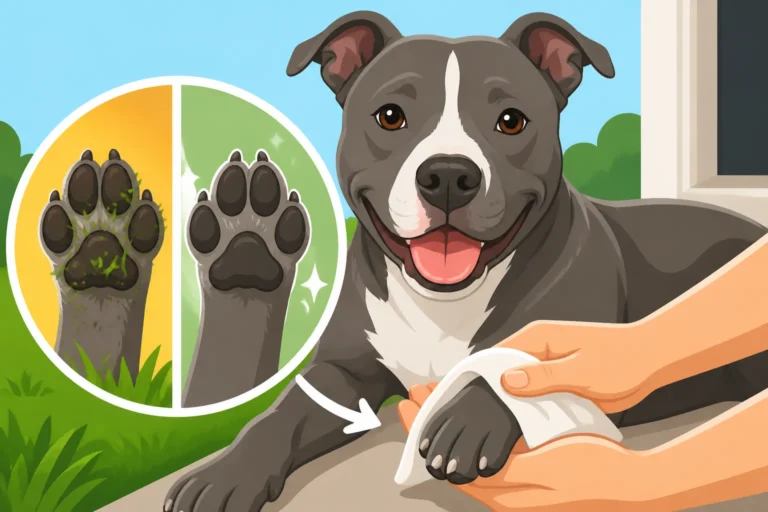
First, let's talk environment. If your Pit Bull is sensitive to environmental allergens like pollen, dust mites, or mold, you need to actively reduce their exposure. This might mean wiping their paws and belly with a damp cloth or specialized pet wipe after every outdoor excursion to remove pollen and other irritants. Rinsing Pollen Off a Pit Bull After Walks can make a noticeable difference. Indoors, frequent vacuuming (with a HEPA filter vacuum), washing bedding regularly in hot water, and using air purifiers can significantly reduce dust mite and mold levels. Consider limiting their access to certain rooms or outdoor areas during peak allergy seasons if you notice a correlation with their itching.
Next, diet. As we discussed, food allergies can mimic environmental allergies. If you suspect food might be a trigger, working with your vet on An Eight Week Food Trial on an Itchy Pit Bull is crucial. This involves feeding a novel protein or hydrolyzed diet exclusively for several weeks to see if symptoms improve. Quality nutrition also generally supports skin health. Even if your Pit Bull doesn't have a food allergy, ensuring they're on a balanced, high-quality diet rich in omega-3 and omega-6 fatty acids can improve their skin barrier and reduce inflammation. Some owners explore options like Ollie, a fresh food delivery service, to ensure their Pit Bull is getting optimal nutrition, though any high-quality commercial kibble can be excellent. Discussing diet changes with your vet is always recommended to ensure nutritional completeness and avoid deficiencies.
When to Seek Veterinary Intervention
While consistent bathing and good home care can work wonders, there are times when you absolutely need to bring in the professionals. If your Pit Bull's itching is severe, causing open sores, hair loss, or if they are developing frequent secondary infections that don't respond to over-the-counter medicated shampoos, it's time for a vet visit. Persistent ear infections (which are often linked to skin allergies in Pit Bulls) also warrant professional attention.
Your veterinarian can help diagnose the underlying cause of the itching, which might involve skin scrapings to rule out parasites like Demodex mange, fungal cultures, or allergy testing. They can prescribe stronger oral or topical medications, such as antibiotics or antifungals for infections, or anti-itch medications like Apoquel and Cytopoint for an Itchy Pit Bull for long-term allergy management. They can also guide you through a proper food trial or discuss immunotherapy options. Don't feel like you've failed if home remedies aren't enough; sometimes, medical intervention is simply necessary to get your Pit Bull truly comfortable again. Early intervention can prevent minor issues from becoming chronic, painful conditions, ensuring your Pit Bull lives a happier, scratch-free life.
Table: Comparing Common Pit Bull Itch Solutions
To help you visualize the different approaches to managing your Pit Bull's itchy skin, here's a table summarizing some of the key solutions and their primary roles:
| Solution Type | Primary Role | Best Used For | Important Considerations |
|---|---|---|---|
| Regular Bathing | Physical removal of allergens, topical treatment | Environmental allergies, secondary infections, general dryness | Frequency, proper shampoo choice, contact time, thorough rinsing are crucial. Consistency is key. |
| Medicated Shampoos | Killing bacteria/yeast, reducing inflammation | Active bacterial or yeast infections, severe itching | Requires vet prescription/guidance. Specific contact time (5-10 min) for effectiveness. |
| Soothing Shampoos | Calming irritation, moisturizing skin | Mild itchiness, dry skin, post-medicated bath, maintenance | Hypoallergenic, fragrance-free options best. Look for oatmeal, aloe, ceramides. |
| Dietary Changes | Identifying/avoiding food allergens, nutritional support | Suspected food allergies, overall skin health | Requires strict food trial (8 weeks+). High-quality ingredients with omega fatty acids. |
| Environmental Control | Reducing allergen exposure | Environmental allergies (pollen, dust mites, mold) | Wiping paws, regular cleaning, air purifiers, washing bedding. |
| Oral Anti-itch Meds | Suppressing immune response, reducing inflammation | Moderate to severe environmental allergies | Vet prescription needed. Can have side effects; discuss long-term use with vet. (e.g., Apoquel, Cytopoint) |
| Antibiotics/Antifungals | Treating active infections | Bacterial pyoderma, yeast overgrowth | Vet prescription needed. Must complete full course to prevent resistance/recurrence. |
| Supplements | Supporting skin barrier, reducing inflammation | Adjunctive therapy for allergies, dry skin | Omega fatty acids, probiotics. Not a standalone solution, but can support overall health. Consult vet. |
This table should give you a quick reference point as you navigate the options for your Pit Bull's itchy skin.
Troubleshooting Common Bathing Challenges
Even with the best intentions and the right products, bath time for an itchy Pit Bull can sometimes be a challenge. They might resist, their ears might get wet, or you might struggle to get them completely dry. But don't worry, there are strategies to overcome these hurdles.
Making Bath Time Less Stressful
For many dogs, bath time isn't exactly their favorite activity, and for an already uncomfortable Pit Bull whose skin might be tender, it can be downright unpleasant. The key is to make it as positive and stress-free as possible. Start by associating the bath area with good things. Bring them into the bathroom, give them treats, play a gentle game, and don't even turn on the water yet. Gradually introduce the tub or shower, using a non-slip mat to help them feel secure, as slipping is a major cause of anxiety. Lots of praise, calm tones, and high-value treats (like a lick mat smeared with peanut butter stuck to the tub wall) can work wonders to distract and reward them.
Breaking the bath into smaller steps can also help. Don't rush. Maybe one day you just get their paws wet, the next you do their lower body, and then finally a full bath. Always end on a positive note, even if it was a struggle. This consistency of positive association, rather than force, will build trust over time. Remember, your calm demeanor can significantly influence theirs. If you're stressed, they'll pick up on it. Make it a routine, predictable event, and many Pit Bulls will eventually learn to tolerate, if not enjoy, their therapeutic baths.
Handling Ears and Eyes During the Bath
Protecting your Pit Bull’s sensitive ears and eyes during bathing is crucial, especially if they are already prone to Pit Bull Ear Infections and What Drives Them. Getting water or shampoo into their ear canals can exacerbate existing infections or even cause new ones. Before you start wetting them down, place a large cotton ball gently into each of their ear canals. Don't push it in too far, just enough to form a barrier against water. Remember to remove them after the bath!
When rinsing, be very careful around their head and face. You can cup your hands over their eyes and ears to create a shield, or use a washcloth specifically for their face, gently wiping rather than dousing. There are also bathing aids available, like shower visors or gentle rinsing attachments, that can help direct water away from sensitive areas. Always use a tearless shampoo designed for dogs around their eyes if you need to wash their face, but often, a damp cloth is sufficient. Post-bath, thoroughly dry the outside of their ears and around their ear flaps, as moisture left here can also contribute to problems. For Pit Bulls with chronic ear issues, Cleaning a Pit Bull Ear Properly after the bath can also be part of the routine, but ensure it's done carefully and with vet-approved solutions.
Managing Drying Pitfalls and Subsequent Itching
We’ve already covered the importance of thorough drying, but it’s worth reiterating and addressing common pitfalls. If your Pit Bull is still damp after a bath, especially in their undercoat or skin folds, you risk creating a warm, moist environment where yeast and bacteria can flourish. This can lead to a quick return of itching, or worse, a new infection. A common mistake is thinking a towel dry is enough – for a short-coated Pit Bull, it might be, but inspect carefully. Use your fingers to feel down to the skin, ensuring it's completely dry.
If you notice your Pit Bull starts itching intensely immediately after a bath, despite proper drying, it could be one of a few things:
- Shampoo Residue: The most common culprit. You simply didn't rinse enough. Go back to basics and rinse, rinse, rinse.
- Irritating Ingredients: The shampoo or conditioner you're using might contain ingredients that are actually irritating their skin. Revisit the ingredient list and consider switching to a truly hypoallergenic, fragrance-free option.
- Pre-existing Infection: The itching might be so severe due to an underlying infection that the bath merely removed superficial irritants, but didn't address the deeper issue. This is a sign to consult your vet.
Sometimes, the bath is doing its job by bringing surface irritants to the forefront, or by causing temporary dryness. If the itching persists for more than a day or two after a well-executed bath, it's a sign that the underlying cause might be more severe or that your current regimen isn't quite right. Don't get discouraged! It’s a process of trial and error, but with careful observation and working alongside your vet, you can find the perfect bathing schedule and products that bring your Pit Bull long-lasting comfort.
Disclaimer
This article is for general informational purposes only and does not constitute professional advice. Laws, prices and regulations vary by location and change over time. Consult a qualified professional for guidance on your specific situation.