What to Keep Away From a Pit Bull
Toxic household items like chocolate, grapes, and xylitol cause severe health issues and kidney failure in Pit Bulls.
The daily stuff, done right.
Feeding amounts by life stage, coat and skin routines, dental and nail care, exercise needs, and what changes as they age.
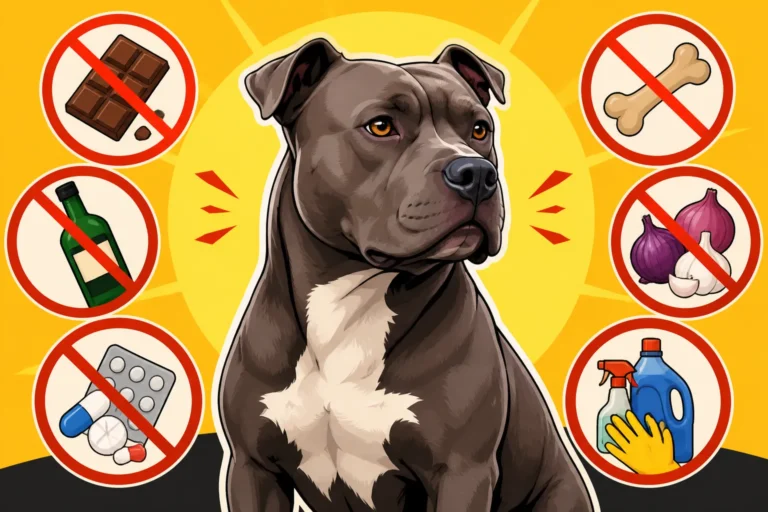
Toxic household items like chocolate, grapes, and xylitol cause severe health issues and kidney failure in Pit Bulls.
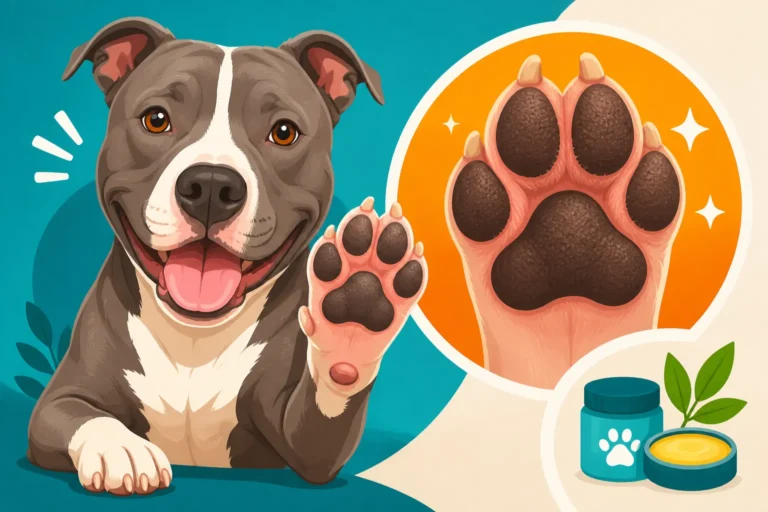
Pit Bull paw and pad care involves daily visual checks, monitoring environmental stressors, and preventing injuries from hot pavement.
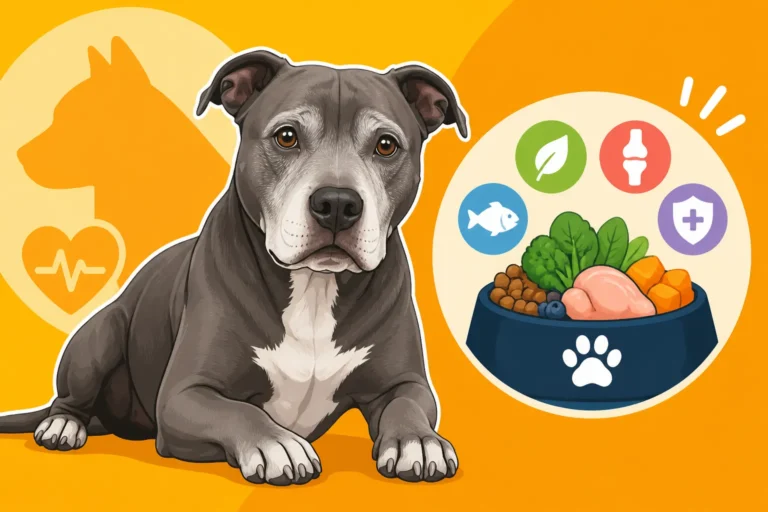
Senior Pit Bull dietary adjustments explain how to manage weight, lower energy levels, and handle digestive sensitivities.
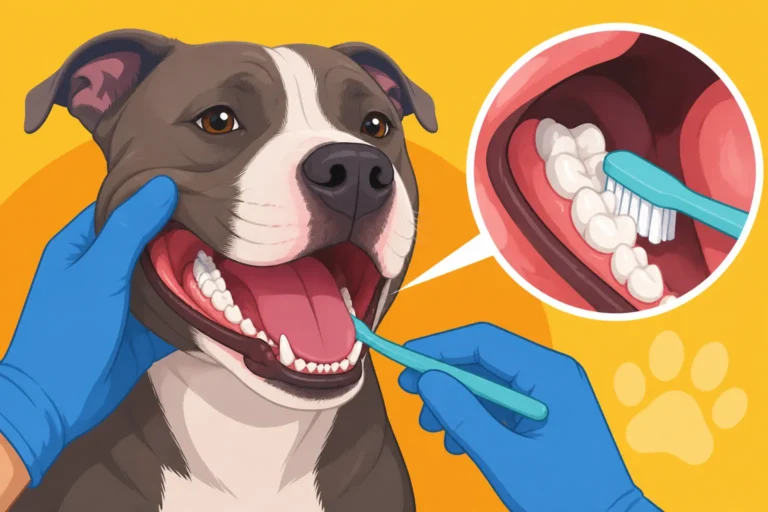
Pit Bull dental tools and techniques explain how to clean hidden back molars, prevent plaque buildup, and stop periodontal disease.
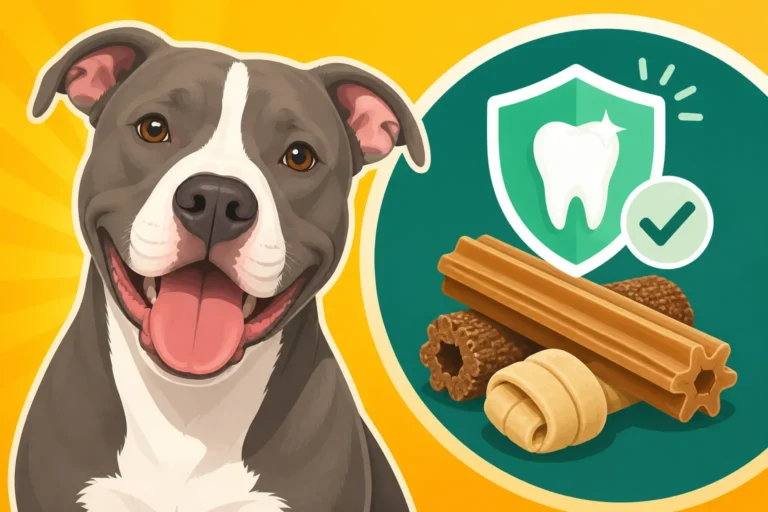
Pit Bull jaw strength and powerful chewing can break teeth, requiring safe toys to prevent emergency veterinary visits.
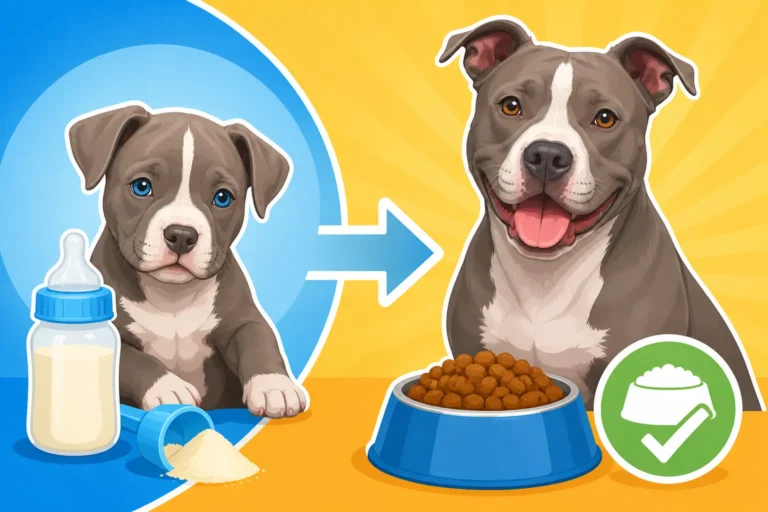
Pit Bull puppy diet transitions depend on growth stages and skeletal maturity between twelve and eighteen months of age.
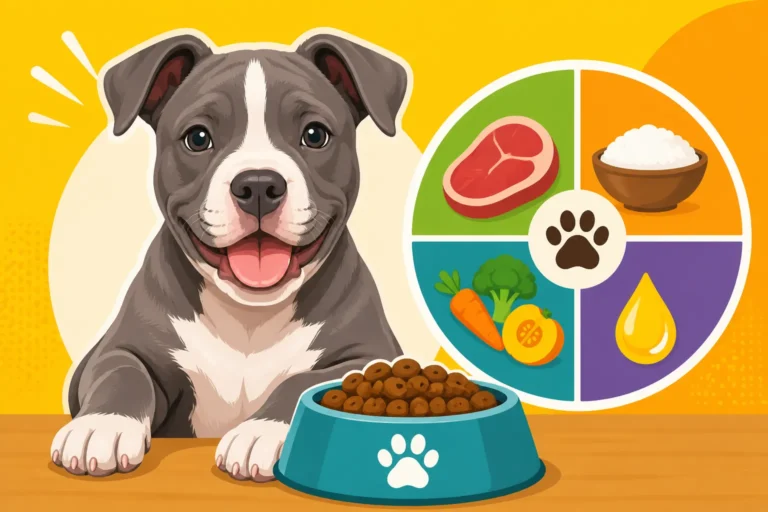
Pit Bull puppy nutrition details how large breed diets manage growth rates and control calcium to prevent hip dysplasia.
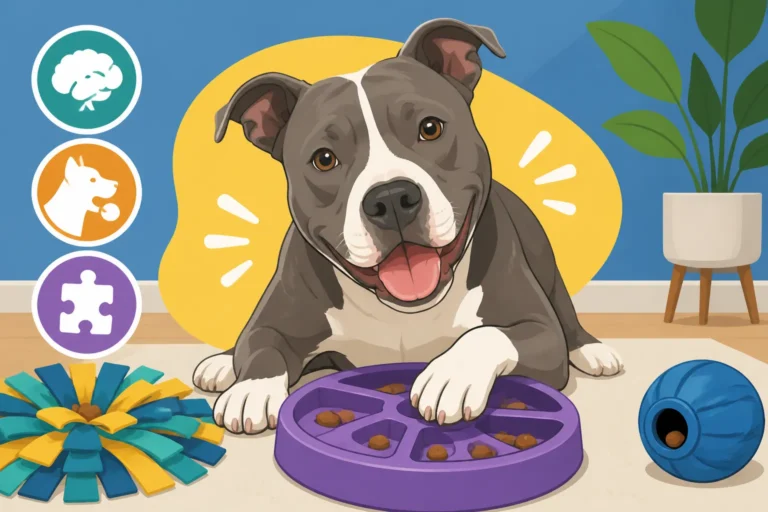
Indoor enrichment activities keep smart Pit Bulls mentally stimulated and prevent destructive behaviors when outdoor exercise is limited.

Pit Bull cold weather care involves recognizing single coat vulnerabilities, watching for shivering, and adjusting routines for safe winter walks.

Pit Bull summer heat risks and warning signs explained, helping owners adapt routines to keep muscular dogs safe during high temperatures.