Getting a Pit Bull Back Into Condition
Veterinary check-ups and body condition assessments safely restore your Pit Bull to optimal physical health and fitness.
Know what to watch for.
Breed-specific conditions, screening and DNA tests, what surgery actually costs, and the daily habits that stretch a healthy lifespan.
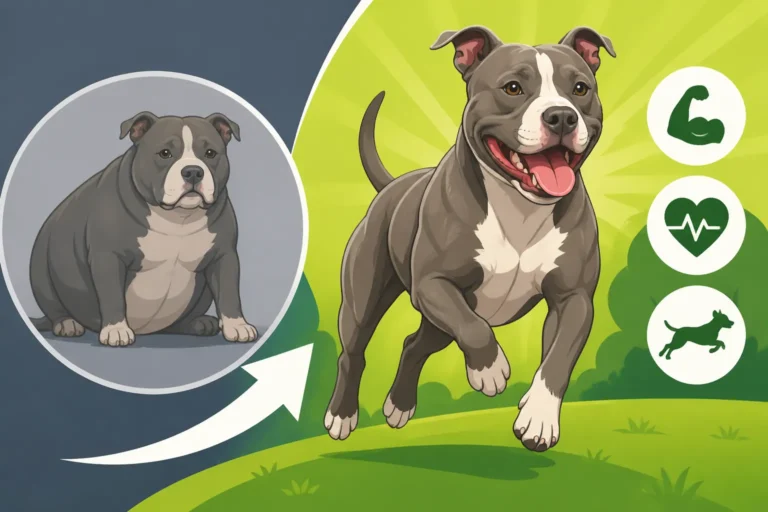
Veterinary check-ups and body condition assessments safely restore your Pit Bull to optimal physical health and fitness.
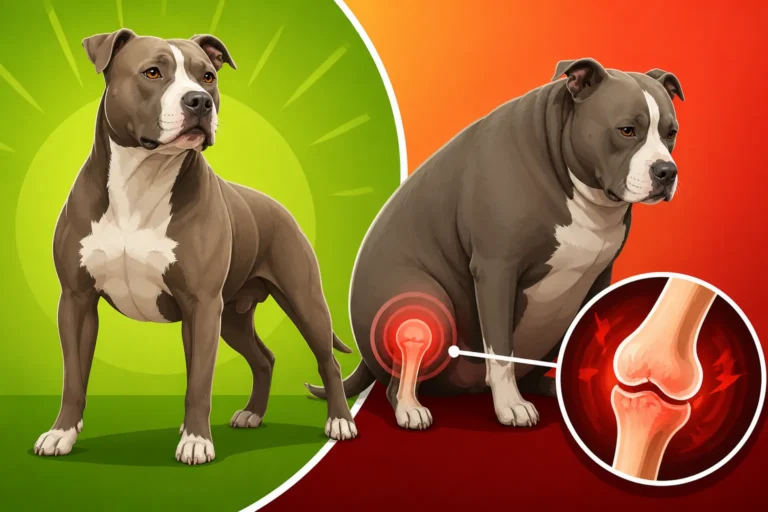
Pit Bull weight management prevents joint strain, arthritis, dysplasia, and ligament tears by keeping dogs lean and active.
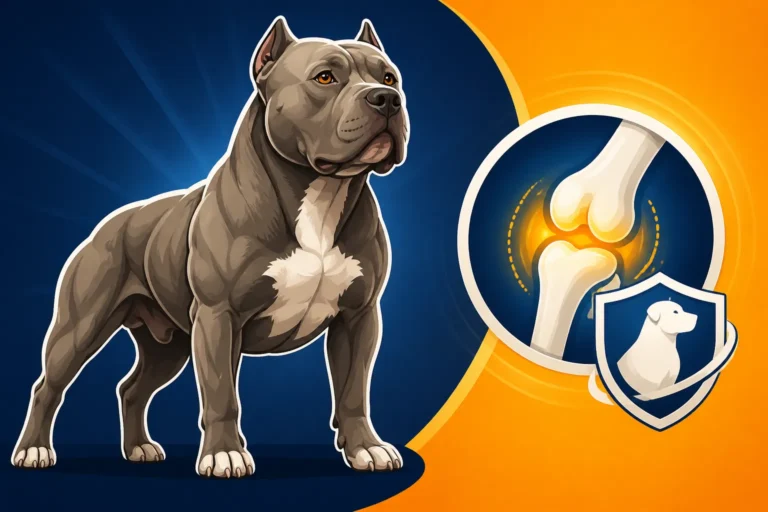
Joint support strategies for heavily muscled Pit Bulls explain diet, exercise, and care to reduce joint stress and pain.
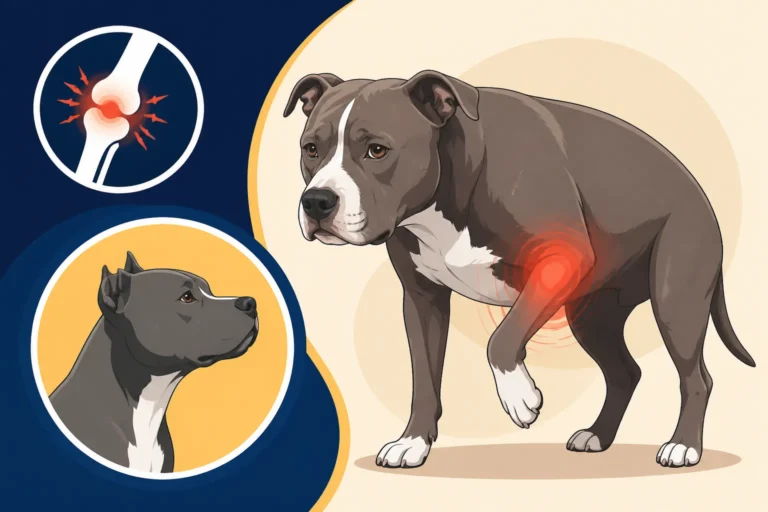
Arthritis in Pit Bulls over age seven causes joint pain, cartilage wear, and stiffness that owners can manage.
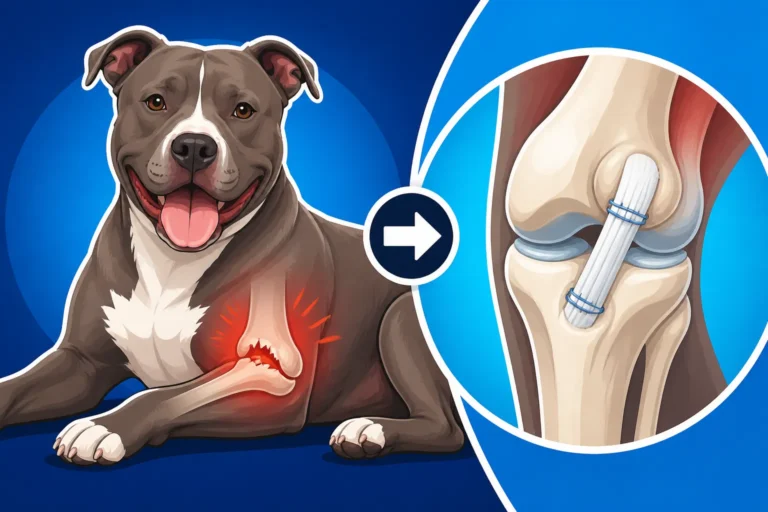
Pit Bull knee ligament tears cause instability and pain, requiring surgical options and rehabilitation for joint recovery.
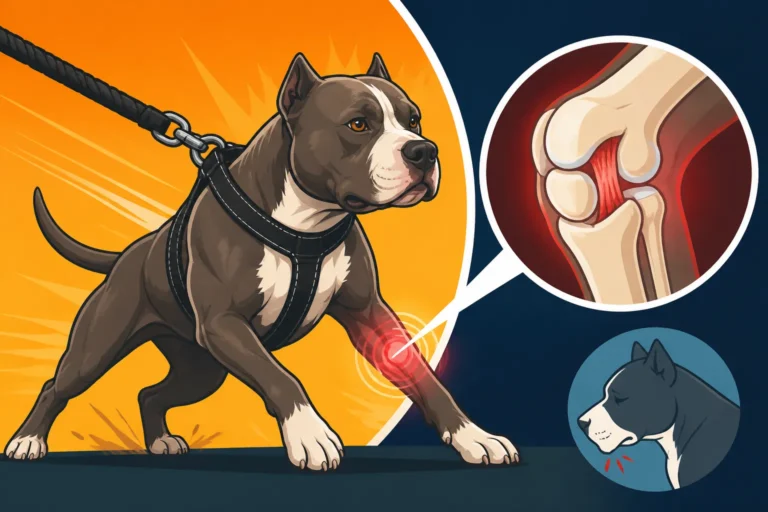
Cruciate ligament tears in Pit Bulls, caused by chronic strain from hard pulling, lead to severe knee joint instability and arthritis.
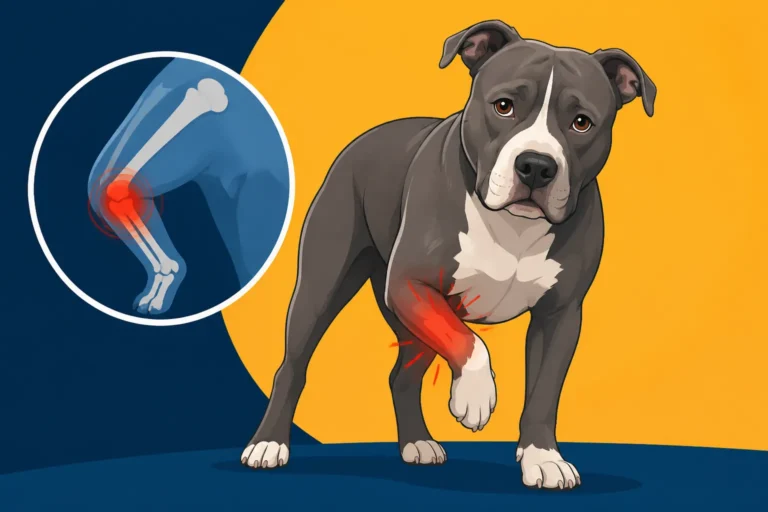
Pit Bull front leg lameness causes, gentle home examinations, and veterinary care decisions are explained for worried owners.
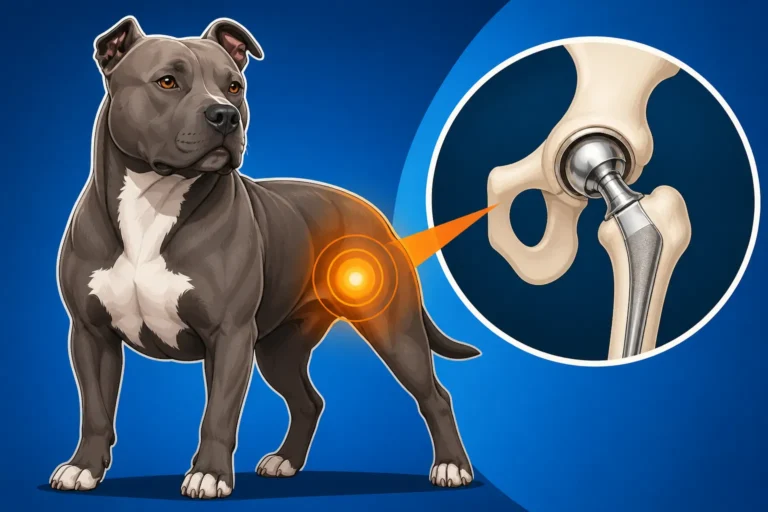
Pit Bull hip replacement surgery restores normal joint function for dogs suffering from severe hip dysplasia and chronic pain.
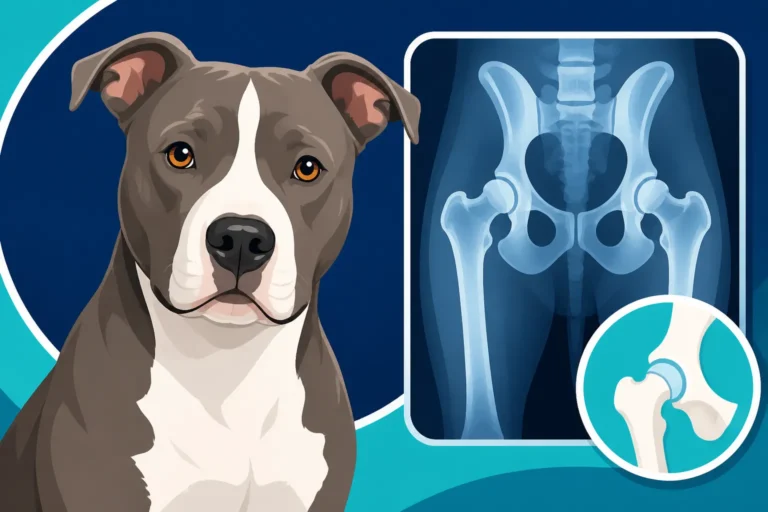
PennHIP testing measures hip joint laxity to predict canine hip dysplasia in muscular breeds like the American Pit Bull Terrier.
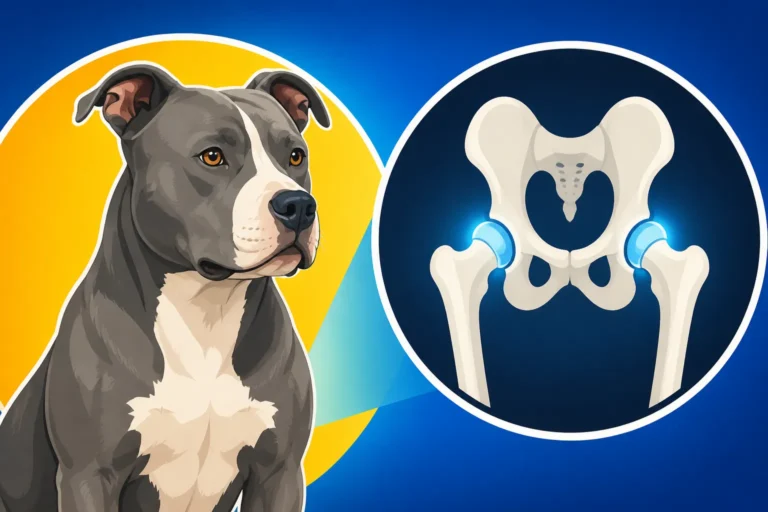
The Orthopedic Foundation for Animals grading system evaluates Pit Bull hip radiographs to identify heritable orthopedic diseases.