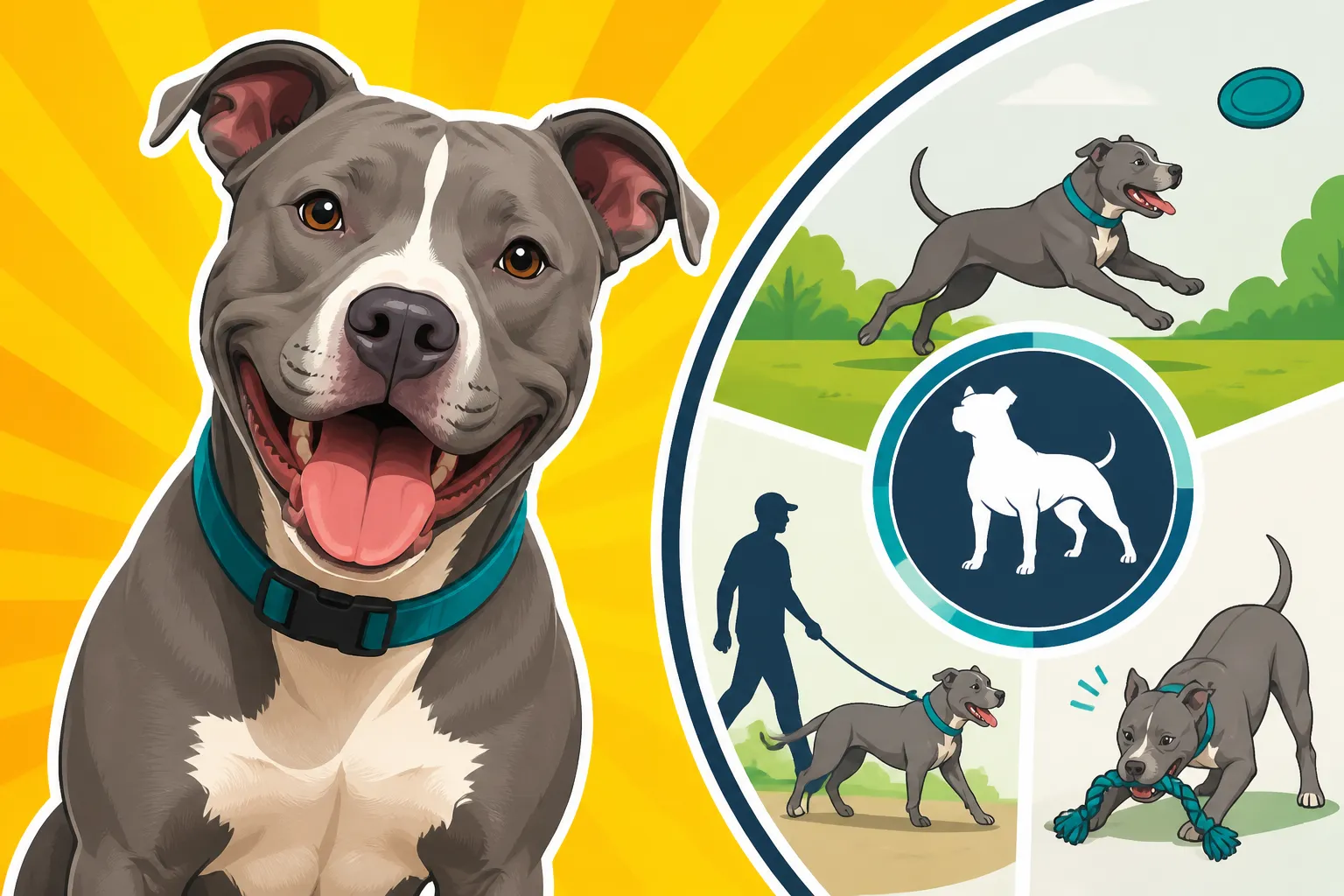
The Daily Exercise a Pit Bull Actually Needs
It's a common misconception that Pit Bulls are perpetual motion machines needing hours upon hours of hardcore exercise every single day. Many owners feel immense pressure to run their dogs ragged, leading to frustration when their furry companion still has energy, or worse, gets injured from overexertion. This guide will cut through the noise, helping you understand the real daily exercise needs of your Pit Bull, ensuring they are happy, healthy, and well-adjusted without burning them out.
Understanding Your Pit Bull's True Energy Profile
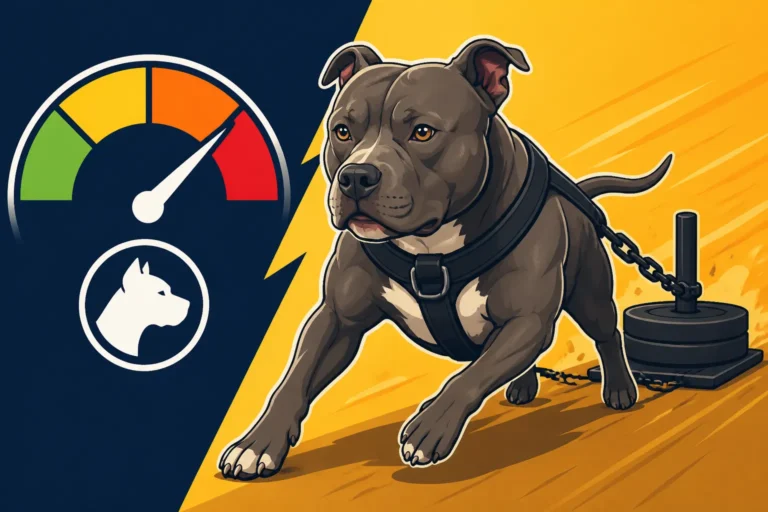
When we talk about Pit Bull exercise, there’s often an image that springs to mind: a powerful dog pulling a sled or perpetually sprinting. While many Pit Bulls certainly possess incredible athleticism and strength, it’s a mistake to assume every single one needs that level of intensity all the time. Just like people, individual dogs have unique energy levels, influenced by genetics, age, and overall health. What’s crucial is learning to observe your own dog and adapt their routine to their specific needs, rather than a blanket assumption.
Debunking the "Non-Stop" Myth
The idea that Pit Bulls are "hyperactive" and need constant stimulation often comes from their historical working background and their impressive physical capabilities. Yes, these dogs were bred for endurance and strength, but that doesn't mean they are always bouncing off the walls. Many Pit Bulls are perfectly content with a good brisk walk or two, some focused play, and then chilling on the couch with their people. The myth of the non-stop Pit Bull can lead to owners pushing their dogs too hard, which can be detrimental.
This misconception can also mask other issues. Sometimes, what looks like endless energy is actually boredom, anxiety, or a lack of mental stimulation. A dog that is constantly seeking attention, getting into mischief, or pacing might not need another mile added to their run, but rather a challenging puzzle toy or a focused training session. Understanding the root cause of their "excess" energy is key to providing appropriate outlets.
It’s important to remember that genetics play a role, too. While the umbrella "Pit Bull" covers several breeds and mixes, even within purebred American Pit Bull Terriers or American Staffordshire Terriers, you'll find a range of energy levels. Some lines are bred for intense working drives, others for more companionable temperaments. Knowing your dog's background, if possible, can offer clues, but ultimately, direct observation is your best tool.
Reading Your Individual Dog's Cues
Every Pit Bull is an individual, and the best way to determine their daily exercise needs is to become a master at reading their unique body language and behavioral cues. A dog who is truly satisfied after a walk might calmly settle down for a nap, while one who still needs more activity might wander restlessly, nudge toys at you, or even start a bit of destructive chewing. Learning these subtle signals will help you adjust their routine in real-time.
Consider their demeanor throughout the day. Are they content and relaxed, or do they seem antsy, seeking trouble, or exhibiting behaviors like excessive barking or digging? These can all be signs that their daily routine isn't quite hitting the mark for their physical or mental needs. It's a continuous conversation between you and your dog, where you provide activities and they show you if it was enough, too much, or just right.
This isn't just about how much they want to do, but also how much they can do without being overstimulated or overtired. A dog that gets too much high-intensity exercise might become cranky, prone to minor injuries, or even develop behavioral issues due to chronic overstimulation. Finding that sweet spot where they are physically tired and mentally fulfilled, but not utterly exhausted, is the goal.
The Difference Between Physical Exertion and Mental Engagement
One of the biggest mistakes owners make is assuming that physical exercise alone is enough to tire out a Pit Bull. While essential, physical activity often only addresses one part of their energy output. These are intelligent dogs who thrive on challenges that engage their minds just as much as their bodies. Neglecting mental stimulation can lead to a dog who is physically tired but still mentally restless and prone to mischief.
Think of it this way: a marathon runner might be physically exhausted after a race, but if they haven't had any interesting conversations or problems to solve, their brain might still be buzzing. Dogs are similar. A long walk is great, but adding in some sniff games, training commands, or puzzle toys can tap into a different kind of energy, leading to a more balanced and content dog. Indoor Trick Work for a Bored Pit Bull can be incredibly effective here.
This combination of physical and mental work is especially important for Pit Bulls. Their drive and intelligence, often paired with considerable strength, mean that a bored Pit Bull can quickly become a destructive Pit Bull. Incorporating regular training sessions, scent games, or interactive feeders can significantly reduce unwanted behaviors and build a stronger bond between you and your dog.
Tailoring Exercise to Every Stage of Life
Just as human athletes adjust their training regimens over their lifetime, a Pit Bull's exercise needs aren't static. They evolve significantly from boisterous puppyhood through their energetic adult years and into their calmer, wiser senior phase. Ignoring these developmental stages can lead to health issues, behavioral problems, or simply an unhappy dog. Understanding and adapting to each phase is crucial for their long-term well-being.
Pit Bull Puppy Play and Growth Plate Safety
Pit Bull puppies are bundles of boundless energy, but this is a critical period for bone and joint development. Over-exercising a young Pit Bull, especially with high-impact activities like excessive jumping, long runs on hard surfaces, or strenuous agility work, can put undue stress on their developing growth plates. These cartilaginous areas at the ends of long bones are soft and vulnerable until they close, typically between 12-18 months of age for a Pit Bull. Injury to these plates can lead to lifelong issues like Pit Bull Joint and Ligament Injuries.
Instead, focus on short, frequent play sessions on softer surfaces like grass. Think of structured playtime like fetch or gentle tug-of-war, mixed with free-play in a secure yard. Short walks, perhaps 5-10 minutes per month of age (e.g., a 4-month-old puppy gets 20-40 minutes total, split into multiple outings), are far better than one long, exhausting trek. The goal is to build stamina and muscle gently, without jarring their still-forming skeletal structure. For more detail, you might want to read What a Pit Bull Under a Year Should Not Do.
Crucially, allow plenty of rest. Puppies need a lot of sleep for proper development. A crate can be a wonderful tool to ensure they get enough downtime, preventing them from overdoing it even when they seem to have infinite zoomies. Focus on controlled, positive experiences rather than pushing their physical limits.
The Peak Years: Adult Pit Bull Exercise Needs
Once your Pit Bull is fully grown, typically around 18-24 months, their growth plates have closed, and they're ready for more robust exercise. This is often their most energetic phase, and regular, consistent activity is vital. For most healthy adult Pit Bulls, 60-90 minutes of moderate to vigorous exercise daily is a good benchmark, but this can vary. This doesn't mean non-stop running; it's about quality and variety.
Think about a mix of activities: two brisk 30-minute walks, a session of fetch in the park, or a vigorous tug game in the yard. Many Pit Bulls excel at canine sports like obedience, rally, or even dock diving, which provide excellent physical and mental outlets. Strong dogs benefit from controlled activities that build muscle and stamina, such as hiking on varied terrain or swimming. Consider a durable harness from a retailer like Chewy or Amazon for better control during walks, especially if your Pit Bull is a strong puller.
Remember the balance between physical and mental stimulation. An adult Pit Bull who gets their daily walks but no mental challenges might still seem restless. Incorporate training sessions, hide-and-seek with treats, or challenging puzzle feeders from brands like Outward Hound (available on Amazon) to keep their minds sharp and engaged. This comprehensive approach helps prevent Pit Bull Obesity and Joint Strain and promotes overall well-being.
Adapting for the Golden Years: Senior Pit Bulls
As your Pit Bull enters their senior years, typically around 7-8 years old, their exercise needs will naturally begin to decrease. They might not have the same stamina or desire for long runs, and their joints might start to feel the effects of age. It's a cruel twist, but just when they need it most, their bodies might not cooperate. The key is to keep them moving, but with modified intensity and duration.
Short, frequent, low-impact activities become paramount. Think two to three shorter, gentle walks throughout the day instead of one long one. Swimming can be excellent for senior dogs as it's non-weight bearing and good for joint mobility. Focus on consistency over intensity. Gentle stretches or massage can also be beneficial before and after activity. Supplements, often recommended by vets, can also help support joint health – many are available through Chewy or other pet retailers.
Watch carefully for signs of discomfort or fatigue. Is your senior Pit Bull lagging behind, limping after a walk, or struggling to get up? These are signals to reduce the intensity or seek veterinary advice for potential arthritis or other age-related conditions. Even though their pace slows, mental stimulation is still incredibly important. Gentle training refreshers, scent games, or softer puzzle toys can keep their minds engaged without stressing their bodies. Caring for a Pit Bull in Its Second Decade offers more insights into managing their later years.
More Than Just Walks: Diverse Exercise Options
While the daily walk is a cornerstone of any dog’s routine, relying solely on it can be a missed opportunity, especially for a powerful and intelligent breed like the Pit Bull. A varied exercise routine not only prevents boredom but also works different muscle groups, improves overall fitness, and crucially, provides mental stimulation. Diversifying their activities ensures a well-rounded and satisfied companion.
Structured Activities for Physical Fitness
Beyond leash walks, there's a whole world of structured activities that can greatly benefit your Pit Bull's physical conditioning. Fetch, for instance, is a fantastic way to burn energy in a shorter period. These powerful dogs often love to retrieve, and a heavy-duty, durable ball can provide immense satisfaction. Just be mindful of their joints and avoid repetitive, high-impact jumps on hard surfaces.
Tug-of-war is another excellent option, engaging their strong jaw muscles and providing a satisfying outlet for their natural drives. When playing tug, remember to teach clear "drop it" and "take it" commands to maintain control and ensure it's a cooperative game. Flirt poles are brilliant for engaging their prey drive and working on impulse control, allowing them to chase and "catch" a lure on a stick, giving them a vigorous workout without you having to sprint alongside them. Remember Building a Pit Bull's Stamina Safely means gradual progression.
If you have access to safe, appropriate areas, activities like hiking on varied terrain can be stimulating both physically and mentally. Swimming, if your Pit Bull enjoys it, is a superb low-impact exercise that builds strength and stamina without stressing joints. Always ensure water safety, especially for breeds with heavier builds, and consider a life vest, easily found on Amazon, for peace of mind.
Engaging the Brain with Puzzle Toys and Training
As we've discussed, mental engagement is just as crucial as physical exercise for a Pit Bull. Without it, they can become bored, frustrated, and even destructive. This is where puzzle toys, scent work, and consistent training come into play, offering a different kind of "workout" that tires them out in a profoundly satisfying way.
Puzzle feeders are a game-changer for many Pit Bull owners. Instead of simply gobbling down their meal in 30 seconds, a puzzle feeder makes them work for it, stimulating their problem-solving skills. There are numerous options available on Chewy, from simple kongs stuffed with treats to more elaborate interactive feeders. This turns mealtime into a mental scavenger hunt, slowing down eating and engaging their brain.
Scent work, or "nose work," is another fantastic activity that taps into their natural canine instincts. Hiding treats around the house or yard and encouraging your dog to find them uses their most powerful sense and provides immense mental satisfaction. Even simple "find it" games can be incredibly rewarding. Consistent training sessions, even just 10-15 minutes a day, practicing new commands or refining old ones, also provides excellent mental stimulation. This kind of focused work builds a stronger bond and gives your Pit Bull a sense of purpose.
Managing Energy with Indoor Play and Relaxation
Life isn't always sunny and perfect for outdoor adventures, and sometimes your Pit Bull needs to burn off steam indoors. This is where a repertoire of indoor games and strategies for relaxation become invaluable. Indoor play can be surprisingly effective for managing energy, especially for Pit Bull Recovery Days Between Hard Sessions or when the weather isn't cooperating.
Indoor fetch with a soft toy, hide-and-seek (where you hide and call your dog to find you), or even just vigorous tug-of-war in a safe space can help burn off some of that pent-up energy. Remember, you don't need a huge house; even a hallway can be a great place for a quick retrieve game. Training sessions are also perfect for indoors, working on new tricks or polishing manners.
Equally important is teaching your Pit Bull how to relax. Some high-drive dogs struggle to "turn off." Providing appropriate chew toys – something like a KONG or a durable Nylabone from Chewy, filled with frozen peanut butter – can encourage quiet, focused chewing, which is a calming activity. A comfortable bed in a quiet spot provides a sanctuary for rest. Teaching a "place" command or sending them to their mat can reinforce the idea of downtime, even when the household is bustling.
| Activity Type | Ideal for Puppies | Ideal for Adults | Ideal for Seniors | Benefits |
|---|---|---|---|---|
| Short Leash Walks | Yes | Yes | Yes | Essential, gentle cardio, sensory input |
| Fetch/Tug-of-War | Moderate (brief) | Yes | Modified (gentle) | High energy burn, builds muscle, instinctual |
| Hiking | No (too strenuous) | Yes | Modified (gentle) | Stamina, varied terrain, mental stimulation |
| Swimming | Yes (supervised) | Yes | Yes | Low-impact cardio, builds strength |
| Puzzle Feeders | Yes | Yes | Yes | Mental stimulation, slows eating |
| Scent Games | Yes | Yes | Yes | Engages natural instincts, mentally tiring |
| Obedience Training | Yes | Yes | Yes | Mental engagement, strengthens bond, manners |
| Flirt Pole Play | Moderate (brief) | Yes | No (too high-impact) | Prey drive outlet, quick energy burn |
Practical Considerations for Safe and Effective Exercise
Even with the best intentions, exercise can pose risks if not managed properly. Pit Bulls, with their strength, determination, and short coats, have specific needs when it comes to safe exercise. Overlooking these practical considerations can lead to injury, discomfort, or even serious health emergencies. A responsible owner always prioritizes their dog’s safety and comfort above all else during any physical activity.
Weather Extremes and Paw Protection
Pit Bulls, with their short, single coats, are not well-insulated against extreme temperatures. In hot weather, they are particularly susceptible to overheating. Their powerful drive might push them to continue even when their body is telling them to stop. Always avoid exercising your Pit Bull during the hottest parts of the day. Early mornings and late evenings are preferable in summer. Look for shaded areas and always carry plenty of water for both of you. Signs of overheating include excessive panting, drooling, weakness, and staggering. If you suspect heatstroke, immediate veterinary attention is crucial. Check Whether to Walk a Pit Bull Above Eighty Degrees for more guidance.
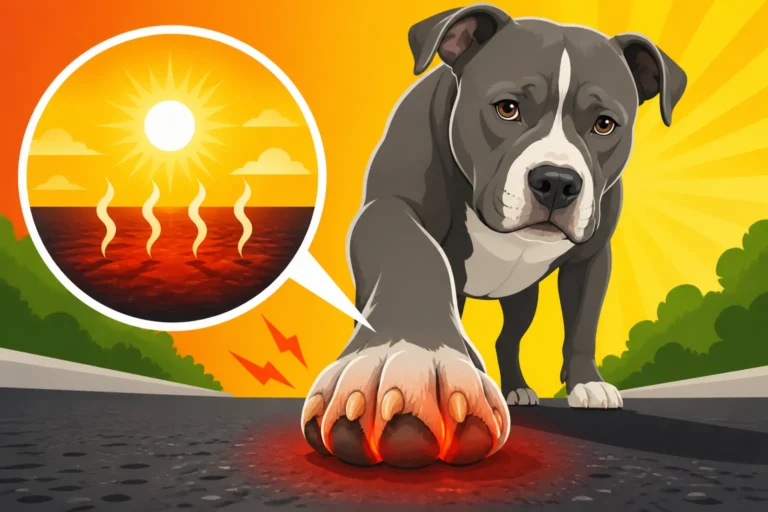
Cold weather also presents challenges. While they might tolerate it better than extreme heat, a short-coated Pit Bull can still get too cold. If you live in a region with harsh winters, consider a warm dog coat or sweater for outdoor excursions, especially for older or less active dogs. Keep walks shorter and more frequent. Paw protection is vital in both extremes. Hot pavement can cause serious burns, so always check the ground temperature with your hand before walking. In winter, ice, salt, and de-icing chemicals can irritate or injure paw pads. Dog booties, available on Amazon, can offer protection in both scenarios, preventing Hot Pavement Under a Pit Bull Paw.
Essential Gear for Safe Pit Bull Exercise
Having the right equipment is not just about convenience; it's about safety and control, especially with a strong breed like a Pit Bull. A well-fitting, sturdy harness is paramount. A front-clip harness or a head halter can offer better control for dogs that pull on the leash, distributing pressure more evenly than a collar alone. This is particularly important for handlers who might not match their dog’s physical strength.
Beyond the harness, a strong, durable leash is a non-negotiable. Opt for leashes made of robust nylon or leather with solid metal hardware that won't snap under pressure. For off-leash areas (where allowed and safe), a long line (a very long leash, 15-30 feet) can provide a sense of freedom while maintaining a crucial connection for safety and recall practice. Remember, Pit Bulls are powerful, and their gear needs to be up to the task.
For water activities, a dog life vest can be a lifesaver, especially if your Pit Bull is not a strong swimmer or if you're exploring unfamiliar waters. For colder weather, as mentioned, a warm, well-fitting coat is essential. Always ensure any gear fits comfortably, doesn't chafe, and allows for full range of motion. Regularly check gear for wear and tear, replacing anything that shows signs of weakness.
Recognizing Signs of Overexertion or Injury
Learning to spot the signs of overexertion or potential injury is one of the most important responsibilities of a Pit Bull owner. These dogs often have a high pain tolerance and an incredible drive to please, which means they might push themselves past their limits without obvious complaints. Being vigilant can prevent minor issues from becoming major problems.
Watch for subtle changes in gait or behavior. Is your dog limping, favoring a leg, or walking stiffly after exercise? Are they reluctant to jump, climb stairs, or engage in activities they usually love? Excessive panting that doesn't subside quickly, staggering, or a sudden loss of interest in their surroundings are also red flags. Muscle soreness is normal after a tough workout, but actual pain or lameness is not. For a dog that has been working hard, ensuring Pit Bull Weight and Muscle on a Working Frame is maintained correctly can help mitigate injury risks.
Always check your Pit Bull's paws, legs, and body for cuts, abrasions, or swelling after outdoor adventures. Regular grooming sessions offer an excellent opportunity to feel for any lumps, bumps, or tender spots that might indicate an underlying issue. If you notice persistent signs of pain, lameness, or severe fatigue that doesn't resolve with rest, it's always best to consult your veterinarian. Early intervention can make a world of difference for conditions like Pit Bull Joint and Ligament Injuries or other health concerns.
Disclaimer
This article is for general informational purposes only and does not constitute professional advice. Laws, prices and regulations vary by location and change over time. Consult a qualified professional for guidance on your specific situation.